


Choosing a sunscreen is no longer only about finding a product with sun protection. Texture, comfort, layering ability, and how easily a formula fits into a daily routine have become important factors in the decision-making process. The comparison between lightweight sunscreen vs cream sunscreen reflects a wider shift in skincare preferences, where consumers are looking for products that provide reliable protection while feeling comfortable on the skin.
Traditional cream formulas have long been a familiar choice because of their rich texture and moisturising feel. However, newer lightweight formats such as gels, fluids, serums, and lightweight emulsions have gained attention among people who prefer a barely-there finish. Understanding the differences between these formats can help consumers choose a formula that matches their skin type, climate, and personal routine.
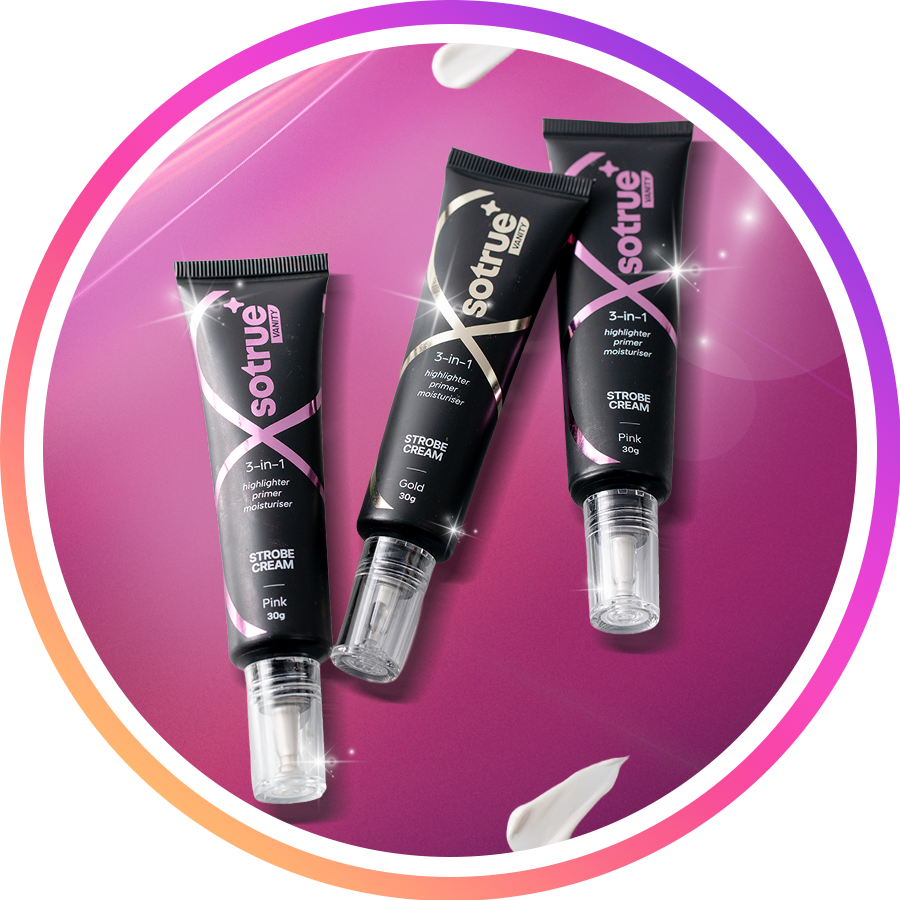
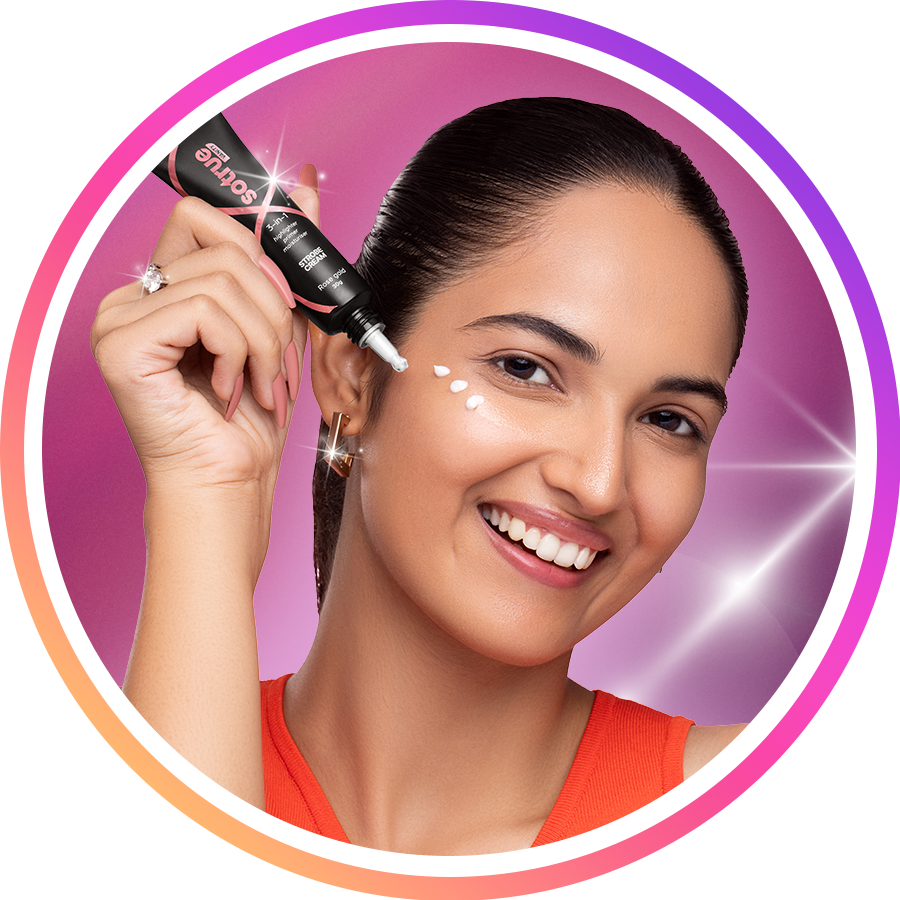
Struggling with beauty products that overlook Indian skin tones, humid climates, and everyday routines? Heavy formulas feel uncomfortable, fade by midday, irritate sensitive skin, and leave your complexion uneven or dull no matter how careful you are. Sotrue offers affordable, vegan, cruelty-free skincare, makeup and haircare thoughtfully crafted for Indian women. From reliable SPF and illuminating strobe creams to inclusive shades, every essential delivers natural radiance and genuine confidence that fits your real life. Shop Sotrue Now!
Why Sunscreen Texture Has Become an Important Choice Factor
Sunscreen effectiveness depends on more than texture alone. A product needs to provide appropriate protection and be applied consistently to support a reliable sun care routine. At the same time, a formula that feels uncomfortable may become difficult to use regularly.
Consumer expectations around skincare have changed as people increasingly look for products that combine performance with a pleasant application experience. According to dermatologist guidance on skincare trends, digital skincare conversations have influenced how consumers discover products, compare routines, and evaluate features such as texture and ease of use.
This change has made comfort a central consideration. Many skincare users now evaluate sunscreens based on whether they feel heavy, leave residue, work well under makeup, or blend easily into their morning routine. The best sunscreen texture for daily use is often the one that encourages consistent application while meeting individual skincare preferences.
Understanding Lightweight Sunscreen Formulas
Lightweight sunscreens are designed around a smoother, less noticeable application experience. These formulas often appeal to users who prefer a fresh finish rather than a rich or creamy feel.
Benefits of Lightweight Sunscreen
One of the main lightweight sunscreen benefits is improved comfort during everyday wear. A lighter formula may feel easier to apply across the face and can be preferred by people who dislike a heavy layer on their skin.
Lightweight options are often considered suitable for routines where multiple skincare products are applied together. For example, someone using a cleanser, moisturiser, sunscreen, and makeup may prefer a texture that layers without creating a sticky or overloaded feeling.
These formulas can also be appealing in warm or humid conditions, where some consumers may find richer textures less comfortable. A lightweight sunscreen for humid weather can support a simpler routine by reducing the sensation of product buildup throughout the day.
What to Consider Before Choosing a Lightweight Formula
A lighter texture does not automatically mean a formula is suitable for everyone. Skin type, hydration needs, application habits, and personal preferences all influence whether a sunscreen feels comfortable.
Consumers should look beyond texture and consider whether the product provides the protection qualities they expect from a sunscreen. A comfortable formula that encourages regular use can be valuable, but texture should work together with overall product performance.
Understanding Traditional Cream Sunscreen Formulas
Traditional cream sunscreens remain a popular choice because they often provide a richer application experience. Their thicker texture can appeal to users who prefer a moisturising feel or who want a formula that feels more substantial during application.
Cream formulas are commonly associated with a nourishing finish, making them a consideration for people who enjoy skincare products with added comfort and hydration. For individuals who experience dryness or prefer a creamy skincare routine, a traditional formula may feel more aligned with their preferences.
However, some users may find richer textures less convenient for daily routines, especially when they need a sunscreen that sits comfortably under makeup or alongside other skincare products. This does not make cream formulas unsuitable; it simply highlights the importance of matching the product experience with personal needs.
Lightweight Sunscreen vs Cream Sunscreen: Comparing Key Differences
The choice between lightweight and traditional cream formulas often comes down to lifestyle, skin preferences, and how sunscreen fits into a person's routine. Both formats can serve different needs, and neither texture is universally better for every consumer.
- Texture: Lightweight formulas usually focus on a lighter skin feel, while cream formulas provide a richer and more moisturising application.
- Daily comfort: People who prefer minimal product sensation may enjoy lightweight formats, while those who like a more nourishing finish may prefer creams.
- Layering: Lightweight options may be preferred for routines involving several skincare or makeup steps, while cream formulas may suit simpler routines.
- Skin preference: The ideal choice depends on whether the user prefers a fresh, lightweight finish or a more comforting cream texture.
When considering a traditional sunscreen cream formula comparison, the focus should not only be on appearance or popularity. The more important question is whether the sunscreen fits into a routine that a person can maintain consistently.
How Climate and Lifestyle Influence Sunscreen Preferences
Environmental conditions can influence how a sunscreen feels throughout the day. In warm and humid environments, many consumers look for formulas that feel comfortable after application and do not interfere with other skincare steps.
This is one reason lightweight textures have become an important part of modern sun care discussions. The movement toward more comfortable formulas reflects changing expectations around everyday skincare. Consumers want products that protect their skin while fitting naturally into busy routines.
At the same time, preferences vary widely. Someone who spends more time outdoors, prefers a moisturising routine, or has different skin needs may value the feel of a cream formula. Sunscreen selection is therefore not about choosing the newest format, but about understanding what works for an individual's routine.
The Role of Product Experience in Modern Sun Care
Skincare choices are influenced by both science and experience. A sunscreen can have strong protective qualities, but the way it feels, applies, and fits into daily habits also affects whether people continue using it.
Recent sunscreen innovation has focused on improving usability without losing sight of protection. Industry discussions highlight how consumers increasingly expect sun care products to combine effective protection with comfortable textures and responsible formulation choices. This shift is reflected in the development of gels, fluids, serums, and lightweight emulsions that address common concerns such as greasiness and visible residue.
The relationship between product design and consumer behaviour is especially important because sunscreen is most useful when it becomes a consistent habit. A formula that feels pleasant can remove one of the common barriers to regular application.
How to Choose the Right Sunscreen Formula for Your Routine
When deciding how to choose sunscreen formula options, consumers can consider several practical questions:
- What texture feels comfortable? Consider whether you prefer a lightweight finish or a richer cream feel.
- How does it fit into your routine? Think about whether you apply skincare products, makeup, or other layers after sunscreen.
- What are your daily conditions? Your environment, activity level, and personal comfort preferences can influence your choice.
- Will you use it consistently? The most suitable sunscreen is one that fits naturally into your everyday habits.
A daily sunscreen routine should feel manageable rather than complicated. Whether someone chooses a lightweight formula or a traditional cream, the priority should be finding a product experience that supports regular use.
Making an Informed Sunscreen Choice
The comparison between lightweight sunscreen vs cream sunscreen shows how skincare has moved beyond a one-size-fits-all approach. Consumers now consider texture, comfort, lifestyle compatibility, and personal preferences alongside protection needs.
Both lightweight and traditional cream formulas have a place in modern skincare routines. Lightweight options may appeal to those seeking a comfortable, barely noticeable finish, while cream formulas may suit users who prefer a richer application experience. The right choice depends on individual expectations and how well the product integrates into daily life.
For beauty brands and skincare consumers alike, the evolution of sunscreen highlights an important principle: effective skincare is not only about what a product does, but also about whether people enjoy using it consistently. As sun care continues to develop, formulas that balance protection, comfort, and usability will remain central to everyday skincare decisions.
Frequently Asked Questions
Is lightweight sunscreen better than cream sunscreen for daily use?
Lightweight sunscreen and cream sunscreen can both be effective choices depending on skin type, climate, and personal preferences. Lightweight formulas may feel more comfortable for people who prefer a fresh finish or apply multiple skincare products, while cream formulas may suit those who prefer a richer texture.
What are the benefits of using a lightweight sunscreen formula?
The main lightweight sunscreen benefits include a comfortable skin feel, easier layering with other skincare products, and a less noticeable finish during daily wear. These qualities can make it easier for some users to maintain a consistent sunscreen routine.
How do I choose between a gel sunscreen and a traditional cream sunscreen?
Choosing between a gel sunscreen and a traditional cream sunscreen depends on your routine, skin preferences, and desired texture. Consider factors such as comfort, hydration needs, how the sunscreen layers with makeup, and whether you prefer a lightweight or moisturising finish.
Disclaimer: The above helpful resources content contains personal opinions and experiences. The information provided is for general knowledge and does not constitute professional advice.
You may also be interested in: Mini Daily Strobe Cream SPF 50+, Rose Gold 8ml - Sotrue
Struggling with beauty products that overlook Indian skin tones, humid climates, and everyday routines? Heavy formulas feel uncomfortable, fade by midday, irritate sensitive skin, and leave your complexion uneven or dull no matter how careful you are. Sotrue offers affordable, vegan, cruelty-free skincare, makeup and haircare thoughtfully crafted for Indian women. From reliable SPF and illuminating strobe creams to inclusive shades, every essential delivers natural radiance and genuine confidence that fits your real life. Shop Sotrue Now!
Powered by flareAI.co


