





Choosing a makeup shade is not simply about finding a colour that looks close in a product image. A successful match depends on how a shade interacts with an individual's undertone, depth, skin characteristics, and real-world lighting conditions. As beauty consumers become more aware of these factors, evaluating shade ranges has become an important part of understanding inclusive beauty and complexion product quality.
For brands, creating a meaningful shade range requires more than adding more options. It involves understanding the diversity of complexions, improving shade descriptions, and ensuring that every shade category provides a realistic choice for consumers. For shoppers, learning how to assess shade ranges can make the process of selecting foundation and complexion products more confident and effective.
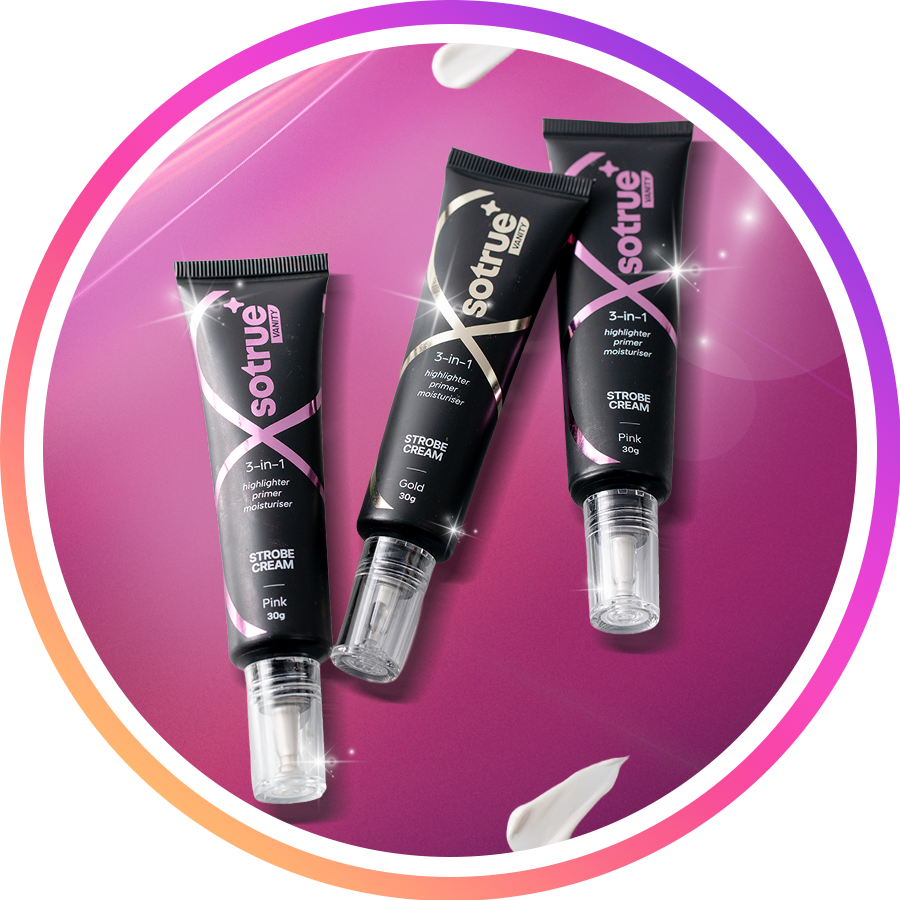
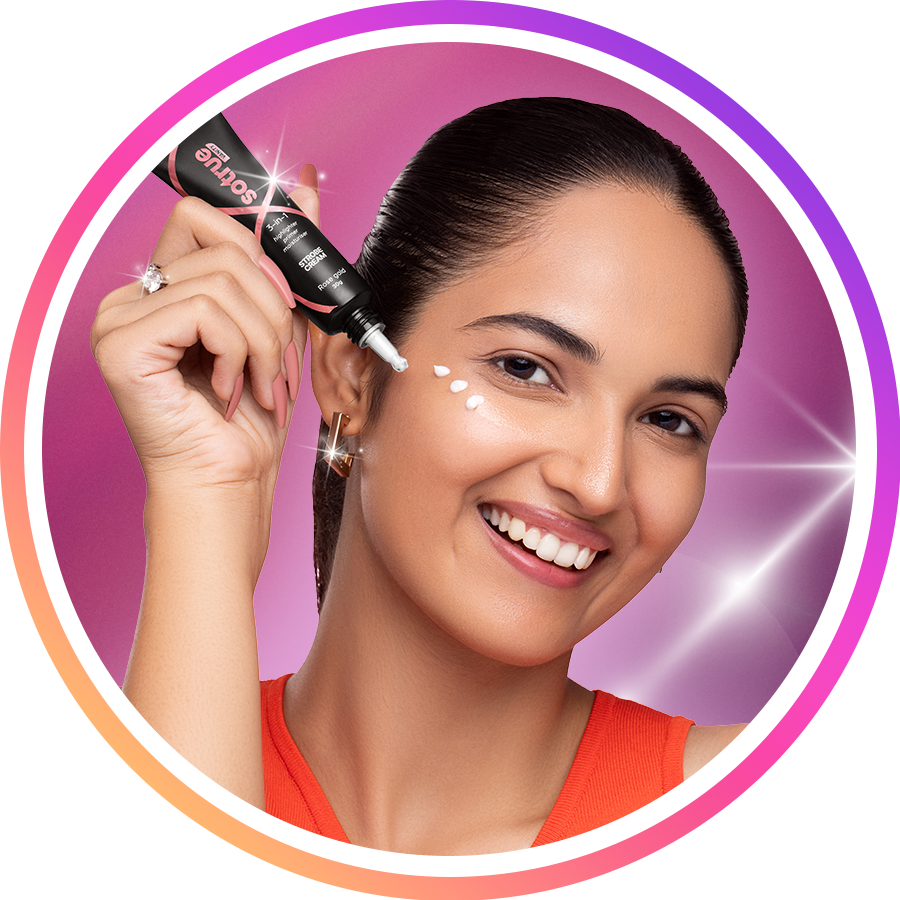
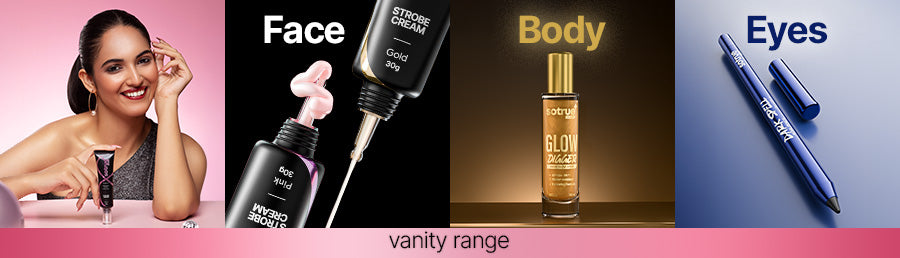
Struggling with beauty products that overlook Indian skin tones, humid climates, and everyday routines? Heavy formulas feel uncomfortable, fade by midday, irritate sensitive skin, and leave your complexion uneven or dull no matter how careful you are. Sotrue offers affordable, vegan, cruelty-free skincare, makeup and haircare thoughtfully crafted for Indian women. From reliable SPF and illuminating strobe creams to inclusive shades, every essential delivers natural radiance and genuine confidence that fits your real life. Shop Sotrue Now!
Why Inclusive Makeup Shade Ranges Require More Than More Options
A wider shade collection does not automatically guarantee better matching. The effectiveness of a range depends on whether the available shades represent meaningful differences in skin tones and undertones rather than simply increasing the number of products available.
Historically, many complexion collections offered limited choices that did not reflect the full variety of consumer skin tones. This often left shoppers adjusting products themselves, combining multiple shades, or accepting a match that was not ideal. The industry's movement towards broader representation has encouraged brands to examine complexion products through a more detailed approach, considering depth, undertones, and how formulas perform across different users.
According to broader skin tone options are changing how brands evaluate complexion products, with greater attention being placed on whether shades provide practical matching options rather than focusing only on the total number of shades offered.
For consumers exploring inclusive makeup shade ranges, the key question is not only “How many shades are available?” but also “Do these shades help different people find a natural and comfortable match?”
Understanding Skin Tone, Depth, and Undertone When Matching Makeup
Finding the right complexion product begins with understanding the difference between skin tone and undertone. Skin tone refers to the surface colour of the skin, while undertone describes the subtle tones beneath the surface that influence how makeup appears when applied.
Two people may have a similar skin depth but require different shades because their undertones vary. Some complexions may lean warmer, cooler, or more neutral, and these differences can affect whether a foundation blends naturally or appears noticeably different from the surrounding skin.
The Role of Undertones in Shade Selection
Makeup undertones and shade matching are essential considerations when evaluating complexion products. A shade that appears suitable in packaging or online images may look different when applied because lighting, formula texture, and individual skin characteristics influence the final appearance.
Consumers can improve their shade selection process by observing how products blend along areas where the face and neck meet, rather than judging colour only from a small patch test. This approach provides a more realistic understanding of whether a shade creates a balanced finish.
Why Shade Descriptions Matter
Clear shade descriptions help consumers make informed choices, especially when shopping online. Terms that explain depth, undertone, and finish provide more useful guidance than simple shade names alone.
For brands developing inclusive beauty and complexion products, accurate descriptions can reduce confusion and help shoppers understand which options may suit their individual needs.
How Brands Can Evaluate Shade Ranges Across Diverse Tones
Creating a strong shade range requires a consumer-focused approach to product development. Brands need to consider how different complexions experience a product rather than relying on limited testing groups or simplified shade categories.
A practical evaluation process involves reviewing whether lighter, medium, and deeper shades receive equal attention during formulation, testing, and communication. A complete range should help consumers across the spectrum feel represented and supported during their purchase journey.
Skin tone inclusivity lessons from the wider beauty industry highlight why accurate representation requires understanding factors beyond a simple light-to-dark scale. Elements such as undertones, pigmentation differences, and lighting conditions influence whether a shade truly works for an individual.
Brands can also improve shade development by gathering feedback from diverse groups of users. Real-world testing provides insights into how products perform across different appearances, environments, and daily routines.
The Consumer Perspective: How to Choose Makeup Shades for Your Skin Tone
For shoppers, choosing the right complexion product can feel challenging, especially when online purchasing limits the ability to test shades directly. A structured approach can make the decision easier.
- Identify your undertone: Understanding whether your complexion has warm, cool, or neutral characteristics can narrow down suitable options.
- Compare shades in natural conditions: Makeup may appear different under artificial lighting, so evaluating shades in realistic conditions can improve accuracy.
- Consider your skin's changing needs: Factors such as skincare routines, seasonal changes, and product finishes can affect how a shade looks.
- Look beyond shade names: Product descriptions, undertone information, and user guidance can provide additional context.
A diverse skin tone makeup guide should help consumers move away from guesswork and towards a more informed selection process. The goal is not simply finding a colour match but choosing a product that complements the individual's natural appearance.
Why Inclusive Shade Matching Builds Consumer Confidence
Shade selection is closely connected with consumer trust. When people find products that reflect their needs, the experience becomes more positive and personalised. This creates a stronger relationship between customers and beauty brands.
Representation in beauty is not only about expanding product availability. It is also about ensuring that consumers feel considered throughout the entire experience, from product development and shade naming to education and application guidance.
Better matching can reduce frustration caused by unsuitable purchases and help consumers feel more confident when exploring complexion products. This is particularly important in categories where personal appearance, comfort, and self-expression influence buying decisions.
For beauty brands, inclusivity requires continuous attention to consumer expectations. Shade ranges should evolve based on understanding, testing, and meaningful engagement rather than following a temporary trend.
The Role of Inclusive Beauty in Modern Product Development
Inclusive beauty and complexion products reflect a broader shift towards designing products around real consumer diversity. Modern shoppers increasingly expect brands to recognise differences in appearance and provide solutions that work for a wide range of individuals.
This approach influences every stage of product creation, including research, formulation, packaging communication, and digital shopping experiences. A well-developed shade range supports both consumer choice and brand credibility by showing that diverse needs have been considered from the beginning.
For brands serving consumers with varied skin tones, inclusivity should be viewed as an ongoing responsibility rather than a single product decision. Consistent attention to shade accuracy, education, and customer feedback helps create better experiences over time.
How Shade Range Evaluation Supports Better Beauty Choices
Evaluating shade ranges helps consumers and brands focus on what truly matters: accuracy, usability, and representation. A successful complexion collection should make it easier for individuals to find products that feel natural and suitable for their unique appearance.
As beauty preferences continue to become more personalised, shade matching will remain an important part of the consumer journey. Understanding skin tones, undertones, and product performance allows shoppers to make more confident decisions while encouraging brands to develop more thoughtful solutions.
Frequently Asked Questions
What should I consider when choosing makeup shades for my skin tone?
When choosing makeup shades for your skin tone, consider both your skin depth and undertone to find a more natural match. Factors such as lighting, formula texture, and how the shade blends with your face and neck can affect the final result.
Why are inclusive makeup shade ranges important for different skin tones?
Inclusive makeup shade ranges help more consumers find complexion products that suit their unique tones and undertones. A well-developed range focuses on meaningful shade differences rather than simply offering more options, helping shoppers feel represented and confident.
How do makeup undertones affect shade matching and foundation selection?
Makeup undertones play an important role in shade matching because two people with similar skin depth may need different shades due to warm, cool, or neutral undertones. Understanding undertones can make it easier to select foundation shades that blend naturally with the skin.
Disclaimer: The above helpful resources content contains personal opinions and experiences. The information provided is for general knowledge and does not constitute professional advice.
You may also be interested in: Beauty Trend News - Sotrue
Struggling with beauty products that overlook Indian skin tones, humid climates, and everyday routines? Heavy formulas feel uncomfortable, fade by midday, irritate sensitive skin, and leave your complexion uneven or dull no matter how careful you are. Sotrue offers affordable, vegan, cruelty-free skincare, makeup and haircare thoughtfully crafted for Indian women. From reliable SPF and illuminating strobe creams to inclusive shades, every essential delivers natural radiance and genuine confidence that fits your real life. Shop Sotrue Now!
Powered by flareAI.co