




Acne patches have become a practical option for people looking to manage individual breakouts without applying treatments across the entire face. However, choosing the right patch involves more than selecting the most visible option on a shelf. Factors such as breakout type, ingredients, skin sensitivity, absorption needs, and comfort can influence how effectively a patch supports targeted care. Understanding these considerations helps consumers make informed skincare decisions and identify products that better align with their personal routines.
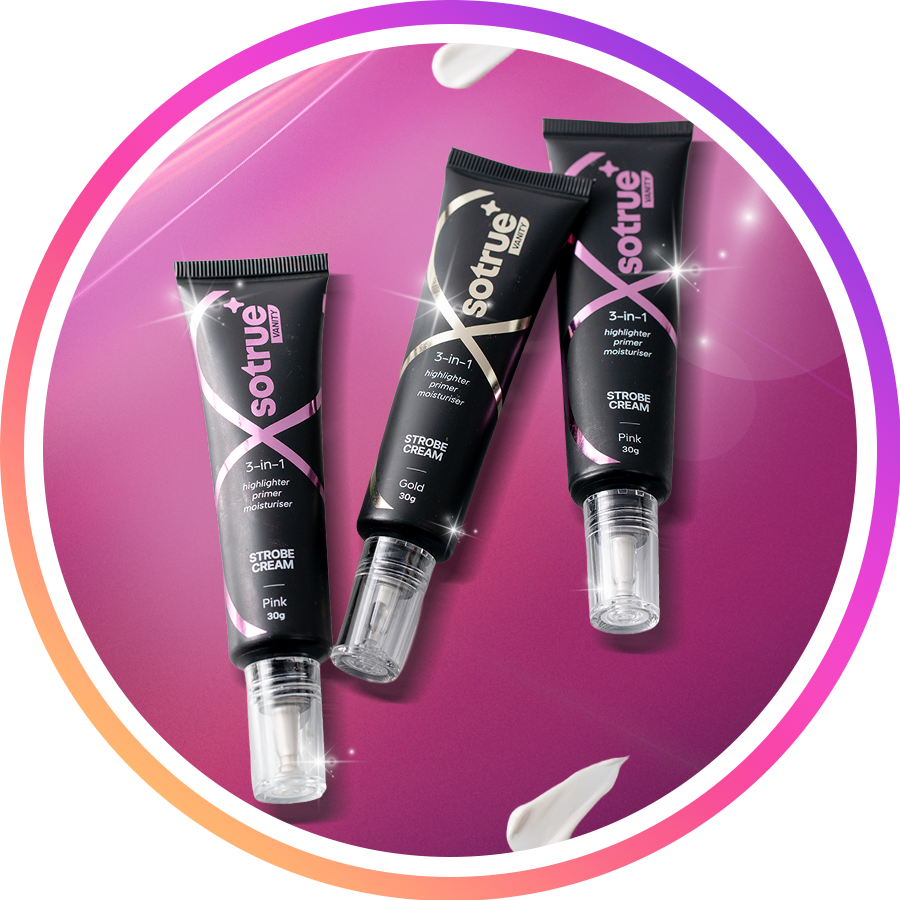
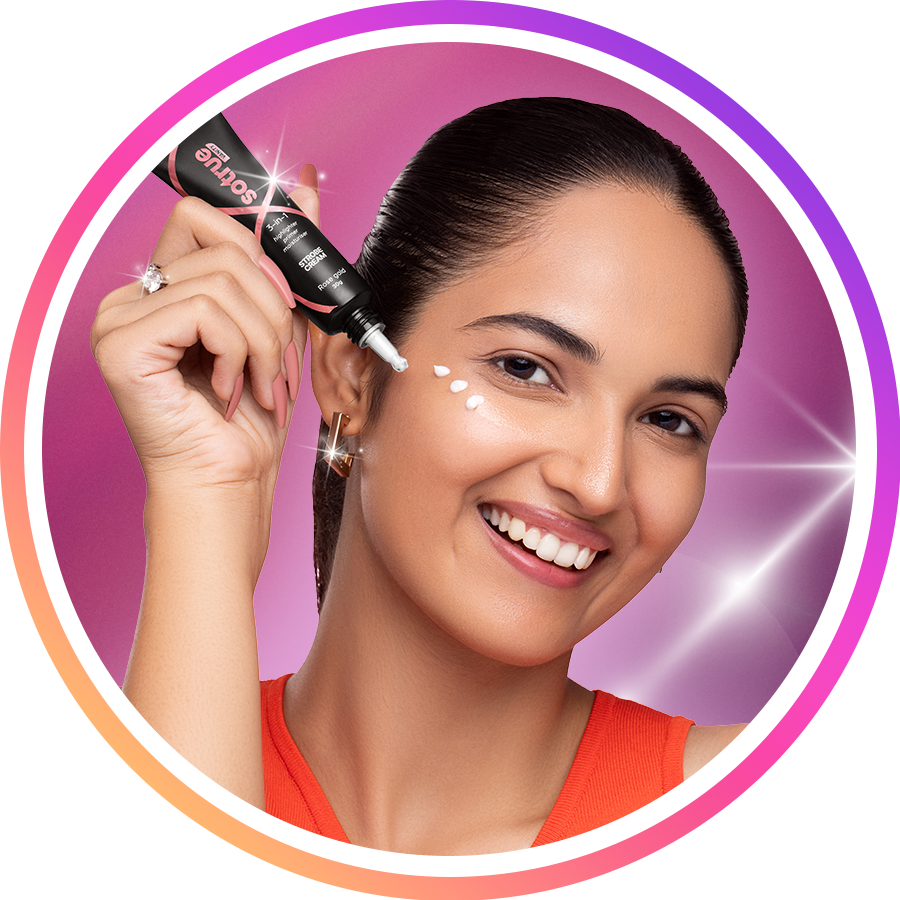
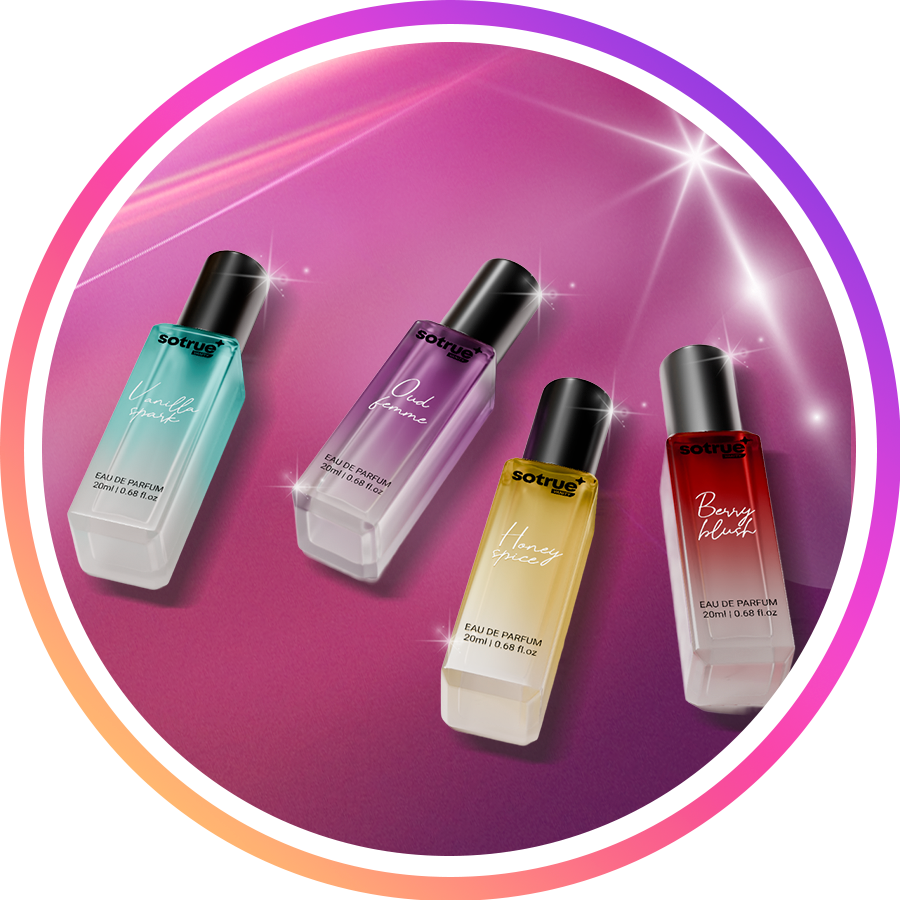
Struggling with beauty products that overlook Indian skin tones, humid climates, and everyday routines? Heavy formulas feel uncomfortable, fade by midday, irritate sensitive skin, and leave your complexion uneven or dull no matter how careful you are. Sotrue offers affordable, vegan, cruelty-free skincare, makeup and haircare thoughtfully crafted for Indian women. From reliable SPF and illuminating strobe creams to inclusive shades, every essential delivers natural radiance and genuine confidence that fits your real life. Shop Sotrue Now!
Understanding the Purpose of Acne Patches in Targeted Care
Acne patches are designed to focus skincare attention on specific blemishes rather than treating the entire skin surface. This targeted approach can be useful for people who experience occasional breakouts and want a convenient addition to their existing skincare routine.
The first step in selecting acne patches is understanding what type of blemish needs attention. Different breakouts can require different approaches. A visible whitehead, for example, may respond differently from an early-stage inflamed bump that has not yet surfaced. Selecting a patch based on the condition of the breakout can help users avoid choosing a product that does not match their immediate skincare concern.
For consumers researching acne patches for targeted care, the goal is usually not just to cover a blemish. They are looking for a solution that fits their skin type, lifestyle, and expectations around comfort and effectiveness. This makes product evaluation an important part of building a personalised skincare routine.
Why Breakout Type Matters When Choosing Acne Patches
One of the most important factors to consider when choosing acne patches is the stage and appearance of the breakout. A patch that works well for one type of blemish may not provide the same experience for another.
Traditional hydrocolloid patches are commonly selected for visible whiteheads because they can absorb fluid from the surface of the blemish while creating a protective covering. According to pimple patch selection, hydrocolloid options can help maintain a suitable healing environment, reduce the urge to touch the area, and provide a barrier against external factors.
Early-stage breakouts may require a different type of approach. Some newer patch technologies focus on improving ingredient delivery through designs such as micro-darts or micropoints. These options are developed to reach beyond the surface layer and deliver selected active ingredients more directly to targeted areas.
Understanding these differences allows consumers to move beyond choosing patches based only on appearance or popularity. Instead, they can evaluate whether a patch design matches the specific concern they want to address.
Evaluating Ingredients and Delivery Technology
The ingredients used in an acne patch can influence how suitable it is for an individual's skincare needs. When reviewing acne patch ingredients to look for, consumers should consider how those ingredients fit with their skin type and existing routine.
Ingredient delivery has become an important area of innovation in acne care. Some advanced patch designs are being explored for their ability to deliver multiple active ingredients together. A report on microneedle acne patches highlights research into dissolving microneedle designs that aim to combine antibacterial, anti-inflammatory, and acne-focused ingredients within a single targeted application.
For consumers, this means acne patch selection is increasingly about understanding formulation choices rather than simply choosing between different shapes, sizes, or packaging designs. Ingredient compatibility remains important, especially for people who may have sensitive skin or prefer simpler skincare routines.
Balancing Effectiveness with Skin Compatibility
A patch should work comfortably alongside the rest of a skincare routine. Selecting highly active options without considering skin sensitivity can create unnecessary challenges. Consumers should pay attention to how their skin responds to different materials, ingredients, and application methods.
People with sensitive or dry skin may prefer options designed with gentler materials and fewer potential irritants, while those with oily or combination skin may prioritise absorption and wear performance. The right balance depends on individual skin characteristics rather than a single universal solution.
Considering Skin Type, Comfort, and Daily Use
Skin type plays a significant role in determining which acne patch may feel most suitable. A patch designed for strong absorption may appeal to someone managing excess oil, while another person may prioritise a lightweight option that feels comfortable throughout the day.
When exploring acne patches for different skin types, consumers should consider factors such as adhesive comfort, breathability, thickness, and how the patch interacts with other skincare products. These practical details can influence whether a product becomes an easy part of a daily routine.
Patch visibility is another consideration. Thin patches may appeal to users who want a discreet option that works under makeup or during daily activities. Thicker designs may provide stronger absorption but can feel more noticeable. Choosing between these options depends on personal preference and the situation in which the patch will be used.
Adhesive quality also matters because a patch needs to remain securely placed during use without causing discomfort or leaving unwanted residue. A well-fitting patch can make targeted care easier to maintain as part of a consistent skincare approach.
How to Compare Options Before Making a Choice
A pimple patches selection guide should focus on practical questions rather than marketing claims. Before selecting a product, consumers can evaluate several areas that influence their experience.
- Breakout suitability: Does the patch match the type of blemish being treated?
- Ingredient approach: Are the active ingredients suitable for the user's skincare preferences and sensitivity level?
- Wear experience: Does the patch stay comfortable and secure during intended use?
- Routine compatibility: Can the patch fit naturally into existing cleansing, moisturising, and skincare habits?
- Design preferences: Does the size, thickness, and appearance match personal needs?
Comparing these elements helps consumers make decisions based on their own skincare priorities. The most suitable choice is not always the most advanced-looking option; it is the one that aligns with the user's specific concerns and routine.
The Role of Acne Patches in Modern Skincare Routines
Skincare consumers are increasingly looking for solutions that are convenient, focused, and easy to incorporate into everyday habits. Acne patches fit into this shift by offering a targeted method for addressing individual blemishes without significantly changing an entire routine.
The growing variety of patch formats also means consumers have more factors to consider than before. Selection now involves understanding materials, ingredient delivery systems, skin compatibility, and personal comfort. This encourages a more thoughtful approach to skincare choices.
For brands in the beauty and personal care space, educational content around product selection can help consumers better understand how different solutions work. Clear guidance allows audiences to make informed decisions while building trust through useful skincare knowledge.
Making an Informed Decision for Targeted Acne Care
Choosing the right acne patch requires looking beyond packaging and focusing on the details that affect everyday use. Breakout type, ingredients, skin sensitivity, patch design, and comfort all influence whether a product feels suitable for an individual's needs.
As acne care continues to develop, consumers benefit from understanding the purpose behind different patch technologies and selecting options based on their own skin concerns. A thoughtful approach to choosing acne patches can make targeted care more practical, personalised, and easier to integrate into a consistent skincare routine.
Frequently Asked Questions
How do I choose acne patches for targeted care?
Choosing acne patches for targeted care depends on factors such as the type of breakout, skin sensitivity, ingredients, and how comfortable the patch feels during use. A suitable patch should match your specific blemish concern and fit naturally into your skincare routine.
What factors should I consider when choosing acne patches?
Important factors to consider when choosing acne patches include the patch material, absorption ability, adhesive quality, thickness, and ingredient compatibility. Considering your skin type and the stage of your breakout can help you select an option that better suits your needs.
Are hydrocolloid acne patches suitable for all skin types?
Hydrocolloid acne patches can be useful for many people, especially when managing visible whiteheads, but suitability depends on individual skin needs. People with sensitive or dry skin may prefer gentler options, while others may prioritise absorption and wear performance.
Disclaimer: The above helpful resources content contains personal opinions and experiences. The information provided is for general knowledge and does not constitute professional advice.
You may also be interested in: How to Use an Ice Roller: A Step-by-step Guide
Struggling with beauty products that overlook Indian skin tones, humid climates, and everyday routines? Heavy formulas feel uncomfortable, fade by midday, irritate sensitive skin, and leave your complexion uneven or dull no matter how careful you are. Sotrue offers affordable, vegan, cruelty-free skincare, makeup and haircare thoughtfully crafted for Indian women. From reliable SPF and illuminating strobe creams to inclusive shades, every essential delivers natural radiance and genuine confidence that fits your real life. Shop Sotrue Now!
Powered by flareAI.co