

Quick Listen:
Hair concerns often begin with small changes: increased shedding, a feeling of dryness, reduced volume, or a scalp that no longer feels balanced. These experiences have encouraged many people to look beyond traditional hair products and pay closer attention to scalp care routines. As interest grows around healthier hair habits, scalp care tools have become part of conversations about maintaining a supportive environment for hair wellness. Rather than focusing only on visible results, consumers are increasingly exploring how consistent care practices, targeted tools, and better scalp awareness can fit into their everyday routines.
The growing attention toward scalp care reflects a broader shift in how people approach hair health. Hair is no longer viewed only through the lens of styling and appearance; consumers are becoming more interested in the condition of the scalp and the role it plays in overall hair wellness.
Hair growth concerns can influence purchasing decisions and personal care habits. People experiencing thinning, shedding, or changes in hair texture often search for routines that feel practical and manageable. This has created interest in scalp-focused approaches that complement existing hair care practices rather than relying on a single solution.
Experts have highlighted that certain at-home tools, including red light therapy devices and dermarollers, are being explored as part of scalp care routines. These tools are often discussed for their potential role in supporting follicle activity, improving circulation, and creating a healthier scalp environment when used correctly. Expert validated tools can help consumers better understand available options and the importance of using them responsibly.
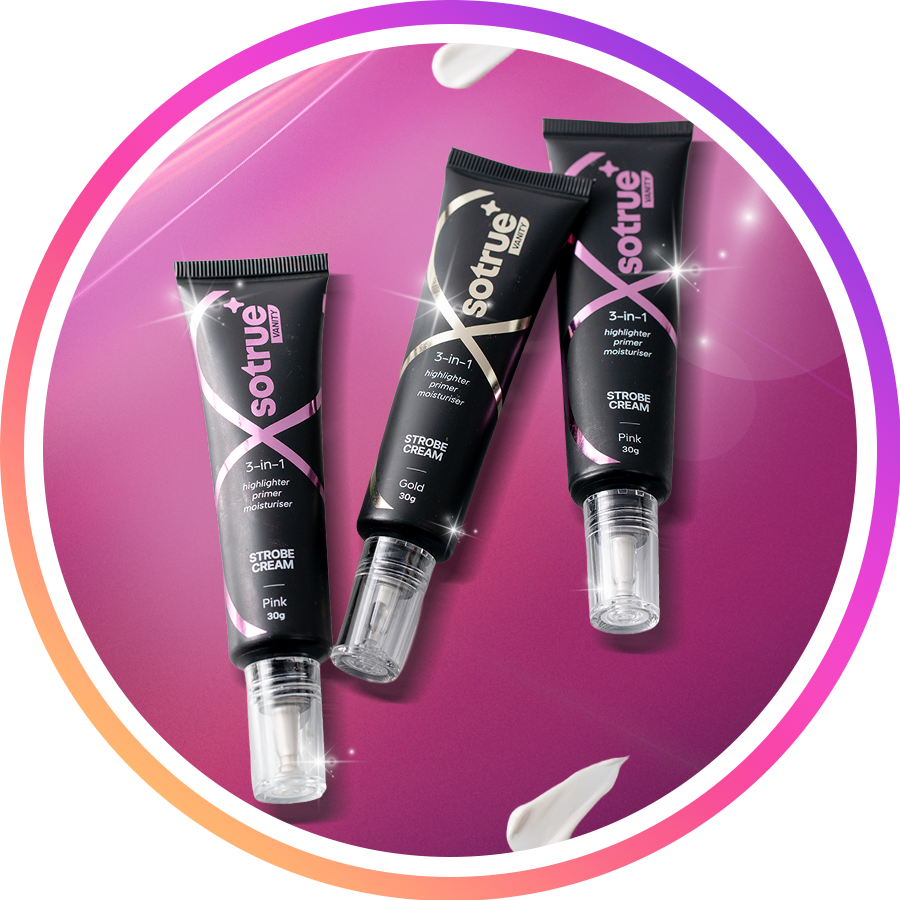
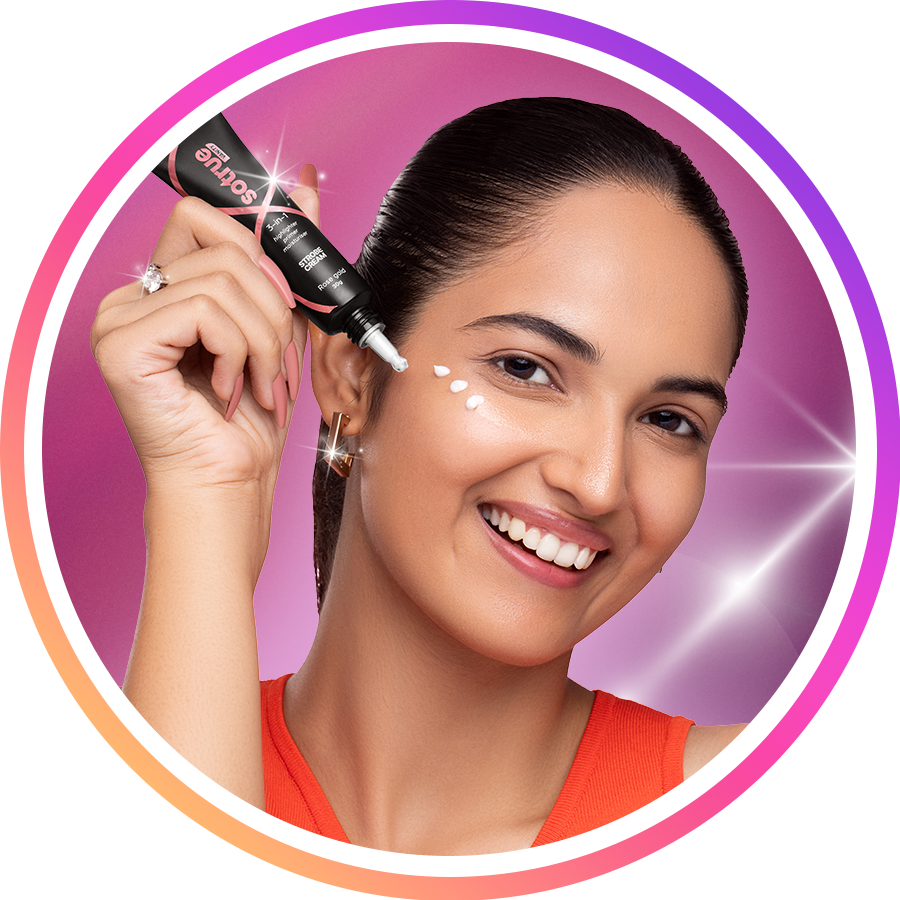
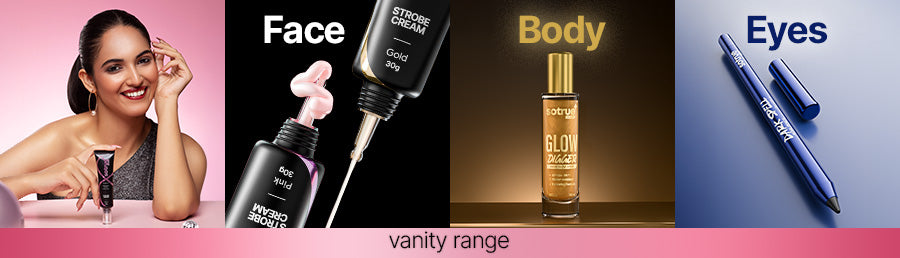
Struggling with beauty products that overlook Indian skin tones, humid climates, and everyday routines? Heavy formulas feel uncomfortable, fade by midday, irritate sensitive skin, and leave your complexion uneven or dull no matter how careful you are. Sotrue offers affordable, vegan, cruelty-free skincare, makeup and haircare thoughtfully crafted for Indian women. From reliable SPF and illuminating strobe creams to inclusive shades, every essential delivers natural radiance and genuine confidence that fits your real life. Shop Sotrue Now!
Why Scalp Health Has Become a Bigger Part of Hair Care Conversations
For many consumers, hair care has traditionally focused on shampoos, conditioners, and styling products. However, the growing interest in scalp care shows a change in mindset: healthy-looking hair starts with understanding the foundation from which it grows.
A scalp care routine can involve simple practices such as cleansing effectively, reducing buildup, maintaining moisture balance, and using tools designed to support scalp-focused habits. This approach allows consumers to think more holistically about hair wellness instead of addressing only the appearance of strands.
The rise of scalp-focused beauty conversations has also been influenced by increased access to information and personal care education. Consumers are becoming more curious about ingredients, routines, and devices that can support their individual needs. The trend has encouraged people to explore specialised scalp products and tools as part of a more intentional approach to self-care.
Interest in scalp care tools has also grown because these products offer a sense of active participation. For consumers concerned about hair changes, adding a dedicated tool to a routine can feel like a practical step toward taking greater control of their hair journey.
The Role of Scalp Care Tools in Modern Hair Wellness Routines
Scalp care tools are attracting attention because they combine convenience with targeted application. Many consumers are looking for routines that can be integrated into daily or weekly habits without requiring significant changes to their lifestyle.
Supporting Consistent Scalp-focused Habits
Consistency is an important part of any personal care routine. Scalp tools are often used as part of repeated practices that encourage users to pay closer attention to scalp condition, massage techniques, and overall hair maintenance.
Some tools are designed to support gentle scalp massage, while others focus on specialised technologies. The value of these tools often comes from how they are incorporated into a broader routine rather than from using them as an isolated step.
Understanding Different Approaches
Different scalp care tools work in different ways. Some consumers explore massage-based tools to support relaxation and scalp stimulation, while others look at technology-based devices as part of their hair wellness approach. Understanding the purpose and correct use of each option helps people make informed decisions.
Research and expert discussions around hair growth tools often emphasise that these devices should complement established care practices. For example, low-level light therapy and gentle microneedling approaches are among the methods discussed in relation to supporting follicle health and encouraging a suitable scalp environment. Hair growth research highlights why understanding how each tool works matters before adding it to a routine.
Consumer Behaviour Behind the Rise of Scalp Care Tools
The interest in scalp care tools is connected to a larger change in consumer expectations. People are increasingly looking for personalised solutions that address specific concerns rather than following one universal hair care approach.
Hair thinning and scalp care have become closely connected topics because consumers are recognising that scalp condition can influence how they feel about their hair. This has encouraged more people to explore routines that focus on prevention, maintenance, and long-term wellness.
Social platforms and beauty communities have also contributed to awareness around scalp-focused routines. Consumers often discover new tools, techniques, and personal care practices through educational content and shared experiences. This has made scalp care more visible as a dedicated category within beauty and wellness discussions.
The move toward scalp-focused care also reflects a preference for non-invasive and accessible approaches. Many consumers are interested in options that can become part of everyday self-care while allowing them to better understand their own hair needs.
Choosing Scalp Care Tools with a Practical Approach
With more options available, consumers benefit from evaluating scalp care tools based on their individual concerns, comfort level, and routine preferences. A thoughtful approach can help ensure that tools support healthy habits rather than becoming another unnecessary step.
- Understand the purpose: Choose tools based on the specific scalp or hair concern being addressed.
- Focus on consistency: Regular, appropriate use is generally more valuable than using a tool aggressively or inconsistently.
- Consider compatibility: A tool should fit naturally with existing hair care habits and personal preferences.
- Prioritise responsible use: Following product instructions and avoiding excessive use can help maintain a balanced routine.
Consumers exploring the best scalp tools for hair care should also remember that hair concerns can have many contributing factors. A scalp tool can be one part of a broader personal care routine, but understanding individual needs remains essential.
What the Growing Scalp Care Trend Means for Beauty Brands
The increasing interest in scalp care represents an opportunity for beauty brands to create more educational and meaningful conversations around hair wellness. Consumers are not only searching for products; they are also looking for guidance that helps them understand routines, ingredients, and personal care choices.
For beauty and personal care companies, this shift highlights the importance of developing content that answers real consumer questions. Educational resources about scalp health, routine building, and responsible tool usage can help audiences make more informed decisions.
The trend also reflects a move toward more inclusive beauty conversations. Hair concerns affect people differently, and consumers increasingly expect brands to recognise varied needs and experiences. Content that focuses on practical information rather than unrealistic promises can build stronger trust with audiences.
As scalp care becomes a more visible part of hair wellness, brands that provide clear education and relevant guidance can create stronger connections with consumers seeking reliable personal care knowledge.
The Future of Scalp Care as Part of Everyday Hair Routines
Scalp care tools are becoming part of a wider movement toward proactive beauty routines. Instead of waiting for visible concerns to become more noticeable, many consumers are exploring ways to support healthier habits earlier.
The growing focus on scalp wellness suggests that hair care will continue moving toward more personalised and education-driven experiences. Consumers want to understand why certain routines matter, how tools fit into those routines, and what realistic outcomes they can expect.
Scalp care tools may not replace established hair care approaches, but they represent an evolving way for consumers to engage with their personal care routines. By combining awareness, consistency, and informed choices, people can build routines that better match their individual hair goals.
For brands in the beauty and personal care sector, the conversation around scalp care offers a valuable opportunity to support consumers with practical knowledge. As interest in hair wellness continues, education and thoughtful guidance will remain central to helping people navigate their choices.
Hair growth concerns have encouraged consumers to look more closely at scalp health and the role of targeted care practices. The rise of scalp care tools reflects a broader desire for routines that feel personalised, accessible, and connected to everyday wellness. By understanding how these tools fit into a balanced approach, consumers can make more informed decisions about their hair care journey.
Frequently Asked Questions
How do scalp care tools support hair growth routines?
Scalp care tools can support hair wellness routines by encouraging consistent scalp-focused habits such as massage, stimulation, and improved attention to scalp condition. They are often used alongside broader hair care practices rather than as a replacement for established approaches.
What are the best scalp tools for hair care and how should they be used?
The best scalp tools for hair care depend on individual needs, comfort, and routine preferences. Consumers should understand the purpose of each tool, follow usage instructions, and focus on consistent use rather than aggressive application.
Why are more people interested in scalp care for hair growth?
Growing hair growth concerns have encouraged consumers to look beyond traditional hair products and explore scalp-focused routines. Interest in scalp care for hair growth is increasing because people want personalised, practical ways to support healthier hair habits and understand their scalp needs.
Disclaimer: The above helpful resources content contains personal opinions and experiences. The information provided is for general knowledge and does not constitute professional advice.
You may also be interested in: Lightweight Strobe Creams Perform in Humid Indian Conditions
Struggling with beauty products that overlook Indian skin tones, humid climates, and everyday routines? Heavy formulas feel uncomfortable, fade by midday, irritate sensitive skin, and leave your complexion uneven or dull no matter how careful you are. Sotrue offers affordable, vegan, cruelty-free skincare, makeup and haircare thoughtfully crafted for Indian women. From reliable SPF and illuminating strobe creams to inclusive shades, every essential delivers natural radiance and genuine confidence that fits your real life. Shop Sotrue Now!
Powered by flareAI.co