




Quick Listen:
In the bustling streets of Mumbai or the steamy lanes of Chennai, the air often feels thick enough to wring out like a washcloth. For anyone who has lived through an Indian monsoon or endured a coastal summer, humidity isn't just weather it's a daily reality that reshapes everything from hair texture to foundation performance. Skincare and makeup routines that thrive in drier climates can quickly become frustrating here. Understanding how India's humid conditions influence skin behavior and product choices is essential for anyone navigating beauty in tropical zones.
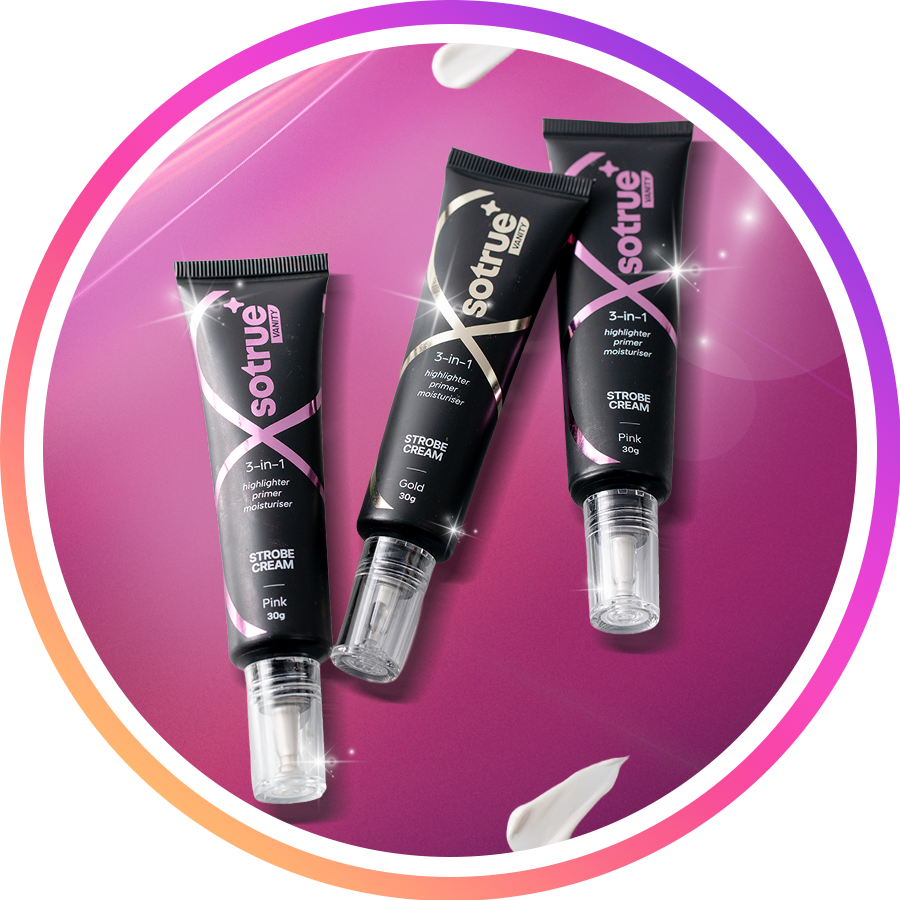
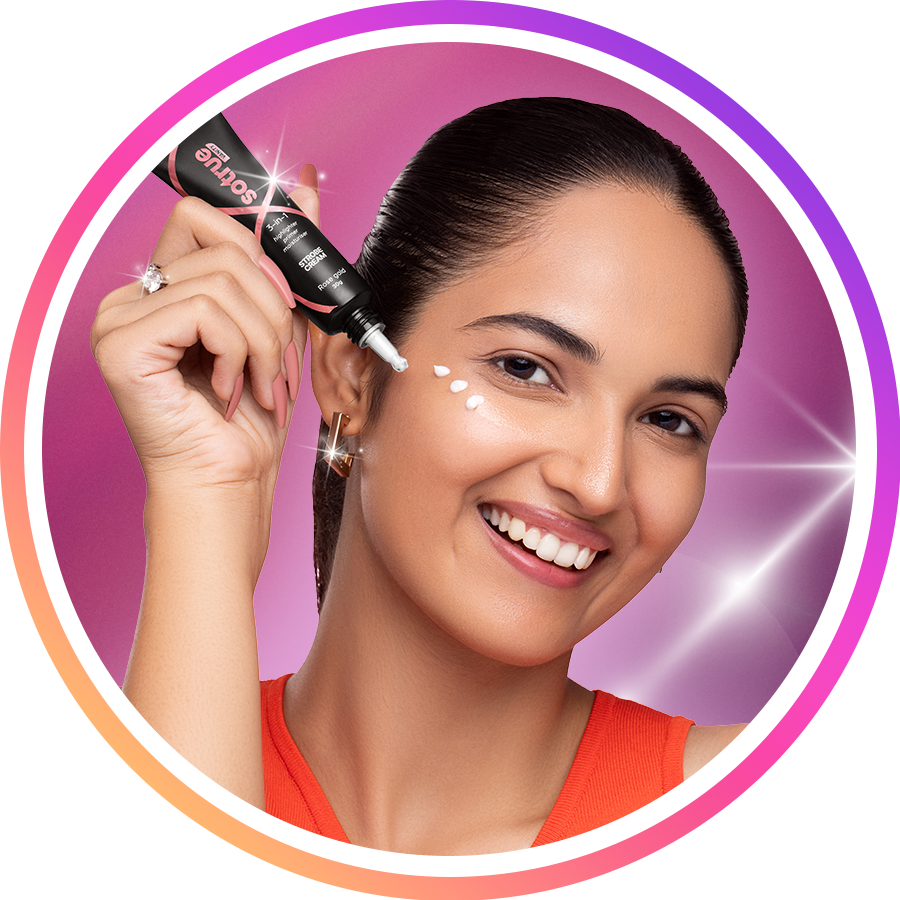
Struggling with beauty products that overlook Indian skin tones, humid climates, and everyday routines? Heavy formulas feel uncomfortable, fade by midday, irritate sensitive skin, and leave your complexion uneven or dull no matter how careful you are. Sotrue offers affordable, vegan, cruelty-free skincare, makeup and haircare thoughtfully crafted for Indian women. From reliable SPF and illuminating strobe creams to inclusive shades, every essential delivers natural radiance and genuine confidence that fits your real life. Shop Sotrue Now!
Why Humidity Shapes Beauty Routines Across India
India's climate varies dramatically from arid deserts to lush tropics, yet high humidity dominates many of its most populous regions. Coastal cities and tropical areas regularly experience moisture levels that keep the air heavy for extended periods. This atmospheric moisture interacts directly with the skin's natural barrier, often increasing oil production while making sweat feel constant and unavoidable.
The result is skin that can feel dehydrated beneath the surface yet oily on top a confusing state that prompts many to over-cleanse or reach for heavier products. Makeup encounters its own struggles: foundations may shift color faster, concealers settle into lines, and powders turn patchy as humidity draws moisture from the formulas. These challenges affect daily confidence and skin comfort for countless people living in these environments.
How High Humidity Affects Skin Physiology
When the air is saturated with moisture, the skin's hydration balance shifts noticeably. Sweat glands become more active, and the skin microbiome may change in ways that encourage certain bacteria or yeast to flourish in damp conditions. Breakouts often increase around the T-zone, jawline, and back, while conditions like fungal infections can become more noticeable during peak humid months.
Dermatologists in busy urban practices frequently treat patients whose skin barriers have been stressed by the mix of humidity, pollution, and occlusive products. The core difficulty lies in delivering adequate hydration without adding excess oil or trapping moisture that clogs pores. This balance is why lightweight, breathable textures have become preferred by those attuned to their skin's reactions in local conditions.
Emerging Trends in Skincare and Makeup for Humid Climates
Beauty brands active in India are adapting with thoughtful, climate-conscious innovations. Shoppers are shifting from rich creams and heavy foundations toward gel-based moisturizers, water-light serums, and mattifying products that control shine without stripping essential moisture.
Oil-control primers, long-wear yet breathable foundations, and setting sprays formulated for humidity resistance now appear prominently on store shelves in major cities. Traditional ingredients maintain strong appeal aloe vera for soothing irritated skin, neem for its purifying qualities, and sandalwood for its cooling touch. These botanicals resonate deeply because they bridge modern formulation science with Ayurvedic knowledge developed over centuries in India's tropical climate.
Regional differences are clear. Consumers in Mumbai, Chennai, and similar humid hubs actively look for products labeled for “monsoon-proof” or high-humidity performance, showing growing awareness that beauty solutions must account for India's climatic diversity.
Product Formulation Lessons from the Field
Effective products achieve equilibrium by supplying hydration while countering excess oil and sweat. Non-comedogenic textures, silica-based mattifiers, and advanced film-forming agents help makeup remain stable longer. Many skincare lines now feature niacinamide, salicylic acid, and centella asiatica ingredients that soothe inflammation and help regulate sebum production without over-drying.
Real-World Examples from Indian Brands and Experts
Homegrown brands have earned strong loyalty by tackling humidity challenges directly. Lakmé's Skin Natural range delivers lightweight coverage and oil-control benefits suited to daily urban life in India. Forest Essentials emphasizes pure botanical formulations that perform reliably in warm, moist conditions. Newer players like Plum offer gel moisturizers and mattifying sunscreens that appeal to younger users seeking effective yet lightweight options.
Specialists at prominent medical institutions advise simplifying routines during the most humid periods. Common recommendations include gentle twice-daily cleansing, targeted use of ingredients like salicylic acid for breakouts, and mineral sunscreens that avoid greasiness or white cast. Weekly clay masks or controlled exfoliation also help maintain clear pores while protecting the skin barrier.
Key Challenges Consumers Face Daily
Despite improved products, real hurdles persist. Sweat combining with makeup can trigger irritation or sensitivity reactions. Fungal acne is frequently mistaken for ordinary breakouts and needs specific management. Even product storage presents issues creams may separate or develop unusual scents when kept in humid bathrooms.
Brands operating in these regions must address faster degradation risks, leading to investments in better packaging and stable preservatives. For individuals, the process often involves experimentation: learning which textures endure humid commutes and which steps prevent that midday shine or slippage.
Practical Strategies That Actually Work
Routines that succeed in humid Indian conditions tend to follow similar principles. Many begin with a lightweight gel cleanser, followed by a hydrating yet mattifying serum. A well-chosen primer forms a protective layer between skin and makeup, while silica-rich setting powders or sprays help everything stay put.
- Opt for blotting papers or rice paper sheets as everyday essentials rather than occasional fixes.
- During peak humidity, simplify by choosing tinted moisturizers over full coverage foundations or using green color-correcting primers to balance redness.
- Focus nighttime care on repair with barrier-strengthening ingredients such as ceramides and panthenol.
- Small adjustments like storing products in cooler spots and refreshing pillowcases more often yield noticeable improvements.
These habits help maintain comfort and efficacy even when the atmosphere feels oppressive.
Common Misconceptions About Beauty in Humid Weather
One frequent misunderstanding is that heavier moisturizers are always better for hydration. In reality, they can exacerbate oiliness and congestion in humid conditions. Another myth suggests that mattifying everything to the extreme solves shine problems yet this often leads to dehydrated skin that overcompensates with more oil.
Many also assume standard international products work equally well everywhere. In practice, formulas developed primarily for temperate climates may underperform in tropical settings. Recognizing these nuances allows for more effective, personalized approaches rather than following generic advice.
Opportunities for Innovation and Better Consumer Education
Looking ahead, the beauty sector's progress in humid climates depends on closer collaboration among formulators, dermatologists, and everyday users. Companies that genuinely respond to regional feedback and conduct localized testing are positioned to earn lasting trust. Demand is strong for multifunctional items sunscreens that manage oil, moisturizers that also prime skin, and makeup designed to adapt as humidity levels shift during the day.
Education remains equally vital. Dermatologists, influencers, and beauty consultants who share practical, location-specific guidance empower consumers to make informed decisions. This exchange of knowledge is expanding through digital platforms and clinical settings, helping people align their routines with their actual environment instead of fighting it.
Moving Forward with Climate-Aware Beauty
India's humid conditions are a constant, but so is the creativity of its beauty community and consumers. By selecting products developed with local realities in mind, refining daily practices, and remaining open to how ingredients behave in real life, it becomes possible to enjoy healthy skin and dependable makeup regardless of the weather.
The most effective path blends scientific understanding, traditional wisdom, and individual trial. Whether heading into a full workday in Kolkata or relaxing on a coastal escape in Goa, awareness of your surroundings turns humidity from an ongoing struggle into a manageable factor. This mindset leads to routines that stay fresh from morning until evening, supporting both skin health and everyday confidence in India's diverse tropical climates.
Frequently Asked Questions
What type of skincare products work best in India's humid climate?
In humid conditions, lightweight, non-comedogenic formulas outperform heavy creams and thick moisturizers. Gel-based moisturizers, water-light serums, and mattifying sunscreens help balance hydration without clogging pores or adding excess oil. Ingredients like niacinamide, salicylic acid, and centella asiatica are especially effective for controlling sebum and calming inflammation in tropical weather.
Why does makeup not last long in humid Indian weather, and how can I fix it?
High humidity causes foundations to shift, concealers to settle into fine lines, and powders to turn patchy because atmospheric moisture interacts with product formulas. To improve wear time, start with an oil-control primer to create a barrier between skin and makeup, then lock everything in with a silica-rich setting powder or a humidity-resistant setting spray. Keeping blotting papers on hand for midday touch-ups also makes a significant difference during monsoon season.
How does humidity affect acne and skin breakouts in cities like Mumbai or Chennai?
In high-humidity environments, sweat glands become overactive and the skin microbiome shifts, creating conditions where acne-causing bacteria and yeast can thrive especially along the T-zone, jawline, and back. A simplified routine of gentle twice-daily cleansing, targeted salicylic acid treatment, and weekly clay masks helps keep pores clear without stripping the skin barrier. It's also worth noting that fungal acne, which becomes more common during humid months, is often mistaken for regular breakouts and requires a different treatment approach.
Disclaimer: The above helpful resources content contains personal opinions and experiences. The information provided is for general knowledge and does not constitute professional advice.
You may also be interested in: Benefits of Using a Sunscreen Stick vs. Lotion - Sotrue
Struggling with beauty products that overlook Indian skin tones, humid climates, and everyday routines? Heavy formulas feel uncomfortable, fade by midday, irritate sensitive skin, and leave your complexion uneven or dull no matter how careful you are. Sotrue offers affordable, vegan, cruelty-free skincare, makeup and haircare thoughtfully crafted for Indian women. From reliable SPF and illuminating strobe creams to inclusive shades, every essential delivers natural radiance and genuine confidence that fits your real life. Shop Sotrue Now!
Powered by flareAI.co