

Makeup that prioritizes hydration does more than deliver color and coverage. It works alongside the skin's natural processes to help maintain comfort, resilience, and a fresh appearance throughout the day. For many people, the difference between makeup that sits on the surface and makeup that supports the skin lies in how well the formula addresses moisture balance. When products incorporate ingredients that attract and hold water while allowing the skin to breathe, the result is a finish that looks healthy rather than masked. This approach is especially useful for those who want their makeup to enhance rather than compromise the skin's condition over time.
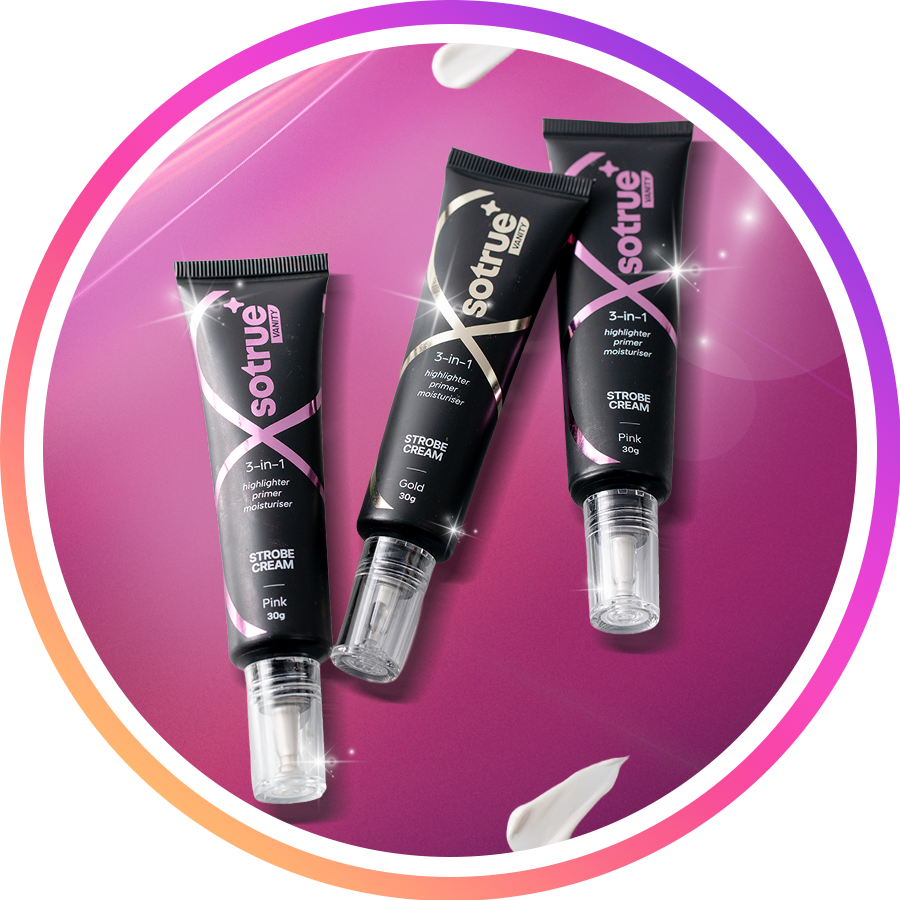
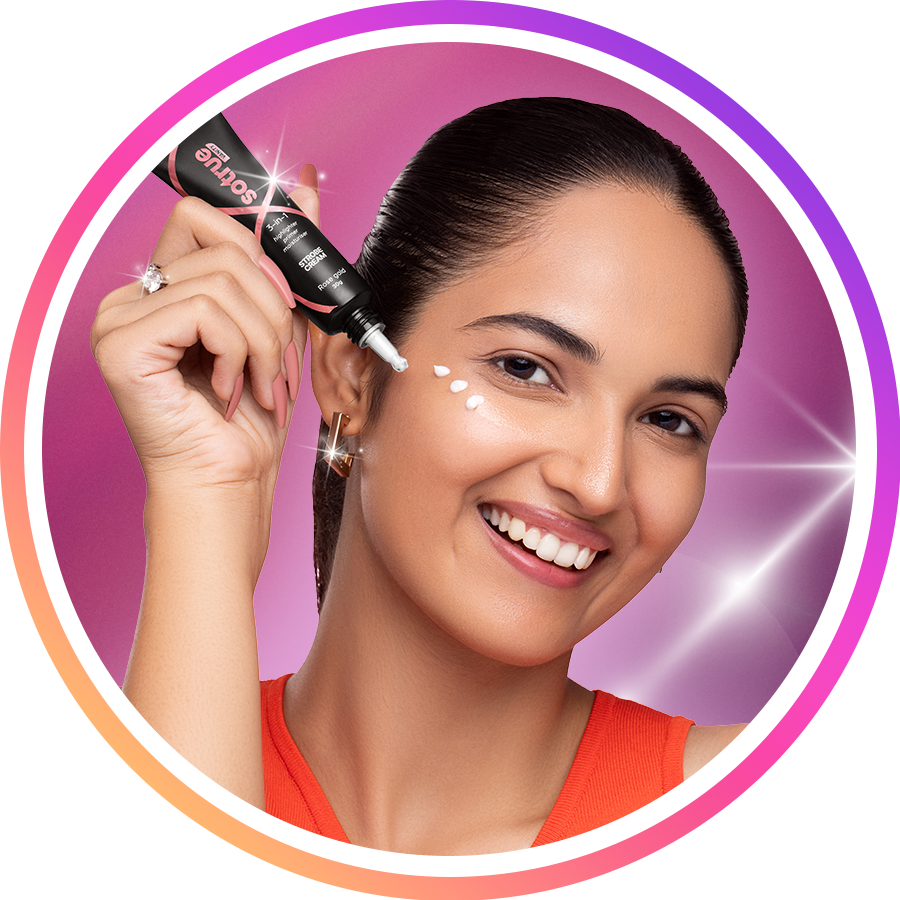
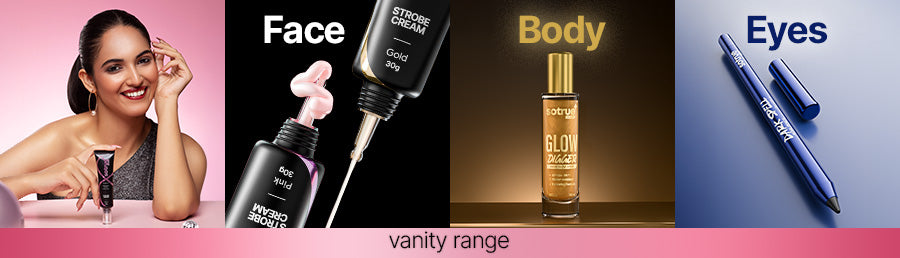
Struggling with beauty products that overlook Indian skin tones, humid climates, and everyday routines? Heavy formulas feel uncomfortable, fade by midday, irritate sensitive skin, and leave your complexion uneven or dull no matter how careful you are. Sotrue offers affordable, vegan, cruelty-free skincare, makeup and haircare thoughtfully crafted for Indian women. From reliable SPF and illuminating strobe creams to inclusive shades, every essential delivers natural radiance and genuine confidence that fits your real life. Shop Sotrue Now!
Why Moisture Balance Matters for Everyday Makeup Wear
Healthy-looking skin depends on adequate water content within the upper layers. When moisture levels stay steady, the surface remains smooth, elastic, and better able to reflect light evenly. Dehydrated skin, by contrast, can appear dull, feel tight, and show fine lines more readily. Makeup applied over dehydrated skin often emphasizes these textures, leading to uneven coverage and the need for frequent touch-ups.
Hydration-focused formulas address this by combining pigments with humectants and emollients that continue supporting moisture even after application. The goal is not simply to add water but to help the skin retain what it already has while providing a comfortable base for color . Users often notice that products formulated this way feel lighter and look more skin-like, reducing the sense that makeup is working against the skin rather than with it.
This matters particularly when weather shifts between dry and humid conditions. In such environments, the skin can cycle between moisture loss and excess oil production as it tries to compensate. Makeup that supports barrier function helps interrupt that cycle, keeping the surface more stable and the overall appearance more consistent from morning to evening.
How Hydration-focused Makeup Differs From Conventional Formulas
Traditional makeup often prioritizes longevity and opacity. While these qualities have their place, they can sometimes come at the cost of comfort if the formula does not account for the skin's moisture needs. Hydration-focused makeup takes a different starting point. It treats the skin as an active participant rather than a passive canvas.
These products typically include ingredients that draw moisture from the air or from deeper layers and hold it near the surface. At the same time, they avoid heavy occlusives that might trap heat or clog pores. The result is a finish that moves with the skin and feels less like a separate layer. Over repeated use, many people find that their skin looks and feels better even on days when they wear little or no makeup, because the daily application has not been depleting moisture reserves.
The difference becomes clear in practical terms. Coverage sits more evenly, color blends more naturally, and the need for heavy powder or frequent blotting decreases. This creates a more efficient routine and a more authentic appearance that aligns with the preference for healthy-looking skin rather than a heavily made-up look.
Practical Benefits for Skin Comfort and Appearance
One of the most immediate advantages is improved comfort. Makeup that supports hydration is less likely to feel tight or drying as the day progresses. This is especially noticeable for those with combination or dry skin, but even oilier skin types benefit when the barrier is better supported, because a balanced barrier helps regulate oil production more effectively.
Appearance also improves. Well-hydrated skin provides a smoother canvas, so foundation and other products require less product to achieve an even result. Fine lines and texture are less accentuated, and the overall finish tends to look luminous rather than matte or flat. Over weeks of consistent use, some people observe gradual improvements in how their skin accepts and holds makeup, suggesting that the supportive ingredients are contributing to better baseline condition.
These outcomes connect directly to broader skin health principles. Maintaining moisture helps the protective barrier function more effectively, which in turn reduces sensitivity to external stressors. Makeup designed with this in mind becomes part of a supportive cycle rather than a source of additional stress.
Selecting Products That Align with Skin Needs
Choosing hydration-focused makeup begins with reading ingredient lists and understanding texture. Look for formulas that list water-attracting ingredients near the top and avoid those that rely primarily on drying alcohols or heavy silicones for slip. Foundations, primers, and tinted moisturizers are the most common places to start, but the same principles apply to lip products, cream blush, and even certain powders designed to set without stripping moisture.
Consider the finish that best suits your skin and preferences. A natural or satin finish often works well because it allows the skin's own luminosity to show through while still providing coverage. Matte formulas can also support hydration if they are carefully formulated, but they require more attention to ensure they do not absorb too much surface moisture.
Testing remains important. What feels comfortable on one person's skin may feel different on another because of variations in barrier strength, climate exposure, and individual oil production. Applying a small amount and observing how it wears over several hours provides clearer information than short in-store trials. Pay attention to whether the product still feels comfortable mid-afternoon and whether it emphasizes or softens existing texture.
Building a Routine That Supports Long-term Skin Quality
Hydration-focused makeup works best when it sits within a broader approach that includes cleansing, moisturizing, and protection. Starting with a well-hydrated base makes a noticeable difference in how products apply and last. A lightweight moisturizer or hydrating serum applied a few minutes before makeup gives the skin a chance to absorb what it needs, so the makeup layer can focus on color and surface support rather than compensating for dryness.
Throughout the day, simple habits help maintain the benefits. Avoiding excessive blotting or powder can prevent the removal of the moisture-supporting ingredients. When touch-ups are needed, a hydrating mist or a small amount of the same foundation used sparingly often works better than adding layers of drying product.
Evening removal is equally important. Choosing a gentle cleanser that does not strip the skin allows the benefits accumulated during the day to continue overnight. Over time, this consistent cycle of support during wear and recovery after removal contributes to skin that looks healthier even without makeup.
For those navigating varied weather, adjusting the thickness of both skincare and makeup layers according to the season helps maintain balance. Lighter textures in humid periods and slightly richer ones during drier stretches keep the skin from swinging between extremes.
Connecting Makeup Choices to Broader Skin Goals
Many people now approach beauty with the expectation that products should contribute to skin quality rather than merely cover it. Hydration-focused makeup meets this expectation by delivering color while continuing the work of moisture retention. The approach aligns with a preference for skin that looks like skin fresh, comfortable, and capable of showing its natural vitality.
This shift also changes how people evaluate performance. Longevity is still valued, but it is measured alongside comfort and the condition of the skin at the end of the day. Products that leave the skin feeling better after removal than before application stand out. That standard encourages formulas that respect the skin's barrier and moisture needs rather than overriding them.
Achieving and maintaining optimal skin hydration involves understanding both internal and topical expert strategies for skin hydration that work synergistically to support a radiant, resilient complexion. Experts emphasize that well-hydrated skin exhibits better elasticity, smoother texture, and a natural luminosity that makeup can amplify rather than hide. Signs of dehydration, such as tightness, dullness, or accentuated lines, respond remarkably well to products designed to replenish moisture at multiple levels. Hydration-focused makeup plays a supportive role here, delivering ingredients that lock in water content while providing color and coverage, ensuring the skin remains comfortable and looks its best from morning to evening. This is particularly relevant for those navigating India's variable weather patterns, where maintaining moisture balance prevents the cycle of dryness followed by excess oil production.
Consistent hydration leads to improved barrier function, which in turn reduces sensitivity and enhances the skin's ability to repair itself, contributing to an overall healthier appearance. Makeup formulated with these principles in mind creates a virtuous cycle: better-prepared skin accepts products more effectively, leading to flawless application and reduced need for touch-ups. Over time, this practice supports visible improvements in tone and texture, aligning with the desire for skin that glows with vitality. By choosing options that prioritize moisture retention alongside performance, beauty enthusiasts can enjoy makeup that genuinely contributes to their skin's long-term well-being.
Making Informed Decisions About Everyday Products
When evaluating options, focus on how the product behaves on your skin over a full day rather than on immediate visual impact alone. Notice whether it settles into lines, whether it feels increasingly dry, and whether the skin underneath looks calm or irritated by evening. These observations provide more reliable guidance than marketing claims.
Consider the full routine rather than isolated products. A hydrating foundation paired with a drying powder or a harsh cleanser may not deliver the intended benefits. Looking at the system as a whole helps identify where support is strong and where adjustments could improve results.
Finally, allow time for the skin to respond. Changes in texture, comfort, and how makeup wears often become clearer after two to four weeks of consistent use. This period gives the barrier a chance to adapt and provides a fairer assessment of whether the approach is working for your particular skin.
Hydration-focused makeup offers a practical way to align daily color application with the goal of maintaining healthy-looking skin. By choosing formulas that support moisture balance, people can enjoy coverage and finish without sacrificing comfort or long-term skin quality. The result is a routine that feels more sustainable and an appearance that reflects the skin's natural resilience rather than working against it. For those seeking makeup that contributes to their skin's well-being, this approach provides a clear and effective path forward.
Frequently Asked Questions
What makes lightweight glow creams comfortable for everyday use?
Lightweight glow creams are designed with breathable textures that feel comfortable on the skin without heaviness or greasiness. Their hydrating formulas help provide a natural glow while making them suitable for daily skincare routines.
Are lightweight glow creams good for all-day hydration and a radiant look?
Yes, lightweight glow creams can help maintain skin hydration while creating a fresh, luminous appearance throughout the day. Many formulas are made to absorb quickly, making them easy to wear under makeup or on their own.
How do lightweight glow creams differ from traditional heavy moisturizers?
Lightweight glow creams typically use fast-absorbing ingredients and smoother textures compared with richer, heavier moisturizers. They provide moisture and glow benefits while keeping the skin feeling soft, comfortable, and less weighed down.
Disclaimer: The above helpful resources content contains personal opinions and experiences. The information provided is for general knowledge and does not constitute professional advice.
You may also be interested in: Face Illuminators Address Needs of Indian Skin Tones
Struggling with beauty products that overlook Indian skin tones, humid climates, and everyday routines? Heavy formulas feel uncomfortable, fade by midday, irritate sensitive skin, and leave your complexion uneven or dull no matter how careful you are. Sotrue offers affordable, vegan, cruelty-free skincare, makeup and haircare thoughtfully crafted for Indian women. From reliable SPF and illuminating strobe creams to inclusive shades, every essential delivers natural radiance and genuine confidence that fits your real life. Shop Sotrue Now!
Powered by flareAI.co