

Beauty choices are becoming more personal, and consumers increasingly expect products to reflect the variety of skin tones, undertones, and individual concerns they experience every day. Inclusive shade options are not simply about adding more colours to a product range; they represent a deeper understanding of how beauty products should work for different people. For makeup users searching for suitable complexion products, finding the right match can influence confidence, comfort, and consistency in their routines. Brands that consider diverse skin needs can create more meaningful connections by recognising that one approach does not work for everyone.
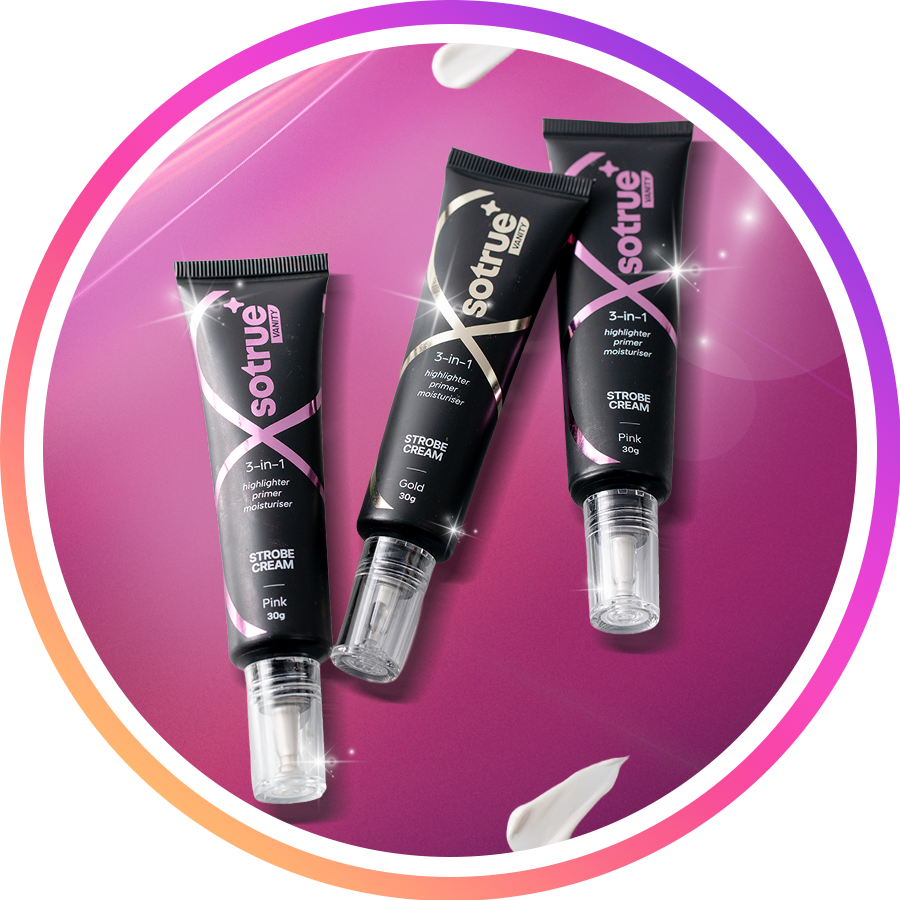
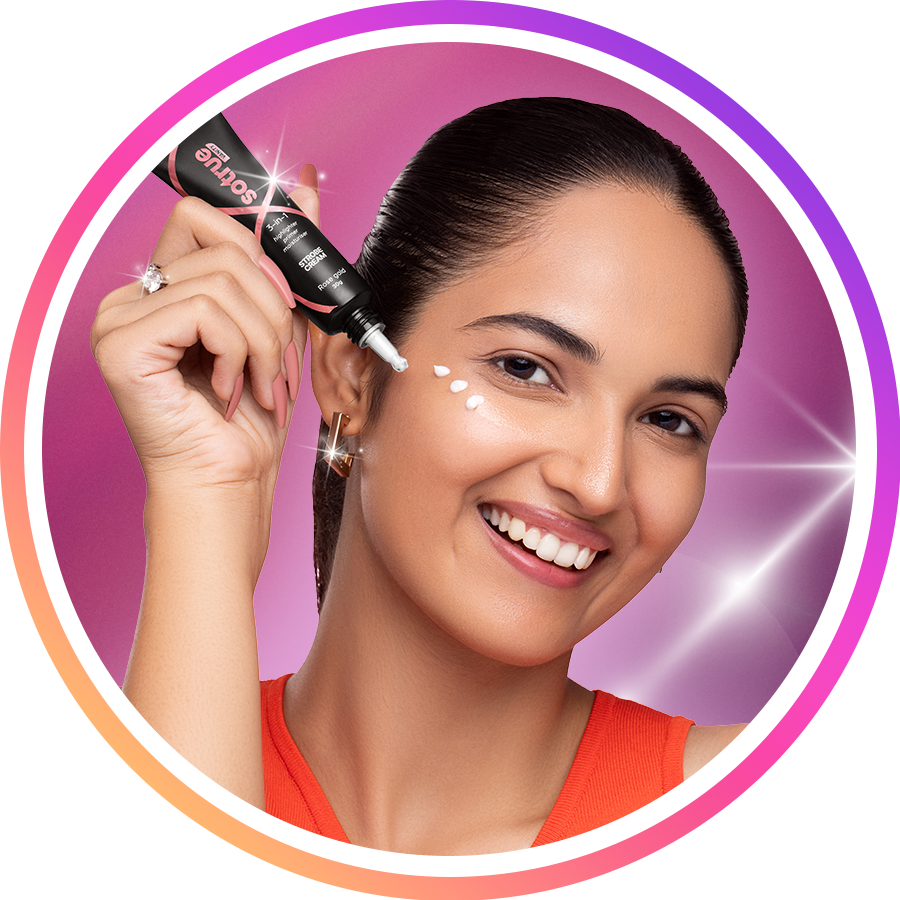
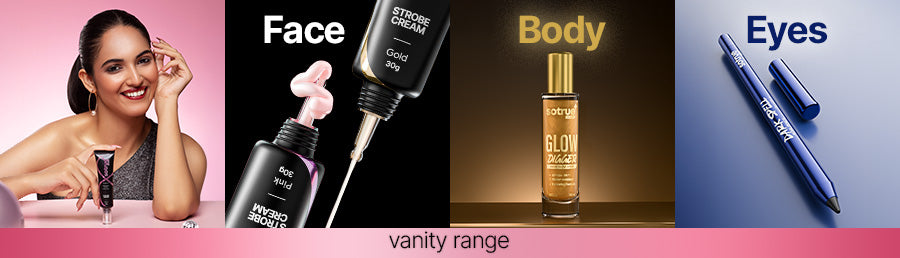
Struggling with beauty products that overlook Indian skin tones, humid climates, and everyday routines? Heavy formulas feel uncomfortable, fade by midday, irritate sensitive skin, and leave your complexion uneven or dull no matter how careful you are. Sotrue offers affordable, vegan, cruelty-free skincare, makeup and haircare thoughtfully crafted for Indian women. From reliable SPF and illuminating strobe creams to inclusive shades, every essential delivers natural radiance and genuine confidence that fits your real life. Shop Sotrue Now!
Why Shade Inclusivity Matters in Modern Beauty
Complexion products have traditionally faced challenges when serving consumers with varied skin tones. A limited shade range can make it difficult for people to find products that blend naturally, complement their undertones, and deliver the intended finish. This challenge is especially relevant for consumers exploring makeup shades for Indian skin tones, where diversity in complexion, undertones, and personal preferences requires thoughtful product development.
The importance of shade diversity extends beyond appearance. When consumers find products that genuinely suit their needs, beauty routines become more accessible and enjoyable. Shade inclusivity helps remove unnecessary barriers by allowing more people to participate confidently in makeup and self-expression.
For beauty brands, creating inclusive beauty products requires understanding consumer experiences rather than simply expanding a colour chart. It involves considering how formulas appear under different lighting conditions, how shades interact with different undertones, and how customers describe their own complexion needs.
Understanding Diverse Skin Tones in Beauty
Diverse skin tones in beauty require a more detailed approach than categorising products by a small number of shade groups. Consumers often look for products that account for warm, cool, neutral, and changing undertones. A shade that appears suitable at first glance may not provide the natural finish customers expect if the undertone does not align with their complexion.
This is why product development teams increasingly focus on creating shade systems that are easier for consumers to understand. Clear shade descriptions, realistic representation, and guidance around selecting suitable options can help customers make more informed decisions.
Inclusive beauty also means recognising that skin needs can vary alongside complexion. Factors such as climate, lifestyle, skincare routines, and personal preferences influence what consumers want from makeup and skincare products. A thoughtful approach considers the complete experience rather than treating shade selection as an isolated feature.
The Connection Between Representation and Consumer Confidence
Representation in the beauty industry influences how consumers view products and brands. When people see their skin tones reflected in product ranges, campaigns, and educational content, they are more likely to feel that their needs have been considered.
This connection is particularly important for consumers who have historically struggled to find suitable complexion products. The search for foundation shades for diverse skin tones is not only a purchasing decision; it is also a search for products that acknowledge individual identity and preferences.
Brands can strengthen trust by making inclusivity part of their overall approach. This includes listening to consumer feedback, improving shade selection processes, and communicating product information in ways that help shoppers understand their options.
Inclusive representation also benefits consumers who are still learning about their own skin needs. Better education around undertones, application techniques, and product selection can make beauty routines feel less complicated and more personalised.
How Innovation Is Improving Inclusive Beauty Solutions
Innovation in beauty is helping address some of the practical challenges associated with creating products for a wider range of consumers. Product developers are exploring ways to improve texture, finish, and visual compatibility so that products perform effectively across different complexions.
Sun protection provides one example of how product experience can influence everyday adoption. Consumers with deeper skin tones may avoid certain sunscreen products when they leave visible residue or do not blend comfortably. Guidance from sunscreen for dark skin highlights that people with darker skin tones still need effective broad-spectrum protection and that tinted options can help address cosmetic concerns associated with visible residue.
Material innovation is also contributing to more wearable formulas. Research from UCLA explored a mineral sunscreen approach designed to reduce the white cast often associated with some mineral formulations. The work demonstrates how improving product appearance and usability can support more consistent skincare habits. More details are available through the UCLA mineral sunscreen research summary.
These examples reflect a broader lesson for beauty brands: performance and user experience must work together. Products that meet functional expectations while fitting naturally into consumer's routines are more likely to become trusted choices.
What Consumers Look for When Choosing Inclusive Products
Consumers evaluating beauty products often consider several factors beyond shade availability. They want clarity, reliability, and confidence that a product has been developed with real-world needs in mind.
- Accurate shade matching: Customers want options that complement their complexion without requiring unnecessary adjustments.
- Natural-looking finishes: Products should support everyday wear while maintaining a comfortable appearance.
- Clear product information: Helpful descriptions and shade guidance make purchasing decisions easier.
- Accessible beauty experiences: Consumers value brands that recognise different skin tones and preferences.
For shoppers considering inclusive beauty products, these factors can influence whether they choose to try a brand and continue using its products. A wider selection alone is not enough; the overall experience must feel thoughtful and consumer-focused.
How Brands Can Build Stronger Connections Through Inclusivity
Beauty brands that want to improve inclusivity should approach shade diversity as an ongoing commitment rather than a single product decision. Understanding customer feedback, reviewing shade performance, and creating educational content can help brands respond more effectively to changing expectations.
Design Products Around Real Consumer Experiences
Effective product development begins with understanding how consumers use products in their daily lives. Brands can benefit from considering different skin tones, routines, environments, and preferences throughout the development process.
Create Clearer Pathways to Product Selection
Many consumers do not struggle because options are unavailable; they struggle because choosing between options can be confusing. Better shade descriptions, visual examples, and practical guidance can make the selection process easier.
Make Inclusivity Part of Brand Communication
Authentic communication focuses on helping consumers understand products rather than making broad promises. Educational storytelling, realistic representation, and transparent product information can help build stronger relationships with audiences.
For a brand such as Sotrue, which focuses on beauty and self-care solutions designed around consumer needs, conversations about shade diversity align naturally with the broader goal of making beauty more accessible. Exploring the importance of shade diversity helps connect product development with the everyday experiences of people looking for suitable and reliable beauty options.
The Future of Beauty Is Built Around Individual Needs
Inclusive shade options reflect a wider shift in how consumers think about beauty. People are moving away from one-size-fits-all expectations and looking for products that recognise individuality. This change encourages brands to focus on deeper understanding, better product experiences, and more meaningful consumer relationships.
The next stage of beauty innovation will depend on how effectively brands respond to diverse skin needs. Whether through improved shade systems, better education, or more thoughtful product design, inclusivity will continue to shape how consumers discover and choose beauty products.
For consumers, inclusive options create more opportunities to find products that feel suitable, comfortable, and representative. For brands, they provide a way to build trust by addressing real needs with care and attention.
Frequently Asked Questions
Why are inclusive shade options important in beauty products?
Inclusive shade options help more consumers find complexion products that match their skin tones and undertones. They improve accessibility, confidence, and the overall beauty experience by recognising that diverse skin needs require thoughtful product choices.
How do makeup shades for Indian skin tones improve the beauty experience?
Makeup shades for Indian skin tones can provide better matches by considering the variety of complexions and undertones among consumers. A more personalised shade range helps users achieve natural-looking results and choose products with greater confidence.
What does beauty inclusivity mean for brands and consumers?
Beauty inclusivity means creating products, shade ranges, and experiences that acknowledge different skin tones and individual preferences. For consumers, it creates more opportunities to find suitable products, while brands can build stronger trust through better representation and understanding.
Disclaimer: The above helpful resources content contains personal opinions and experiences. The information provided is for general knowledge and does not constitute professional advice.
You may also be interested in: 3-in-1 Illuminating Strobe Cream | Pink - Sotrue
Struggling with beauty products that overlook Indian skin tones, humid climates, and everyday routines? Heavy formulas feel uncomfortable, fade by midday, irritate sensitive skin, and leave your complexion uneven or dull no matter how careful you are. Sotrue offers affordable, vegan, cruelty-free skincare, makeup and haircare thoughtfully crafted for Indian women. From reliable SPF and illuminating strobe creams to inclusive shades, every essential delivers natural radiance and genuine confidence that fits your real life. Shop Sotrue Now!
Powered by flareAI.co