

Quick Listen:
Inclusive shade ranges are changing how consumers think about beauty products, especially when it comes to finding makeup that works with the natural diversity of Indian skin tones. The conversation around “How Inclusive Shade Ranges Support Diverse Indian Skin Tones” is not only about adding more colours to a product line; it is about understanding undertones, recognising real consumer experiences, and creating products that allow people to enhance their appearance without compromising authenticity.
For many beauty consumers, the challenge has never been a lack of interest in makeup. The challenge has been finding shades that blend naturally, complement individual undertones, and perform well across different skin conditions. A more inclusive approach to shade development helps move beauty away from one-size-fits-all solutions and towards products designed around real people.
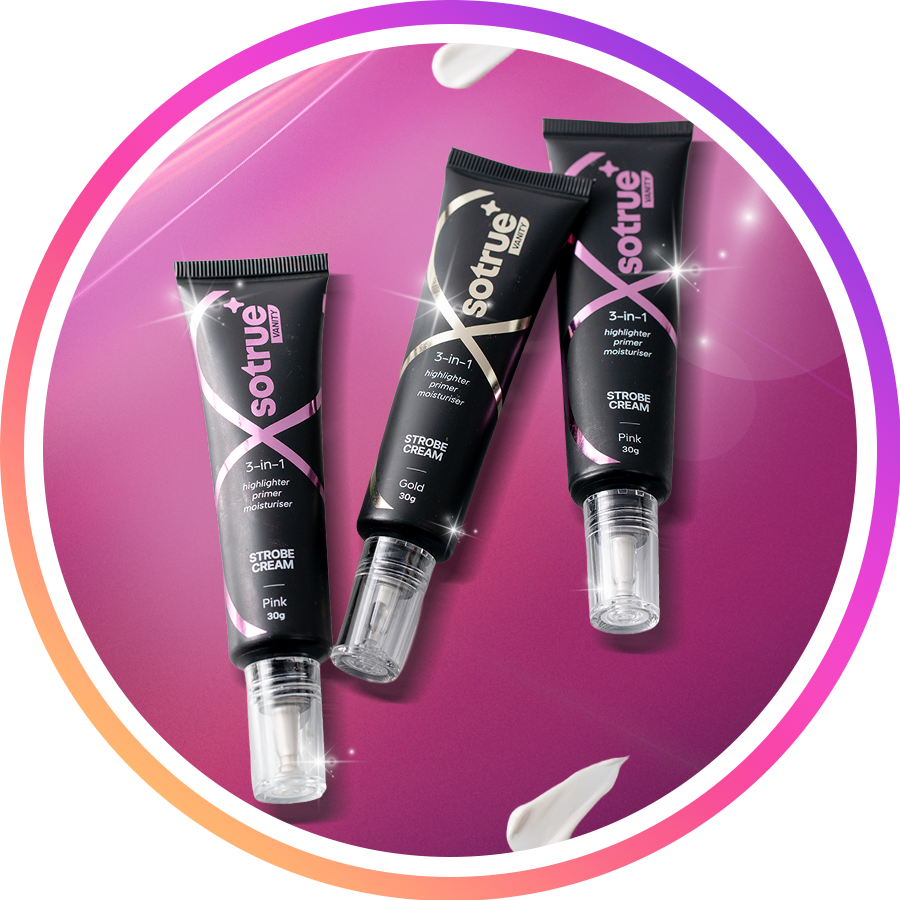
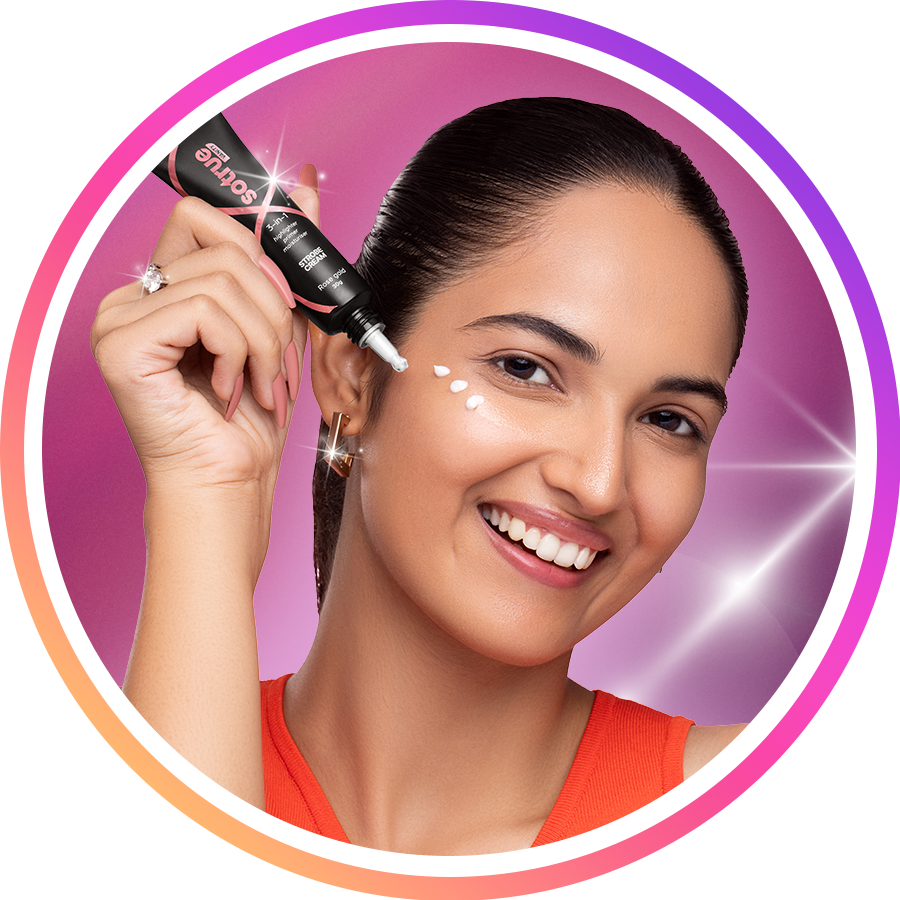
Struggling with beauty products that overlook Indian skin tones, humid climates, and everyday routines? Heavy formulas feel uncomfortable, fade by midday, irritate sensitive skin, and leave your complexion uneven or dull no matter how careful you are. Sotrue offers affordable, vegan, cruelty-free skincare, makeup and haircare thoughtfully crafted for Indian women. From reliable SPF and illuminating strobe creams to inclusive shades, every essential delivers natural radiance and genuine confidence that fits your real life. Shop Sotrue Now!
Why Inclusive Shade Ranges Matter in Modern Beauty
Beauty products are most effective when they work with the skin rather than attempting to change how the skin naturally looks. Shade inclusivity recognises that complexions vary widely, with differences in depth, undertone, texture, and how products appear after application.
For consumers with medium, tan, and deeper complexions, limited shade options can create practical challenges. A foundation or concealer that appears suitable in packaging may look different when applied because of undertone differences or oxidation. The result can be a mismatch that affects confidence and the overall makeup experience.
Research and industry discussions around Indian beauty have highlighted that many consumers continue to experience difficulties finding products that match brown skin tones accurately. Some brands and beauty experts have pointed out that conventional shade systems have often prioritised lighter complexions, leaving many users to mix products or accept shades that do not blend naturally. Challenges in brown skin shade matching have become an important part of the wider discussion around representation in beauty.
Understanding the Diversity of Indian Skin Tones
Indian skin tones represent a wide spectrum of complexions, from lighter shades to deeper tones, with many variations in warm, golden, neutral, and olive undertones. This diversity means that creating makeup shades requires more than simply increasing the number of colours available.
Effective shade development involves understanding how pigments interact with different undertones and how products perform in real-life conditions. A shade that works well for one person may not deliver the same result for another person with a similar skin depth but a different undertone.
This is why matching makeup shades to Indian undertones has become an important consideration for consumers. Instead of focusing only on shade names or appearance in a product container, buyers increasingly want products that reflect the complexity of their individual complexion.
The Shift From Shade Availability to Shade Accuracy
Inclusive beauty is not only about launching more options. The quality of those options matters. A wider shade range must also provide accurate undertone representation, comfortable formulas, and reliable performance across different users.
For foundations, concealers, and complexion products, accuracy can influence whether a product becomes part of someone's daily routine. Consumers are looking for makeup that blends seamlessly and feels designed for their skin instead of requiring adjustments, mixing, or compromise.
Industry conversations have also highlighted the importance of testing products on diverse skin tones during development. Brands that consider real consumer experiences during formulation are better positioned to create products that meet practical needs rather than simply expanding shade numbers for marketing purposes.
Examples from the Indian beauty space show growing attention towards products designed around deeper understanding of complexion diversity. Some clean beauty initiatives have focused on developing multi-shade ranges that address gaps experienced by consumers with medium, tan, and dusky complexions. Shade gaps for South Indian skin tones have become part of discussions about creating more thoughtful beauty solutions.
How Inclusive Makeup Benefits Consumers
When beauty brands create inclusive shade ranges, the impact extends beyond product selection. Representation influences how consumers connect with beauty and whether they feel recognised by the brands they choose.
- Better product confidence: Consumers can choose shades that align more closely with their natural complexion.
- A more personalised experience: Products designed around varied undertones help users create more natural-looking makeup results.
- Greater representation: Inclusive ranges communicate that different skin tones are valued and considered from the beginning of product development.
For many users, finding the right shade is not simply a purchasing decision. It can change how they approach beauty, allowing makeup to become a tool for expression rather than a process of correcting or hiding their natural appearance.
Challenges Brands Face When Building Inclusive Shade Ranges
Creating inclusive beauty products requires thoughtful research, testing, and formulation decisions. Expanding shades involves understanding pigment combinations, consumer preferences, and how products behave across different skin types.
One challenge is avoiding the assumption that a small number of additional shades automatically creates inclusivity. A meaningful range requires attention to the differences within each complexion category. For example, two consumers with similar skin depth may need different products because their undertones create different results.
Another challenge is ensuring that diversity is reflected throughout the development process. Inclusive beauty is strongest when consumer feedback, product testing, and shade evaluation involve a broad range of users rather than treating diversity as a final marketing step.
Brands also need to communicate shade information clearly. Better descriptions, visual references, and guidance around undertones can help consumers make informed choices and reduce uncertainty when selecting products online.
The Role of Inclusive Beauty in the Future of Personal Care
Consumer expectations around beauty are becoming more focused on relevance, accessibility, and authenticity. People want products that understand their everyday experiences, including their skin tone, climate, lifestyle, and personal preferences.
Inclusive shade ranges represent a broader shift in the beauty industry towards consumer-centred innovation. Instead of designing products around a narrow definition of beauty, brands are increasingly exploring how products can support a wider variety of individual needs.
This approach also creates opportunities for brands to build stronger relationships with consumers. When people see their experiences reflected in product development, they are more likely to view a brand as attentive, understanding, and connected to real beauty needs.
Building a More Inclusive Beauty Experience
The future of beauty depends on recognising that diversity is not a niche requirement. It is a fundamental part of how consumers experience products. Inclusive shade ranges help create a more welcoming industry where people can find options that respect their natural complexion.
For beauty brands, the focus should extend beyond adding shades and move towards deeper consumer understanding. This includes better research, thoughtful formulation, accurate shade representation, and communication that helps people choose products confidently.
Sotrue's focus on beauty and self-care for Indian consumers aligns naturally with conversations around accessibility and representation. By supporting awareness around diverse skin tones and inclusive beauty practices, content like this helps consumers understand why shade diversity matters and how the industry can continue moving towards more representative solutions.
Inclusive shade ranges are ultimately about creating a beauty experience where more people feel seen, understood, and supported. As the industry continues to evolve, the brands that listen to diverse consumer needs will help shape a more balanced and representative approach to beauty.
Frequently Asked Questions
Why are inclusive shade ranges important for Indian skin tones?
Inclusive shade ranges help beauty products better match the wide variety of Indian skin tones and undertones. They allow consumers to find makeup that blends naturally with their complexion instead of relying on mismatched shades or product mixing.
How can I find the right makeup shades for diverse Indian skin tones?
Finding the right makeup shade involves understanding both skin depth and undertone, such as warm, golden, neutral, or olive tones. Products with accurate shade descriptions and broader ranges make it easier to choose foundations and complexion products that suit individual needs.
What makes an inclusive beauty product range more than just having more shades?
A truly inclusive beauty range focuses on shade accuracy, undertone representation, real consumer testing, and consistent performance across different skin tones. Adding more shades alone does not create inclusivity unless those options reflect the diversity of real users.
Disclaimer: The above helpful resources content contains personal opinions and experiences. The information provided is for general knowledge and does not constitute professional advice.
You may also be interested in: Lightweight Strobe Creams Perform in Humid Indian Conditions
Struggling with beauty products that overlook Indian skin tones, humid climates, and everyday routines? Heavy formulas feel uncomfortable, fade by midday, irritate sensitive skin, and leave your complexion uneven or dull no matter how careful you are. Sotrue offers affordable, vegan, cruelty-free skincare, makeup and haircare thoughtfully crafted for Indian women. From reliable SPF and illuminating strobe creams to inclusive shades, every essential delivers natural radiance and genuine confidence that fits your real life. Shop Sotrue Now!
Powered by flareAI.co