





Shine can change the way makeup looks and feels throughout the day. Even a carefully applied foundation can appear uneven when excess oil affects texture, coverage, or wear time. Primer formulas are designed to create a smoother base before makeup application, helping products sit more evenly while addressing concerns such as visible pores, excess oil, and a fading complexion. Understanding how these formulas work can help makeup users choose products and techniques that better match their skin needs.
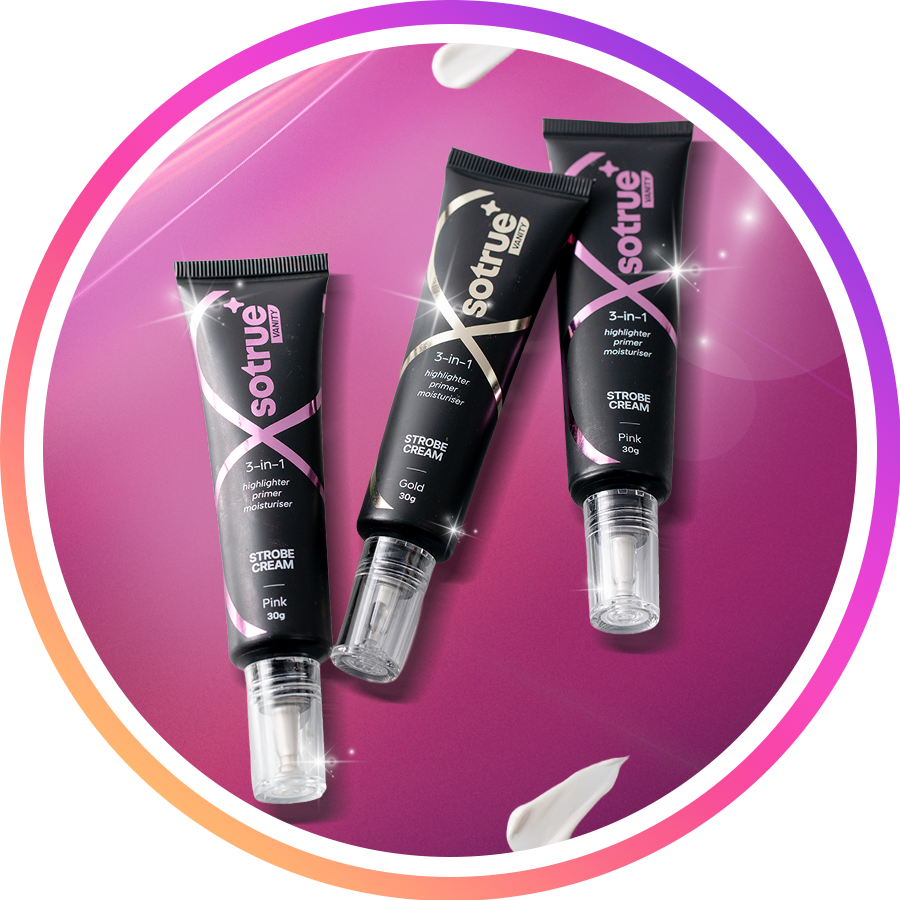
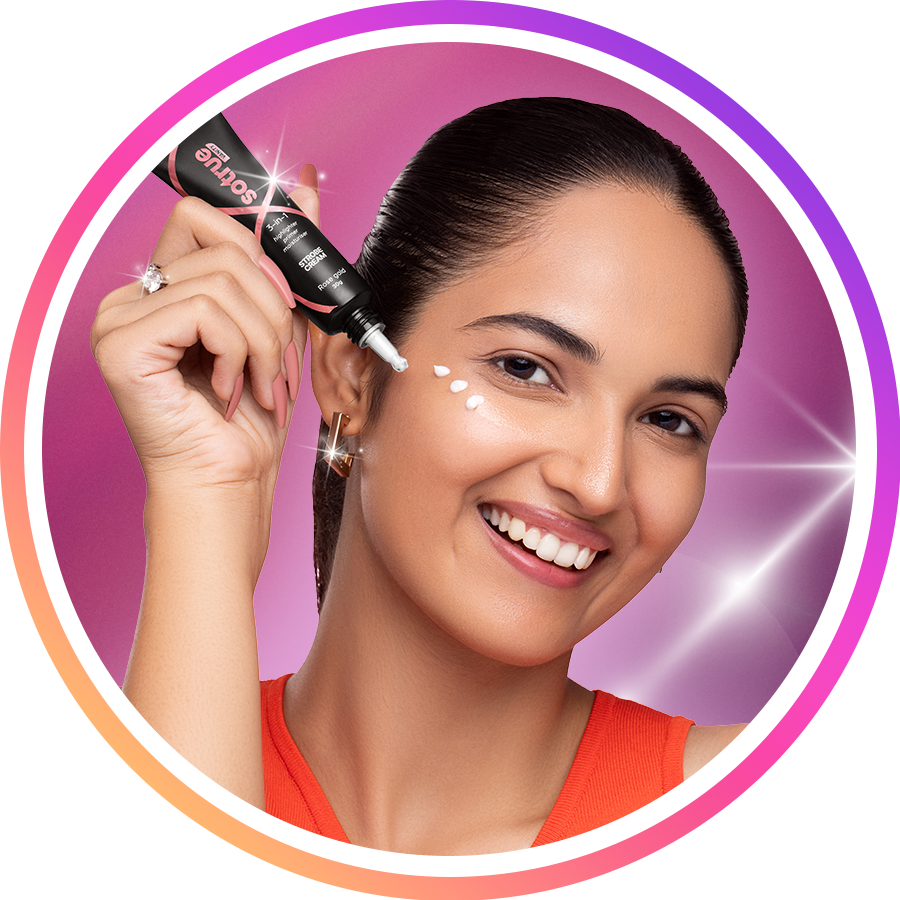
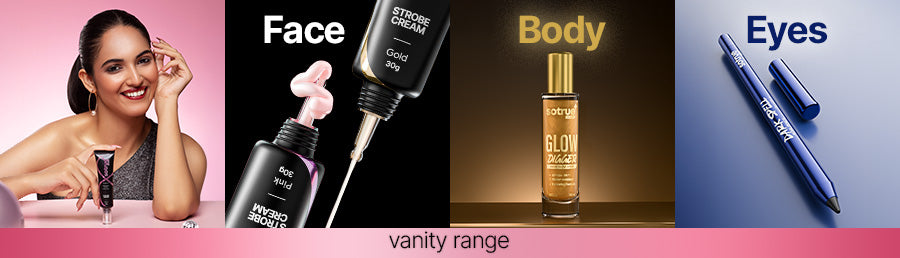
Struggling with beauty products that overlook Indian skin tones, humid climates, and everyday routines? Heavy formulas feel uncomfortable, fade by midday, irritate sensitive skin, and leave your complexion uneven or dull no matter how careful you are. Sotrue offers affordable, vegan, cruelty-free skincare, makeup and haircare thoughtfully crafted for Indian women. From reliable SPF and illuminating strobe creams to inclusive shades, every essential delivers natural radiance and genuine confidence that fits your real life. Shop Sotrue Now!
Why Shine Control Starts Before Foundation
Many makeup routines focus on foundation, concealer, and finishing products, but the preparation step often determines how long the overall look remains balanced. A primer creates a surface between skincare and makeup, helping foundation adhere more consistently instead of interacting immediately with natural skin oils.
For people who experience midday shine, the challenge is often not simply the amount of makeup applied. It is how the formula interacts with skin throughout the day. Sebum, humidity, movement, and product texture can all influence whether makeup maintains a fresh appearance or begins to separate.
A well-formulated primer can help manage this process by smoothing uneven texture, creating a more uniform canvas, and supporting longer wear. This is why interest in primer formulas for shine control continues among consumers looking for practical ways to improve their everyday makeup routine.
How Primer Formulas Help Control Shine
Primer formulas designed for oil control typically combine texture-enhancing ingredients with components that help absorb or manage surface oil. Rather than removing moisture completely, effective formulas aim to create balance so skin feels comfortable while makeup remains stable.
One common approach is the use of lightweight powders or particles that help reduce the appearance of excess shine. These ingredients can create a softer finish by limiting the visible impact of oil as it appears during wear. Other formulas use flexible polymers that help makeup stay in place by creating a smoother layer between skin and foundation.
The question of how primer helps control shine comes down to preparation and product interaction. A primer does not change the natural behavior of skin permanently, but it can influence how makeup responds to that behavior. By creating a more controlled surface, it can reduce the appearance of a greasy finish and help foundation maintain a more consistent look.
According to coverage of oil-control primers from top primers for oily skin, formulas that address shine often focus on creating a smooth base while helping makeup remain fresh for longer periods. The article highlights how different ingredients and textures are used to support oil management without creating an overly heavy feel.
The Role of Ingredients in Oil-control Primers
Ingredient choices play an important role in determining how a primer performs. Consumers often look beyond surface-level claims and want to understand why certain formulas feel lightweight, blur texture, or maintain a matte appearance.
Oil-absorbing Ingredients
Some primers use mineral powders or absorbent particles to help reduce visible shine. These ingredients can help create a softer finish by managing the appearance of oil on the skin's surface. They are especially useful for areas that tend to become shiny first, such as the forehead, nose, and chin.
Balancing Texture and Comfort
A successful oil-control primer needs to balance shine reduction with comfort. A formula that feels too dry may affect how makeup sits on the skin, while a formula that feels too rich may not provide the desired finish. Modern primer development often focuses on lightweight textures that support both smooth application and natural-looking results.
Ingredients such as niacinamide, silicones, botanical extracts, and hydration-supporting components are often discussed in relation to primer performance. Coverage from best oil-control primers explains how formulas may combine oil-absorbing particles, hydrating elements, and flexible ingredients to create a more balanced makeup base.
Choosing a Primer Based on Your Skin Needs
Finding the right face primer for oily skin requires understanding how different skin concerns affect makeup wear. Not every person experiencing shine needs the same type of formula. Some may want stronger oil management, while others may need a product that improves texture without changing the natural finish of the skin.
Those with combination skin may prefer formulas that target shine in specific areas while maintaining comfort elsewhere. Someone preparing makeup for a long day may prioritize a long lasting makeup primer that supports foundation stability. Others may focus on texture concerns, looking for primers that soften the appearance of pores or create a smoother finish.
Product selection also depends on the desired final look. A completely matte appearance may suit some routines, while others may prefer a balanced finish that controls excess shine without removing a natural glow. Understanding these differences helps consumers make more informed choices rather than relying only on general product descriptions.
Building a Routine That Supports Longer Makeup Wear
Primer works best as part of a complete preparation routine rather than as a standalone solution. The condition of the skin before makeup application influences how products perform throughout the day.
- Prepare the skin: Clean, comfortable skin provides a better base for makeup application.
- Apply skincare thoughtfully: Allow skincare products to settle before adding primer.
- Use primer strategically: Apply more product where shine typically appears and use a lighter layer elsewhere.
- Layer makeup carefully: Heavy application can affect how products wear over time.
These steps highlight an important point: controlling shine is not only about finding a single product. It is about understanding how different layers interact. A primer can support the routine by improving the relationship between skin, foundation, and finishing products.
Why Matte Finishes Are Evolving
The conversation around shine control has changed. Consumers are increasingly looking for products that provide control without making skin appear flat or uncomfortable. The goal is often a balanced complexion that looks smooth, fresh, and natural throughout the day.
This shift has influenced how brands approach mattifying primer benefits. Instead of focusing only on reducing shine, many formulas aim to improve the overall makeup experience through better texture, comfort, and wear performance.
Modern primer users are also more interested in understanding product functionality. They want to know how ingredients contribute to performance and whether a formula fits their personal routine. Educational content around primer ingredients for shine control helps consumers make choices based on their own preferences rather than following general assumptions about oily skin.
Practical Tips for Reducing Makeup Shine Throughout the Day
Even with a suitable primer, application technique influences the final result. Small adjustments can help makeup maintain a more even appearance from morning through evening.
Applying primer in a thin layer is often more effective than using too much product. Excess primer can affect how foundation blends and may create unnecessary buildup. Focusing application on areas where shine appears most frequently allows the formula to work where it is needed.
Another useful approach is choosing compatible products. A primer, foundation, and setting product should work together rather than competing with each other. Different textures and finishes may interact differently, so testing combinations can help identify a routine that provides both comfort and durability.
For consumers exploring how to reduce makeup shine throughout the day, the solution is usually a combination of preparation, suitable formulas, and thoughtful application. Primer is one part of that process, helping create the conditions for more consistent makeup wear.
Understanding Primer as a Makeup Performance Step
Primer has moved beyond being an optional addition for many makeup users. It represents a preparation step that addresses practical concerns, from uneven texture to changing oil levels during the day.
The effectiveness of a primer depends on selecting a formula that matches individual needs. Some users may benefit from stronger shine management, while others may need a lightweight product that improves smoothness and makeup adhesion. The most useful approach is to consider skin behavior, desired finish, and daily routine together.
For beauty consumers researching an oil controlling makeup primer, understanding formulation choices provides a clearer path to selecting suitable products. Rather than focusing only on immediate appearance, consumers can evaluate how a primer supports makeup performance over time.
Primer formulas demonstrate how beauty products can solve everyday challenges through thoughtful formulation and application. By helping create a smoother base, managing visible shine, and supporting longer makeup wear, primers offer a practical tool for anyone looking to maintain a more balanced complexion throughout the day.
Frequently Asked Questions
How do primer formulas help control shine throughout the day?
Primer formulas help control shine by creating a smoother base between skincare and makeup, allowing foundation to apply more evenly and stay in place longer. Many shine-control primers use oil-absorbing ingredients and lightweight textures to reduce the appearance of excess oil while maintaining skin comfort.
What is the best primer for oily skin and long-lasting makeup wear?
The best primer for oily skin depends on individual needs, including oil levels, desired finish, and makeup routine. A suitable face primer for oily skin can help manage visible shine, improve foundation stability, and create a more balanced complexion throughout the day.
What ingredients should I look for in a primer for shine control?
Primer ingredients for shine control may include oil-absorbing particles, lightweight powders, flexible polymers, and balancing ingredients that support a smoother makeup finish. Understanding how these ingredients work can help users choose a primer that matches their skin concerns and makeup goals.
Disclaimer: The above helpful resources content contains personal opinions and experiences. The information provided is for general knowledge and does not constitute professional advice.
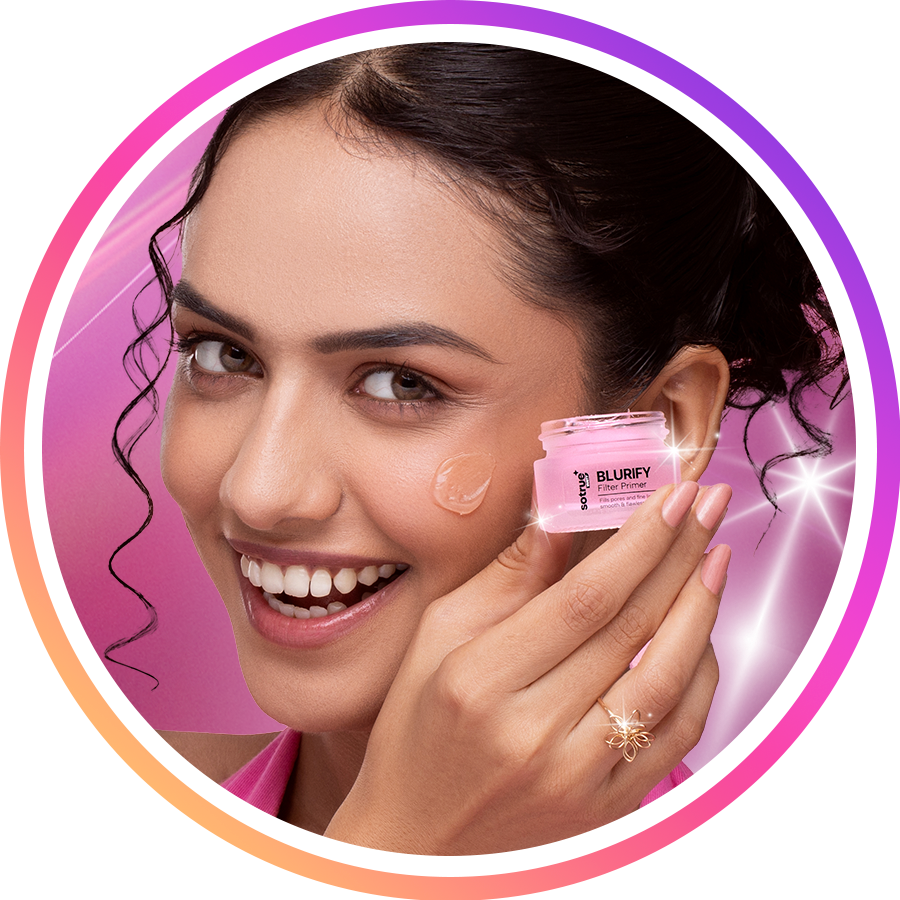
You may also be interested in: Blurify Filter Primer | Pore-minimizing & Oil Control - Sotrue
Struggling with beauty products that overlook Indian skin tones, humid climates, and everyday routines? Heavy formulas feel uncomfortable, fade by midday, irritate sensitive skin, and leave your complexion uneven or dull no matter how careful you are. Sotrue offers affordable, vegan, cruelty-free skincare, makeup and haircare thoughtfully crafted for Indian women. From reliable SPF and illuminating strobe creams to inclusive shades, every essential delivers natural radiance and genuine confidence that fits your real life. Shop Sotrue Now!
Powered by flareAI.co


