
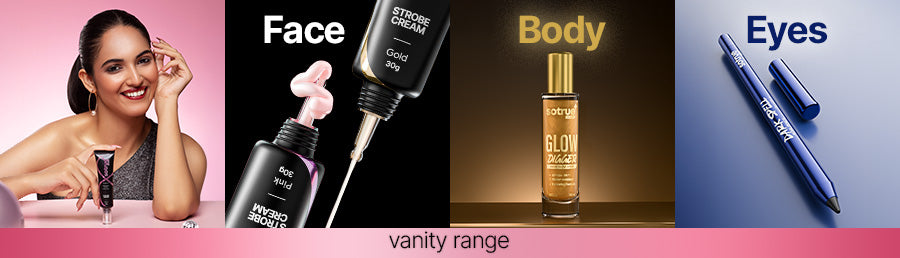

Choosing beauty products often comes down to more than shade selection or trend appeal. Texture and finish influence how a product feels, blends, wears, and interacts with individual skin characteristics. A lightweight formula may feel comfortable on one person, while a richer texture may better suit another. Understanding these differences helps consumers move beyond general recommendations and make choices based on their own skin needs. Whether someone prefers a matte look, a natural appearance, or a radiant finish, knowing how formulations behave can make the selection process more practical and personalised.
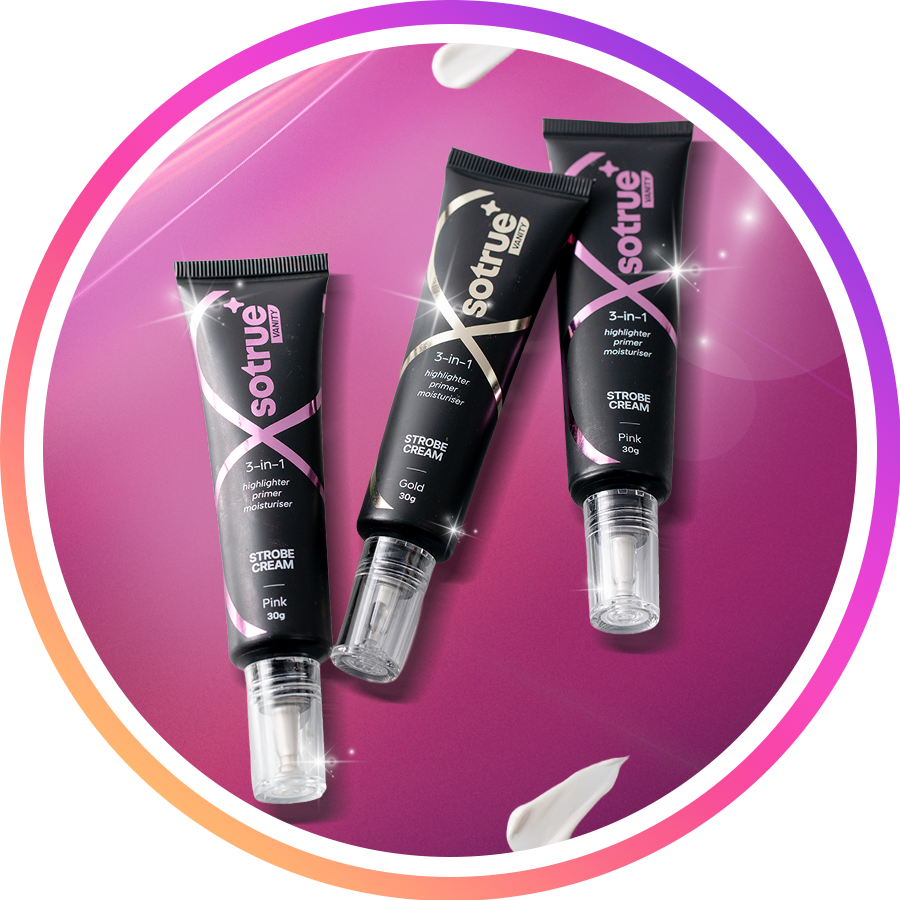
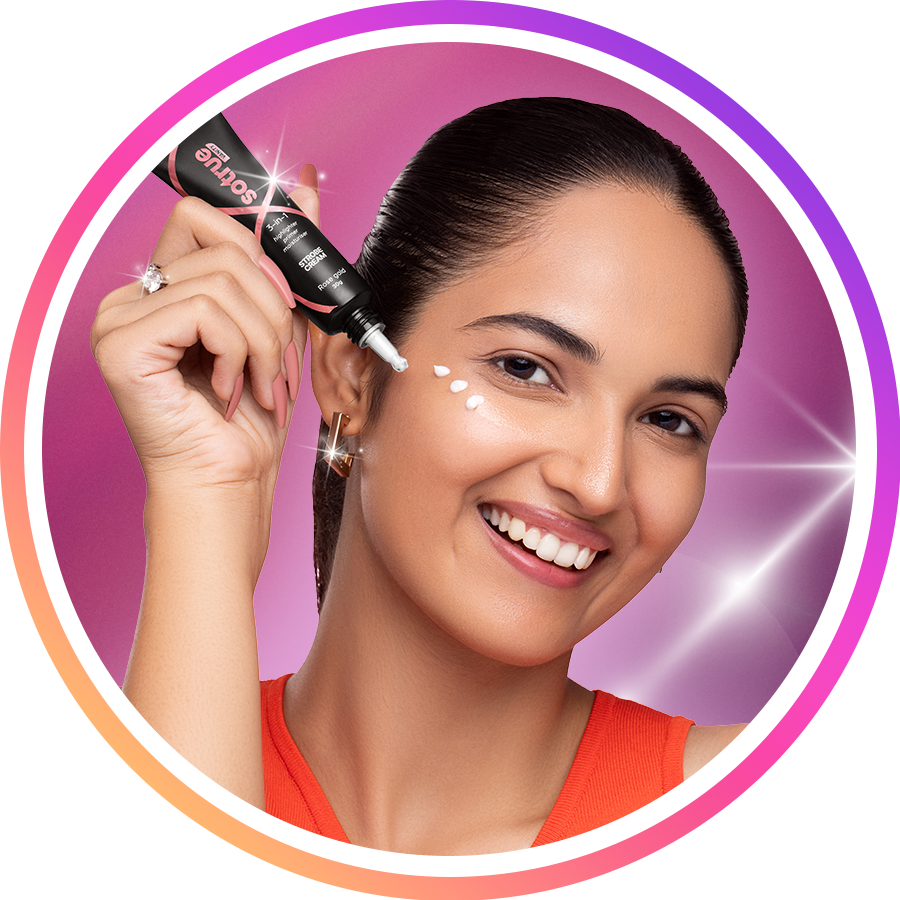
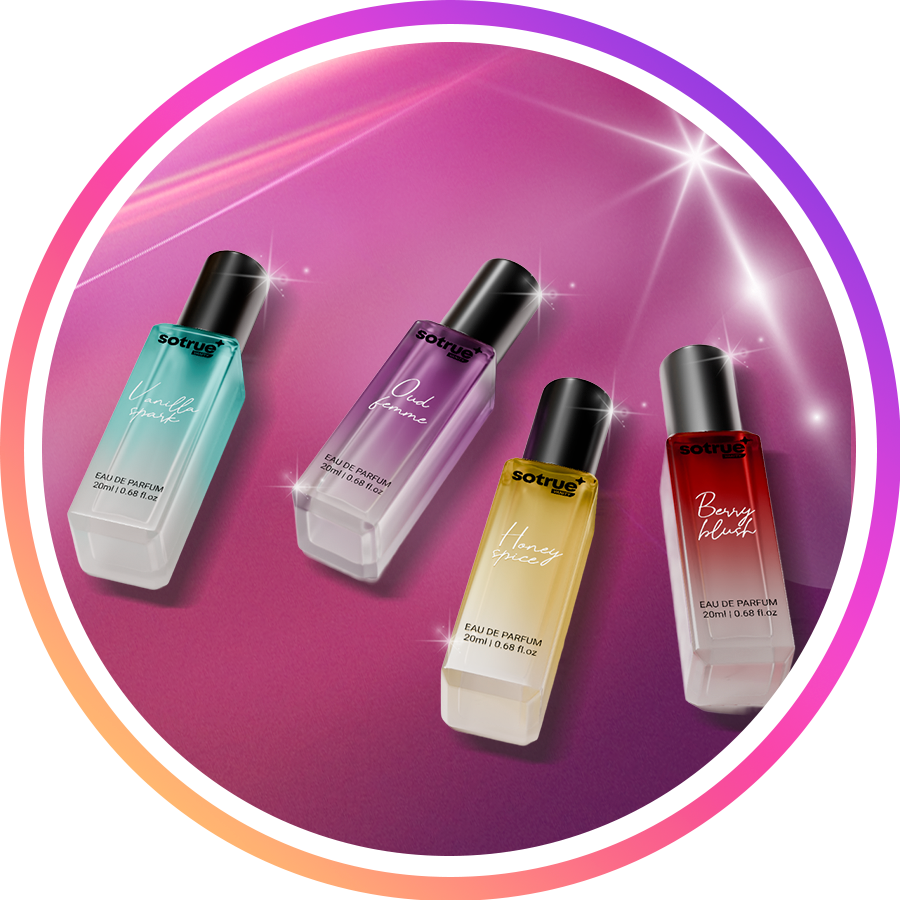
Struggling with beauty products that overlook Indian skin tones, humid climates, and everyday routines? Heavy formulas feel uncomfortable, fade by midday, irritate sensitive skin, and leave your complexion uneven or dull no matter how careful you are. Sotrue offers affordable, vegan, cruelty-free skincare, makeup and haircare thoughtfully crafted for Indian women. From reliable SPF and illuminating strobe creams to inclusive shades, every essential delivers natural radiance and genuine confidence that fits your real life. Shop Sotrue Now!
Why Texture and Finish Matter When Choosing Beauty Products
Texture describes the physical feel and consistency of a product, while finish refers to the final appearance it creates on the skin. These two elements work together to influence comfort, coverage, blending, and overall appearance.
For complexion products, a formula's texture can affect how easily it spreads and how naturally it sits on the skin. Lightweight liquids may create a more breathable feel, while creams and balms can offer a different level of richness and coverage. Similarly, finishes such as matte, satin, or dewy can change the visual effect of makeup by influencing how much light reflects from the skin.
Consumers searching for the best makeup finish for skin type often focus on appearance, but suitability also depends on daily comfort and individual skin behaviour. A finish that looks appealing in a product image may not always create the same result on every person because factors such as moisture balance, natural texture, and oil levels can affect the final outcome.
Understanding the Relationship Between Skin Type and Product Texture
Different skin types can respond differently to the same product texture. This is why choosing beauty products for your skin type requires considering both the formula and the desired result.
Textures for Oily and Combination Skin
People with oily or combination skin often look for products that feel comfortable without adding a heavy sensation. Lightweight textures and formulas designed for a less reflective appearance may be preferred because they can help create a more balanced finish.
Matte finishes are commonly associated with reducing the appearance of shine, which makes them a consideration for those who prefer a smoother, less glossy look. However, the ideal choice still depends on personal comfort and how the product interacts with the skin throughout the day. The discussion around matte vs dewy finish for skin is not about identifying one universally better option, but about understanding which visual effect and texture match an individual's preferences.
Textures for Dry Skin
Dry skin often benefits from products that provide a more comfortable, flexible feel. Cream-based or hydrating textures may appeal to consumers who want makeup to appear more natural rather than emphasising areas where the skin feels uneven.
Dewy and luminous finishes are often chosen by people seeking a fresh, radiant appearance. However, achieving this effect depends on the relationship between the product formulation and the skin's existing condition. A finish that creates radiance on one person may appear different on another depending on hydration levels and surface texture.
Textures for Sensitive Skin Considerations
For consumers with sensitive skin concerns, comfort and simplicity often become important factors when evaluating products. Texture can influence how a product feels during application, making it useful to consider whether a formula provides the desired appearance while remaining comfortable for regular use.
How Finish Changes the Appearance of Makeup
The finish of a product shapes the overall style of a makeup look. A matte finish can create a soft-focus appearance, while a dewy finish can give the skin a more luminous effect. A natural or satin finish often sits between these two options by creating a skin-like appearance.
Understanding these differences helps consumers choose products based on the result they want rather than following a single beauty trend. For example, someone looking for an everyday appearance may prefer a finish that resembles natural skin, while another person may want a more polished or radiant effect for specific occasions.
Beauty trends shared online have increased interest in different complexion styles and product finishes. However, viral beauty recommendations do not always consider individual suitability. Research and expert discussions around skincare trends highlight the importance of evaluating whether popular looks match personal skin conditions rather than adopting every trend without consideration. The importance of individual suitability is also discussed in skin trends and suitability.
This approach encourages consumers to view makeup selection as a process of understanding their own preferences, instead of simply copying a finished look seen online.
Choosing Between Matte, Dewy, Natural, and Satin Finishes
When comparing different finishes, consumers can consider how they want their skin to look and feel throughout the day.
- Matte finish: Often selected for a smooth, shine-reducing appearance. It may appeal to people who prefer a more polished look with less visible reflection.
- Dewy finish: Chosen for a radiant, fresh appearance that highlights natural-looking luminosity.
- Natural finish: Designed to create a balanced effect that resembles the look of skin rather than appearing highly matte or highly reflective.
- Satin finish: Provides a middle ground with a soft appearance that can work well for those seeking a refined but not overly flat result.
There is no single finish that works for everyone. The most suitable option depends on skin type, personal style, climate, routine, and the level of coverage or comfort someone prefers.
For consumers comparing lightweight vs creamy beauty products, the decision often comes down to how the product feels during wear. Lightweight formulas may suit those who prefer a barely-there sensation, while creamier textures may appeal to users looking for a richer application experience.
Why Personalised Beauty Choices Are Becoming More Important
Beauty consumers are increasingly looking for guidance that helps them understand why certain products work differently for different people. Rather than relying only on product popularity, many shoppers want clearer explanations about ingredients, formulation styles, textures, and finishes.
Personalised beauty decisions are built around matching product characteristics with individual needs. This means considering factors such as skin type, desired coverage, comfort level, and the final appearance someone wants to achieve.
Foundation recommendations, for example, increasingly focus on suitability rather than one universal choice. Different textures and finishes can create different results depending on factors such as oil production, hydration, and surface texture. Guidance on foundation choices reflects the importance of matching complexion products with personal skin requirements.
This shift creates an opportunity for beauty education to become more practical. When consumers understand why a product behaves in a certain way, they can make choices with greater confidence and avoid selecting products only because they are currently popular.
How Brands Can Help Consumers Make Better Product Decisions
Clear education around texture and finish can make beauty shopping easier. Consumers benefit when brands explain how different formulations are designed, what type of experience they offer, and how they may complement different preferences.
For beauty brands, communicating these differences is not only about describing a product's appearance. It is about helping customers understand the relationship between formulation and personal suitability. Educational content can support shoppers who are comparing options and trying to identify products that fit their routines.
For a brand focused on beauty and personal care, explaining concepts such as texture, finish, and skin compatibility creates a more informed customer experience. It connects naturally with consumers who want practical guidance before choosing skincare or makeup products.
Building a More Informed Approach to Beauty Selection
The best product choice is rarely determined by trends alone. Texture and finish provide useful clues about how a beauty product may perform, but personal preferences and skin characteristics remain central to the decision.
Understanding the differences between matte, dewy, natural, and satin finishes allows consumers to evaluate products more thoughtfully. Instead of asking which finish is universally better, a more useful question is which texture and finish best support an individual's needs.
As beauty choices become more personalised, learning how formulations interact with different skin types helps consumers create routines that feel comfortable and deliver the appearance they want. A better understanding of texture and finish turns product selection into a more informed and confident process.
Frequently Asked Questions
How does texture and finish affect suitability for different skin types?
Texture and finish influence how a beauty product feels, blends, and appears on different skin types. Lightweight, creamy, matte, dewy, and satin formulas can create different results depending on factors such as hydration levels, oil production, and personal preferences.
What is the best makeup finish for my skin type?
The best makeup finish depends on your skin type, desired look, and comfort level. Matte finishes may suit those who prefer a smoother, less reflective appearance, while dewy or luminous finishes may appeal to people seeking a fresh, radiant look.
How do I choose beauty products based on skin type and product texture?
Choosing beauty products for your skin type involves considering how the formula interacts with your skin and the result you want to achieve. Comparing options such as lightweight vs creamy beauty products can help you find textures that feel comfortable and complement your routine.
Disclaimer: The above helpful resources content contains personal opinions and experiences. The information provided is for general knowledge and does not constitute professional advice.
You may also be interested in: 3-in-1 Illuminating Strobe Cream | Rose Gold - Sotrue
Struggling with beauty products that overlook Indian skin tones, humid climates, and everyday routines? Heavy formulas feel uncomfortable, fade by midday, irritate sensitive skin, and leave your complexion uneven or dull no matter how careful you are. Sotrue offers affordable, vegan, cruelty-free skincare, makeup and haircare thoughtfully crafted for Indian women. From reliable SPF and illuminating strobe creams to inclusive shades, every essential delivers natural radiance and genuine confidence that fits your real life. Shop Sotrue Now!
Powered by flareAI.co