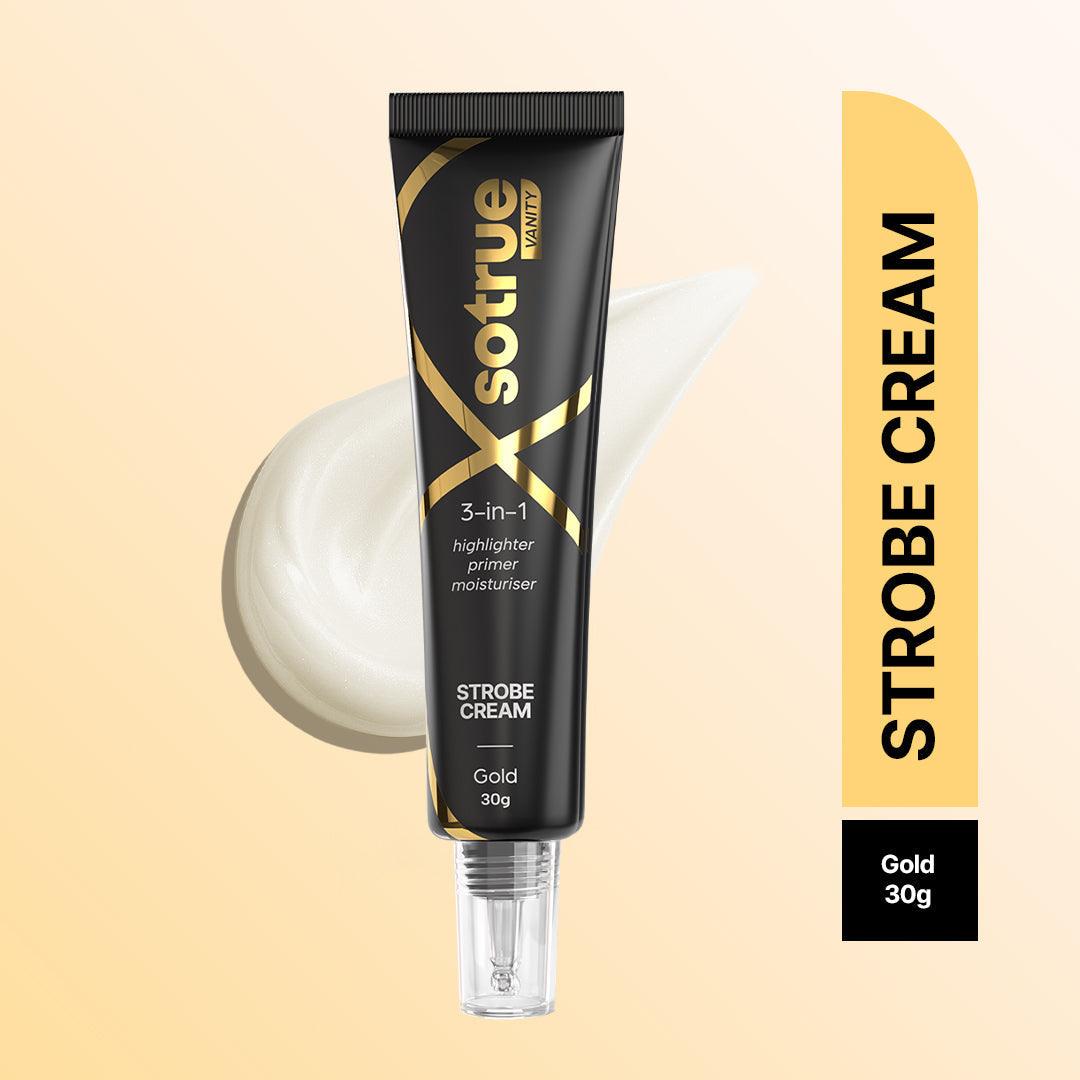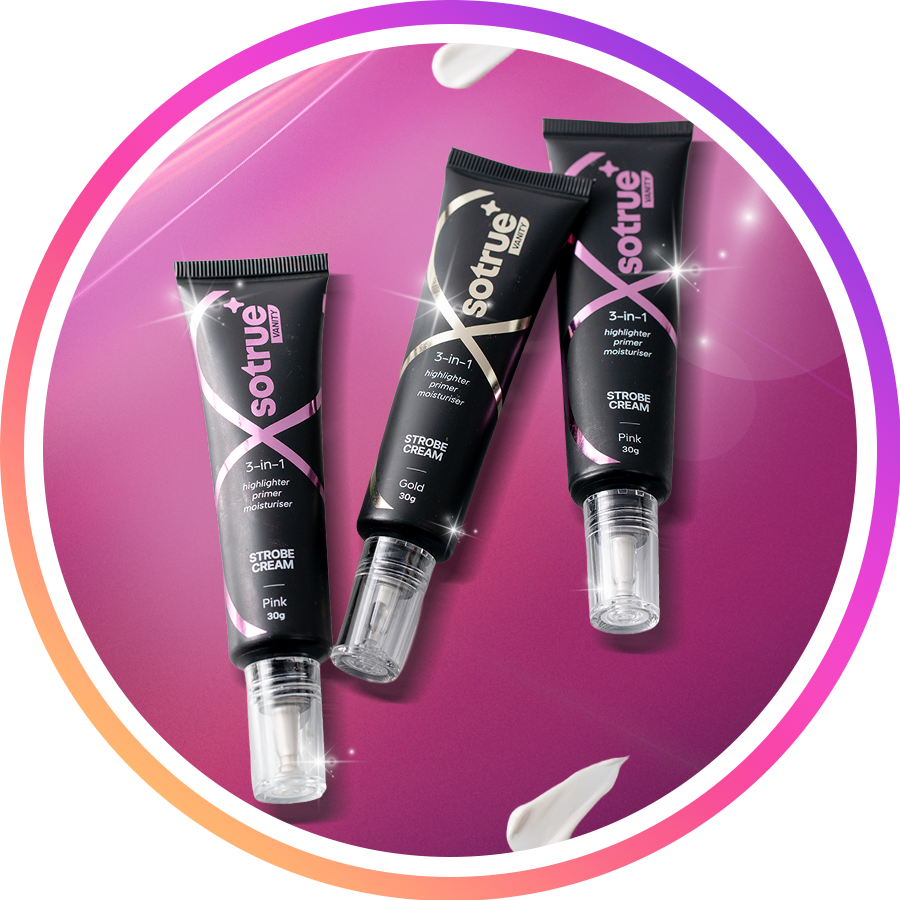
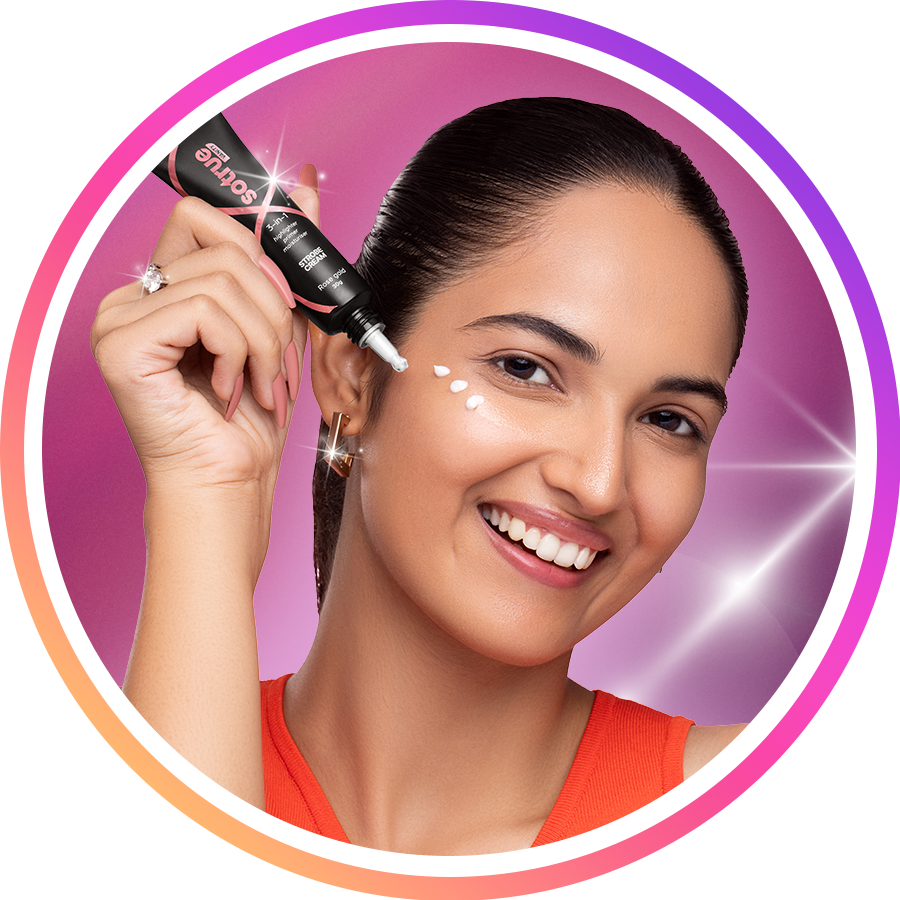




The short answer: Cleanse your face, dot a 4-in-1 skin tint across the cheeks, nose, forehead and chin, then blend outward with fingers, a brush or a damp sponge in one thin layer. Build coverage gradually with a second light layer only where you need it, rather than applying one heavy coat. Sotrue's 4-in-1 Skin Tint (light to medium coverage, SPF 30) is formulated to work this way, doubling as a primer, moisturiser and sun protection step in the same five minutes.
Table of Contents
- What Is a Skin Tint, and How Is It Different From Foundation?
- What Do You Need Before Applying Skin Tint?
- How Do You Apply Skin Tint Step by Step?
- How Do You Choose the Right Skin Tint Shade?
- Does Skin Tint Protect Against Sun Damage Too?
- Common Skin Tint Mistakes to Avoid
- Frequently Asked Questions
What Is a Skin Tint, and How Is It Different From Foundation?
A skin tint is a lightweight, sheer-to-light coverage base product designed to even out skin tone while letting your natural texture show through, rather than fully masking it the way a medium-to-full coverage foundation does. A skin tint comes bundled with multiple benefits: Sotrue's 4-in-1 Skin Tint, for instance, is built as a primer, moisturiser, foundation and SPF 30 sunscreen combined into one 35ml bottle, formulated with Collagen Peptide, an NMF (Natural Moisturising Factor) Complex and Vitamin E.
Because it is thinner than foundation, it is the base of choice for a "no-makeup-makeup" look, where the goal is even, glowing skin rather than a visibly made-up base.
What Do You Need Before Applying Skin Tint?
You do not need a long routine, that is the point of the format. At minimum: - A clean, moisturised face (skin tint blends best over slightly hydrated skin, not bone dry skin) - Fingers, a foundation brush, or a damp makeup sponge (any of the three works) - Optional: a touch of concealer only where you need extra coverage, such as under the eyes
How Do You Apply Skin Tint Step by Step?
- Cleanse your face thoroughly. Any leftover oil or sunscreen residue affects how evenly the tint sits.
- Dot the product across your face, placing small dots on the forehead, cheeks, nose and chin, similar to how you would apply a moisturiser.
- Blend with fingers, a brush or a sponge, working outward from the centre of the face toward the hairline and jaw.
- Apply one light layer first. Because it is a buildable, thin formula, resist the urge to apply a thick layer in one go.
- Build coverage gradually only where needed, such as around the nose or chin, with a second thin layer rather than reapplying all over.
- Set with a light dusting of powder only in oil-prone areas, if you want it to last longer through a humid day. This step is optional and not required for the finish to work.

How Do You Choose the Right Skin Tint Shade?
Sotrue's 4-in-1 Skin Tint comes in five shades, ranging from very fair to deep:
| Shade | Best for |
|---|---|
| Foxnut | Very fair to fair skin tones |
| Cashew | Light to light-medium skin tones |
| Almond | Medium to medium-tan skin tones |
| Walnut | Tan to dusky skin tones |
| Hazelnut | Dusky to deep skin tones |
If you are between two shades, test both along your jawline in daylight rather than under indoor lighting, and pick the one that disappears into your neck rather than sitting visibly lighter or darker on your face.
Does Skin Tint Protect Against Sun Damage Too?
Yes, if the formula carries an SPF, which Sotrue's does at SPF 30. This matters more than it might seem: a nationally representative study of sun protection practices in India, covering 1,560 participants, found that while 78.5% of respondents reported using sunscreen at least sometimes in the past year, physical protection methods like long sleeves (87.4%) and shade or an umbrella (85.3%) were still adopted more than sunscreen itself. A skin tint with SPF built in removes the "one more product to remember" barrier, since sun protection happens automatically as part of your base makeup step rather than as a separate product you have to remember to apply first.
Common Skin Tint Mistakes to Avoid
- Applying it like foundation, in one thick layer. Skin tint is designed to be sheer first, then built up; one heavy layer defeats the natural finish it is meant for.
- Skipping moisturiser first on very dry skin. A skin tint adds some hydration but is not a substitute for your regular moisturiser if your skin is on the drier side.
- Choosing a shade under artificial light. Warm indoor bulbs and cool white LED lighting both distort how a shade looks; always shade-match near a window or in daylight.
- Not blending down to the neck and jawline. A visible line at the jaw is the most common giveaway of an unblended base, whatever product you use.
Frequently Asked Questions
Can I wear skin tint alone with nothing else on my face? Yes. Since it functions as primer, moisturiser and light coverage together, a thin layer of skin tint is often enough on its own for a fast, everyday look, with concealer added only where needed.
Is skin tint suitable for oily skin? Sotrue's 4-in-1 Skin Tint is formulated to suit both oily and dry skin and is designed to be non-sticky and non-comedogenic. On oilier skin, setting the T-zone with a light powder can extend how long it lasts through the day.
How much coverage does a skin tint actually give? Sotrue's 4-in-1 Skin Tint is a light-to-medium coverage formula. It evens out tone and reduces the look of dullness or minor unevenness, but it is not designed to fully conceal deeper pigmentation or blemishes the way a full-coverage foundation would.
Does skin tint replace sunscreen entirely? A skin tint with SPF 30, like Sotrue's, provides sun protection for the areas it covers, but most dermatology guidance still recommends a dedicated, adequately applied sunscreen as your primary daily protection, particularly if you spend extended time outdoors.
Can skin tint be used to touch up makeup during the day? Yes, because it is lightweight and blends easily with fingers, a small amount can be patted on midday over existing makeup to refresh a dull-looking base without needing a full reapplication.
How do I find the right shade of skin tint? The easiest way is to test a small amount along your jawline in daylight and check how it settles after a minute, rather than matching it on the back of your hand. Since skin tint blends more sheerly than foundation, it has some flexibility, but getting the undertone right (warm, cool or neutral) matters more than getting the exact depth right, as the formula adapts slightly to your skin's own chemistry.
How is skin tint different from BB cream and foundation? Skin tint sits closest to skincare, it is the lightest of the three, with a thin, watery consistency and a natural, skin-like finish. BB cream sits in the middle, offering a bit more coverage along with added skincare benefits. Foundation is built for coverage first, with a thicker texture that can be built up to conceal more and typically lasts longer through the day. The right pick usually comes down to how much coverage you actually need on a given day.
Sources
- Sun Protection Practices in India: Preliminary Findings from a Nationally Representative Sample (PMC), sunscreen and sun-safe behaviour adoption rates among 1,560 Indian participants.
By Muskan Chhabra, NPD, Sotrue | B.Sc (Hons) Chemistry, University of Delhi. Focuses on skincare and makeup formulation for Indian skin tones and climate. Reviewed by Abhishek Jain, Formulation Expert, Sotrue.