








Sotrue 4-in-1 Skin Tint, all five shades from Foxnut to Hazelnut
The short answer: when you're between two skin tint shades, test both side by side on your jawline in daylight and pick the one that disappears into your neck, not the one that looks best in the tube. If both look close, think about the season: choose the shade that matches your skin for most of the year, since a sheer, buildable tint forgives a small difference far better than a full-coverage base does. Sotrue's 4-in-1 Skin Tint comes in five shades, Foxnut, Cashew, Almond, Walnut and Hazelnut, each mapped to a clear skin-tone range, so "between two shades" almost always means choosing between two neighbours on that ladder.
Sotrue's Five Skin Tint Shades, in Plain Terms

Sotrue 4-in-1 Skin Tint shade guide, with the skin-tone range for each shade
The 4-in-1 Skin Tint uses a simple five-step ladder, and each shade is named after a nut so it's easy to remember:
- 1.0 Foxnut, for very fair to fair skin.
- 2.0 Cashew, for light to light-medium skin.
- 3.0 Almond, for medium to medium-tan skin.
- 4.0 Walnut, for tan to dusky skin.
- 5.0 Hazelnut, for dusky to deep skin.
Notice how the ranges touch at the edges: Cashew ends at light-medium, Almond starts at medium. If your skin sits right at one of those borders, you'll naturally feel pulled between the two. A few quick checks settle it.
Why a Skin Tint Is Easier to Match Than You Think
A full-coverage base sits on top of skin like a layer of paint, so even a small mismatch can show up as a line at the jaw or a grey cast in photos. A skin tint works differently. It gives light-to-medium, buildable coverage with a dewy finish, which means a lot of your own skin still shows through.
That's good news if you're between shades. With less pigment on the face, a shade that's a touch light or a touch deep blends into your natural colour far more easily. You're looking for the closest match, not a perfect one, and one light layer of Sotrue's 4-in-1 Skin Tint leaves plenty of room for that.

Before and after: bare skin, and the same face with Sotrue 4-in-1 Skin Tint in 3.0 Almond
Do the Jawline Test, in Daylight
The back of your hand is the most common testing spot and the least reliable one. Hand skin often sits at a different tone from your face, especially if you ride a scooter or wait at bus stops in the sun.
- Go to a window. Indoor tube lights and warm bulbs both change how a shade looks. Natural daylight tells the truth.
- Swatch both shades on your jawline, side by side, one small stripe each, running from the cheek down onto the neck.
- Blend each stripe lightly with a fingertip, the way you'd wear it.
- Wait 15 to 20 minutes. Many bases look slightly different once they've settled into the skin, so give the tint time before you decide.
- Check again in daylight. The shade that seems to vanish into both your face and your neck is your match. The one that shows up as a stripe is not.
Your neck matters here. Most of us are a little lighter or deeper on the face than the neck, and a tint that matches the neck never leaves a visible line at the jaw.
Your Shade Can Shift With the Seasons
Many Indian women find they're one shade in the monsoon and winter and closer to the next shade by the end of a long summer. A Tier 2 city afternoon, a beach holiday or weeks of outdoor commuting can all leave a tan that fades again over the following months.
So when you're torn, ask which shade matches you for most of the year. If your face is tanned right now but usually isn't, the lighter shade will serve you longer, and you can build it slightly in summer. If you're outdoors a lot all year round, the deeper shade may be your real everyday match.
A tan is also a sign that the sun is reaching your skin. The American Academy of Dermatology states that there is no safe way to tan, and advises reapplying sunscreen roughly every two hours when you're outdoors. The 4-in-1 Skin Tint carries SPF 30 as one of its four functions, which is a helpful base layer of protection on an ordinary day.
Going Lighter or Deeper: How to Break the Tie
If the jawline test still leaves you stuck between two neighbours, say Cashew and Almond, these pointers help:

Sotrue 4-in-1 Skin Tint in 2.0 Cashew, with swatch

Sotrue 4-in-1 Skin Tint in 3.0 Almond, the next shade up the ladder
Pick the lighter shade if:
- Your current tan is temporary, and your skin is usually closer to the lighter range.
- You like to build coverage in a few spots, since a second thin layer adds a little more depth.
- The deeper shade looks muddy or orange on your jawline in daylight.
Pick the deeper shade if:
- The lighter shade looks ashy or greyish once blended, which often happens when a base is too light.
- Your neck is deeper than your face, so the deeper shade blends down without a line.
- You're outdoors most days and your skin stays at the deeper end all year.
Whichever you choose, apply one light layer first. With a sheer tint, the right amount of product matters almost as much as the shade itself.
Mixing Two Shades for a Custom Match
If you already own two neighbouring shades, you can mix them. Blend a small amount of each on the back of your hand, then apply. Use more of the lighter one in the winter months and more of the deeper one after a summer tan, and you have a match that moves with your skin through the year.
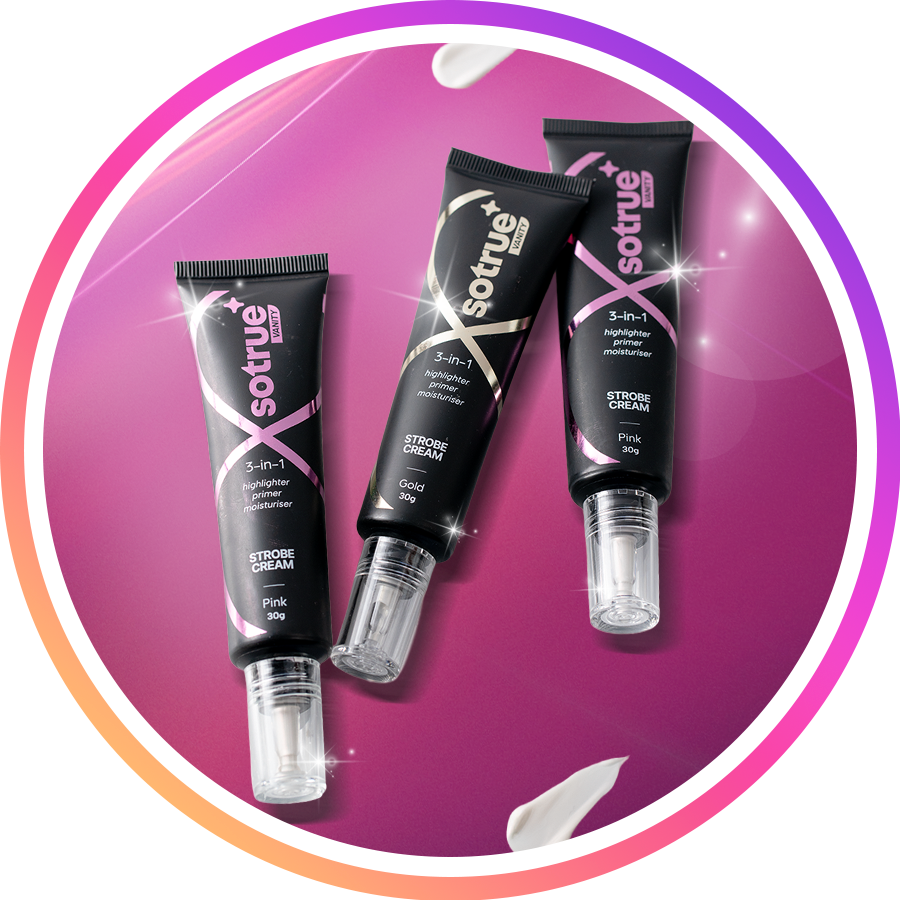
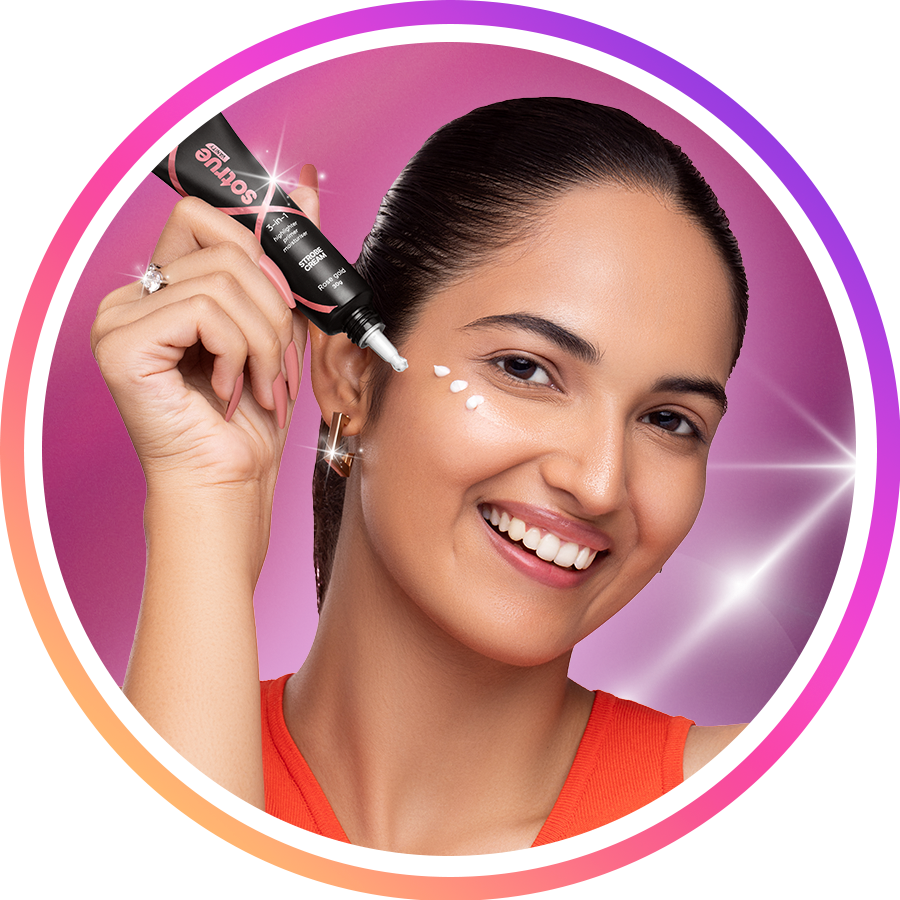
For a glow on top, mix a drop of strobe cream into the tint. Sotrue's 3-in-1 Illuminating Strobe Cream is priced at ₹289 (MRP ₹349, roughly 17% off) for a 30g tube, and adds a dewy, lit-from-within finish without changing your shade match.

Sotrue's pro tip: mix a drop of strobe cream into the skin tint for extra glow
Where Sotrue's 4-in-1 Skin Tint Fits In
Sotrue's 4-in-1 Skin Tint is priced at ₹449 (MRP ₹499, roughly 10% off) for a 35ml tube. It combines a primer, moisturiser, tint and SPF 30 in one step, with light-to-medium, buildable coverage and a dewy finish. It's enriched with Collagen Peptide, NMF Complex and Vitamin E, and it's non-comedogenic and gentle on sensitive skin, suiting oily to dry skin types.
That light, skin-like coverage is exactly what makes it forgiving when you're between shades. Dot it across your face, blend with fingers, a brush or a sponge, and build slowly in thin layers only where you want more evenness.
If you'd like a complete everyday look, two combos pair it with other Sotrue favourites:
- Go-to Glow Combo, the Skin Tint with a 3-in-1 Illuminating Strobe Cream, priced at ₹649 (MRP ₹848, roughly 23% off).
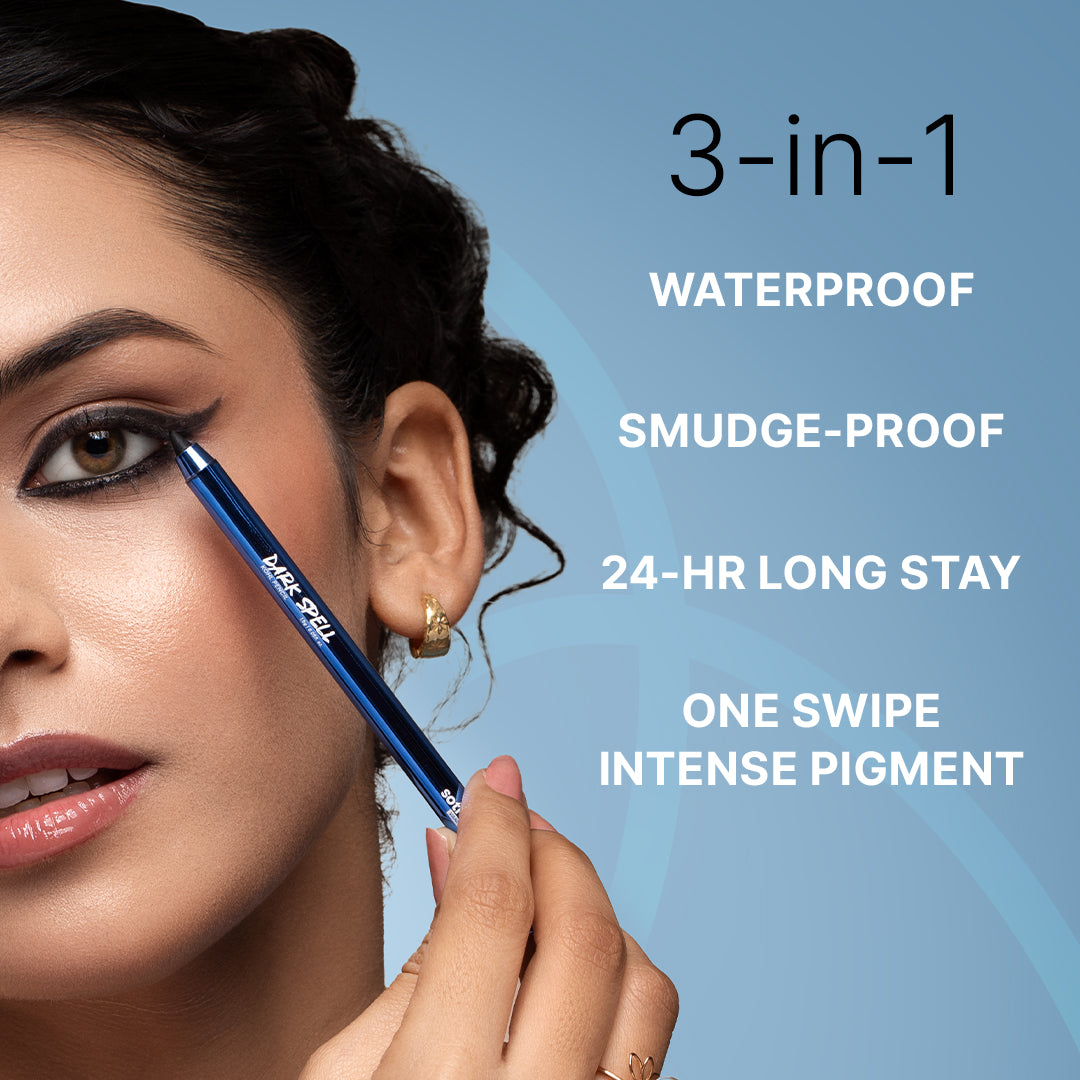
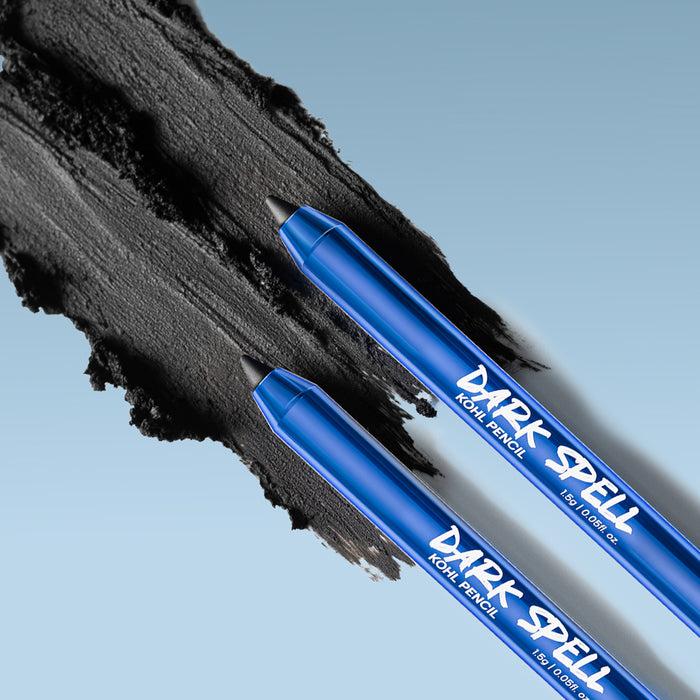
- Tint & Define Combo, the Skin Tint with the Dark Spell Kohl Kajal Pencil, priced at ₹649 (MRP ₹848, roughly 23% off), for an even base and defined eyes in two steps.
Frequently Asked Questions
Should I go lighter or darker if I'm between two skin tint shades?
Choose the shade that matches your skin for most of the year. Go lighter if your current tan is temporary, and deeper if the lighter shade looks ashy on your jawline in daylight.
How many shades does Sotrue's skin tint come in?
Five: 1.0 Foxnut (very fair to fair), 2.0 Cashew (light to light-medium), 3.0 Almond (medium to medium-tan), 4.0 Walnut (tan to dusky) and 5.0 Hazelnut (dusky to deep).
What is the price of Sotrue's 4-in-1 Skin Tint?
It's priced at ₹449 (MRP ₹499, roughly 10% off) for a 35ml tube.
Where should I test a skin tint shade?
On your jawline, running down onto your neck, in natural daylight. Hand skin is often a different tone from your face, so it's not a reliable guide.
Can I mix two skin tint shades together?
Yes. If you own two neighbouring shades, mixing them lets you adjust your match as your skin gets lighter or deeper through the seasons.
Does a small shade mismatch show with a skin tint?
Much less than with a full-coverage base. A skin tint's light, buildable coverage lets your own skin show through, so a shade that's slightly off usually blends in once applied in a thin layer.
Sources
- American Academy of Dermatology, "Sunscreen FAQs", on there being no safe way to tan and on reapplying sunscreen approximately every two hours outdoors.
By Muskan Chhabra
NPD, Sotrue | B.Sc (Hons) Chemistry, University of Delhi. Focuses on skincare & makeup formulation for Indian skin tones and climate.
Reviewed by Abhishek Jain, Formulation Expert, Sotrue | B.Tech & M.Tech Biotechnology, IIT Delhi. 16 years' experience across cream, powder, and liquid formats.