





Choosing beauty products that work with the weather rather than against it can make a noticeable difference in how skin feels and looks throughout the year. Seasonal shifts bring changes in temperature, humidity, and environmental stress that affect the skin barrier, product texture preference, and overall comfort. Understanding these patterns helps build a more responsive routine that supports balance instead of fighting dryness, excess oil, or sensitivity as conditions change.
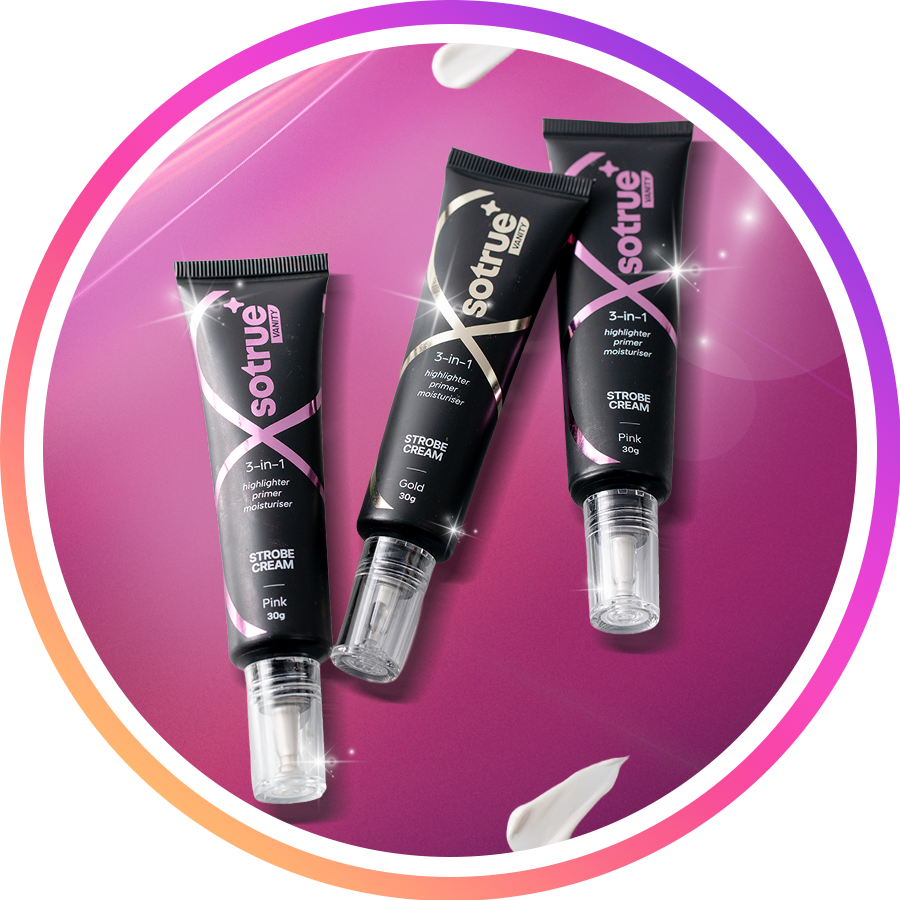
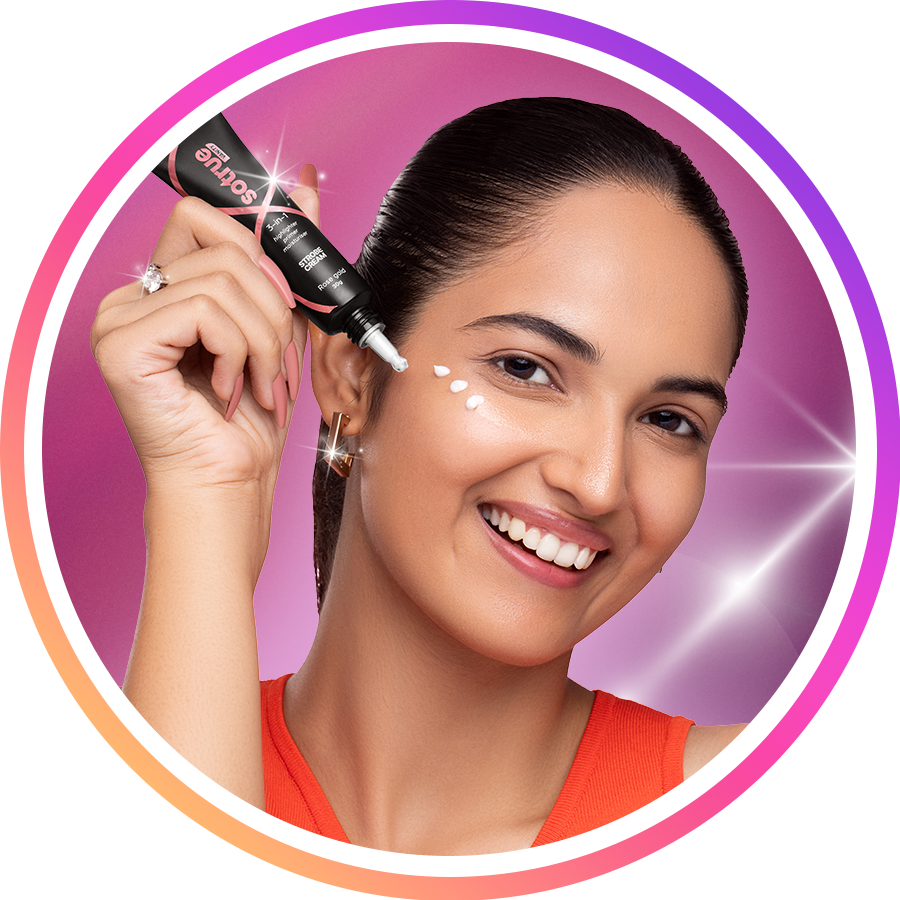
Struggling with beauty products that overlook Indian skin tones, humid climates, and everyday routines? Heavy formulas feel uncomfortable, fade by midday, irritate sensitive skin, and leave your complexion uneven or dull no matter how careful you are. Sotrue offers affordable, vegan, cruelty-free skincare, makeup and haircare thoughtfully crafted for Indian women. From reliable SPF and illuminating strobe creams to inclusive shades, every essential delivers natural radiance and genuine confidence that fits your real life. Shop Sotrue Now!
Recognising How Weather Affects Skin Behaviour
Skin responds directly to its surroundings. When humidity drops and indoor heating rises, the outer layer loses moisture more readily. In warmer months, higher temperatures and pollution can increase oil production and congestion. Sudden transitions between heat, rain, and cooler air place repeated stress on the barrier, which can show up as tightness, dullness, or uneven texture.
India's dramatic weather shifts involve climate swings from scorching summers to humid monsoons and sudden cold winters, placing immense pressure on the skin barrier and leading to dehydration, breakouts, uneven tone, and heightened sensitivity. Dermatologists stress that a tailored skincare routine is essential to stay balanced year-round. Starting with a gentle, pH-balanced cleanser prevents stripping natural oils while removing impurities. Hydration must adjust with the season light, water-based formulas in hot, humid months to avoid clogged pores, and richer creams with occlusives like ceramides and hyaluronic acid in dry winters to lock in moisture.
Sunscreen remains non-negotiable throughout, as UV exposure stays high even on cloudy days, protecting against pigmentation, inflammation, and premature ageing. Antioxidants such as vitamin C, E, and ferulic acid neutralise pollution and environmental stress, while mild exfoliation once or twice a week smooths congestion without over-irritating dry or sensitive skin. During heatwaves, cooling mists and soothing gels calm redness. These practical adjustments strengthen the barrier, reduce breakouts, and maintain a healthy, youthful glow no matter how unpredictable the weather becomes.
Paying attention to how skin feels after cleansing or at the end of the day offers practical clues. Tightness usually signals the need for richer moisture support, while persistent shine or clogged pores may call for lighter textures and gentle clarification. These everyday observations form a more reliable guide than rigid product lists.
Building a Summer Skincare Approach
Hotter months increase the demand for lightweight hydration and reliable sun protection. Heavier creams that felt comfortable in cooler weather can sit on the surface and contribute to congestion when temperatures rise. Switching to water-based or gel formulas allows moisture to reach the skin without adding excess weight.
A gentle cleanser remains important. Formulas that maintain a balanced pH help remove sweat, sunscreen, and daily residue while leaving natural oils intact. Over-cleansing or using harsh surfactants can strip the barrier and trigger more oil production as the skin tries to compensate.
Antioxidants play a useful role during periods of higher UV exposure and pollution. Ingredients such as vitamin C or vitamin E help neutralise environmental stress that can contribute to dullness and uneven tone. Pairing these with consistent sunscreen use forms a practical defence that supports long-term clarity.
Texture preference often shifts toward lighter layers in summer. Serums that deliver hydration without a heavy finish, followed by a fluid moisturiser, tend to feel more comfortable. Cooling mists or gel-based products can offer additional relief on particularly warm days without disrupting the rest of the routine.
Navigating Humidity and Moisture Balance
High humidity changes how products perform on the skin. Formulas that absorb slowly may leave a sticky residue, while those designed for drier conditions can feel insufficient if the barrier is already compromised. The goal becomes supporting moisture levels without encouraging congestion.
Lightweight hydrating ingredients such as glycerin or hyaluronic acid help attract and hold water in the upper layers. These work well when paired with a gentle cleanser that does not remove every trace of natural oil. Mild exfoliation once or twice a week can help keep pores clear, provided the chosen method remains non-abrasive and is followed by adequate hydration.
Protective measures stay relevant even when the sky is overcast. UV exposure continues, and environmental particles can settle on the skin throughout the day. A broad-spectrum sunscreen that feels comfortable in humid conditions encourages consistent use. Antioxidant support further helps the skin manage the combined effects of heat, moisture, and external stressors.
Observing how skin reacts after several days of a lighter routine provides useful feedback. If tightness appears despite humidity, a slightly richer moisturiser in the evening may restore comfort. If breakouts increase, simplifying the number of layers and focusing on barrier support often proves more effective than adding more active ingredients.
Supporting Skin Through Cooler, Drier Periods
When temperatures fall and humidity declines, the skin barrier faces a different set of challenges. Moisture evaporates more readily, and the protective lipid layer can become compromised. This often shows as tightness, flakiness, or a dull appearance even when the same cleansing habits remain in place.
Indian skin needs a winter reset because low humidity, cold winds, and indoor heating dramatically weaken the skin barrier, causing dryness, tightness, and dullness despite its natural resilience. Studies show Indian skin has lower natural moisturising factors and higher transepidermal water loss, making it more vulnerable than in other climates. The outermost layer, the stratum corneum, acts as the primary shield, yet rapid changes strip its protective oils. Barrier repair begins with a gentle cleanser containing amino acids or lactic acid that cleans without stripping, followed by a hydrating serum rich in humectants like hyaluronic acid and glycerin that draw and hold moisture.
A ceramide-infused moisturiser with panthenol then seals the lipid barrier, restoring plumpness and preventing flakiness. Niacinamide helps regulate melanin transfer and brighten uneven tone caused by winter sun exposure combined with indoor heating. Staying internally hydrated through water intake supports the skin from within. This customised approach restores moisture retention, reduces sensitivity, and prevents long-term issues like pigmentation, ensuring skin feels soft, balanced, and protected through the harshest months.
A gentle cleanser containing amino acids or mild lactic acid can clean without stripping essential oils. Following this with a hydrating serum rich in humectants such as hyaluronic acid and glycerin helps draw moisture into the skin. Sealing that moisture with a ceramide-infused moisturiser that also contains panthenol restores the lipid barrier and improves comfort.
Niacinamide offers additional support by helping regulate melanin transfer and improve the appearance of uneven tone that can develop from combined winter sun exposure and indoor heating. Consistent interna l hydration through regular water intake complements the topical approach and supports overall barrier function.
Richer textures become more appropriate as the weather cools. Creams that form a light protective film help reduce moisture loss overnight. Introducing these changes gradually allows the skin to adjust without sudden disruption.
Adjusting Makeup Choices with the Seasons
Makeup performance is closely tied to the condition of the skin beneath it and the surrounding environment. In warmer, more humid conditions, long-wear or oil-controlling formulas often provide a more reliable finish. Powder products or lighter foundations tend to sit better when the skin produces more oil.
During drier months, creamier textures and hydrating primers can prevent makeup from emphasising dry patches or settling into fine lines. A well-moisturised base remains the most effective foundation for any makeup application, regardless of the season.
Setting techniques may also shift. A light mist or cream-based setting product can feel more comfortable when the air is dry, while a finely milled powder often works better when humidity is high. Choosing products that complement the current skincare routine reduces the chance of pilling or uneven wear.
Colour choices and coverage preferences can change with the seasons as well. Softer, more luminous finishes often suit cooler months when skin may look duller, while matte or semi-matte options can feel fresher in heat. The most practical approach remains observing how products wear throughout a typical day and adjusting one element at a time.
Creating a Flexible Year-round Framework
Rather than maintaining completely separate routines, many people benefit from a core set of products that can be adapted. A gentle cleanser, a reliable hydrating serum, a moisturiser that can be layered or used alone, and consistent sunscreen form a stable base. Seasonal adjustments then focus on texture weight, the addition of occlusive ingredients in drier periods, or the inclusion of antioxidants and lighter gels when temperatures rise.
Listening to the skin remains more useful than following a fixed calendar. A sudden heatwave in an otherwise mild season may call for temporary lighter layers, while an unexpected cold spell can justify richer overnight care. Keeping a small selection of complementary products allows these shifts without requiring a full overhaul.
Ingredient awareness supports better decisions. Ceramides and fatty acids help reinforce the barrier when moisture loss increases. Humectants attract water when the air is dry. Antioxidants and niacinamide offer support against environmental stress that persists across seasons. Understanding the role of each category makes it easier to evaluate new products and decide whether they fill a genuine gap.
Consistency in sun protection and gentle cleansing provides the foundation that allows other adjustments to work more effectively. When these elements remain steady, changes in moisturiser weight or serum choice produce clearer results and fewer unexpected reactions.
Practical Steps for Ongoing Product Selection
When evaluating a new product, consider the current weather patterns and how the skin has been responding in recent weeks. A formula marketed for intense hydration may feel excessive if humidity is already high. Conversely, a lightweight gel may leave skin feeling tight if indoor heating is in constant use.
Patch testing remains worthwhile, especially when introducing active ingredients or richer textures. Applying a small amount to a discreet area for several days reveals how the skin responds before the product becomes part of the full routine.
Frequently Asked Questions
How should I choose beauty products for different seasons?
Choosing beauty products for different seasons involves adjusting your skincare and makeup routine based on changes in weather, humidity, and skin needs. Lightweight products work well for warmer months, while richer moisturizers and hydrating formulas can help protect skin during colder seasons.
What skincare products are best for seasonal skin changes?
The best skincare products for seasonal changes depend on how your skin reacts to temperature and environmental conditions. Look for hydrating ingredients in winter, oil-balancing formulas in summer, and products that support your skin barrier throughout the year.
How can I adjust my beauty routine from summer to winter?
Adjusting your beauty routine from summer to winter may require switching to more nourishing skincare products and makeup formulas that prevent dryness. Seasonal beauty routines should focus on protecting the skin, maintaining hydration, and choosing products suited to changing climate conditions.
Disclaimer: The above helpful resources content contains personal opinions and experiences. The information provided is for general knowledge and does not constitute professional advice.
You may also be interested in: Radiant Skin Routines Adapted for Indian Consumers
Struggling with beauty products that overlook Indian skin tones, humid climates, and everyday routines? Heavy formulas feel uncomfortable, fade by midday, irritate sensitive skin, and leave your complexion uneven or dull no matter how careful you are. Sotrue offers affordable, vegan, cruelty-free skincare, makeup and haircare thoughtfully crafted for Indian women. From reliable SPF and illuminating strobe creams to inclusive shades, every essential delivers natural radiance and genuine confidence that fits your real life. Shop Sotrue Now!
Powered by flareAI.co