

In the bustling beauty routines of today, achieving a flawless makeup base often comes down to the right preparatory products. For many in India, where humidity, pollution, and varying skin tones play a significant role in daily makeup application, understanding the nuances between strobe cream and primer can transform your look from good to radiant. These two products serve overlapping yet distinct purposes, helping you decide based on your skin needs, desired finish, and lifestyle.
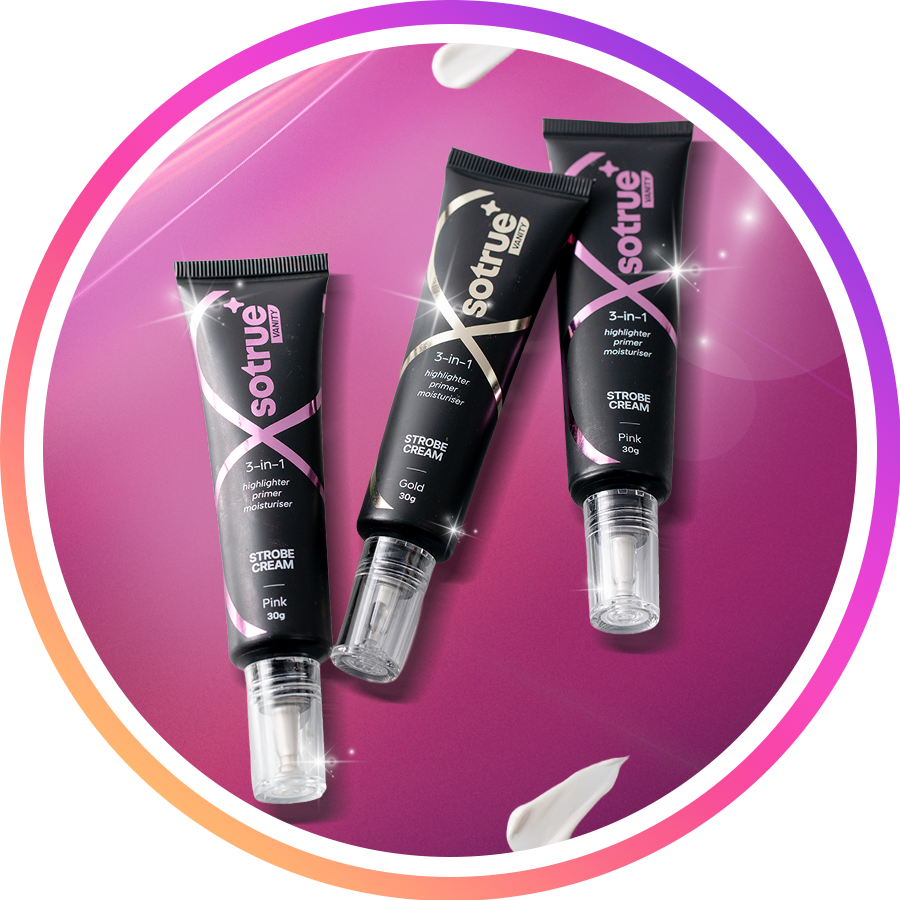
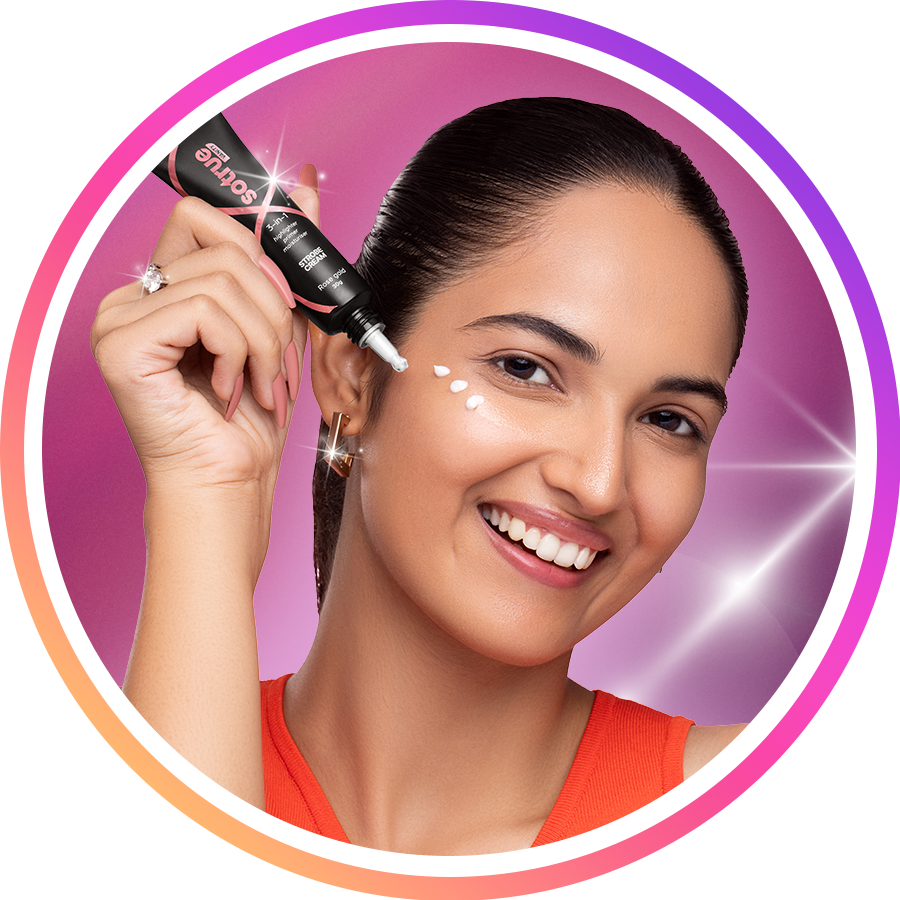
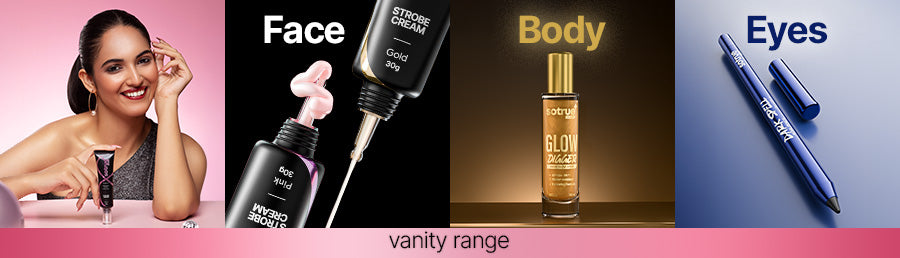
Struggling with beauty products that overlook Indian skin tones, humid climates, and everyday routines? Heavy formulas feel uncomfortable, fade by midday, irritate sensitive skin, and leave your complexion uneven or dull no matter how careful you are. Sotrue offers affordable, vegan, cruelty-free skincare, makeup and haircare thoughtfully crafted for Indian women. From reliable SPF and illuminating strobe creams to inclusive shades, every essential delivers natural radiance and genuine confidence that fits your real life. Shop Sotrue Now!
What Is a Primer and Its Role in Makeup
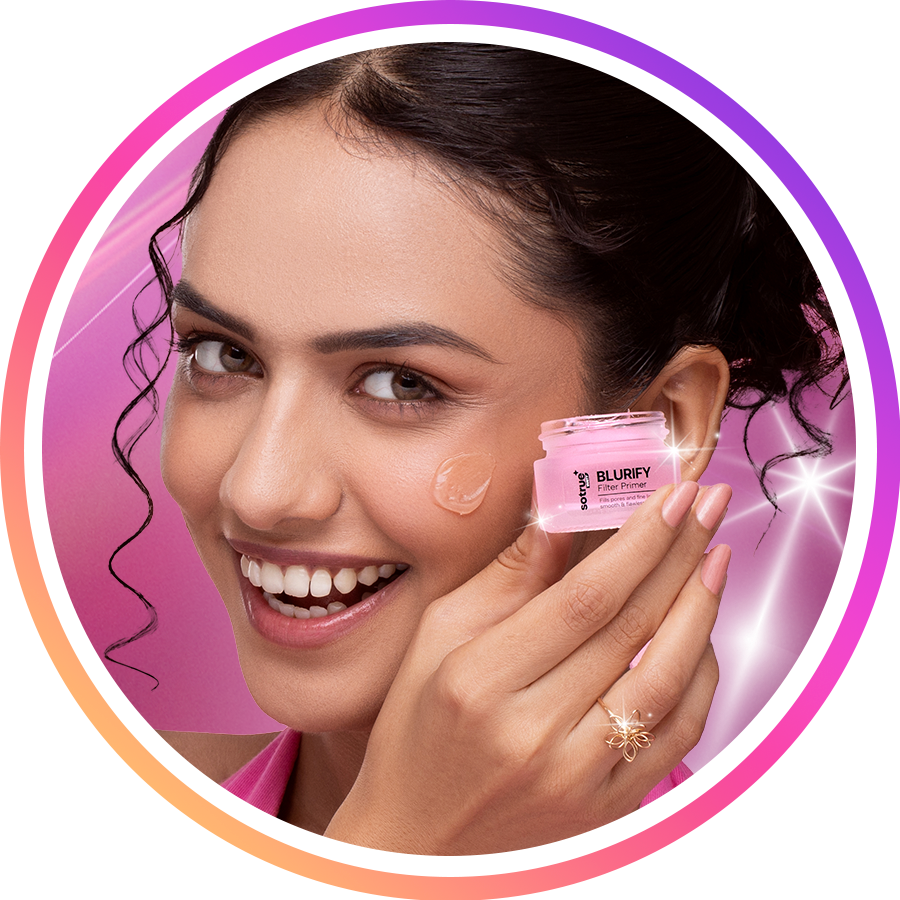
Primers act as the essential foundation for your makeup routine. They prep the skin by smoothing out texture, minimising the appearance of pores, and controlling shine to create a better canvas for foundation and other products. This step ensures your makeup glides on evenly and lasts longer throughout the day.
Different primers address specific concerns. Hydrating formulas enriched with ingredients like hyaluronic acid work well for dry or mature skin, while mattifying options help manage excess oil common in humid climates. Illuminating primers add a subtle glow, bridging the gap for those seeking both smoothness and radiance.
The latest insights on role of primers in achieving radiant makeup highlight that primers serve as a foundational step in makeup application, prepping the skin by smoothing texture, minimizing the appearance of pores, controlling shine, and creating better adhesion for subsequent products like foundation. Different types cater to specific concerns: hydrating formulas with ingredients like hyaluronic acid suit dry or aging skin, mattifying options tackle excess oil, and illuminating variants incorporate light-reflecting particles for an immediate glow. While primers focus on optimization and longevity helping makeup glide evenly, last longer, and look more polished strobe creams emphasize illumination and skincare-like hydration in addition to priming effects. For someone deciding between the two, skin type and desired outcome guide the choice: combination or oily skin benefits from a dedicated primer to manage shine before adding glow via strobe on select areas, whereas dry skin might thrive with a strobe cream's nourishing, radiant properties as the primary base.
Understanding Strobe Cream and Its Benefits
Strobe creams have gained popularity as multifunctional products that combine hydration with illuminating effects. These creams use light-reflecting particles to impart a natural, glowing-from-within finish, helping counteract dullness caused by daily environmental stressors or fatigue.
Brands like MAC have expanded their strobe cream offerings with shades suitable for diverse skin tones, making them versatile for all-over application or targeted highlighting on cheekbones and the bridge of the nose. Unlike traditional highlighters, strobe creams deliver a subtle luminosity that looks fresh rather than glittery, aligning perfectly with no-makeup makeup trends.
As detailed in MAC Strobe Cream innovation, the popularity of illuminating moisturizers like strobe creams highlights a broader shift in beauty toward products that hydrate and enhance skin's natural light reflection simultaneously. These creams use iridescent pearl particles to create a glowing-from-within effect that complements various skin tones, making them ideal for countering dullness caused by environmental factors, seasonal changes, or fatigue. Applied across the entire face or strategically on high points such as cheekbones and the bridge of the nose, they provide subtle luminosity that elevates any look without appearing glittery. This positions strobe creams as a hybrid option that goes beyond basic priming by combining skincare nourishment with makeup benefits.
Key Differences Between Strobe Cream and Primer
While both products prepare the skin, their primary functions differ. Primers focus on optimisation creating an even base, blurring imperfections, and extending makeup wear time. They excel at managing texture and oil control, which proves particularly useful for long days in variable weather.
Strobe creams, on the other hand, emphasise radiance and skincare-like benefits. They provide hydration alongside glow, often incorporating nourishing elements that support skin health. This makes them ideal for those who want their base to enhance natural luminosity without heavy coverage.
The choice often depends on priorities: primers deliver reliability for a polished, long-lasting look, whereas strobe creams bring that coveted lit-from-within effect that elevates minimal routines.
When to Choose Primer Over Strobe Cream
Opt for a primer when your main goal is a smooth, controlled canvas. This is especially relevant if you have combination or oily skin prone to shine or visible pores. Applying primer after moisturiser but before foundation helps makeup adhere better and resist fading, crucial for maintaining a fresh appearance during commutes or events.
For those dealing with uneven texture or who prefer full-coverage makeup, a dedicated primer ensures the base stays flawless. Many beauty enthusiasts layer a mattifying primer first, then add targeted glow with other products for balanced results.
When Strobe Cream Makes More Sense
Choose strobe cream when you seek hydration and immediate radiance. It shines for drier or mature skin types, serving as a standalone base or mixed into foundation for all-day dewiness. This approach simplifies routines while delivering skincare benefits alongside makeup enhancement.
In minimal makeup days, strobe cream alone can provide a healthy glow. Its flexibility allows strategic application on high points of the face, creating dimension without looking overdone. Consumers increasingly favour these hybrid products for their ability to address multiple needs efficiently.
How to Layer Them for Best Results
You don't always have to choose one over the other. Many routines benefit from both: start with a primer suited to your skin type for smoothness and longevity, then pat on strobe cream on desired areas for targeted illumination. This combination offers control plus glow, perfect for achieving a balanced, natural finish.
Experimentation is key. For instance, those with normal to dry skin might mix a small amount of strobe cream into their primer or foundation. Always allow products to set briefly for optimal performance, and adjust based on the occasion more primer for office days, extra strobe for evening events.
Factors to Consider for Your Skin Type and Lifestyle
Skin type guides the decision strongly. Oily skin benefits from oil-controlling primers followed by selective strobe application. Dry skin thrives with hydrating strobe creams that nourish while priming. Combination skin often requires a hybrid approach to balance zones.
Consider your environment too. In conditions with high humidity, primers with mattifying properties help prevent slippage, while strobe creams add brightness that counters pollution-induced dullness. Lifestyle matters as well busy professionals may prefer multifunctional strobe creams for quick routines, whereas makeup artists lean on primers for precision.
Practical Tips for Application and Product Selection
Apply primer sparingly with fingertips or a sponge, focusing on the T-zone and areas needing blurring. For strobe cream, use a damp sponge or brush for seamless blending, building gradually to avoid excess shimmer.
When shopping, look for formulas compatible with your foundation shade and skin concerns. Test products in natural light to ensure the glow looks authentic across different times of day. Prioritise clean or skin-friendly ingredients that align with long-term skin health goals.
Building awareness of these options empowers better decisions, whether you're refining your everyday base or exploring new techniques for special occasions.
Frequently Asked Questions
What is the difference between strobe cream and primer for makeup?
Strobe cream and primer serve different purposes in a makeup routine. Primer helps create a smooth base, improve makeup longevity, and address concerns like texture or pores, while strobe cream adds a natural-looking glow and luminosity to the skin.
Can you use strobe cream and primer together for a flawless makeup look?
Yes, you can use both strobe cream and primer together to achieve a smooth and radiant makeup finish. Apply primer first to prepare the skin, then layer strobe cream on areas where you want extra brightness and a dewy glow.
Should I choose strobe cream or primer for my skin type and makeup goals?
The choice between strobe cream and primer depends on your desired makeup effect and skin needs. Choose primer if you want better makeup hold and a refined base, while strobe cream is ideal for adding hydration, radiance, and a luminous appearance.
Disclaimer: The above helpful resources content contains personal opinions and experiences. The information provided is for general knowledge and does not constitute professional advice.
You may also be interested in: How to Achieve Dewy Look Suitable for Indian Climates
Struggling with beauty products that overlook Indian skin tones, humid climates, and everyday routines? Heavy formulas feel uncomfortable, fade by midday, irritate sensitive skin, and leave your complexion uneven or dull no matter how careful you are. Sotrue offers affordable, vegan, cruelty-free skincare, makeup and haircare thoughtfully crafted for Indian women. From reliable SPF and illuminating strobe creams to inclusive shades, every essential delivers natural radiance and genuine confidence that fits your real life. Shop Sotrue Now!
Powered by flareAI.co