

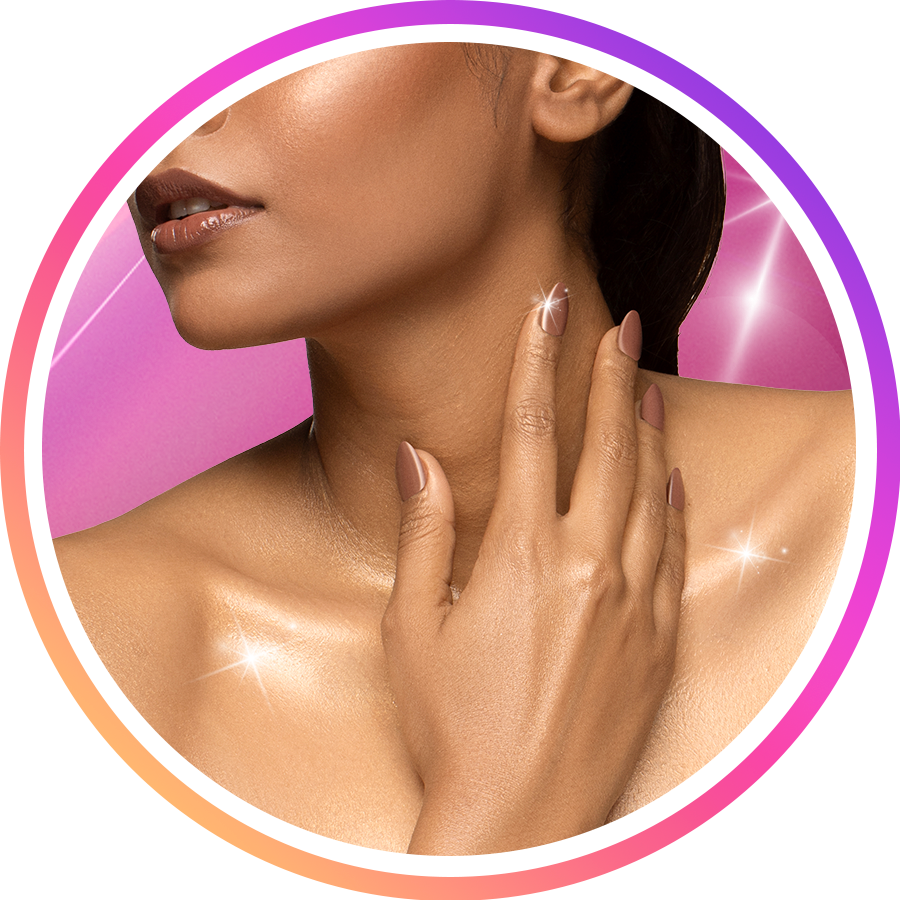



Choosing makeup is not only about finding shades that look attractive on a shelf. The right products should work with your skin type, complement your natural features, and support the way your skin behaves throughout the day. Whether your skin tends to become oily, feels dry, or changes between different areas of the face, understanding formulas, finishes, and application techniques can make your routine more effective.
Many makeup mistakes happen when products are selected based only on trends or packaging. A foundation that works beautifully for one person may feel uncomfortable on another person's skin. Learning how to choose makeup for your skin type starts with understanding your skin's needs, then selecting textures and shades that enhance your natural appearance rather than covering it.
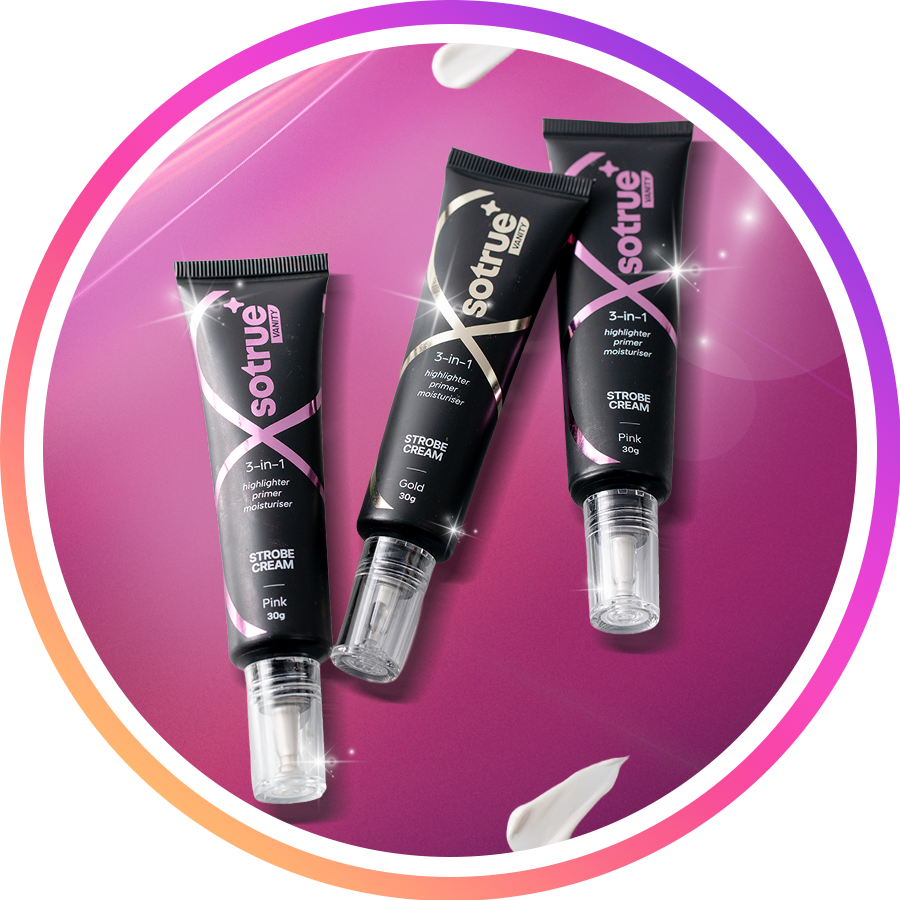
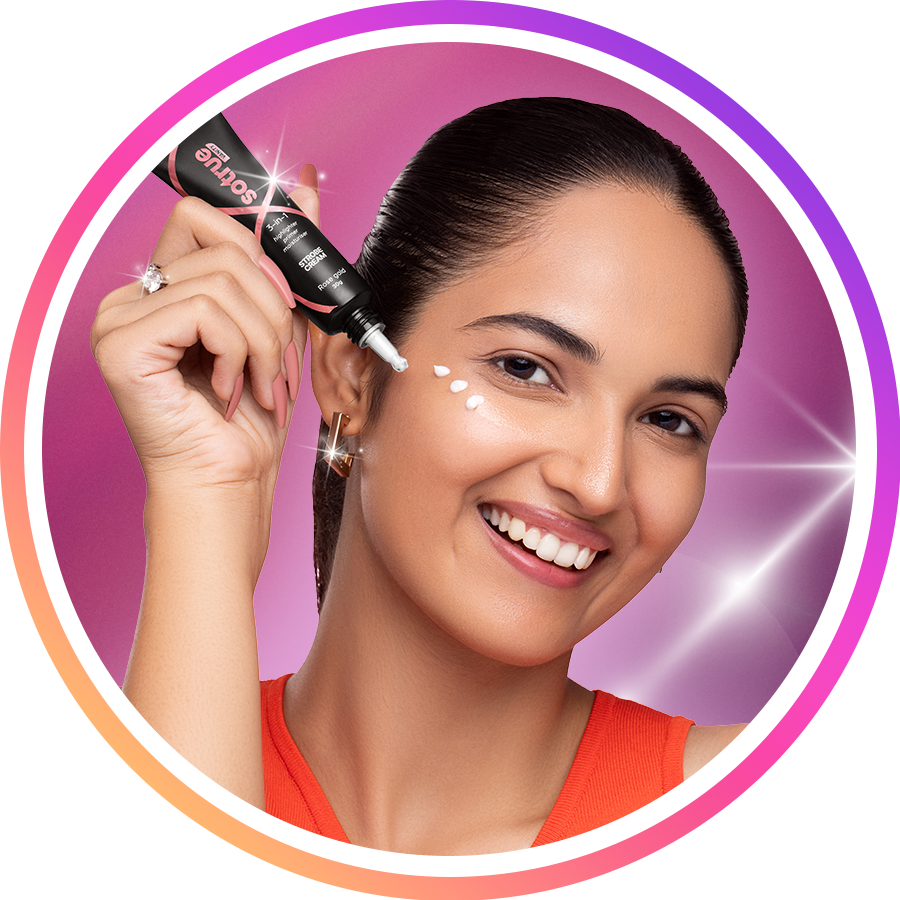
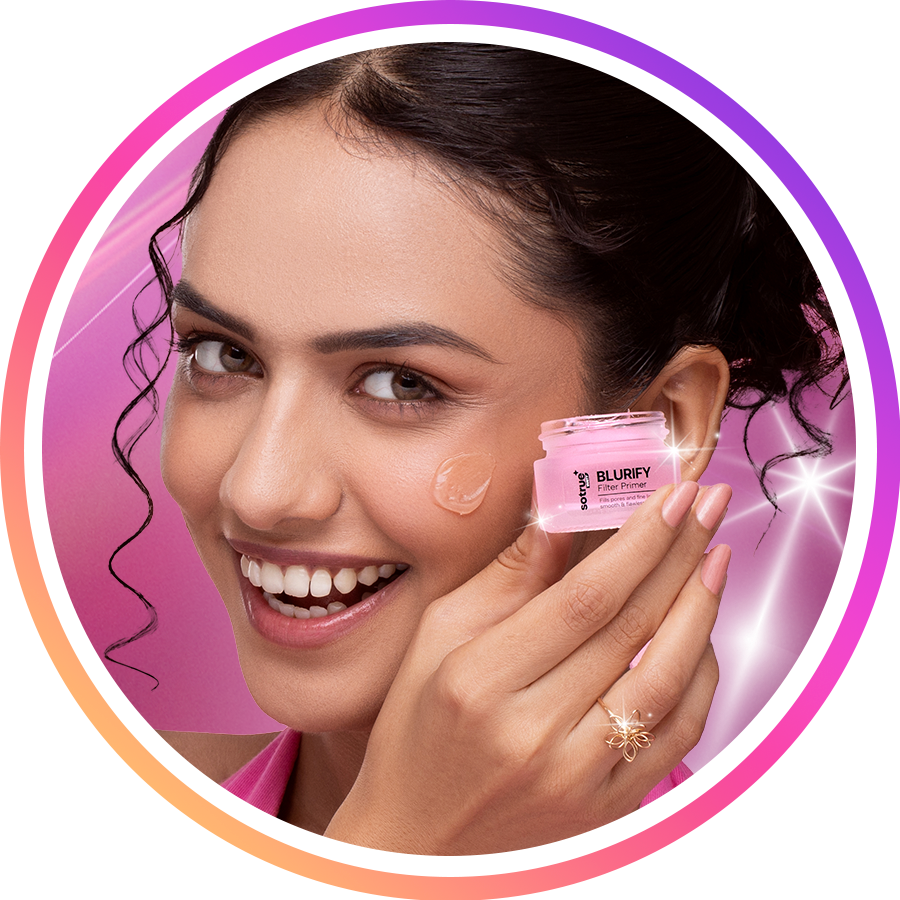
Struggling with beauty products that overlook Indian skin tones, humid climates, and everyday routines? Heavy formulas feel uncomfortable, fade by midday, irritate sensitive skin, and leave your complexion uneven or dull no matter how careful you are. Sotrue offers affordable, vegan, cruelty-free skincare, makeup and haircare thoughtfully crafted for Indian women. From reliable SPF and illuminating strobe creams to inclusive shades, every essential delivers natural radiance and genuine confidence that fits your real life. Shop Sotrue Now!
Start by Understanding Your Skin Type Before Choosing Makeup
The first step in creating a successful makeup routine is identifying how your skin behaves without makeup. Skin type is influenced by oil production, hydration levels, sensitivity, and environmental factors. Paying attention to these patterns helps you select products that feel comfortable and wear well.
Oily skin often produces excess shine, especially around areas such as the forehead, nose, and chin. Lightweight, oil-balancing formulas and long-wear products can help create a smoother finish without feeling heavy. Matte foundations, powder products, and non-greasy textures may be suitable choices for people who prefer a less shiny appearance.
Dry skin usually benefits from products that provide a more hydrated look. Foundations with creamy or luminous finishes can help prevent makeup from appearing flat or emphasizing areas of dryness. A well-prepared skincare routine before makeup application can also improve how products blend with the skin.
Combination skin requires a more balanced approach because different areas of the face may have different needs. For example, a person may experience shine around the T-zone while the cheeks feel normal or dry. Choosing flexible formulas and adjusting application techniques by facial area can create a more natural result.
Sensitive skin requires extra attention when choosing makeup products. Ingredients, fragrance levels, and product textures should be considered carefully. Testing products before adding them to a regular routine can help reduce the chance of discomfort.
Choose Foundation Based on Texture, Finish, and Skin Needs
Foundation is often the product that determines whether a makeup look feels natural or uncomfortable. When learning how to find the right foundation for your skin, focus on more than shade matching. The formula, finish, and coverage level should align with your skin type and daily requirements.
For oily or combination skin, foundations with balancing or matte finishes can help create a smoother appearance. These formulas are designed to reduce the appearance of excess shine while maintaining an even complexion. However, an overly dry formula can sometimes make skin appear less natural, so finding the right balance is important.
For dry or normal skin, satin or luminous finishes may create a healthier-looking glow. Cream-based foundations often blend more comfortably when the skin needs additional softness. The goal is not to completely change the appearance of your skin but to create an even base that allows your natural features to remain visible.
Consider Your Natural Contrast When Selecting Makeup Shades
Makeup choices are not only determined by skin type. The relationship between your skin tone, hair, eyes, and eyebrows can also influence which shades create harmony. Understanding this balance can help you select colors that enhance your overall appearance.
The concept of contrast makeup provides a useful framework for understanding how different intensities work with natural features. People with high contrast between features, such as darker hair against lighter skin, may find that stronger shades create balance. Softer tones may work better for individuals whose features have less variation.
Medium contrast allows more flexibility, with makeup shades adjusted depending on the desired look. A person may choose brighter blushes, richer eye colors, or softer everyday tones depending on the occasion. Low contrast features often work well with gentle, blended shades that create definition without appearing harsh.
Find the Right Products for Oily, Dry, and Combination Skin
A skin type based makeup guide should focus on how products interact with the skin throughout the day. Different product categories require different considerations, from foundation and concealer to blush, highlighter, and eye makeup.
Makeup Choices for Oily Skin
People with oily skin often look for products that maintain freshness without excessive shine. Lightweight foundations, setting powders, and long-wearing eye products can help makeup stay comfortable for longer periods. Cream products can still work well, but choosing non-heavy textures and applying them strategically can make a difference.
Makeup Choices for Dry Skin
Dry skin often benefits from makeup that supports a smooth, flexible finish. Hydrating primers, creamy blushes, and satin foundations can help prevent makeup from appearing uneven. Applying thin layers instead of heavy coverage can also create a more natural result.
Makeup Choices for Combination Skin
Combination skin usually requires customization. A person may prefer a balanced foundation across the face while adjusting powder or glow-enhancing products in specific areas. This approach allows makeup to respond to different skin needs instead of treating the entire face the same way.
When selecting products, it is helpful to think about daily routines, weather conditions, and how much maintenance feels practical. The best makeup for your skin type is not necessarily the product with the strongest claims; it is the one that fits your skin, lifestyle, and comfort.
Use Makeup Testing Techniques Before Building Your Routine
Trying makeup before purchasing helps you understand how products behave beyond first impressions. Lighting, application method, and wear time can all affect how a product looks and feels.
Foundation should be checked for shade compatibility and finish. Concealer should be evaluated for whether it blends smoothly without settling into fine lines. Blush, bronzer, and highlighter should be tested for how naturally they blend with the complexion.
Texture matters as much as color. A product may have an attractive shade but still feel unsuitable if it becomes patchy, too dry, or too heavy after application. Testing products on clean skin and observing how they perform over time can make choosing makeup products more reliable.
Build a Makeup Routine That Works with Your Skin
A successful makeup routine is built around consistency rather than copying every beauty trend. Products should support your skin's natural characteristics while helping you achieve the look you want.
Start with essential products that address your main needs. Someone with oily skin may prioritize a comfortable foundation and products that manage shine. Someone with dry skin may focus on hydration and blendability. Someone with combination skin may need a flexible routine that adapts throughout the face.
It is also useful to consider how makeup fits into your daily schedule. A simple everyday routine may require lightweight products that are easy to apply, while special occasions may allow for more coverage or stronger colors.
Good makeup choices are based on observation. Notice how your skin responds to different formulas, finishes, and application techniques. Over time, these insights make it easier to create a routine that feels personal and dependable.
Common Mistakes to Avoid When Choosing Makeup
One common mistake is choosing products only because they are popular. A trending foundation or lipstick may not suit every skin type, complexion, or personal preference. Makeup works best when it is selected according to individual needs.
Another mistake is ignoring preparation. Even the right foundation may not perform well if the skin is not properly cared for before application. Clean skin, suitable moisturization, and appropriate preparation can influence how makeup sits throughout the day.
Using the wrong finish can also affect the final appearance. A very matte product on dry skin may emphasize texture, while a highly luminous product on oily skin may create unwanted shine. Understanding finishes helps users make more informed choices.
Finally, avoid treating makeup as a way to hide your natural features. The most effective looks usually enhance what is already there through thoughtful shade selection, balanced application, and products that work comfortably with the skin.
Creating a More Confident Approach to Makeup Selection
Learning how to choose makeup for your skin type becomes easier when the process focuses on understanding rather than experimentation alone. Skin type, natural coloring, product texture, and personal lifestyle all influence which products will work best.
By paying attention to your skin's needs and choosing formulas thoughtfully, makeup can become a reliable part of your daily routine. Whether you are exploring products for the first time or refining an existing collection, a personalized approach helps create results that feel comfortable, natural, and confident.
Frequently Asked Questions
How do I choose makeup for my skin type?
To choose makeup for your skin type, first identify whether your skin is oily, dry, combination, or sensitive. Select formulas, textures, and finishes that support your skin's needs, such as lightweight matte products for oily skin or hydrating foundations for dry skin.
What is the best foundation for oily, dry, or combination skin?
The best foundation depends on how your skin behaves throughout the day. Oily skin often suits balancing or matte foundations, dry skin may benefit from creamy or luminous finishes, and combination skin usually needs flexible formulas that can adapt to different facial areas.
How can I find the right makeup shades for my natural features?
Finding the right makeup shades involves considering your skin tone, hair, eyes, eyebrows, and natural contrast. Choosing colors that complement your features rather than only following trends can create a more balanced and natural-looking makeup style.
Disclaimer: The above helpful resources content contains personal opinions and experiences. The information provided is for general knowledge and does not constitute professional advice.
You may also be interested in: Radiant Skin Routines Adapted for Indian Consumers
Struggling with beauty products that overlook Indian skin tones, humid climates, and everyday routines? Heavy formulas feel uncomfortable, fade by midday, irritate sensitive skin, and leave your complexion uneven or dull no matter how careful you are. Sotrue offers affordable, vegan, cruelty-free skincare, makeup and haircare thoughtfully crafted for Indian women. From reliable SPF and illuminating strobe creams to inclusive shades, every essential delivers natural radiance and genuine confidence that fits your real life. Shop Sotrue Now!
Powered by flareAI.co