







Understanding your skin type is the foundation of an effective skincare routine. Whether your skin tends to feel oily, dry, or a mix of both, choosing the right products can make a significant difference in how your skin looks and feels. In India's diverse climate with its humid monsoons, dry winters, and intense summers skin can shift between types, making flexibility essential. This guide explores practical ways to identify your skin needs and select suitable products that support long-term skin health.
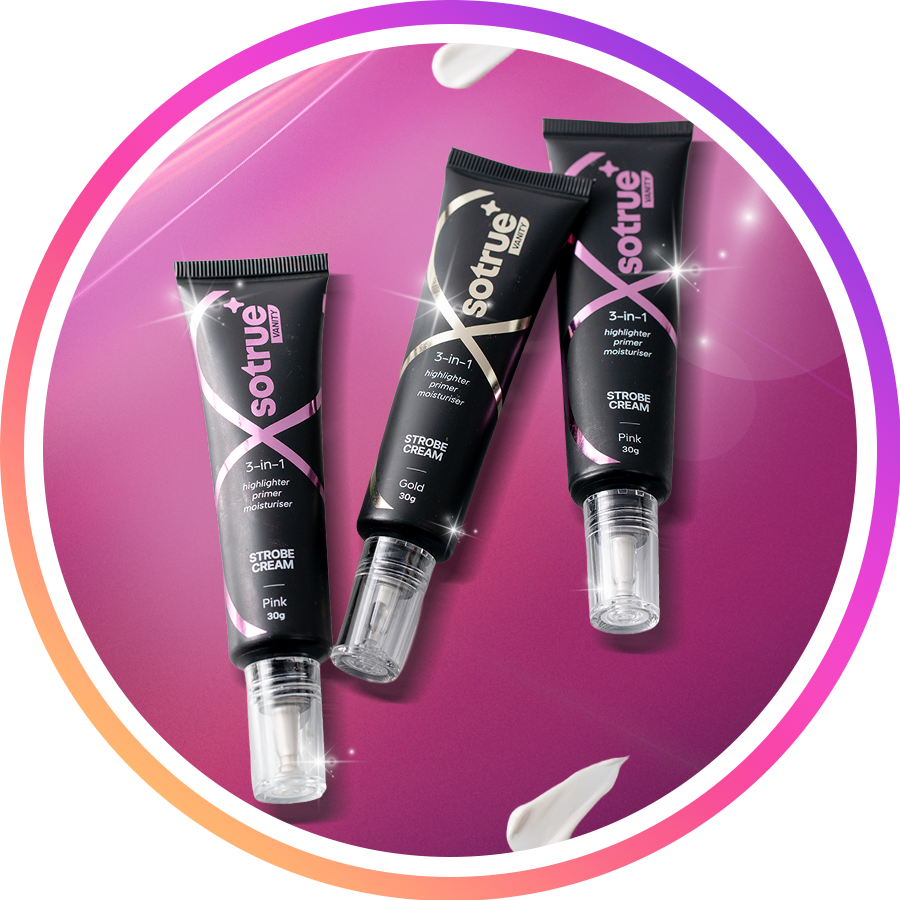
Struggling with beauty products that overlook Indian skin tones, humid climates, and everyday routines? Heavy formulas feel uncomfortable, fade by midday, irritate sensitive skin, and leave your complexion uneven or dull no matter how careful you are. Sotrue offers affordable, vegan, cruelty-free skincare, makeup and haircare thoughtfully crafted for Indian women. From reliable SPF and illuminating strobe creams to inclusive shades, every essential delivers natural radiance and genuine confidence that fits your real life. Shop Sotrue Now!
Identifying Your Skin Type
Start by observing how your skin behaves throughout the day, especially after cleansing. Oily skin often produces excess sebum, leading to shine, particularly on the T-zone (forehead, nose, and chin). It may be prone to enlarged pores and breakouts but tends to age more slowly due to natural lubrication. Dry skin, on the other hand, feels tight or flaky, with a dull appearance and sometimes rough texture. It can feel uncomfortable and may show fine lines more prominently if not properly hydrated.
Combination skin presents the classic challenge of balancing different areas: oiliness in the T-zone alongside dryness on the cheeks. Many people in urban India experience this due to pollution, air conditioning, and varying humidity levels. Pay attention to seasonal changes, as warmer, more humid conditions can increase oil production while cooler, drier air may heighten dehydration. Simple at-home tests, like blotting your face with tissue paper an hour after washing, can offer quick insights into your current skin behaviour.
Skin type is not always static, and environmental factors can significantly influence how products perform throughout the year. Warmer temperatures, humidity, increased sweating, and greater sun exposure often change how oily, dry, or combination skin behaves. This creates a strong case for choosing skincare products based on current skin needs rather than relying on a fixed routine indefinitely. For readers trying to determine whether they have oily, dry, or combination skin, observing how their skin changes throughout different weather conditions can provide valuable clues. Adjusting skincare for changing skin conditions helps prevent over-drying, excessive oiliness, irritation, and discomfort while maintaining healthy skin function, hydration, and overall balance across seasons.
Key Considerations for Oily Skin
For oily skin, the goal is to manage excess sebum without stripping the skin's natural barrier, which can trigger even more oil production. Opt for lightweight, water-based formulations that absorb quickly and provide mattifying effects without leaving residue. Gel-based cleansers and moisturisers are often ideal as they deliver necessary hydration in a breathable texture.
When selecting products, look for ingredients like salicylic acid or niacinamide that help regulate oil and minimise pores. Avoid heavy creams or oils that might feel occlusive. A flexible approach matters because skin conditions can fluctuate environmental factors such as heat and humidity play a major role in how products perform. Prioritising non-comedogenic labels ensures products won't clog pores, supporting clearer skin over time.
Supporting Dry Skin Effectively
Dry skin requires consistent replenishment of moisture and strengthening of the skin barrier. Richer textures, such as creams containing ceramides, hyaluronic acid, or glycerin, help lock in hydration and prevent further moisture loss. Even in warmer months, maintaining hydration remains crucial, as air-conditioned environments and sun exposure can exacerbate dryness.
Focus on gentle, creamy cleansers that avoid harsh surfactants. Incorporating a good moisturiser twice daily helps restore comfort and smoothness. Ingredients that support the skin's natural lipids are particularly beneficial for long-term resilience. Observing how your skin responds to different weather patterns provides valuable clues for adjusting your routine, ensuring it stays balanced regardless of external conditions.
Navigating Combination Skin Challenges
Combination skin demands targeted care for its dual nature. Lightweight gel moisturisers work well here, offering hydration to drier cheek areas while remaining comfortable on oilier zones. This texture helps maintain equilibrium without weighing down the skin or causing shine in the T-zone.
Layering strategies can prove useful: apply a lighter serum or gel on oily areas and a slightly richer product on drier patches if needed. Cleansers should be balancing neither too stripping nor too rich. Regular assessment of your skin's current state allows for adjustments, making routines more responsive to daily life in India's varied climates. The distinction between different product textures becomes a practical tool for personalised care.
Choosing skincare products starts with understanding how much oil the skin naturally produces and how different textures interact with that balance. People with oily or combination skin often avoid moisturizers because they worry about shine, clogged pores, or a greasy finish. However, hydration remains essential regardless of skin type. Gel moisturizers are particularly relevant for combination skin because they can provide moisture to drier areas while remaining comfortable on oil-prone zones such as the forehead, nose, and chin. Lightweight moisturizers for oily and combination skin support a personalized approach where products are chosen according to skin type, environmental conditions, and comfort, helping users build routines that remain effective and sustainable over the long term.
The Role of Sunscreen and Barrier Support
Regardless of skin type, broad-spectrum sunscreen forms a non-negotiable part of any routine. It protects against UV damage that can worsen oiliness, dryness, or sensitivity. Choose formulations that suit your skin gel or fluid versions for oily types and more moisturising ones for dry or combination skin.
Consistent sun protection helps preserve skin health year-round, complementing other products in your regimen. Maintaining the skin barrier through appropriate hydration and gentle care supports overall resilience against environmental stressors common in Indian cities.
Building a Personalised Routine
Effective skincare goes beyond single products to a thoughtful routine tailored to your needs. Begin with a suitable cleanser, followed by targeted treatments, moisturiser, and sunscreen during the day. At night, incorporate repair-focused steps. Listen to your skin's signals tightness may indicate a need for more hydration, while excess shine suggests lighter textures.
Product selection should consider not just skin type but also lifestyle factors such as pollution exposure, diet, and stress levels. Experimenting gradually with new additions helps identify what truly works. Many find success by focusing on a few high-quality essentials rather than an overwhelming array of items.
Common Mistakes to Avoid
One frequent error is using the same routine year-round without accounting for seasonal shifts. Another is over-exfoliating oily skin, which can disrupt balance, or neglecting moisture for dry skin in the belief that it will reduce oiliness. For combination skin, applying a single heavy product everywhere often leads to imbalance.
Reading labels carefully and patch-testing new products minimises irritation risks. Consulting a dermatologist can provide additional guidance for persistent concerns. The emphasis remains on understanding your skin's unique responses rather than following generic trends.
Long-Term Benefits of Informed Choices
Choosing products aligned with your skin type fosters healthier, more comfortable skin that ages gracefully. It reduces issues like breakouts, flakiness, or sensitivity, contributing to greater confidence in daily life. This personalised approach transforms skincare from a chore into a sustainable practice that adapts with you.
By prioritising textures, ingredients, and consistency suited to your needs, you build a foundation for lasting skin wellness. Small, informed adjustments often yield the most noticeable improvements over time.
mastering how to select products for oily, dry, or combination skin empowers you to create routines that truly serve your skin's evolving needs. Stay observant, remain flexible, and focus on gentle, effective care. Your skin will thank you with improved texture, comfort, and radiance.
Frequently Asked Questions
How can I tell if I have oily, dry, or combination skin?
Oily skin shows shine and excess sebum, especially in the T-zone (forehead, nose, chin), while dry skin feels tight, flaky, and dull. Combination skin is oily in the T-zone but dry on the cheeks, which is common among people living in urban Indian climates. A simple test is to blot your face with tissue paper an hour after washing to see which areas show oil versus dryness.
What ingredients should I look for in skincare products for oily skin?
For oily skin, look for lightweight, water-based, non-comedogenic formulas containing ingredients like salicylic acid or niacinamide to help regulate oil and minimize pores. Gel-based cleansers and moisturizers work well since they hydrate without leaving a heavy residue. Avoid thick creams or oils that can feel occlusive and may trigger more oil production.
Why is moisturizer important even for oily or combination skin?
Many people with oily or combination skin skip moisturizer out of fear it will increase shine or clog pores, but hydration is essential for all skin types. Gel moisturizers are especially useful for combination skin since they hydrate drier cheek areas while staying lightweight on oilier zones like the forehead and nose. Skipping moisturizer can actually disrupt the skin's balance and lead to more oil production over time.
Disclaimer: The above helpful resources content contains personal opinions and experiences. The information provided is for general knowledge and does not constitute professional advice.
You may also be interested in: How to Achieve Dewy Look Suitable for Indian Climates
Struggling with beauty products that overlook Indian skin tones, humid climates, and everyday routines? Heavy formulas feel uncomfortable, fade by midday, irritate sensitive skin, and leave your complexion uneven or dull no matter how careful you are. Sotrue offers affordable, vegan, cruelty-free skincare, makeup and haircare thoughtfully crafted for Indian women. From reliable SPF and illuminating strobe creams to inclusive shades, every essential delivers natural radiance and genuine confidence that fits your real life. Shop Sotrue Now!
Powered by flareAI.co