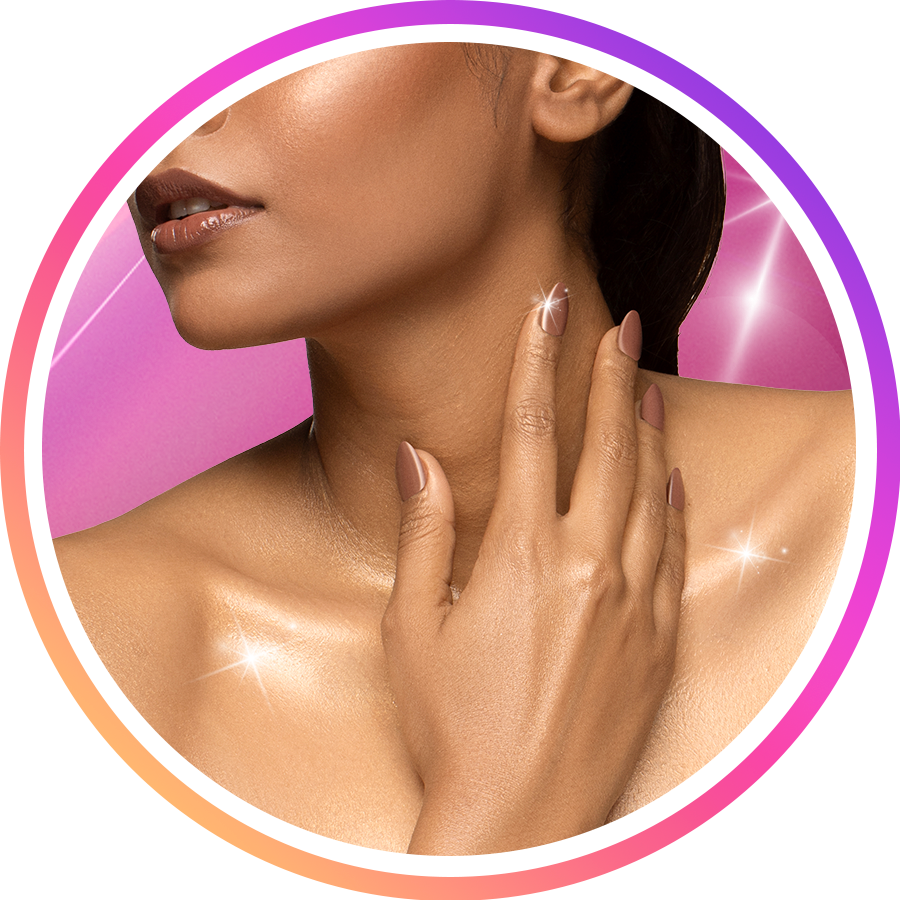

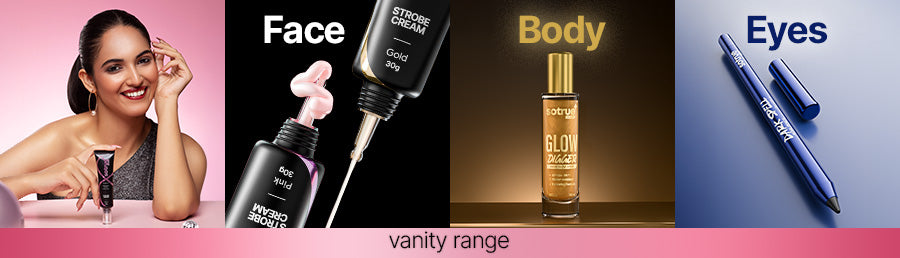

Strobe creams have become a staple in modern makeup routines, offering that coveted lit-from-within glow without the heavy coverage of traditional highlighters. Selecting the perfect shade, however, can feel overwhelming amid the array of options available. The right choice enhances your natural complexion, while the wrong one can look unnatural or disappear entirely. This guide breaks down practical ways to identify the best strobe cream shade for your skin tone, focusing on undertones, application techniques, and real considerations for everyday wear.
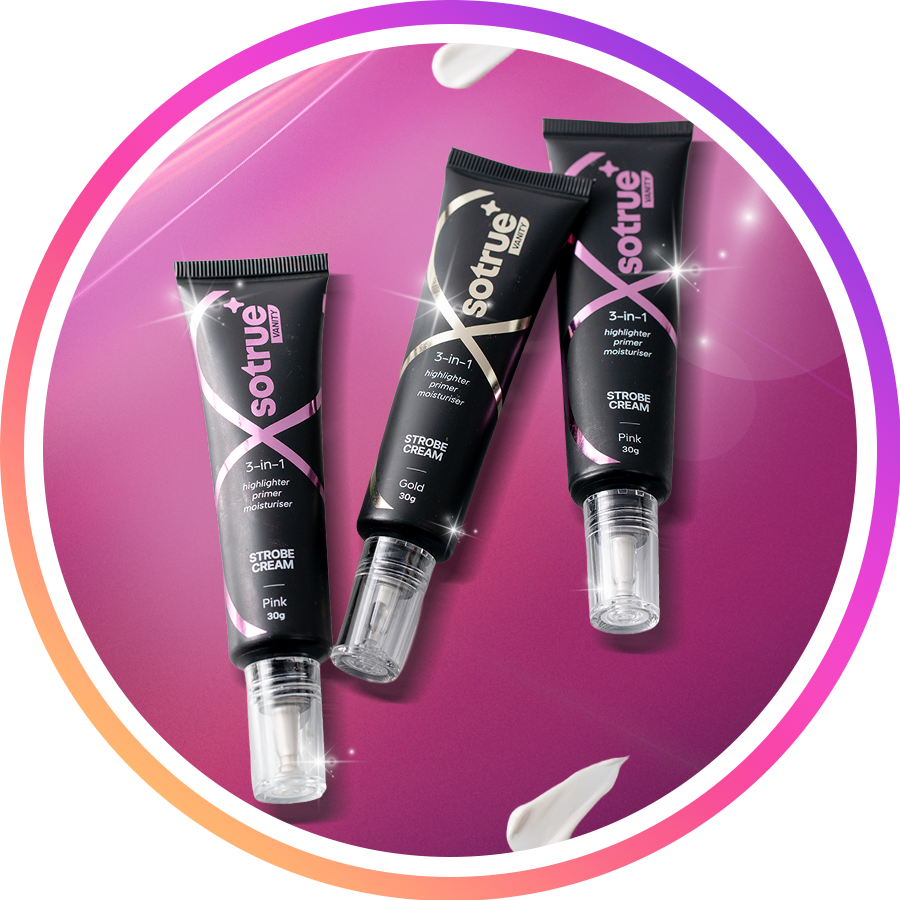
Struggling with beauty products that overlook Indian skin tones, humid climates, and everyday routines? Heavy formulas feel uncomfortable, fade by midday, irritate sensitive skin, and leave your complexion uneven or dull no matter how careful you are. Sotrue offers affordable, vegan, cruelty-free skincare, makeup and haircare thoughtfully crafted for Indian women. From reliable SPF and illuminating strobe creams to inclusive shades, every essential delivers natural radiance and genuine confidence that fits your real life. Shop Sotrue Now!
Understanding Skin Tones and Undertones
Skin tone refers to the surface color of your skin, often categorized as fair, light, medium, tan, or deep. Undertone, on the other hand, is the subtle hue beneath the surface warm, cool, or neutral that remains consistent even as your skin tans or changes with seasons. Determining your undertone is the foundation for choosing illuminating products like strobe creams.
Warm undertones typically feature golden, peach, or yellow hints and often pair well with ivory or olive skin surfaces. Cool undertones show pink, red, or blue hints, common in porcelain or ebony complexions. Neutral undertones blend both, appearing balanced without strong warm or cool casts. Testing in natural daylight helps reveal these characteristics more accurately than artificial lighting.
Why Shade Selection Matters for a Natural Glow
Beauty consumers are increasingly embracing personalization technologies that help identify the most suitable shades and finishes for their individual skin tones. The movement toward customized beauty reflects a broader industry shift away from one-size-fits-all products and toward solutions designed around unique complexion characteristics. Advances in digital shade matching, virtual try-on experiences, and AI-assisted recommendations are making it easier for shoppers to understand their undertones and select products that enhance their natural features. This trend reinforces the importance of choosing a strobe cream shade that complements the skin rather than simply following popular beauty trends. Consumers are becoming more aware that glow products can appear dramatically different depending on undertone, skin depth, and lighting conditions. A golden illuminator may create a warm, sun-kissed radiance on one complexion while appearing too yellow on another, whereas pink-toned formulas can brighten certain skin tones while looking overly cool on others. As beauty brands continue investing in personalized shopping experiences, shoppers are learning to evaluate products through the lens of compatibility rather than popularity. This evolution encourages more informed purchasing decisions and highlights why understanding skin tone and products. Personalized beauty is ultimately helping consumers achieve more natural-looking results by matching products to their unique coloring and desired glow effect.
Identifying Your Undertone at Home
Start with simple tests. Hold a piece of white paper next to your face in natural light if your skin looks pinkish, you likely have cool undertones; yellowish suggests warm; balanced indicates neutral. Another method involves checking the veins on your inner wrist: blue or purple veins point to cool, green to warm, and a mix to neutral.
Jewelry can provide additional clues. Does gold jewelry flatter you more than silver? Warm undertones usually shine with gold, while cool ones prefer silver. These quick checks offer reliable starting points before exploring product shades.
Consider how your skin reacts to the sun. Warm undertones often tan easily with golden hues, while cool undertones may burn and show reddish tones. Neutral skin tans moderately without strong shifts.
Popular Strobe Cream Shade Categories
Strobe creams come in various finishes and hues tailored to different needs. Golden shades deliver a sunlit, bronzed glow ideal for warm undertones. They add warmth and dimension, perfect for creating a healthy, vacation-like radiance during daytime looks.
Pearl and pink tones bring brightness and freshness, suiting cool undertones by countering any dullness and enhancing luminosity. These create a dewy, awake appearance that works beautifully for evening events or when you need an instant pick-me-up.
Champagne and rose gold options serve as versatile choices for neutral undertones. They balance warmth and coolness, offering subtle illumination that adapts across lighting conditions and seasons. These multi-purpose shades prove especially practical for those whose undertones shift slightly or who prefer minimal commitment to one direction.
Matching Strobe Cream to Your Skin Tone
A growing beauty trend emphasizes selecting colors that naturally complement skin tone and undertones rather than creating strong contrast. The approach focuses on enhancing natural features by choosing shades that harmonize with existing coloring, creating a softer and more balanced appearance. While the trend has been applied to hair color, the underlying principle is highly valuable to makeup and complexion products. Beauty professionals increasingly recommend evaluating undertones before selecting shades because warm, cool, and neutral coloring can dramatically affect how products appear once applied.
This concept is particularly valuable when choosing a strobe cream. A glow enhancer should work with the complexion to create luminosity that looks effortless and authentic. Golden shades often amplify warmth and provide a sunlit finish, while pink and pearl tones can brighten cooler complexions with a fresh, radiant effect. Neutral skin tones frequently benefit from versatile shades such as champagne or rose gold that balance both warm and cool characteristics. The broader movement toward skin-tone-conscious beauty choices reflects a growing consumer preference for products that enhance rather than overpower natural features. By considering undertones and selecting complementary shades, users can create a glow that appears refined, healthy, and seamlessly integrated with the rest of their makeup look. This personalized approach helps maximize the effectiveness of illuminating products while delivering a more flattering final result.
Practical Application Tips and Techniques
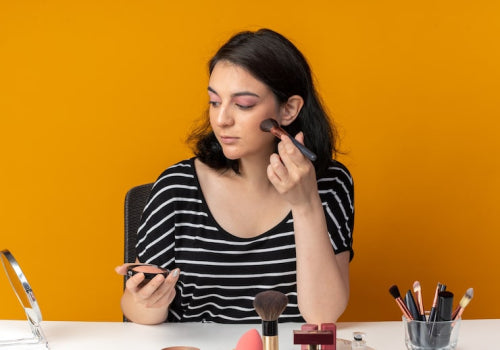
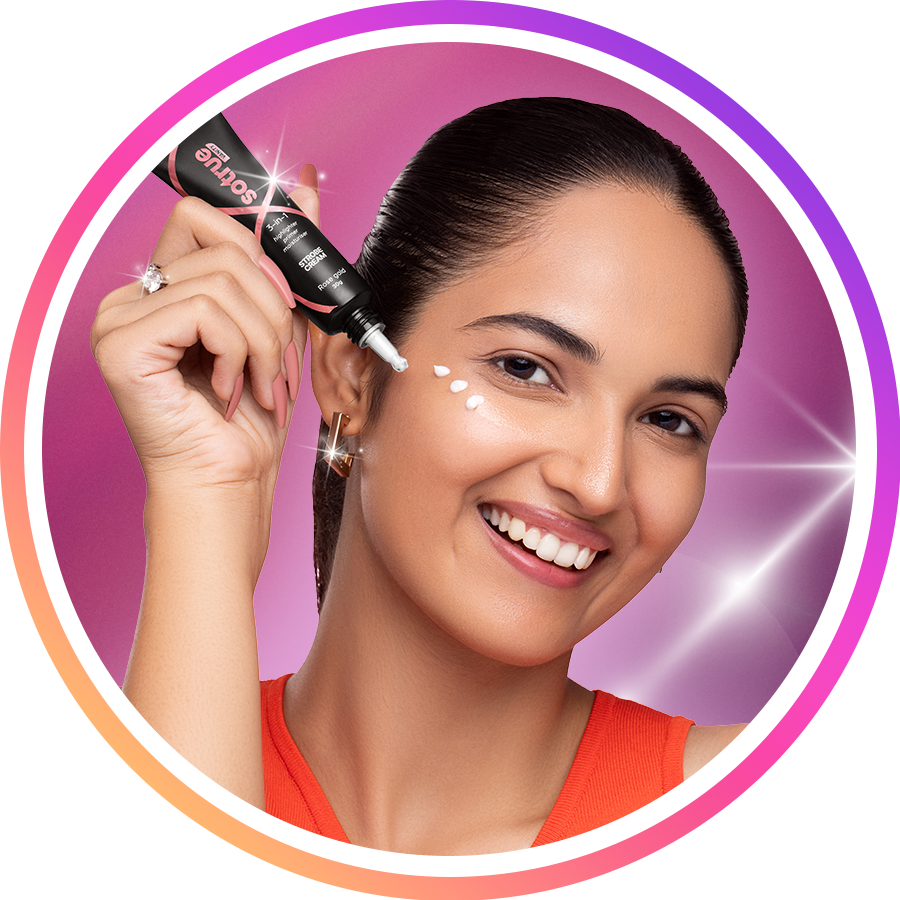
Apply strobe cream strategically on high points of the face cheekbones, brow bone, bridge of the nose, and cupid's bow for the most natural effect. Use clean fingers or a damp beauty sponge to blend seamlessly into your base makeup. For a subtle all-over glow, mix a small amount with your foundation or moisturizer.
Layering plays a key role. Start with a lightweight base, then build illumination gradually. In humid conditions common in many regions, opt for cream formulas that resist pilling or separating. Test shades on your jawline or inner arm first to see how they interact with your actual skin chemistry throughout the day.
Consider your overall makeup look. For minimal makeup days, a single strobe cream shade can serve as both highlighter and subtle contour enhancer. Evening routines allow bolder application with additional blending for dimension.
Common Mistakes to Avoid
Many people select shades based solely on packaging trends or influencer recommendations rather than personal compatibility. This often leads to ashy or overly shiny results that fail to flatter. Always prioritize undertone harmony over general skin depth.
Over-application is another frequent issue. A little goes a long way with strobe creams the goal is lit-from-within radiance, not a glittery finish. Blend thoroughly, especially around the edges, to prevent harsh lines.
Ignoring lighting conditions during testing can mislead choices. What looks perfect in store lighting may appear different in daylight. Take samples home and observe throughout different times of day before committing.
Enhancing Your Routine with the Right Choice
Selecting the appropriate strobe cream shade elevates your entire makeup application. It creates cohesion between foundation, blush, and other elements while boosting confidence through a naturally enhanced appearance. Experimentation remains valuable many find success mixing two complementary shades for custom effects tailored to specific occasions.
Regularly reassess as skin changes with age, seasons, or lifestyle factors. What worked years ago may need adjustment. Keeping an open approach to shade exploration ensures your glow always feels fresh and authentic.
Choosing the right strobe cream shade ultimately comes down to understanding your unique coloring and testing thoughtfully. With attention to undertones and practical application, you can achieve that desirable, healthy radiance that enhances rather than masks your natural beauty. The result is makeup that feels like an extension of yourself effortless, flattering, and confidently glowing.
Frequently Asked Questions
How do I find my undertone to choose the right strobe cream shade?
Identifying your undertone is the key first step. Hold white paper next to your face in natural light pinkish skin suggests cool undertones, yellowish indicates warm, and balanced means neutral. You can also check your inner wrist veins: blue or purple points to cool, green to warm, and a mix to neutral. Jewelry preference is another quick clue gold flatters warm undertones, while silver suits cool ones.
Which strobe cream shade works best for my skin tone?
The best shade depends on your undertone rather than your surface skin color alone. Golden strobe creams suit warm undertones by delivering a sun-kissed, bronzed glow, while pearl and pink-toned formulas brighten cool undertones with a fresh, dewy finish. For neutral undertones, champagne or rose gold shades offer the most versatility, balancing both warm and cool characteristics across different lighting conditions.
What are the most common mistakes to avoid when applying strobe cream?
The biggest mistake is choosing a shade based on trends or influencer picks rather than your personal undertone this often leads to an ashy or overly shiny result. Over-application is equally common; strobe cream should be built up gradually on high points like cheekbones and the brow bone for a natural, lit-from-within effect rather than a glittery finish. Always test shades in natural daylight and blend thoroughly to avoid harsh lines.
Disclaimer: The above helpful resources content contains personal opinions and experiences. The information provided is for general knowledge and does not constitute professional advice.
You may also be interested in: Cream Highlighters Provide Everyday Glow Options for Indian Skin
Struggling with beauty products that overlook Indian skin tones, humid climates, and everyday routines? Heavy formulas feel uncomfortable, fade by midday, irritate sensitive skin, and leave your complexion uneven or dull no matter how careful you are. Sotrue offers affordable, vegan, cruelty-free skincare, makeup and haircare thoughtfully crafted for Indian women. From reliable SPF and illuminating strobe creams to inclusive shades, every essential delivers natural radiance and genuine confidence that fits your real life. Shop Sotrue Now!
Powered by flareAI.co