






As skincare enthusiasts in India increasingly explore advanced at-home treatments to address concerns like acne scars, uneven texture, and dullness, microneedling tools have gained popularity. These devices create tiny punctures in the skin to stimulate collagen production and improve absorption of serums. However, with various options available from traditional dermarollers to modern derma pens comparing microneedling tools requires careful evaluation of safety, suitability, and performance to achieve effective results without risks.
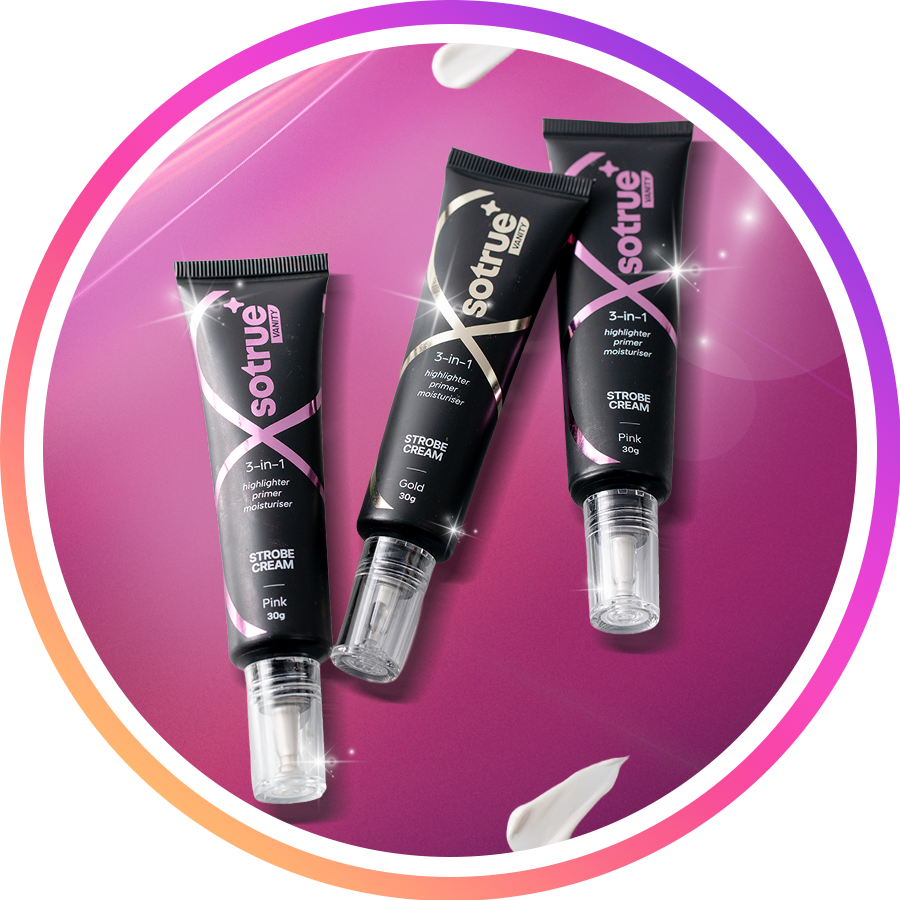
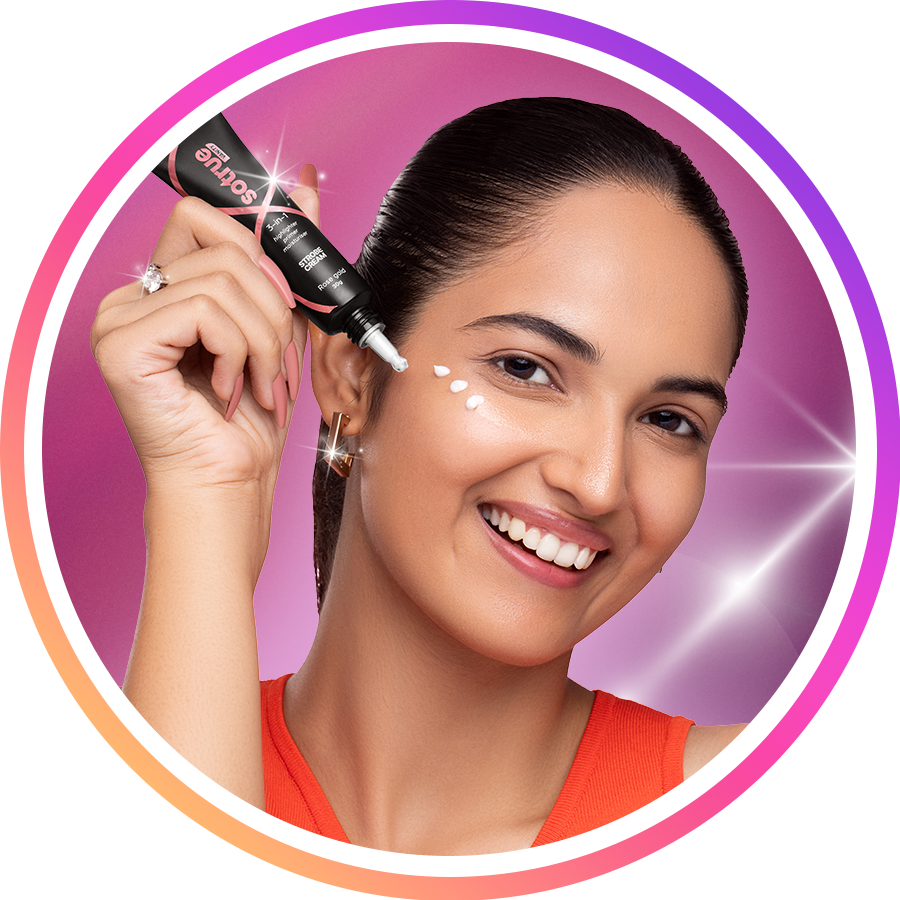
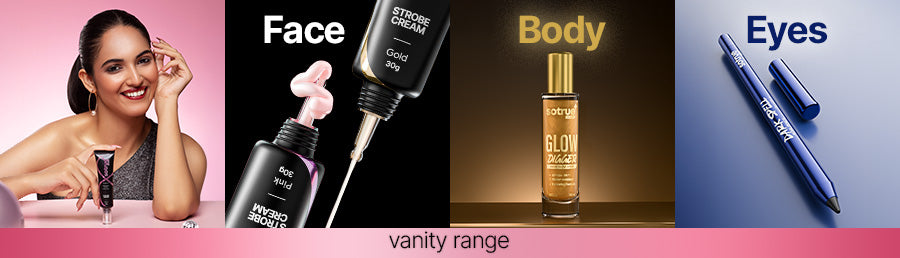
Struggling with beauty products that overlook Indian skin tones, humid climates, and everyday routines? Heavy formulas feel uncomfortable, fade by midday, irritate sensitive skin, and leave your complexion uneven or dull no matter how careful you are. Sotrue offers affordable, vegan, cruelty-free skincare, makeup and haircare thoughtfully crafted for Indian women. From reliable SPF and illuminating strobe creams to inclusive shades, every essential delivers natural radiance and genuine confidence that fits your real life. Shop Sotrue Now!
Understanding At-Home Microneedling and Its Benefits
Microneedling at home offers a convenient way to support skin rejuvenation between professional treatments. The process encourages the skin's natural healing response, potentially leading to smoother texture and reduced appearance of scars. For many users in warmer climates where pollution and humidity can exacerbate skin issues, these tools provide an accessible method to maintain a consistent routine.
When done correctly, at-home microneedling can complement daily skincare by enhancing the penetration of active ingredients like hyaluronic acid or vitamin C serums. Beginners should start slowly, focusing on gentle application to build tolerance and observe how their skin responds over time.
Dermaroller vs Microneedling Pen: Core Differences
Two primary categories dominate at-home microneedling tools comparison: dermarollers and microneedling pens (also known as derma pens). Dermarollers feature a cylindrical head covered with fine needles that roll across the skin, creating channels in a broader pattern. They are often more affordable and straightforward for facial use.
In contrast, microneedling pens use a motorized cartridge with adjustable needles that move vertically, allowing for precise control over depth and speed. This format is particularly useful for targeted areas like acne scars or around the eyes. The key distinction lies in application control rollers cover larger surfaces quickly, while pens offer greater precision and customisation for different skin zones. Both tools aim to support skin renewal, but the choice often depends on personal comfort with manual versus automated techniques.
Evaluating Needle Length and Material Quality
One of the most critical factors in how to choose dermaroller needle size or pen settings is the needle length. Shorter needles (typically 0.25mm to 0.5mm) suit beginners and focus on product absorption with minimal downtime. Longer needles (0.5mm to 1.0mm) may address deeper concerns like acne scars but require more caution and proper aftercare.
Material matters significantly for safety and durability. High-quality stainless steel or titanium needles resist corrosion and maintain sharpness longer. Users should examine construction details, such as securely fixed needles and ergonomic handles, to ensure consistent performance during sessions.
Comparing these specifications helps match the tool to individual skin needs and experience level, promoting better long-term outcomes in at-home skin rejuvenation tools routines.
Safety Considerations for Home Microneedling
Safety remains paramount when using microneedling devices at home. Proper hygiene prevents irritation or infection, especially in humid environments common across many Indian cities. Always sterilise the device before and after use according to manufacturer instructions, and avoid sharing tools.
Start with patch testing on a small area to check for sensitivity. Regulatory attention on microneedling devices highlights the importance of understanding that these tools vary in design and intended use. Consumers benefit from selecting products with clear usage guidelines and appropriate needle configurations for home application.
Growing consumer adoption of at-home microneedling has attracted regulatory and professional attention, highlighting the need for careful product evaluation. As the market expands, consumers are presented with a wide variety of dermarollers, stamps, and needle-based skincare tools that differ significantly in quality, intended usage, and safety characteristics. Regulatory interest underscores the importance of understanding that microneedling devices are not interchangeable products. Differences in needle length, manufacturing standards, hygiene requirements, and treatment intensity can substantially influence both results and risk profiles. For individuals comparing microneedling tools, this serves as a reminder that device specifications should be examined carefully rather than relying solely on promotional claims. Discussions around regulation also emphasize the importance of proper cleaning procedures, controlled application techniques, and appropriate treatment frequency. These factors are particularly relevant for home users because the effectiveness of a device is closely linked to how safely and consistently it is used. Product comparisons should therefore consider whether a device provides clear instructions, supports safe handling, and aligns with the user's experience level. Regulatory attention on microneedling devices. The broader conversation around oversight reflects an evolving skincare market in which consumers are expected to make increasingly informed decisions about advanced beauty tools. As awareness grows, shoppers are paying more attention to evidence-based guidance, manufacturer credibility, and realistic treatment expectations. For a blog focused on comparing microneedling tools, these developments support the idea that selecting a device involves more than evaluating features alone. Long-term satisfaction is often influenced by a combination of safety, usability, maintenance requirements, and the ability to achieve gradual, sustainable improvements within a responsible skincare routine.
Consulting a dermatologist before beginning, particularly for those with active skin conditions, ensures the chosen method aligns with personal health needs.
Effectiveness for Acne Scars and Skin Texture
Many users turn to at-home microneedling for acne scars at home, seeking visible improvements in texture and tone. Consistent use, paired with suitable serums, can support gradual collagen stimulation and smoother skin appearance.
When comparing options, consider how the tool interacts with different skin types. Pens may offer advantages for precise scar treatment, while rollers work well for overall facial rejuvenation. Results vary based on technique, frequency, and integration with a broader skincare regimen that includes sun protection and moisturisation essential in India's diverse climate conditions.
The increasing demand for skin treatments that improve texture, tone, and overall appearance has expanded consumer interest in at-home microneedling devices. As more brands enter the category, shoppers face a growing challenge in distinguishing between tools designed for beginners and those intended for more experienced users. Effective comparison of microneedling tools requires evaluating several factors beyond price, including device format, needle configuration, safety features, ease of handling, and intended treatment areas. Some products focus on facial use, while others are marketed for broader skin concerns or even scalp applications. Understanding these differences helps consumers make more informed purchasing decisions and avoid selecting a tool that does not align with their skincare goals. Another important consideration is the distinction between professional microneedling treatments and consumer-grade devices. Home tools generally deliver milder effects and are designed to prioritize safety, making them suitable for supporting skincare routines rather than replicating clinical procedures. This trend reinforces the need for realistic expectations when comparing products. Buyers should also evaluate replacement requirements, maintenance procedures, and manufacturer guidance regarding cleaning and storage. As awareness of skin health increases, consumers are becoming more educated about treatment protocols and product quality standards. This shift encourages brands to emphasize transparency around needle specifications, treatment frequency, and user education. How to choose a microneedling device involves looking beyond marketing claims to practical factors like ease of handling and replacement needs. Home tools generally provide milder effects than clinical procedures, making them ideal for ongoing maintenance rather than dramatic transformations.
Practical Tips for Maintenance and Usage
Effective at-home skincare routines depend on proper tool care. Clean devices thoroughly after each session and store them in a hygienic case. Replace roller heads or cartridges as recommended to maintain sharpness and prevent bacterial buildup.
Application technique influences outcomes: roll or stamp gently without excessive pressure, and follow with calming products. Tracking progress with photos under consistent lighting helps monitor changes over weeks or months.
For intermediate users, experimenting with different needle configurations on various facial areas builds confidence. Always prioritise listening to your skin's response over aggressive approaches.
Selecting the Best Microneedling Device for Home Use
Choosing the right tool involves balancing budget, ease of use, and specific skin goals. Beginners might prefer simpler dermarollers for their accessibility, while those addressing targeted concerns may favour the precision of a derma pen.
Look for devices that provide comprehensive instructions, quality materials, and supportive customer resources. Reading user experiences from similar skin types offers valuable insights, though individual results will differ.
Ultimately, the best microneedling device for home use fits seamlessly into your lifestyle and delivers sustainable improvements when used responsibly as part of a thoughtful routine.
Comparing microneedling tools thoughtfully empowers skincare enthusiasts to make informed decisions that enhance their at-home regimens. By focusing on safety, suitability, and consistent practice, users can harness these tools effectively for healthier, more radiant skin. Whether starting with a basic dermaroller or advancing to a versatile pen, patience and proper technique remain the foundation of successful at-home skin rejuvenation.
Frequently Asked Questions
What is the difference between a dermaroller and a microneedling pen for home use?
Dermarollers feature a cylindrical head with fine needles that roll across the skin in a broad pattern, making them more affordable and beginner-friendly for general facial rejuvenation. Microneedling pens, on the other hand, use a motorized cartridge with vertically moving needles that offer adjustable depth and speed, making them better suited for targeting specific concerns like acne scars or delicate areas around the eyes. The right choice comes down to whether you prioritize coverage and simplicity (roller) or precision and customization (pen).
What needle length should I choose for at-home microneedling as a beginner?
Beginners should start with shorter needle lengths in the 0.25mm to 0.5mm range, which focus on improving product absorption with minimal downtime and lower risk of irritation. Longer needles (0.5mm to 1.0mm) can address deeper concerns like acne scars but require more experience, caution, and careful aftercare. Regardless of length, always look for high-quality stainless steel or titanium needles, which resist corrosion and stay sharper longer for safer, more consistent results.
Is at-home microneedling safe, and how can I minimize risks?
At-home microneedling can be safe when practiced correctly, but it requires strict hygiene and technique especially in humid climates where the risk of irritation or infection is higher. Always sterilize your device before and after each session, perform a patch test before full application, and never share your tools with others. Consulting a dermatologist beforehand is strongly recommended if you have active skin conditions, and selecting a device that comes with clear usage guidelines helps ensure you're applying the right pressure, frequency, and needle configuration for your experience level.
Disclaimer: The above helpful resources content contains personal opinions and experiences. The information provided is for general knowledge and does not constitute professional advice.
You may also be interested in: Best Practices for Choosing Glow Cream Shades for Indian Skin
Struggling with beauty products that overlook Indian skin tones, humid climates, and everyday routines? Heavy formulas feel uncomfortable, fade by midday, irritate sensitive skin, and leave your complexion uneven or dull no matter how careful you are. Sotrue offers affordable, vegan, cruelty-free skincare, makeup and haircare thoughtfully crafted for Indian women. From reliable SPF and illuminating strobe creams to inclusive shades, every essential delivers natural radiance and genuine confidence that fits your real life. Shop Sotrue Now!
Powered by flareAI.co