



The short answer: Buildable coverage means starting with a thin, sheer layer and adding product only where you need more, rather than applying one thick coat everywhere. It works best with a product formulated for it, like a skin tint, since a full-coverage foundation is not designed to be layered the same way. Sotrue's 4-in-1 Skin Tint (SPF 30, light to medium, buildable) is formulated specifically around this layering approach. Here is the step-by-step manual.
Table of Contents
- What Does "Buildable Coverage" Actually Mean?
- Step 1: Start With a Hydrated Base
- Step 2: Apply the First Layer Thin
- Step 3: Build Only Where You Need More, Not All Over
- Step 4: Spot-Conceal Instead of Adding a Second Full Layer
- Step 5: Set Selectively to Lock It In
- Skin Tint vs Foundation: Which Actually Builds Coverage Better?
- Frequently Asked Questions
What Does "Buildable Coverage" Actually Mean?
A buildable product is formulated to look sheer in one thin layer and progressively more opaque as you add layers, without the texture turning cakey or heavy. This is different from simply applying more of a fixed-coverage foundation, which tends to just sit thicker on the skin rather than building cleanly. A genuinely buildable formula, like a skin tint built around this idea, is thin enough in the bottle that one layer barely reads as makeup, and a second thin layer only where needed adds coverage without looking like a different product was layered on top.
Step 1: Start With a Hydrated Base
Buildable formulas are thin, so they show texture more honestly than a heavier foundation would. A few minutes with a light moisturiser before you start gives the product a smoother surface to sit on and reduces the chance of it clinging to dry patches.
Step 2: Apply the First Layer Thin
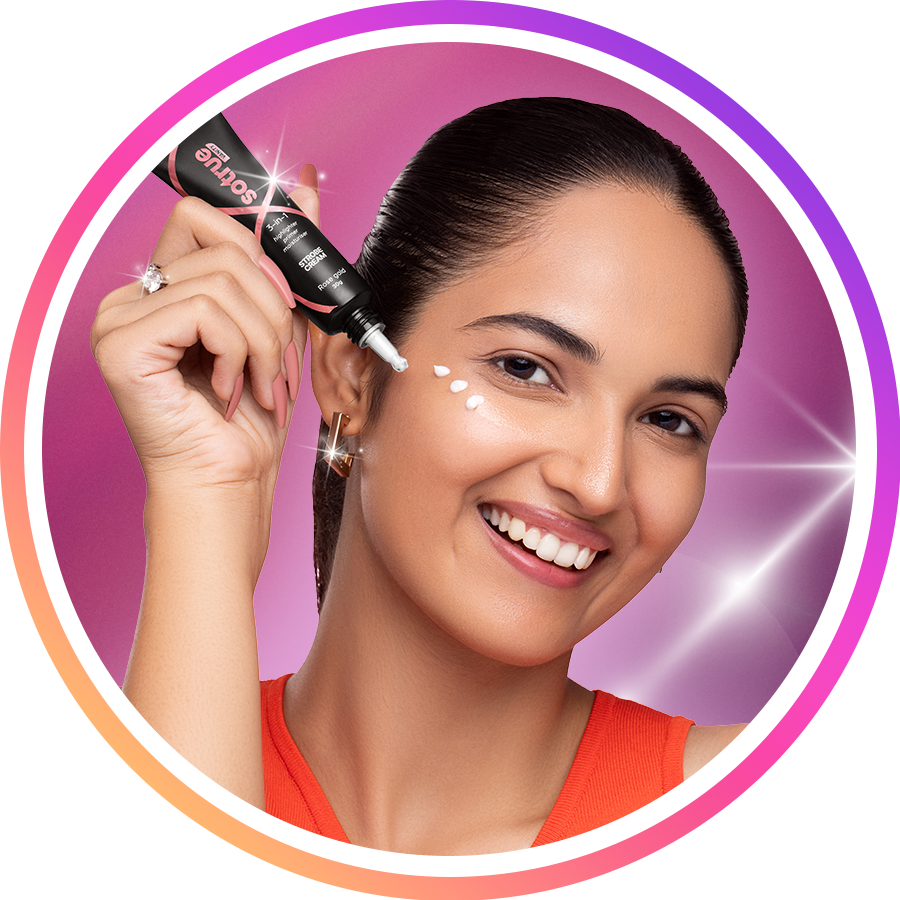
Dot Sotrue's 4-in-1 Skin Tint across the forehead, cheeks, nose and chin, the way you would apply a moisturiser, then blend outward from the centre of the face with fingers, a brush or a damp sponge. This first pass should look almost sheer. That is the point, the first layer is doing the "even out" job, not the "cover everything" job.
Step 3: Build Only Where You Need More, Not All Over

If your central face has more redness or unevenness than the rest, add a second thin layer there specifically, patting rather than dragging, rather than reapplying the whole face a second time. Reapplying everywhere just to fix one area is the most common way buildable coverage ends up looking heavier than intended.
Step 4: Spot-Conceal Instead of Adding a Second Full Layer
For anything a thin tint layer will not fully even out, dark circles, active blemishes, a stubborn patch of pigmentation, a small amount of concealer placed only on that spot does more than a third layer of tint everywhere. This keeps the rest of the face looking like skin while still addressing the specific area that needs it.
Step 5: Set Selectively to Lock It In
Set only the areas prone to oiliness, typically the T-zone, with a light dusting of powder. Setting the whole face flattens the natural, buildable finish that is the entire reason to choose this format over a heavier foundation.
Skin Tint vs Foundation: Which Actually Builds Coverage Better?
| Skin Tint | Foundation | |
|---|---|---|
| Starting coverage | Sheer | Medium to full from the first layer |
| How it builds | Thin layers stack cleanly | Extra product often sits thicker rather than building evenly |
| Skincare benefits built in | Often yes (Sotrue's includes Collagen Peptide, an NMF Complex and Vitamin E) | Varies, often minimal |
| SPF commonly included | Often | Sometimes |
| Best for | Everyday, natural-finish buildable coverage | Full-day, fully "made up," higher-coverage needs |
For most everyday situations, wanting slightly more coverage on some days without committing to a heavier base, a skin tint's buildability does the job with less product and less risk of looking cakey.
Frequently Asked Questions
How many layers of skin tint is too many? Beyond two thin layers in the same spot, most buildable formulas start to look heavier rather than more even. If you need more than that, spot-concealing the specific area works better than a third full layer.
Can I build coverage with a skin tint if I have oily skin? Yes, provided the formula is non-comedogenic, as Sotrue's is. Setting the T-zone with a light powder after building coverage helps it last without adding extra shine.
Why does my buildable tint look patchy instead of even when I add more? This usually means the second layer was applied over an already-dry first layer instead of while it was still slightly workable, or applied unevenly rather than blended outward. Building coverage works best in quick succession, not with a long gap between layers.
Is buildable coverage the same as full coverage, just applied gradually? No. A genuinely buildable formula is designed to stay sheer-to-medium even with multiple thin layers. If you need full, opaque coverage, a dedicated full-coverage foundation will get there in fewer layers.
Does building coverage with skin tint reduce how much SPF protection I get? A thin, unevenly applied layer of any SPF product, tint included, gives less reliable protection than a dedicated sunscreen applied generously underneath. Treat the tint's SPF 30 as additional protection, not your primary sun protection step.
Sources
- Sun Protection Practices in India: Preliminary Findings from a Nationally Representative Sample (PMC), sunscreen and sun-safe behaviour adoption rates among 1,560 Indian participants.
- IMARC Group, India Cosmetics Market Report, market size and skin/sun care category share figures.
By Pranavi Aggarwal, NPD, Sotrue | Textile Design (NIFT) and international MBA. Drives product innovation aligned with Sotrue's brand voice. Reviewed by Abhishek Jain, Formulation Expert, Sotrue.