




Weather conditions influence how people experience personal care products long after a product leaves the shelf. A formula that feels comfortable in one environment may respond differently when exposed to changes in temperature, humidity, dryness, or seasonal conditions. Understanding these differences helps consumers make more informed choices and helps product developers think beyond general performance expectations. The connection between climate and product effectiveness is becoming an important consideration for anyone exploring skincare needs for different climates.
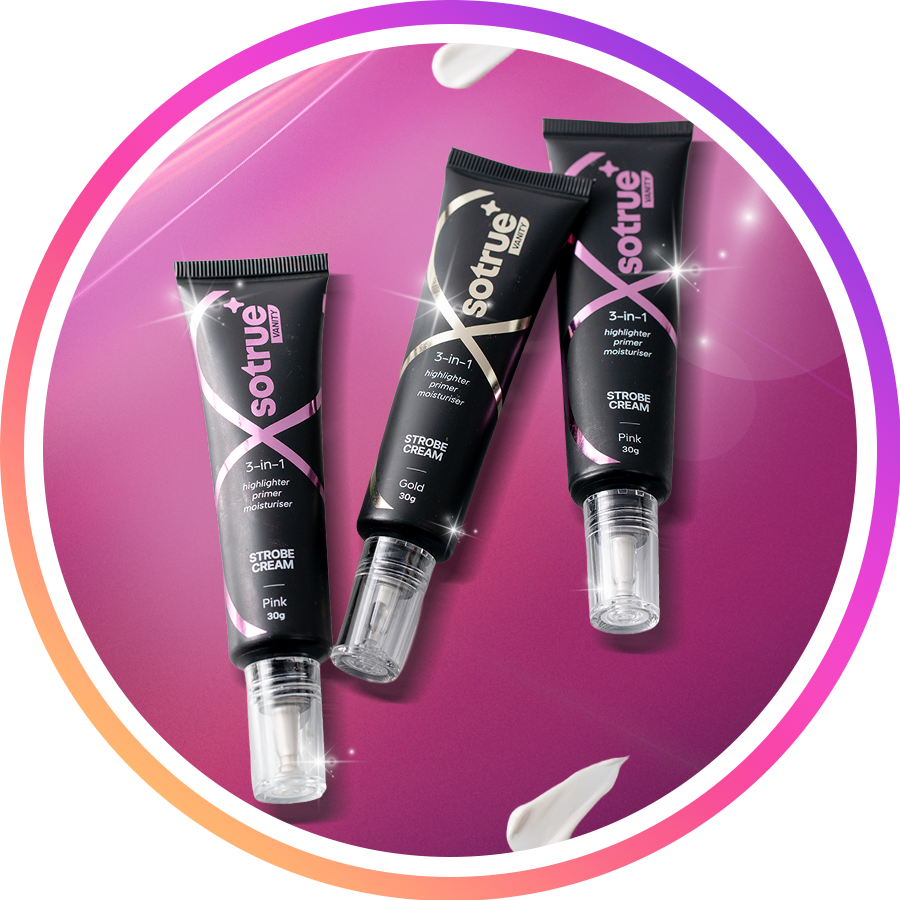
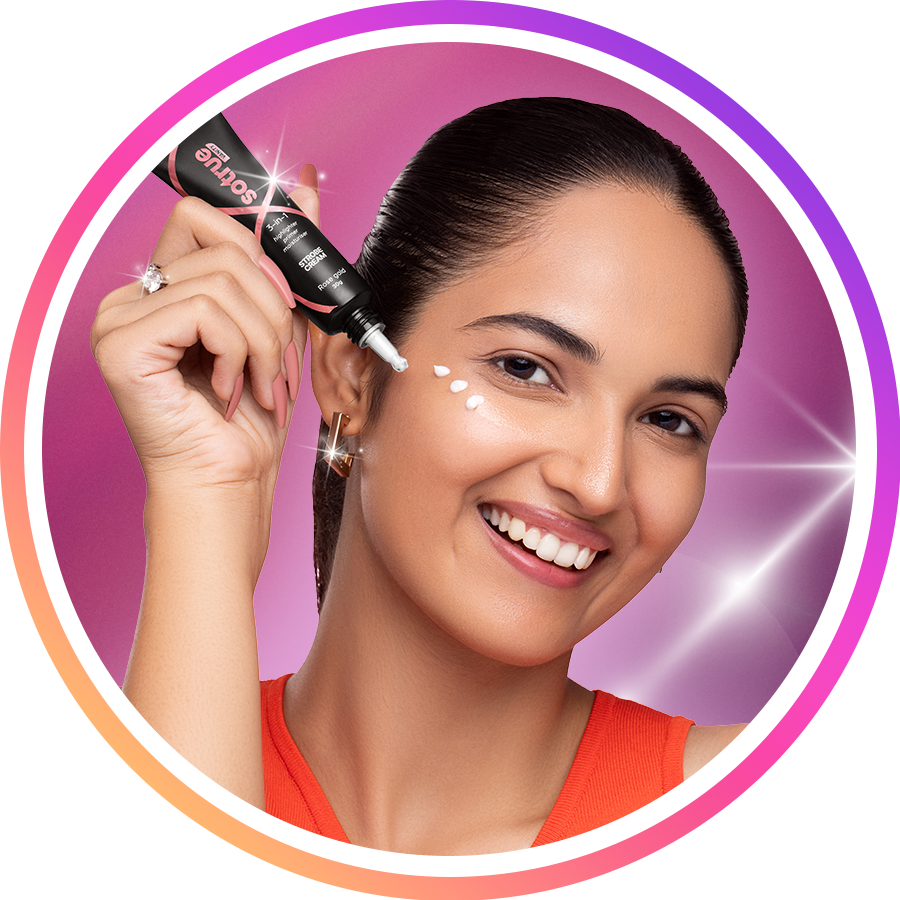
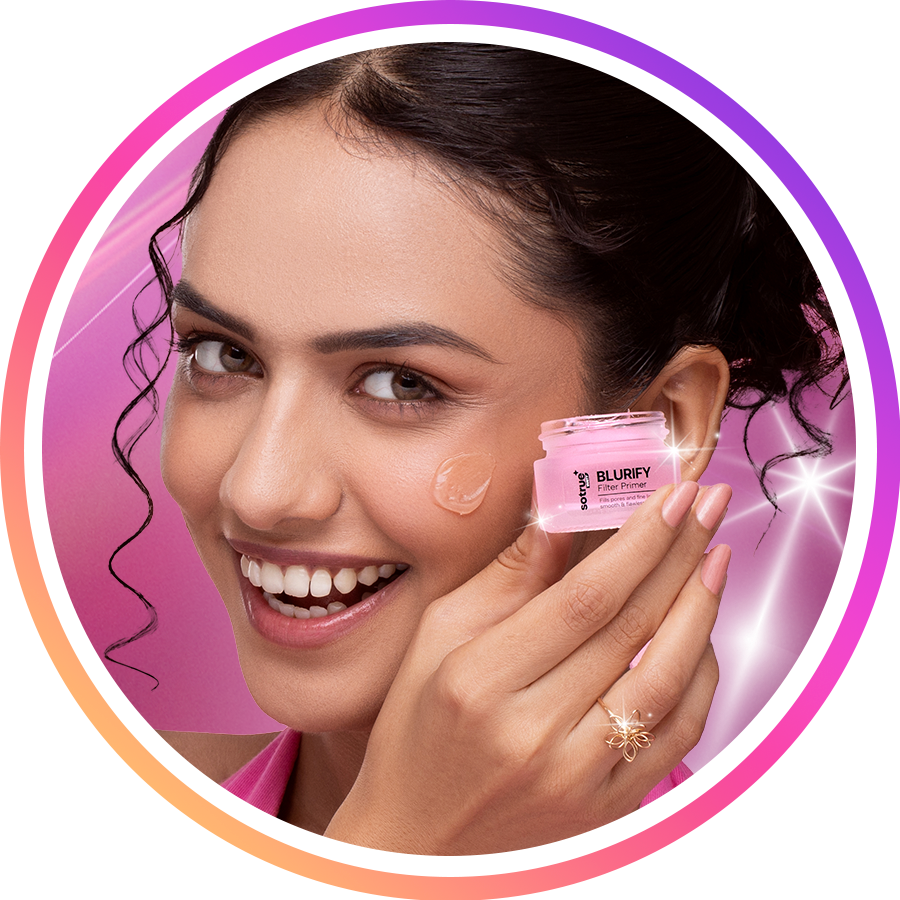
Struggling with beauty products that overlook Indian skin tones, humid climates, and everyday routines? Heavy formulas feel uncomfortable, fade by midday, irritate sensitive skin, and leave your complexion uneven or dull no matter how careful you are. Sotrue offers affordable, vegan, cruelty-free skincare, makeup and haircare thoughtfully crafted for Indian women. From reliable SPF and illuminating strobe creams to inclusive shades, every essential delivers natural radiance and genuine confidence that fits your real life. Shop Sotrue Now!
Why Climate Conditions Influence Product Performance
Personal care products are designed to interact with the skin, hair, and surrounding environment. Weather can affect how these products feel, absorb, and support daily routines. Factors such as moisture levels in the air, heat exposure, and seasonal shifts can change what consumers expect from their routines.
For example, a lightweight product may be preferred in conditions where excess moisture and heat affect comfort, while richer formulations may feel more suitable when environmental conditions contribute to dryness. This does not mean one product category works universally better than another. Instead, it highlights why consumers often look for products that match their specific surroundings.
The broader discussion around weather effects on skincare products reflects a shift toward understanding performance through real-life use cases. Product performance is no longer only about individual ingredients or features; it is also about how well a solution fits the environment where it is used.
How Humidity Changes Skincare Expectations
Humidity is one of the most noticeable environmental factors affecting skincare experiences. When moisture levels in the air are high, consumers may look for products with textures and characteristics that feel comfortable throughout the day. When air conditions are dry, the focus may shift toward maintaining a balanced and comfortable skin feel.
The relationship between humidity and personal care is not only about comfort. It also influences how people evaluate product performance. A product that feels ideal during one season may not deliver the same experience during another because the surrounding conditions have changed.
Understanding how humidity affects skincare products allows consumers to make more thoughtful decisions about their routines. Rather than selecting products based only on general recommendations, they can consider how their environment influences their personal needs.
For brands, humidity considerations encourage more precise communication. Explaining how a product fits different usage situations can help consumers understand why certain characteristics matter without relying on broad promises.
Regional Differences Create Different Product Requirements
Climate variation means that consumers do not all experience personal care products in the same way. Temperature, rainfall patterns, and seasonal changes can create different expectations for texture, application, and everyday usability.
Product development teams increasingly consider environmental conditions when thinking about performance. The textile and materials industries have similarly recognized that products need to work reliably under different conditions, with performance influenced by factors such as temperature, humidity, and specific user environments. These ideas around evolving product performance standards demonstrate why environmental suitability has become an important part of design thinking.
The same principle applies to beauty and personal care. Consumers may have different priorities depending on where they live and how weather affects their daily routines. A person dealing with dry seasonal conditions may focus on different product qualities than someone experiencing frequent heat or humidity.
These differences create opportunities for brands to educate audiences about regional skincare requirements. Helpful information allows consumers to connect product characteristics with their own experiences instead of following one universal routine.
Weather Patterns and Consumer Decision-making
Consumers increasingly want to understand why a product works for their lifestyle. Weather is one factor that can shape these decisions because it influences how products perform in practical situations.
A skincare routine is often adjusted when seasons change, when people move between climates, or when environmental conditions become less predictable. These adjustments are not only about replacing products; they are about understanding how surroundings affect daily habits.
The connection between climate and purchasing decisions also changes how brands approach education. Instead of focusing only on product descriptions, useful content can explain the relationship between environment, application, and expected results.
In regions with varied weather patterns, local conditions can also influence broader business planning. Research on changing climate conditions shows how weather variability can affect industries and consumer needs. For example, analysis of regional monsoon variability trends highlights how shifts in rainfall patterns can influence planning, supply considerations, and demand for solutions suited to different environmental challenges.
While weather alone does not determine consumer behavior, it provides valuable context for understanding why preferences differ between communities and seasons.
Building Better Routines Through Climate Awareness
A climate-aware skincare routine begins with observing how the skin responds to changing conditions. Consumers can consider factors such as seasonal transitions, indoor environments, outdoor exposure, and changes in daily activities.
Consider the Environment Alongside Product Choices
Choosing personal care products is not only about selecting ingredients or following trends. Environmental context can help people decide which textures, formats, and routines feel most appropriate for their needs.
- Temperature conditions: Heat and cooler environments can influence how comfortable a product feels during daily use.
- Humidity levels: Moisture in the air can affect preferences for product texture and application.
- Seasonal changes: Shifts in weather may require adjustments to everyday routines.
- Lifestyle factors: Outdoor activities, travel, and indoor environments can influence product expectations.
This approach supports the idea behind a skin care routine by climate, where environmental awareness becomes part of personal care decision-making.
What Product Developers Can Learn From Environmental Needs
Understanding weather-related product expectations can help companies create solutions that better match real-world usage. Performance-focused development requires considering not only what a product contains, but also where and how consumers will use it.
Environmental factors can influence decisions around formulation, communication, testing, and consumer education. When brands understand different usage conditions, they can create clearer guidance and more relevant experiences.
The focus on adaptability is also connected to wider product development trends. Across industries, companies are exploring ways to improve reliability by designing products around specific applications and environments rather than assuming every user has identical requirements.
For personal care brands, this means creating content that helps consumers understand the connection between climate and product performance. Educational guidance can strengthen trust by addressing practical questions about everyday use.
The Future of Climate-informed Personal Care
Weather will continue to be an important consideration in how people evaluate personal care products. As consumers become more aware of environmental influences, they are likely to look for information that helps them make choices suited to their routines and surroundings.
The relationship between climate and beauty is not about finding a single solution for every condition. It is about recognizing that product experiences can change depending on environmental circumstances. This perspective encourages more thoughtful product selection and more meaningful conversations between brands and consumers.
For companies in the beauty and personal care sector, climate awareness provides an opportunity to create educational resources that address real consumer questions. Explaining environmental factors affecting skincare can help audiences better understand why product performance may vary and how to adapt their routines accordingly.
Weather variations across regions affect product performance needs because people experience products through the conditions around them. By considering climate, lifestyle, and changing environmental factors together, consumers can make more informed choices, while brands can create more relevant and useful experiences.
Frequently Asked Questions
How does weather affect skincare product performance?
Weather conditions such as humidity, temperature, and seasonal changes can influence how skincare products feel, absorb, and perform during daily use. Understanding these environmental factors helps consumers choose routines that better match their climate and personal needs.
How does humidity affect skincare products and routines?
Humidity can change how skincare products feel on the skin, with some consumers preferring lighter textures in moist environments and richer formulations in drier conditions. Considering how humidity affects skincare products can help create a more comfortable and effective routine.
Why do skincare needs differ in different climates?
Skincare needs vary across climates because temperature, moisture levels, and environmental conditions can affect product expectations and skin comfort. A skin care routine by climate allows consumers to adjust their product choices based on their surroundings and seasonal changes.
Disclaimer: The above helpful resources content contains personal opinions and experiences. The information provided is for general knowledge and does not constitute professional advice.
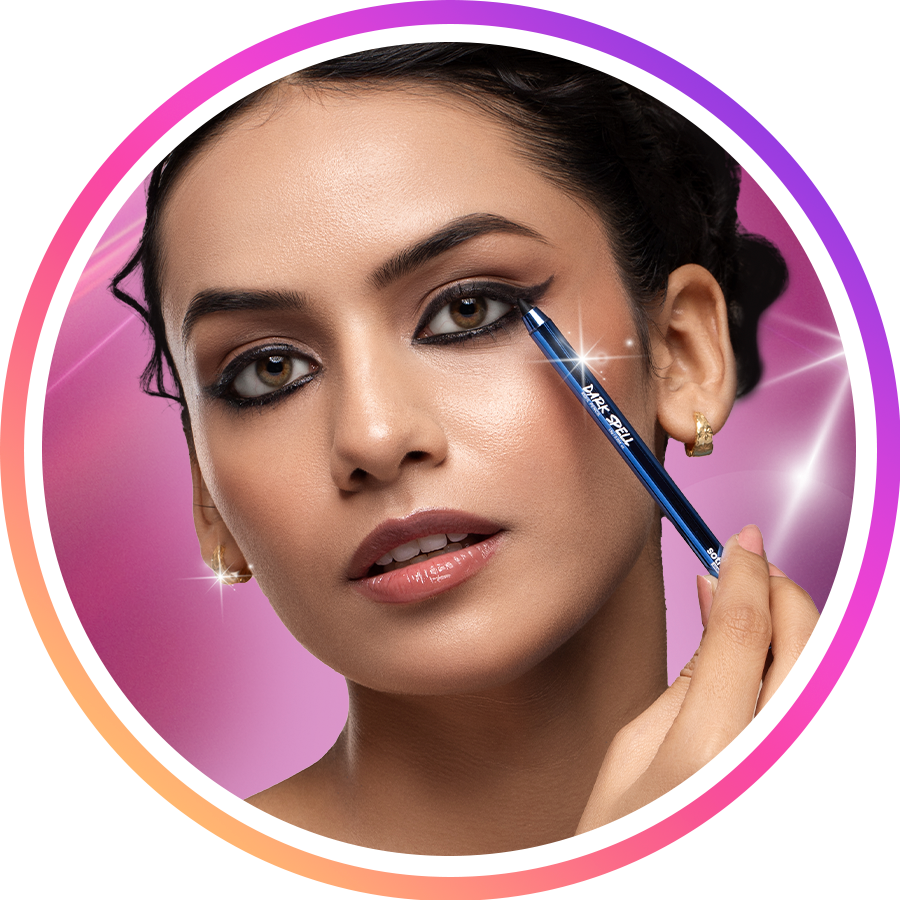
You may also be interested in: Dark Spell 2-in-1 Mascara | Lengthening & Volumizing - Sotrue
Struggling with beauty products that overlook Indian skin tones, humid climates, and everyday routines? Heavy formulas feel uncomfortable, fade by midday, irritate sensitive skin, and leave your complexion uneven or dull no matter how careful you are. Sotrue offers affordable, vegan, cruelty-free skincare, makeup and haircare thoughtfully crafted for Indian women. From reliable SPF and illuminating strobe creams to inclusive shades, every essential delivers natural radiance and genuine confidence that fits your real life. Shop Sotrue Now!
Powered by flareAI.co


