

Understanding the right order and purpose of products can make all the difference in achieving that smooth, glowing finish. Many beauty enthusiasts in India often wonder about the roles of hydrating primer and moisturizer, especially when building an effective routine for varying climates and skin types. While both contribute to hydrated skin, they serve distinct purposes in your daily regimen. This guide explores the key differences, helping you decide how to use them for optimal results before applying makeup.
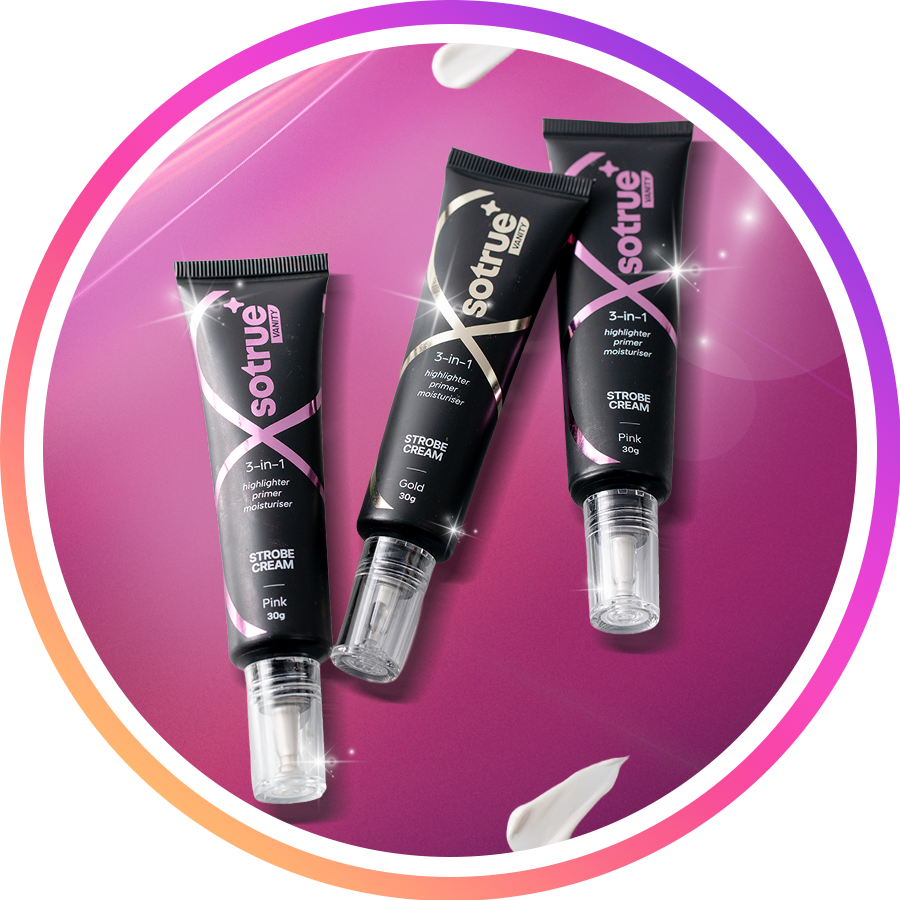
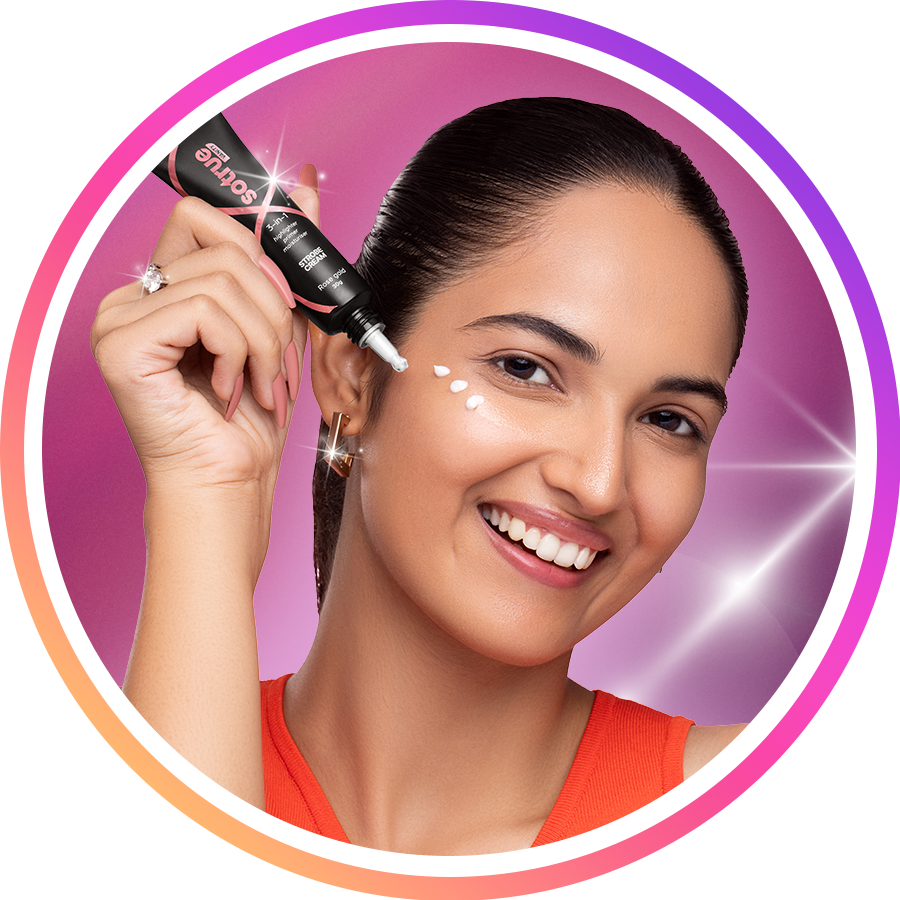
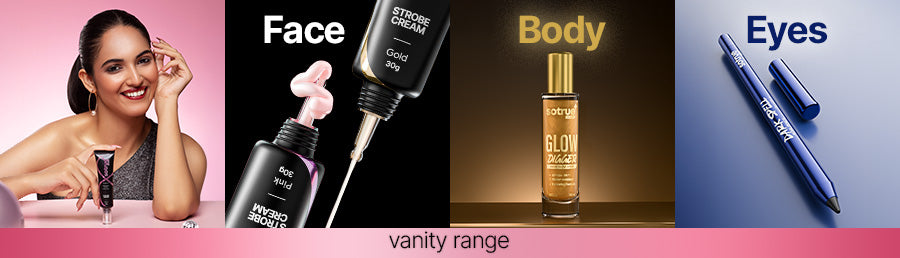
Struggling with beauty products that overlook Indian skin tones, humid climates, and everyday routines? Heavy formulas feel uncomfortable, fade by midday, irritate sensitive skin, and leave your complexion uneven or dull no matter how careful you are. Sotrue offers affordable, vegan, cruelty-free skincare, makeup and haircare thoughtfully crafted for Indian women. From reliable SPF and illuminating strobe creams to inclusive shades, every essential delivers natural radiance and genuine confidence that fits your real life. Shop Sotrue Now!
What Is a Moisturizer?
A moisturizer is a fundamental skincare product designed to hydrate and nourish the skin over time. It works by replenishing moisture, strengthening the skin barrier, and providing long-term benefits such as improved elasticity and reduced dryness. For many with dry or mature skin, a good moisturizer forms the cornerstone of daily care, locking in hydration after cleansing.
Moisturizers come in various formulations creams, lotions, gels tailored to different skin types. They often contain ingredients like hyaluronic acid, glycerin, ceramides, and natural oils that support the skin's natural functions. In India's diverse weather conditions, from humid coastal areas to drier northern regions, choosing the right texture ensures comfort throughout the day without feeling heavy or greasy.
What Is a Hydrating Primer?
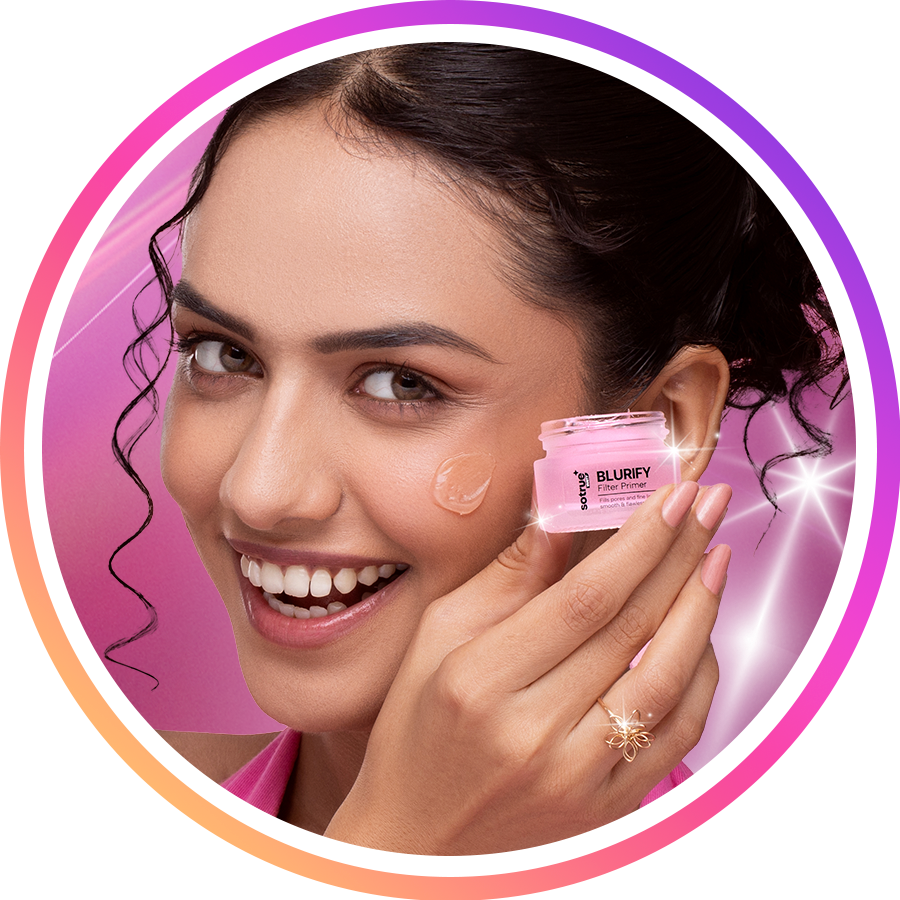
A hydrating primer, on the other hand, acts as a preparatory layer specifically for makeup application. It creates a smooth canvas by blurring imperfections, minimizing the appearance of pores, and providing an immediate boost of hydration. Unlike a daily moisturizer, its focus is on short-term performance: helping foundation glide on evenly and last longer while preventing it from settling into fine lines.
Many hydrating primers include flexible polymers and emollients such as squalane or jojoba seed oil. These give skin a supple feel right away, enhancing the overall look of makeup without replacing deeper skincare steps. For those dealing with dryness that affects makeup wear, a hydrating primer offers that extra grip and luminosity.
Key Differences Between Hydrating Primer and Moisturizer
The primary distinction lies in their timing and goals. A moisturizer delivers sustained hydration as part of your skincare routine, working beneath the surface to maintain skin health. A hydrating primer, however, sits on top as the first makeup step, focusing on texture refinement and product adhesion.
While both may contain overlapping ingredients like hyaluronic acid, their formulations differ in texture and function. Moisturizers absorb deeply for barrier repair, whereas primers often feature a silkier feel to create a flawless base. Using one in place of the other can lead to suboptimal results primer alone may not provide enough ongoing nourishment, and moisturizer alone might leave skin less prepared for seamless makeup application.
A makeup primer serves as the essential first step in any flawless application routine, prepping the skin for foundation, concealer, or other products by creating a smoother, more polished canvas. Unlike a daily moisturizer, which primarily delivers long-term hydration and barrier support, a primer focuses on immediate benefits such as evening out texture, minimizing the appearance of pores, controlling shine, or delivering a dewy glow. What does primer do explains that hydrating primers stand out especially for those with dry or mature skin, incorporating ingredients like hyaluronic acid, squalane, and natural oils to nourish without replacing the regular moisturizer step. These formulas not only enhance makeup longevity but also improve the overall feel and appearance of the skin underneath, making it supple and ready for layers.
Can You Use Primer Instead of Moisturizer?
Many ask if a hydrating primer can replace moisturizer entirely. The answer is generally no. Primers are not formulated for long-term skin barrier support or deep hydration needs. Skipping moisturizer can leave skin vulnerable, especially in dry seasons or for mature skin prone to creasing. The best approach combines both: moisturize first for foundational care, then apply primer for makeup-ready perfection.
Benefits of Using a Hydrating Primer
Hydrating primers shine in delivering instant smoothness and glow. They help control shine in humid conditions common across India while ensuring makeup stays fresh for hours. For dry or mature skin, they plump the surface subtly, reducing the visibility of lines and creating a more youthful canvas.
Additional perks include better foundation blendability and extended wear time. This makes them particularly useful for special occasions, office days, or when you want a polished look without frequent touch-ups. Choosing a primer suited to your skin type whether dewy for glow or mattifying for balance enhances everyday routines.
The Right Order: Moisturizer Before Makeup
Building an effective skincare before makeup routine follows a logical sequence. After cleansing, apply your regular moisturizer and allow it to absorb fully. This step ensures skin receives necessary hydration and prepares it for subsequent layers without pilling.
Once the moisturizer settles, follow with a hydrating primer. Use fingertips for even distribution across the face, focusing on drier areas like cheeks or under eyes. This primer and moisturizer order creates synergy: the moisturizer nourishes deeply, while the primer refines and protects the makeup layer. The result is skin that looks naturally hydrated and makeup that performs better throughout the day.
Choosing the Best Primer for Dry Skin
For those with dry skin concerns, look for hydrating primers enriched with nourishing oils and humectants. These formulas provide the extra moisture boost needed to combat flakiness or patchiness under makeup. Test textures on your skin to find one that feels comfortable in local humidity levels.
When selecting makeup for mature skin, prioritizing hydration and smoothness becomes paramount because the skin naturally loses elasticity and moisture over time, making it prone to fine lines, texture irregularities, and dullness. A standout choice in this category is a hydrating primer that functions as a skin-smoothing base by using flexible, film-forming polymers and rich emollients like jojoba seed oil and squalane to create a supple canvas without adding heaviness. Best makeup for mature skin notes that this type of primer does not replace your daily moisturizer but serves as an additional layer that enhances the longevity and appearance of foundation or other products, ensuring they glide on evenly and resist settling into creases. Testers and makeup artists emphasize that hydration is the key factor in keeping mature skin supple and receptive to makeup.
Consider factors like skin sensitivity and any specific concerns such as fine lines. A lightweight, non-comedogenic option works well for daily use, while richer versions suit evening looks. Pairing with your existing moisturizer ensures compatibility and maximizes benefits.
Common Mistakes to Avoid
One frequent error is applying primer on unprepared skin, which can highlight dryness instead of concealing it. Another is over-layering products, leading to a heavy or cakey feel. Always allow time for absorption between steps.
Additionally, neglecting to match products to your skin type or climate can reduce effectiveness. In warmer, humid parts of India, opt for lighter gels; in cooler, drier areas, richer creams pair better with hydrating primers.
Practical Tips for Your Routine
Start simple: cleanse gently, moisturize thoroughly, prime strategically, then apply makeup. Experiment during non-rush days to perfect the timing. Many find that this combined approach transforms their makeup experience, delivering a fresh, camera-ready appearance from morning to evening.
Listen to your skin's needs and adjust seasonally. For mature skin, the hydration focus becomes even more valuable, helping maintain a supple, radiant look. Consistency in following the proper sequence yields noticeable improvements in both skin feel and makeup longevity.
Ultimately, recognizing that hydrating primer and moisturizer complement rather than compete allows for a more intentional beauty routine. By understanding their unique roles, you can achieve smoother application and healthier-looking skin tailored to your lifestyle.
Whether preparing for daily wear or festive occasions, mastering the difference between these essentials empowers better choices. Explore options that align with your skin's requirements for results that feel both effective and effortless.
Frequently Asked Questions
Can a hydrating primer replace a moisturizer?
No. A hydrating primer is designed to prepare the skin for makeup by smoothing texture and improving makeup wear, while a moisturizer provides long-lasting hydration and supports the skin barrier. For the best results, apply moisturizer first and follow with a hydrating primer before makeup.
What is the difference between a hydrating primer and a moisturizer?
A moisturizer focuses on nourishing the skin, restoring hydration, and strengthening the skin barrier as part of your skincare routine. A hydrating primer is a makeup-prep product that creates a smooth surface, minimizes the appearance of pores, and helps foundation apply evenly and last longer. Although both may contain hydrating ingredients, they serve different purposes.
How should I apply moisturizer and hydrating primer before makeup?
After cleansing, apply your moisturizer and allow it to absorb completely. Once the skin feels hydrated, apply a thin layer of hydrating primer, focusing on areas where makeup tends to settle or where extra smoothness is needed. This order helps create a hydrated base, improves makeup application, and enhances wear throughout the day.
Disclaimer: The above helpful resources content contains personal opinions and experiences. The information provided is for general knowledge and does not constitute professional advice.
You may also be interested in: Multi-functional Glow Products for College and Daily Wear in India
Struggling with beauty products that overlook Indian skin tones, humid climates, and everyday routines? Heavy formulas feel uncomfortable, fade by midday, irritate sensitive skin, and leave your complexion uneven or dull no matter how careful you are. Sotrue offers affordable, vegan, cruelty-free skincare, makeup and haircare thoughtfully crafted for Indian women. From reliable SPF and illuminating strobe creams to inclusive shades, every essential delivers natural radiance and genuine confidence that fits your real life. Shop Sotrue Now!
Powered by flareAI.co