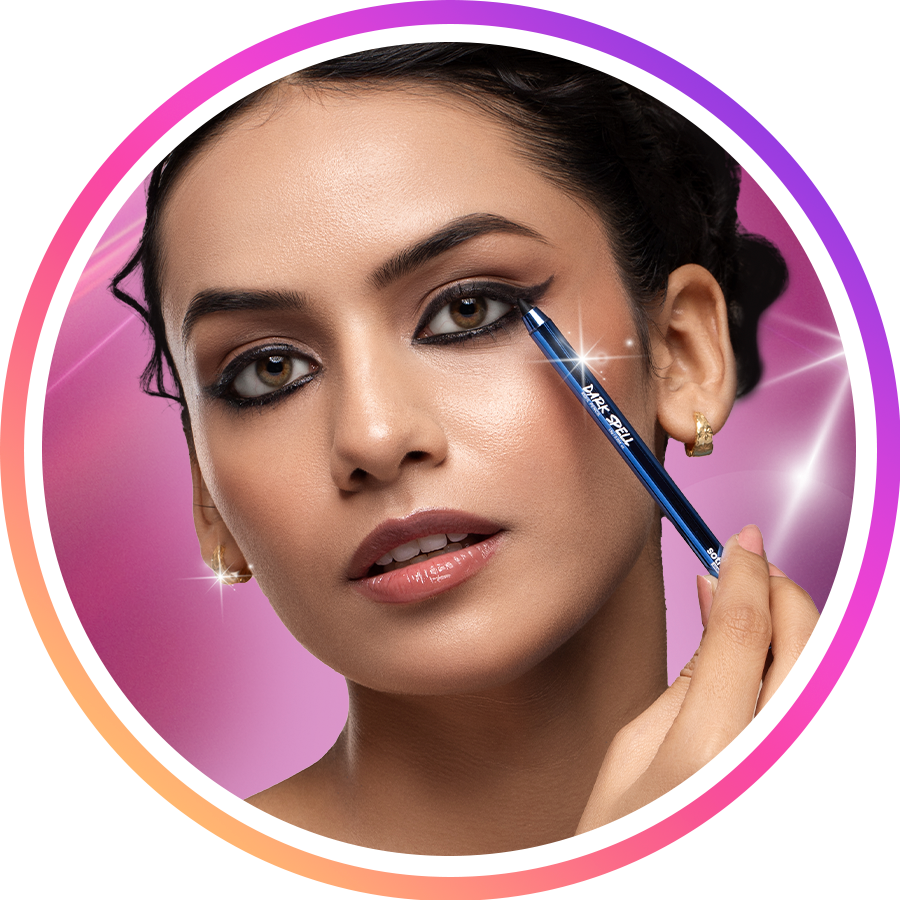



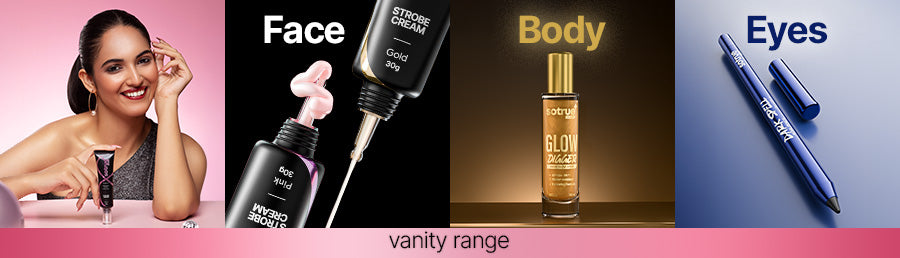


The short answer: Before you pick up any kajal, check the format (kohl pencil, cream kajal or a felt-tip), confirm it is smudge-proof and waterproof if you want it to last, and check that it does not list galena, lead or any unlisted heavy metal, since the eye area, and the waterline especially, is more sensitive than the rest of the face. Sotrue's Dark Spell Kohl Kajal Pencil is a 24-hour, one-stroke, smudge-proof and waterproof jet-black kajal built for this exact checklist, at ₹299 for 1.5g.
Table of Contents
- What Types of Kajal Are Actually Out There?
- What Should You Check on the Label Before Buying a Kajal?
- Why Does Ingredient Safety Matter More for Kajal Than Other Makeup?
- How Long Does a Kajal Actually Last Once You Open It?
- How Does Sotrue's Dark Spell Kohl Kajal Pencil Measure Up?
- Common Mistakes People Make With Kajal
- Frequently Asked Questions
What Types of Kajal Are Actually Out There?
"Kajal" gets used loosely, but the format you pick changes how it wears:
- Kohl pencil (twist-up or sharpenable): a firm, waxy stick, the most common format for a defined line on the waterline or lash line.
- Cream kajal (pot or tube with a brush or sponge tip): softer and more blendable, often used for a smokier, less precise finish.
- Felt-tip or liquid-style kajal: thinner application, closer to eyeliner, less common for waterline use specifically.
Sotrue's Dark Spell Kohl Kajal Pencil is the twist-up kohl pencil format, built specifically for one-stroke, jet-black pigment payoff.
What Should You Check on the Label Before Buying a Kajal?
Four things are worth checking before any kajal goes anywhere near your eye:
| What to check | Why it matters |
|---|---|
| Smudge-proof and waterproof claim | The waterline sits close to tear ducts and blinks constantly, so a non-resistant formula migrates within hours |
| Ophthalmologically safe / eye-safe formula | A claim specific to the eye area, not just general skin safety |
| Contact lens wearer suitability | A proxy for how gentle the formula is this close to the eye |
| No galena, lead or unlisted heavy metals | Traditional, unregulated kohl has historically used lead-based minerals, a modern kajal pencil should not |
Why Does Ingredient Safety Matter More for Kajal Than Other Makeup?
Kajal is applied closer to the eye, and often directly on the waterline, than almost any other cosmetic. Research published in the Oman Journal of Ophthalmology has documented that traditional, lead-based kohl (made from galena) can lead to excessive lead storage in the body, with effects on the brain and bone marrow, which is one reason the US FDA does not permit lead-based ingredients in cosmetics sold in the United States. This does not mean every kajal today carries that risk. It means an unlabelled or artisanal kohl product is a meaningfully different item from a regulated, modern kajal pencil, and the difference matters most exactly where you are applying it.
How Long Does a Kajal Actually Last Once You Open It?
Any eye-area cosmetic can harbour bacteria over time, particularly once opened and exposed to air, applicators and repeated use near the tear duct. As a general eye-hygiene rule, replace kajal and other eye pencils every few months rather than using one indefinitely, sharpen a pencil-format kajal periodically to expose a fresh surface, and never share your kajal with someone else, even a family member.

How Does Sotrue's Dark Spell Kohl Kajal Pencil Measure Up?
Sotrue's Dark Spell Kohl Kajal Pencil is built specifically around the checklist above:
- 24-hour stay, smudge-proof and waterproof, holding through a full workday or a long function
- Ophthalmologically tested and positioned for sensitive eyes and contact lens wearers
- Infused with ceramides and marula oil, intended to keep the waterline comfortable rather than dry through the day
- One-stroke, jet-black pigment payoff, so you are not going over the same line repeatedly, which itself reduces irritation
Common Mistakes People Make With Kajal
- Applying over moisturiser or primer residue near the eye, the most common reason kajal transfers within hours
- Dragging the pencil at an angle instead of resting it flat, which deposits colour unevenly
- Using the same kajal for months without replacing it, which raises the risk of eye irritation or infection over time
- Assuming "waterproof" means "smudge-proof", they usually go together but are technically different claims, check for both
Frequently Asked Questions
Is it safe to use kajal on the waterline every day? A modern, ophthalmologically tested kajal formulated for daily wear, like Sotrue's Dark Spell pencil, is designed for regular use, unlike traditional lead-based kohl preparations, which health researchers advise against using regularly given documented lead-exposure risks.
What's the difference between a kohl pencil and a regular eyeliner pencil? A kajal formulated for the waterline is typically softer and more blendable to glide over the delicate inner rim without tugging, while an eyeliner formula is often firmer for a crisp line on the lash line.
Can I use kajal if I wear contact lenses? Sotrue's Dark Spell pencil is positioned as suitable for contact lens wearers. As with any eye-area cosmetic, discontinue use and consult an eye specialist if you notice irritation.
Does cream kajal last longer than a pencil kajal? Not necessarily, longevity depends more on the specific formula's smudge-proof and waterproof claims than on whether it is a pencil or a cream. Check the claim, not just the format.
How do I know if my kajal has expired? If the texture has hardened, cracked, changed smell, or you cannot recall when you opened it (generally more than a few months for eye-area cosmetics), it is safer to replace it than keep using it near your eyes.
Sources
- Kajal (Kohl): A Dangerous Cosmetic, Oman Journal of Ophthalmology (PMC), heavy metal content and lead-exposure risk of traditional galena-based kohl, and US FDA position on lead in cosmetics.
By Muskan Chhabra, NPD, Sotrue | B.Sc (Hons) Chemistry, University of Delhi. Focuses on skincare and makeup formulation for Indian skin tones and climate. Reviewed by Abhishek Jain, Formulation Expert, Sotrue.