






In the bustling streets of Mumbai or the steamy afternoons of Chennai, everyday products face a relentless test that designers in drier climates rarely consider: persistent humidity. For manufacturers and exporters from the United States, Canada, and Europe eyeing India's dynamic consumer market, understanding how high moisture levels affect product longevity isn't just technical it's a critical business imperative that separates market leaders from those left behind.
Performance in Humid Indian Weather Puts Product Longevity to the Test as companies discover when their electronics short-circuit, vehicles corrode faster than expected, or appliances develop mold in ways never encountered in temperate home markets.
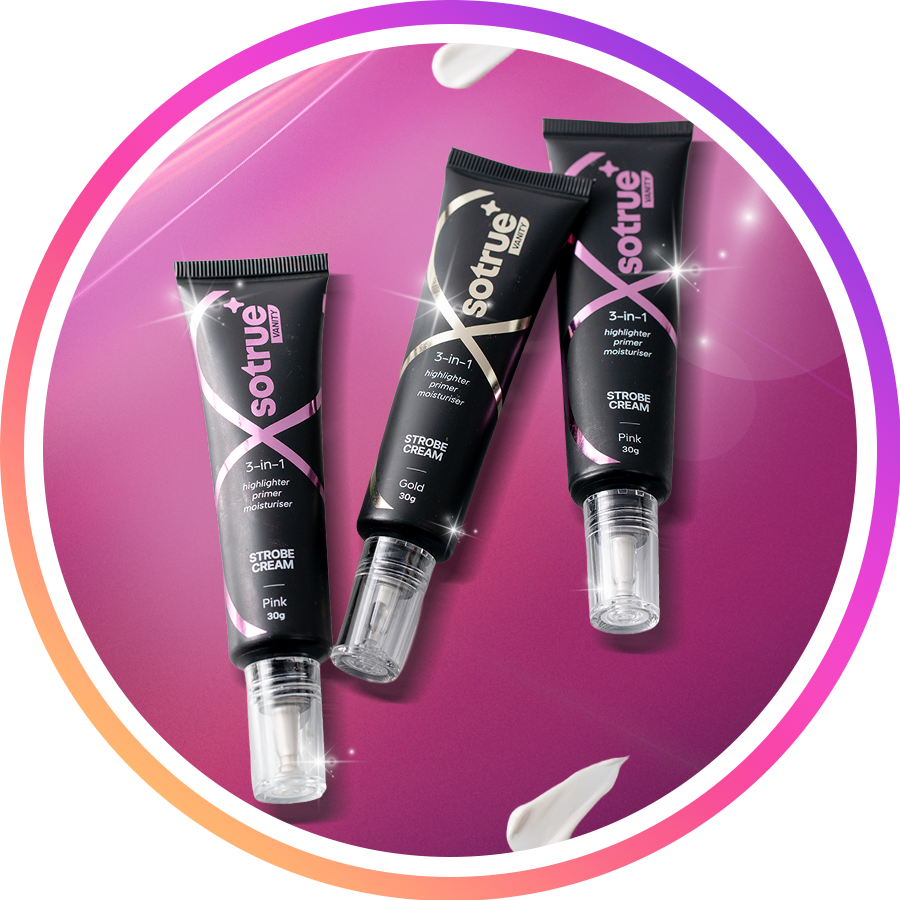
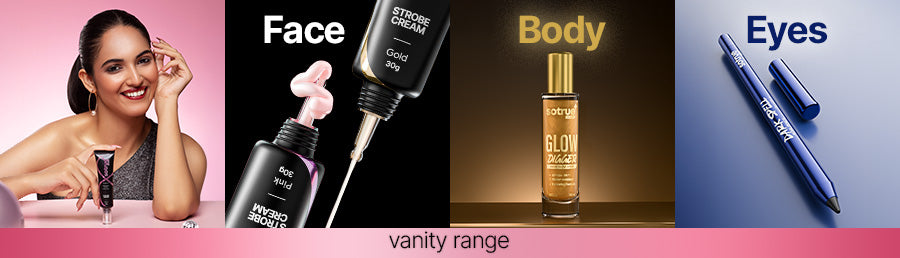
Struggling with beauty products that overlook Indian skin tones, humid climates, and everyday routines? Heavy formulas feel uncomfortable, fade by midday, irritate sensitive skin, and leave your complexion uneven or dull no matter how careful you are. Sotrue offers affordable, vegan, cruelty-free skincare, makeup and haircare thoughtfully crafted for Indian women. From reliable SPF and illuminating strobe creams to inclusive shades, every essential delivers natural radiance and genuine confidence that fits your real life. Shop Sotrue Now!
Humidity as a Silent Saboteur Across India's Diverse Climates
India's vast geography creates dramatically different environmental challenges. From the arid deserts of Rajasthan to the tropical conditions along its long coastline, humidity levels vary sharply. Coastal cities such as Mumbai, Kolkata, and Chennai frequently see relative humidity exceeding 80 percent for extended periods, particularly during the monsoon season. This persistent moisture seeps into materials, speeds up corrosion processes, and puts even robust engineering to the ultimate test.
For international businesses targeting the Indian market, whether through exports or local partnerships, this environmental reality requires early consideration in the design phase. Electronics, automotive components, consumer appliances, and building materials are especially vulnerable. Overlooking these conditions often results in higher failure rates, disappointed customers, and expensive after-sales issues. Smart manufacturers instead develop solutions that truly thrive in such demanding settings.
Emerging Trends in Building Humidity-Resilient Products
Indian manufacturers, along with their international partners, are adopting more intelligent design strategies. Advanced materials and specialized protective coatings that actively repel moisture have become increasingly common. Leading research institutions including IIT Delhi and NIT Trichy conduct rigorous accelerated aging tests that compress years of real-world humid exposure into controlled laboratory weeks, allowing teams to strengthen product durability before market entry.
Another important development is the integration of IoT-enabled monitoring systems. These sensors track environmental conditions in real time and enable predictive maintenance, giving users and service teams advance warning before moisture-related problems escalate. This shift from reactive repairs to proactive protection proves especially valuable where consumers have come to expect dependable performance regardless of challenging local conditions.
From Laboratory Insights to Real-Field Application
Testing protocols have evolved significantly. Rather than relying solely on standard constant-humidity chambers, engineers now simulate the daily cycles of intense heat, heavy rainfall, and subsequent drying that define much of India's climate. This more realistic approach yields designs better suited to actual usage patterns across different regions.
Real-World Lessons from Indian Industry Applications
Automotive companies perform extensive validation trials in Chennai's coastal environment, carefully evaluating corrosion resistance on chassis components, electronic modules, and body panels. Insights from the Society of Indian Automobile Manufacturers underscore how localized testing uncovers vulnerabilities that generic international protocols often miss.
Electronics brands such as Micromax and Lava have improved moisture protection through iterative field trials in humid metropolitan areas. Their engineers moved beyond simple seals to incorporate breathable membranes and specialized conformal coatings that shield circuit boards while preventing heat buildup.
Consumer appliances face similar pressures. Air conditioning systems destined for high-humidity states like Kerala and West Bengal now include enhanced features to reduce internal mold growth and component corrosion. A manufacturer based in Hyderabad achieved noticeable improvements by modifying plastic enclosures and ventilation pathways specifically for local conditions, resulting in meaningfully longer service life driven by direct customer feedback and repeated testing cycles.
Key Challenges Facing Manufacturers in Humid Environments
Continuous exposure to moisture accelerates corrosion and reduces battery performance in electronic devices. Metal contacts oxidize, delicate circuits develop faults, and sensitive components can fail well before their expected lifespan. Automotive and industrial equipment similarly experience material fatigue that compromises structural integrity over time.
Supply chain realities add complexity. Securing reliable supplies of high-performance, humidity-resistant materials within India can be challenging, sometimes necessitating imports that raise costs and extend lead times. Significant climate variation across regions further complicates standardization designs optimized for drier northern winters may underperform during the intense monsoons of eastern states, demanding thoughtful, localized adaptation rather than uniform global specifications.
Transforming Environmental Challenges into Competitive Strengths
Progressive companies view these demands as opportunities for differentiation. Premium product lines positioned as humidity-tested or specifically engineered for Indian conditions earn strong customer preference and loyalty. By addressing potential failure points during development, brands substantially reduce warranty claims and ongoing service expenses.
This strategic focus delivers genuine market distinction. Organizations that weave detailed regional climate understanding into their product development processes build deeper trust with Indian consumers who prioritize long-term reliability. Collaborative efforts between industry players and premier research centers like IIT Kanpur are driving meaningful innovation in materials science and testing methodologies.
Integrating Broader Economic Context and Growth Ambitions
India's development trajectory adds urgency to these durability considerations. The World Bank's Country Partnership Framework highlights the country's clear aspiration to reach upper-middle-income status within the coming decade while advancing its Viksit Bharat vision for 2047. As urbanization increases and consumer expectations rise, products that maintain performance in demanding humid conditions will play an important supporting role in this economic journey. International partners who align their offerings with these realities position themselves as valuable contributors to India's growth story.
Expert Perspectives and Future Innovation Pathways
Researchers at institutions including IIT Kanpur emphasize integrating humidity factors from the very first stages of design. Their findings demonstrate that early attention to these environmental stresses significantly enhances long-term product reliability in tropical and subtropical settings.
Looking ahead, continued progress in nanocoatings, self-healing materials, and artificial intelligence systems capable of anticipating maintenance needs based on localized weather data offers promising avenues. These advancements point toward not only more durable goods but also more sustainable outcomes by reducing premature replacements and associated waste.
Practical Recommendations for International and Domestic Stakeholders
Businesses operating in or supplying the Indian market should emphasize ongoing field validation in high-humidity zones instead of depending exclusively on laboratory simulations. Strategic investment in joint research and development initiatives with Indian academic and technical institutions yields culturally attuned innovations that resonate locally. Creating platforms for cross-industry knowledge exchange helps spread effective practices more rapidly.
For companies based in the United States, Canada, and Europe, this requires a thoughtful adjustment of design assumptions shaped by milder home climates. The reward is stronger market positioning and products that genuinely fulfill customer needs in one of the world's most vibrant and challenging consumer landscapes. As global supply chains evolve and emerging markets gain prominence, mastery of humidity-related durability becomes a meaningful competitive edge.
By embracing these environmental realities with creativity and technical rigor, manufacturers across sectors can deliver lasting value while supporting broader economic and sustainability goals. The lessons learned in India's humid conditions ultimately benefit product development worldwide, raising standards for resilience wherever challenging climates prevail.
Frequently Asked Questions
How does India's humid weather affect product longevity for electronics and appliances?
India's high humidity often exceeding 80% relative humidity in coastal cities like Mumbai, Chennai, and Kolkata accelerates corrosion, oxidizes metal contacts, and causes circuit faults in electronics well before their expected lifespan. Consumer appliances are equally vulnerable, with internal mold growth and component degradation being common issues in high-humidity states like Kerala and West Bengal. Manufacturers who invest in moisture-resistant coatings, breathable membranes, and localized testing protocols significantly extend product service life in these demanding conditions.
What testing methods help manufacturers build humidity-resistant products for the Indian market?
Leading manufacturers and research institutions like IIT Delhi and NIT Trichy use accelerated aging tests that simulate years of humid exposure in compressed laboratory timeframes. Engineers also replicate India's real-world climate cycles intense heat, heavy monsoon rainfall, and subsequent drying rather than relying solely on standard constant-humidity chambers. Increasingly, IoT-enabled sensors are integrated into products to monitor environmental conditions in real time and trigger predictive maintenance before moisture-related failures occur.
What should international businesses from the US, Canada, or Europe consider when exporting products to India's humid climate?
Companies entering the Indian market must redesign products with regional humidity in mind from the earliest development stages, since design assumptions based on milder home climates often lead to higher failure rates and costly after-sales issues. Investing in joint R&D with Indian academic institutions and conducting ongoing field validation in high-humidity zones rather than relying solely on lab simulations helps uncover vulnerabilities that generic international testing protocols miss. Brands that position their offerings as specifically humidity-tested for Indian conditions gain stronger customer trust, reduced warranty claims, and a meaningful competitive edge in one of the world's fastest-growing consumer markets.
Disclaimer: The above helpful resources content contains personal opinions and experiences. The information provided is for general knowledge and does not constitute professional advice.
You may also be interested in: Lightweight Gel Sunscreen | SPF 50+ PA+++ - Sotrue
Struggling with beauty products that overlook Indian skin tones, humid climates, and everyday routines? Heavy formulas feel uncomfortable, fade by midday, irritate sensitive skin, and leave your complexion uneven or dull no matter how careful you are. Sotrue offers affordable, vegan, cruelty-free skincare, makeup and haircare thoughtfully crafted for Indian women. From reliable SPF and illuminating strobe creams to inclusive shades, every essential delivers natural radiance and genuine confidence that fits your real life. Shop Sotrue Now!
Powered by flareAI.co