






In the vast and vibrant landscape of India's beauty industry, one truth stands out: what sells in Delhi might not resonate in Kochi, and what connects during Diwali in the north
could miss the mark during Onam in the south. For brands whether homegrown treasures or international players success depends on deeply understanding and embracing these regional nuances across product formulation, distribution channels, and marketing messages.
This goes far beyond minor adjustments like tweaking a foundation shade or swapping a single ingredient. It involves recognizing how India's remarkable diversity in climate, culture, language, and daily habits shapes purchasing decisions at a very local level. As interest in Indian beauty rituals, especially Ayurveda, grows worldwide, executives and marketers in the West are increasingly studying how these localized strategies deliver tangible results on the ground.
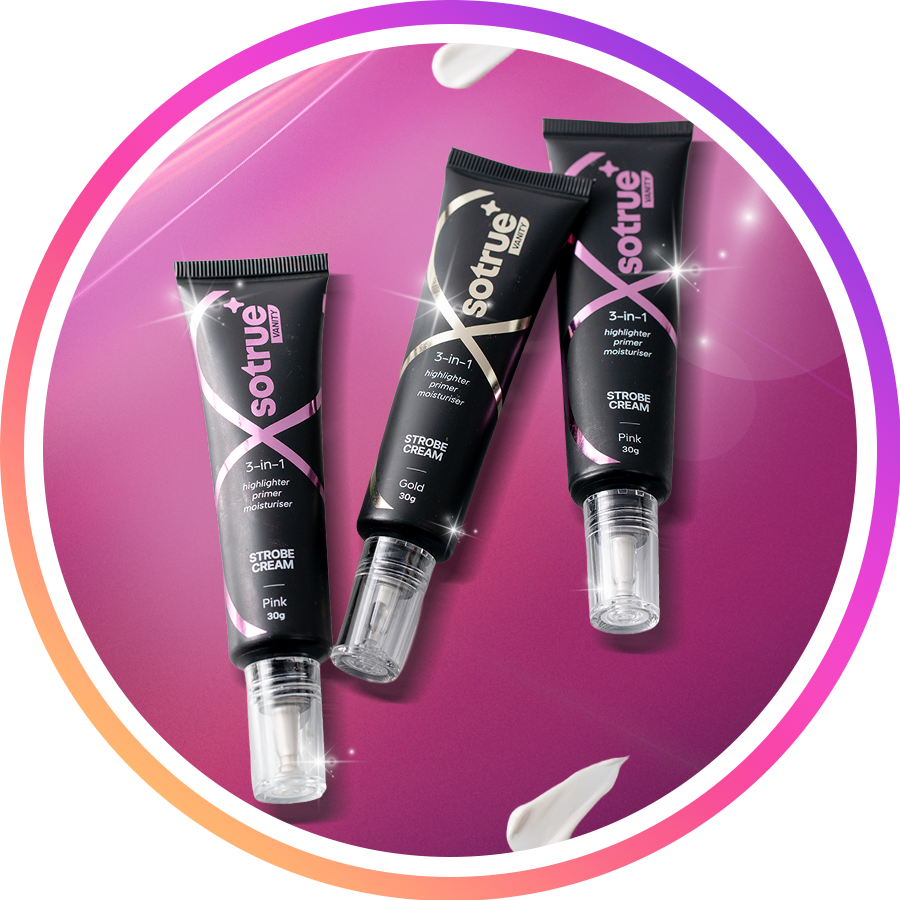
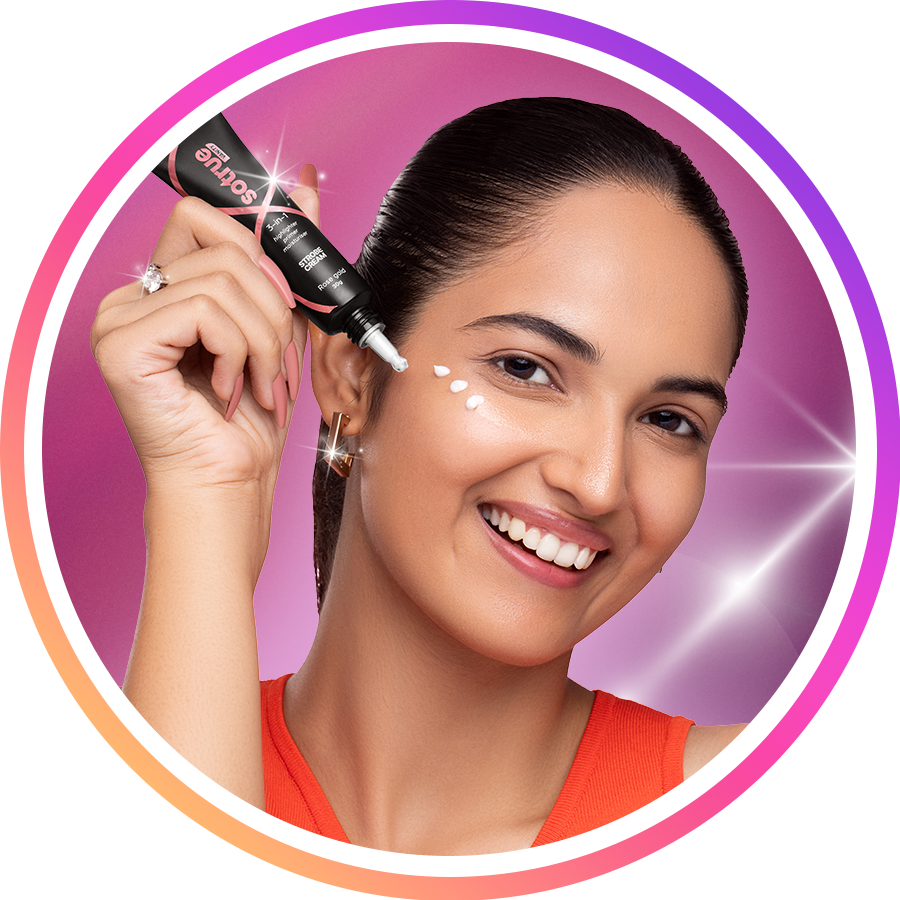
Struggling with beauty products that overlook Indian skin tones, humid climates, and everyday routines? Heavy formulas feel uncomfortable, fade by midday, irritate sensitive skin, and leave your complexion uneven or dull no matter how careful you are. Sotrue offers affordable, vegan, cruelty-free skincare, makeup and haircare thoughtfully crafted for Indian women. From reliable SPF and illuminating strobe creams to inclusive shades, every essential delivers natural radiance and genuine confidence that fits your real life. Shop Sotrue Now!
Understanding India's Diverse Beauty Landscape
India is not a uniform market but a rich mosaic of distinct micro-markets. Skin and hair concerns shift dramatically from the arid heat of Rajasthan to the humid coastal areas of Kerala. Cultural preferences add further complexity certain skin tone products have traditionally appealed more strongly in northern states, while southern consumers often seek hair care suited to tropical conditions and longstanding oiling traditions.
Linguistic diversity intensifies this challenge. A campaign that performs well in Hindi-speaking regions may require completely different messaging, imagery, and platforms in Tamil Nadu or West Bengal. This reality drives forward-thinking brands to invest in granular regional consumer insights instead of depending on a uniform national strategy.
Tier-2 and tier-3 cities stand out as particularly promising. As infrastructure develops and disposable incomes grow, these emerging centers are becoming key growth drivers. Consumers in cities like Lucknow, Coimbatore, or Guwahati do not simply copy metropolitan trends they thoughtfully adapt them to align with local lifestyles and values, creating unique opportunities for brands that listen carefully.
Emerging Trends Shaped by Regional Preferences
A standout shift is the strong resurgence of Ayurvedic and natural formulations. Brands grounded in traditional wisdom thrive because they connect authentically with consumer's desire for holistic, heritage-based solutions. In states such as Kerala and Karnataka, where Ayurvedic practices run deep, herbal ingredients represent an expectation rather than a promotional tactic.
This demand for authenticity shapes decisions from ingredient sourcing to packaging design. Consumers across regions look for products addressing their specific environmental realities: pollution protection in northern metropolitan areas, humidity-resistant options in the east and south, or gentle, climate-suited care in western parts of the country.
Social media and e-commerce have powerfully amplified these regional voices. Influencers communicating in local languages and demonstrating area-specific routines help brands break through the clutter. A tutorial highlighting coconut oil rituals may dominate in southern feeds, while turmeric-focused glow routines gain momentum elsewhere. Digital tools enable hyper-targeted campaigns that feel personal and relevant rather than centrally imposed.
Real-World Examples of Successful Adaptation
Forest Essentials offers a compelling case, having built lasting reputation by remaining faithful to Ayurvedic principles while expanding thoughtfully across diverse regions. Their focus on slow beauty rituals and premium natural ingredients appeals to consumers seeking luxury rooted in tradition. This approach has helped the brand stay relevant from bustling urban centers to smaller towns.
Biotique has taken a similar path, using its herbal formulations to connect across varied markets and adapting distribution to suit local retail landscapes. Larger companies like L'Oréal India and Hindustan Unilever showcase advanced localization. They develop festival-specific campaigns such as glowing skin promotions linked to Diwali in the north or fresh festive looks for Onam in Kerala that create genuine emotional connections with consumers.
These brands go beyond simple translation. They partner with regional retailers, fine-tune product assortments according to local demand, and collaborate with distribution networks familiar with neighborhood-level preferences. The outcome is stronger shelf presence and deeper consumer loyalty that translates into sustained business growth.
Navigating the Challenges of Regionalization
Regional approaches naturally come with hurdles. Creating consistent campaigns across India's linguistic mosaic demands significant effort. Messaging that resonates in one state can feel out of place in another, requiring marketing teams to maintain constant cultural awareness and flexibility.
Pricing sensitivity differs markedly by region as well. A product positioned as accessible in a major city might appear premium in smaller markets, pushing brands toward thoughtful portfolio segmentation. Regulatory details introduce another consideration, with state-level rules on labeling, safety standards, and product claims necessitating careful compliance strategies that preserve operational agility.
Counterfeit goods continue to pose challenges, especially in less formal retail environments common in certain areas. Building and safeguarding trust calls for strong distribution partnerships and transparent, locally resonant communication that reinforces brand credibility.
Opportunities for Smarter Distribution and Marketing Strategies
Embracing regional preferences delivers considerable advantages. Brands leveraging localized insights can optimize inventory planning, minimize unsold stock, and design promotions that genuinely drive engagement. Recognizing how specific skin concerns intensify during certain seasons in particular climates enables more timely and effective product introductions.
Tier-2 and tier-3 cities represent significant potential as rising incomes encourage greater aspiration. Consumers in these areas frequently combine contemporary trends with traditional practices, opening doors for creative hybrid products and campaigns. International brands expanding into India are discovering that cultural fluency through collaboration with local influencers, tailored packaging, or formulations matched to prevalent hair and skin types speeds up market acceptance.
Customization emerges as a promising frontier. Expanding skin tone ranges to better mirror India's diversity, or developing hair care solutions that account for varying regional water qualities and styling preferences, allows for more meaningful personalization that strengthens consumer relationships.
Distribution Strategies That Win Locally
Effective distribution requires more than national coverage. Successful brands build flexible networks that adapt to regional retail patterns, whether through traditional kirana stores in smaller towns or modern quick-commerce platforms in metros. This agility ensures products reach consumers through channels they actually trust and frequent.
Looking Ahead: The Strategic Edge of Regionalization
For beauty brands active in or entering India, a regionally attuned mindset has become essential for competitive success. Organizations that view the market as a collection of distinct opportunities, rather than a single entity, position themselves to forge stronger connections and achieve more sustainable expansion.
This strategic direction involves ongoing investment in field-level research, alliances with local influencers who truly understand their audiences, and supply chains flexible enough to support varied product offerings. Monitoring extends beyond broad national trends to include festival calendars, seasonal changes, and evolving local beauty rituals that reveal emerging directions.
As Indian beauty concepts influence global discussions around natural ingredients and mindful self-care, brands mastering these internal regional nuances gain valuable expertise they can potentially apply in other diverse markets worldwide. The leaders will be those who attentively listen to consumers across every corner of this multifaceted nation and respond with offerings and narratives that feel genuinely authentic.
Ultimately, India's beauty sector rewards genuine respect for its complexity. By leaning into regional preferences instead of attempting to override them, brands move beyond simply selling products. They integrate into consumer's daily rituals and cultural identities, creating lasting bonds.
Practical Takeaways for Beauty Executives and Marketers
- Prioritize regional consumer research: In-depth, localized insights consistently outperform broad national surveys in guiding effective decisions.
- Build flexible distribution networks: Collaborate with partners who understand hyper-local retail dynamics and consumer pathways.
- Develop modular marketing assets: Design core campaigns that can be thoughtfully adapted across cultures while preserving overall brand coherence.
- Embrace hybrid innovation: Combine traditional knowledge with modern science to create solutions addressing precise regional needs and concerns.
- Measure success at a regional level: Track performance by state or city clusters to enable continuous strategy refinement and improvement.
The beauty industry in India keeps evolving in compelling ways. For executives and brands ready to engage deeply with its regional tapestry, the rewards both in business performance and cultural resonance more than justify the focused effort required. By treating diversity as a strategic asset rather than a complication, forward-looking companies can build meaningful, enduring success in one of the world's most dynamic consumer markets.
Frequently Asked Questions
How do regional preferences influence beauty product marketing in India?
Regional preferences in India significantly shape how beauty brands craft their marketing messages, choose distribution channels, and develop product formulations. Factors like climate, language, cultural traditions, and local festivals such as Diwali in the north or Onam in Kerala drive brands to create hyper-targeted campaigns rather than a one-size-fits-all national strategy. Brands like L'Oréal India and Hindustan Unilever, for example, develop festival-specific promotions that build genuine emotional connections with regional consumers.
What opportunities do tier-2 and tier-3 cities offer for beauty brands in India?
Tier-2 and tier-3 cities like Lucknow, Coimbatore, and Guwahati are emerging as high-growth markets for beauty brands as infrastructure improves and disposable incomes rise. Consumers in these cities don't simply follow metropolitan trends they blend contemporary beauty innovations with traditional local practices, creating unique demand for hybrid products. Brands that invest in localized research, flexible distribution networks, and culturally relevant campaigns are best positioned to capture this expanding consumer base.
Why are Ayurvedic and natural beauty products so popular across different regions of India?
Ayurvedic and natural beauty formulations resonate deeply with Indian consumers because they align with longstanding cultural traditions and a desire for holistic, heritage-based skincare. In states like Kerala and Karnataka, where Ayurvedic practices are deeply rooted, herbal ingredients are considered an expectation rather than a marketing tactic. Brands such as Forest Essentials and Biotique have built lasting loyalty by staying faithful to these traditional principles while thoughtfully adapting their distribution to suit local retail landscapes.
Disclaimer: The above helpful resources content contains personal opinions and experiences. The information provided is for general knowledge and does not constitute professional advice.
You may also be interested in: Derma Roller Professional 1mm | For Hair & Skin - Sotrue
Struggling with beauty products that overlook Indian skin tones, humid climates, and everyday routines? Heavy formulas feel uncomfortable, fade by midday, irritate sensitive skin, and leave your complexion uneven or dull no matter how careful you are. Sotrue offers affordable, vegan, cruelty-free skincare, makeup and haircare thoughtfully crafted for Indian women. From reliable SPF and illuminating strobe creams to inclusive shades, every essential delivers natural radiance and genuine confidence that fits your real life. Shop Sotrue Now!
Powered by flareAI.co