


In India's bustling cities and sun-drenched landscapes, daily sun protection is more than a skincare step it's a necessity for maintaining healthy skin amid heat, pollution, and long commutes. For busy students, office-goers, and young professionals juggling tight schedules, choosing between sunscreen lotion and sunscreen stick can feel overwhelming. Both formats promise broad-spectrum defense, but their real-world performance differs in application, portability, and integration into everyday routines. This comparison explores practical differences to help you decide which works best for consistent daily use.
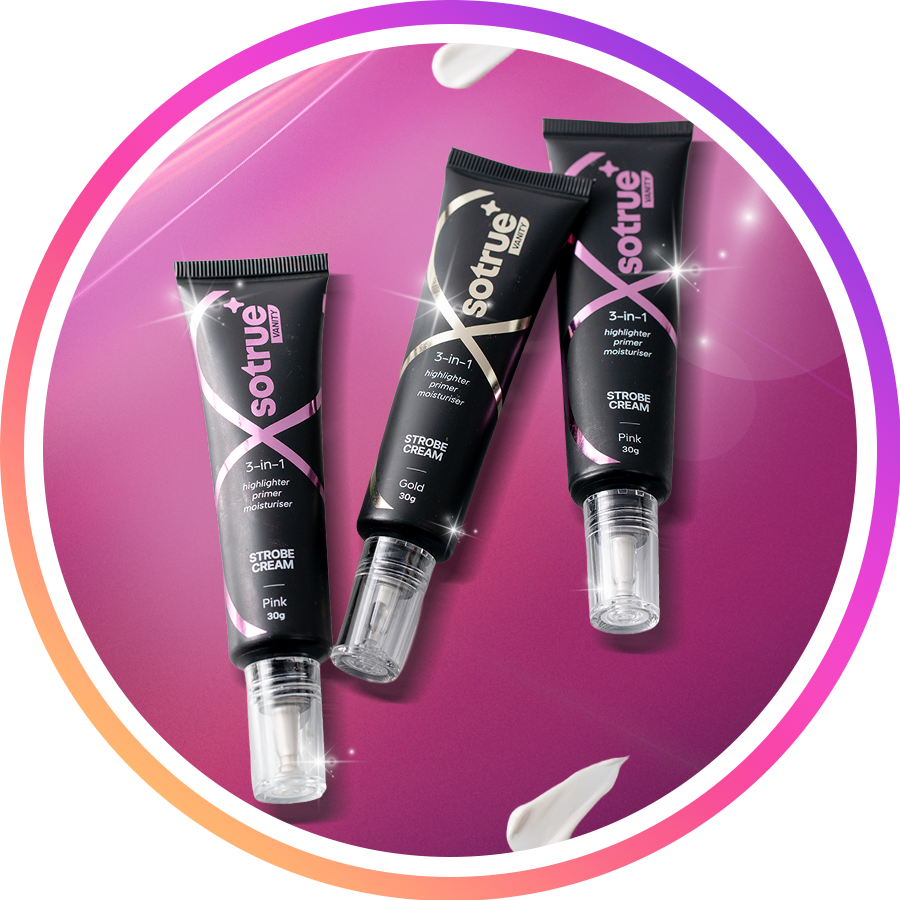
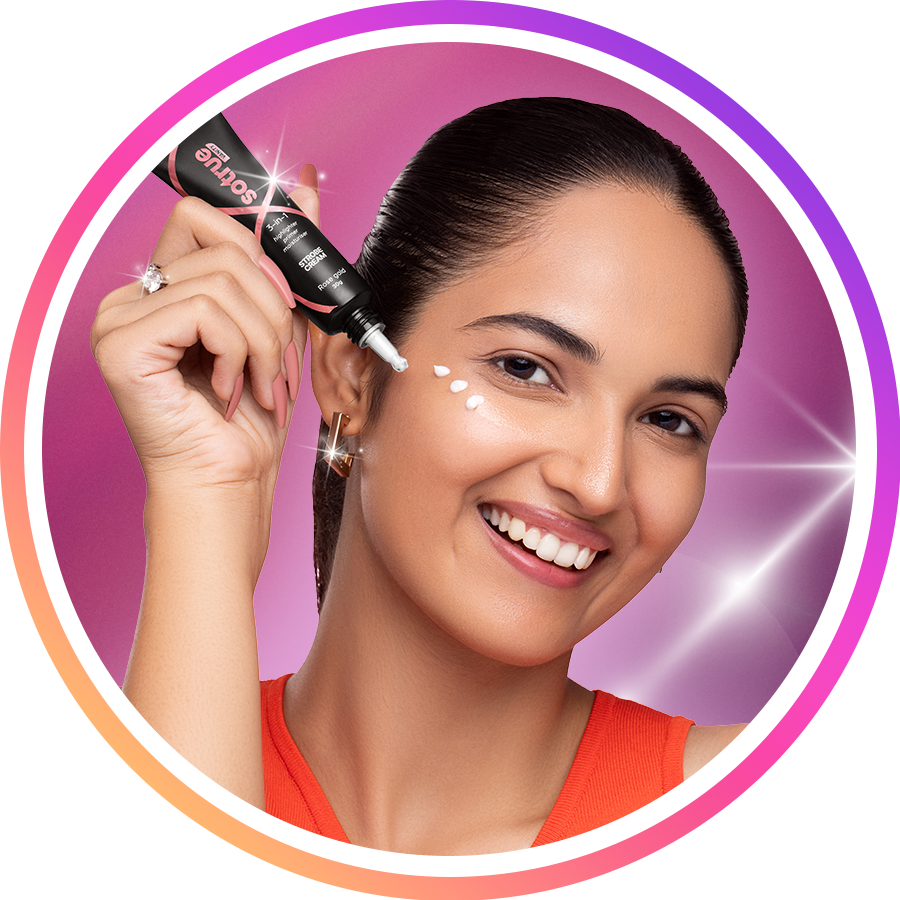
Struggling with beauty products that overlook Indian skin tones, humid climates, and everyday routines? Heavy formulas feel uncomfortable, fade by midday, irritate sensitive skin, and leave your complexion uneven or dull no matter how careful you are. Sotrue offers affordable, vegan, cruelty-free skincare, makeup and haircare thoughtfully crafted for Indian women. From reliable SPF and illuminating strobe creams to inclusive shades, every essential delivers natural radiance and genuine confidence that fits your real life. Shop Sotrue Now!
Understanding the Core Differences in Formulation and Application
Sunscreen lotions and sticks serve the same primary purpose: shielding skin from harmful UV rays. Lotions typically offer a fluid or creamy texture that spreads easily across larger areas like the face, neck, arms, and legs. This format allows users to see and control the amount applied, promoting even coverage that dermatology experts emphasize as essential for achieving the labeled SPF protection.
Sunscreen sticks, by contrast, come in a solid or semi-solid form housed in a twist-up tube. Their design prioritizes quick, targeted application without the need for fingers, reducing mess and making them ideal for on-the-go touch-ups. The key distinction lies in user experience: lotions excel in thorough initial application, while sticks shine in convenience and portability.
Convenience for Busy Indian Routines
Commuting in cities like Mumbai, Delhi, or Bengaluru often means navigating crowded public transport or two-wheeler rides under intense sunlight. Here, a sunscreen stick's compact size and no-spill design provide clear advantages. You can apply it swiftly during a quick break or even while waiting at a signal without worrying about greasy hands or product leakage in your bag.
Lotions require a bit more preparation squeezing out the right amount and rubbing it in evenly which can feel time-consuming during rushed mornings. However, many find that incorporating lotion into a morning skincare ritual ensures better overall coverage before stepping out. For those with oily or combination skin, common in humid Indian climates, lighter lotion formulas or matte-finish options help avoid that heavy feeling throughout the day.
Coverage and Effectiveness in Real-World Use
Achieving adequate sun protection depends heavily on proper application rather than format alone. Lotions make it easier to visualize and distribute product uniformly, which experts note helps prevent under-application a common issue that compromises effectiveness. Multiple passes with a stick may be necessary to match this level of coverage, especially on broader body areas.
Yet, convenience often wins when it comes to reapplication. Sticks encourage more frequent touch-ups during outdoor activities, sports, or long work hours outdoors, addressing the reality that most people forget to reapply every two hours as recommended. This behavioral aspect matters significantly in India's tropical conditions, where UV exposure remains high year-round.
Dermatology experts note that one of the biggest differences between these formats involves the ability to achieve adequate coverage. Lotion formulas make it easier for users to visualize the amount being applied and distribute product evenly across larger areas of the face and body. Sticks, on the other hand, are valued for their portability, spill-proof design, and mess-free application, qualities that make them attractive for travel, commuting, outdoor activities, and quick reapplication throughout the day. However, convenience can create a false sense of security if users underestimate how much product is required to achieve the labeled SPF protection. Multiple passes are often necessary to ensure sufficient coverage when using stick formulations. Despite this limitation, sticks remain popular because they solve practical problems that discourage sunscreen use, including messy hands, leaking containers, and difficulty reapplying while away from home. For many individuals, a lotion may serve as the primary morning application because it allows more complete coverage, while a coverage differences between sticks and lotions can function as a convenient tool for touch-ups during the day.
Texture, Finish, and Skin Type Compatibility
For individuals with oily or combination skin prevalent in many parts of India, both formats have evolved. Modern lotions often feature lightweight, non-comedogenic bases that absorb quickly without clogging pores. Sticks, meanwhile, can feel more occlusive but benefit from innovative formulations that minimize white cast and greasiness.
Recent advances in UV-filter technology focus on improving wearability across skin tones and types. Products that feel pleasant and blend seamlessly encourage consistent daily habits, transforming sun protection from a chore into an effortless part of self-care.
Portability and Travel-Friendly Aspects
When it comes to portability, sunscreen sticks have a distinct edge. Their solid form travels well in handbags, gym kits, or office drawers, making them perfect for weekend getaways, festivals, or business trips. No risk of TSA issues or messy leaks during journeys across India's diverse terrain.
Lotions, while versatile for home use, often require careful packing. Many users adopt a hybrid approach: applying a generous layer of lotion in the morning for base protection and carrying a stick for midday reapplication. This strategy balances thorough coverage with practical convenience, especially useful for those managing long office hours followed by evening plans.
Choosing the Right Format Based on Lifestyle
Consider your daily patterns when deciding between the two. If your routine involves extended time indoors with occasional outdoor exposure, a good lotion might suffice as your primary option. Office-goers who step out for lunch or meetings may appreciate the stick's quick reapplication capabilities.
Students heading to college or coaching classes benefit from the mess-free nature of sticks, while those with more elaborate skincare regimens might layer both formats effectively. Factors like climate humid coastal areas versus drier inland regions also influence preference, with lighter textures generally favored in high-humidity zones.
Practical Tips for Maximizing Daily Sun Protection
Regardless of format, consistency remains key. Start with a broad-spectrum product offering at least SPF 30, applying it as the last step in your morning skincare before makeup or moisturizer. Use approximately a fingertip amount for the face and more for exposed body areas.
- Perform a patch test when trying new products to ensure compatibility with your skin.
- Reapply every two to three hours, especially after sweating or wiping your face.
- Combine sunscreen with other protective measures like hats, sunglasses, and seeking shade during peak hours (10 AM to 4 PM).
- Look for formulas enriched with skin-nourishing ingredients that support barrier health alongside UV defense.
Innovation in sunscreen technology continues to bridge gaps between protection and usability, resulting in options that feel lightweight and elegant on Indian skin tones.
Integrating Sunscreen into Your Long-Term Skincare Strategy
Beyond daily convenience, viewing sunscreen as a non-negotiable investment in skin health helps build sustainable habits. Many young professionals report that finding a format they genuinely enjoy using leads to better adherence and visible improvements in skin clarity and evenness over time.
Recens. Consulting a dermatologist can provide demonstrate how product innovation is increasingly focused on improving both protection and user experience. Advances in UV-filter technology are drawing attention becaus. Consulting a dermatologist can provide that deliver strong broad-spectrum defense while remaining comfortable enough for everyday wear. One of the recurring challenges in sun care has been balancing performance with cosmetic elegance. Products that feel heavy, greasy, difficult to blend, or visibly leave residue on the skin can discourage regular use, particularly among individuals who apply sunscreen daily. This issue is directly connected to the discussion of sunscreen lotions versus sunscreen sticks. Consumers often evaluate formats not only by SPF level but also by how quickly they can apply the product, whether it fits into a busy routine, and how pleasant it feels throughout the day. Improved sunscreen technologies are helping brands create products that are more transparent, lightweight, and compatible with different skin tones and skin types. As innovation continues, convenience and wearability are becoming central drivers of adoption. This trend supports the broader understanding that effective sun protection depends on sustained consumer behavior rather than laboratory performance alone. A product that people enjoy using every day is more likely to contribute to long-term UV protection than one that remains unused. For readers considering whether a sunscreen lotion or stick is easier for daily use, ongoing industry innovation highlights the importance of selecting a format that encourages consistent application, comfortable wear, and reliable reapplication without disrupting daily activities, as highlighted in discussions around innovation in sunscreen protection.
Experiment with both lotion and stick formats from reputable brands to discover what aligns with your lifestyle. Some prefer lotion for its luxurious feel during weekend self-care routines and sticks for weekday hustle. This flexible mindset ensures sun protection never becomes another source of stress in an already demanding schedule.
Ultimately, the easier format is the one you will use regularly. By prioritizing real-world applicability over theoretical perfection, you can maintain effective protection without disrupting your flow.
Making informed choices about sunscreen lotion versus sunscreen stick empowers you to protect your skin confidently every day. Whether you lean toward the even coverage of lotions or the portability of sticks, the goal stays the same: healthy, radiant skin that withstands India's vibrant climate. Explore options that match your needs and embrace sun protection as an essential, enjoyable part of your daily ritual.
Frequently Asked Questions
Is sunscreen stick or lotion better for daily use in India?
Both formats work well for daily sun protection, and the best choice depends on your routine. Lotions are ideal for thorough morning application, as they make it easier to distribute product evenly across larger areas like the face, neck, and arms. Sticks are better suited for on-the-go reapplication during commutes or outdoor activities, thanks to their compact, spill-proof design. Many people use a hybrid approach lotion in the morning and a stick for midday touch-ups.
Does a sunscreen stick provide the same SPF protection as a sunscreen lotion?
A sunscreen stick can deliver the labeled SPF protection, but it requires multiple passes over the skin to achieve sufficient coverage. Lotions make it easier to visualize and spread the right amount evenly, reducing the risk of under-application. If you prefer sticks, make sure to apply several overlapping layers, especially on the face, to ensure you're getting adequate broad-spectrum defense.
Which sunscreen format is best for oily or combination skin in humid climates?
For oily or combination skin common in India's humid coastal regions lightweight, non-comedogenic lotion formulas that absorb quickly without clogging pores are generally a great fit. Modern sunscreen sticks have also improved significantly, with formulations designed to minimize white cast and greasiness. Look for matte-finish or gel-based lotions if you're prone to shine, and prioritize products that feel comfortable enough for consistent daily wear, since regular use matters more than the specific format.
Disclaimer: The above helpful resources content contains personal opinions and experiences. The information provided is for general knowledge and does not constitute professional advice.
You may also be interested in: Lightweight Dewy Base Creams Suit Combination Skin in India
Struggling with beauty products that overlook Indian skin tones, humid climates, and everyday routines? Heavy formulas feel uncomfortable, fade by midday, irritate sensitive skin, and leave your complexion uneven or dull no matter how careful you are. Sotrue offers affordable, vegan, cruelty-free skincare, makeup and haircare thoughtfully crafted for Indian women. From reliable SPF and illuminating strobe creams to inclusive shades, every essential delivers natural radiance and genuine confidence that fits your real life. Shop Sotrue Now!
Powered by flareAI.co