




Quick Listen:
Consumers are paying closer attention to what goes into their everyday cosmetics, moving beyond appearance-focused decisions to consider safety, formulation quality, and suitability for their skin. Makeup and skincare products are used regularly, which makes understanding ingredient choices and product standards an important part of building a reliable beauty routine. Dermatologist-approved standards help consumers look beyond marketing messages and focus on factors such as tested ingredients, skin compatibility, and responsible formulation practices.
When people hear the term “dermatologist-approved,” they often associate it with products that are safer or more suitable for different skin needs. However, the phrase should be understood carefully. A dermatologist-focused approach is not simply about adding popular ingredients to a formula. It involves considering how ingredients interact with skin, whether products are designed with appropriate testing, and how they support specific consumer concerns.
For everyday cosmetics, these considerations are becoming increasingly important. Products such as foundations, concealers, sunscreens, lip products, and skincare-makeup hybrids are often part of daily routines. Consumers are looking for options that balance performance with comfort, especially when products are worn for extended periods.
Dermatologist-approved cosmetics are generally associated with thoughtful formulation practices, ingredient transparency, and attention to skin tolerance. These principles help consumers make more informed choices instead of relying only on trends, influencer recommendations, or attractive packaging.
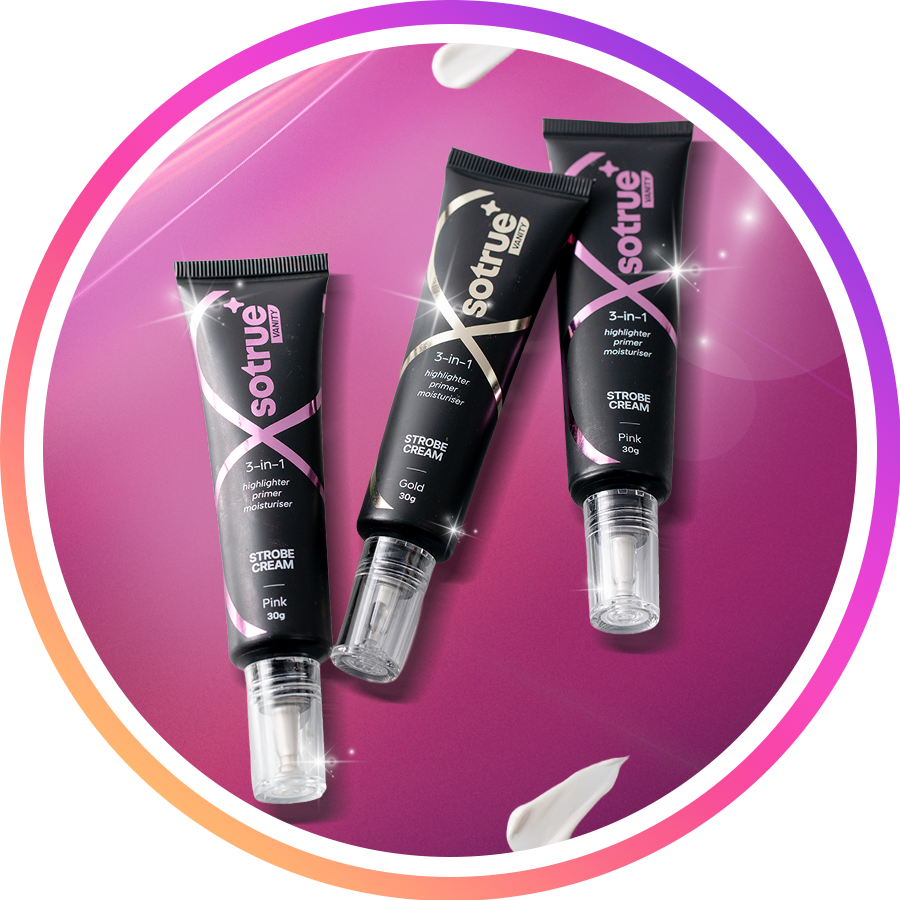
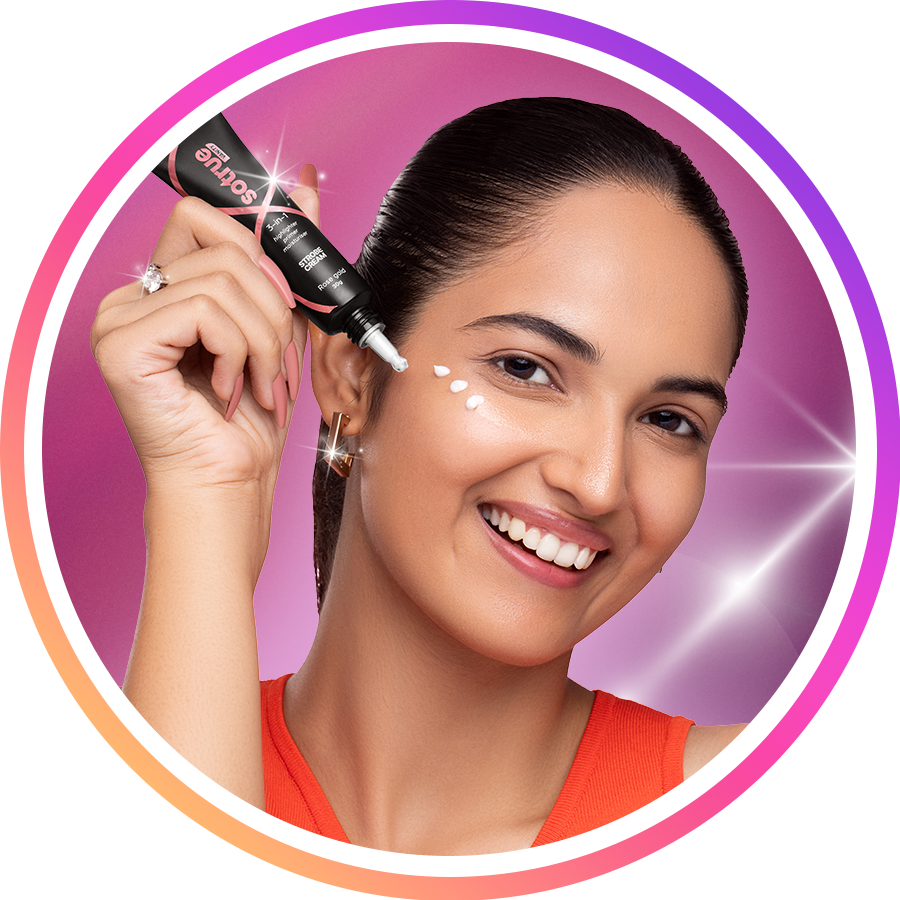
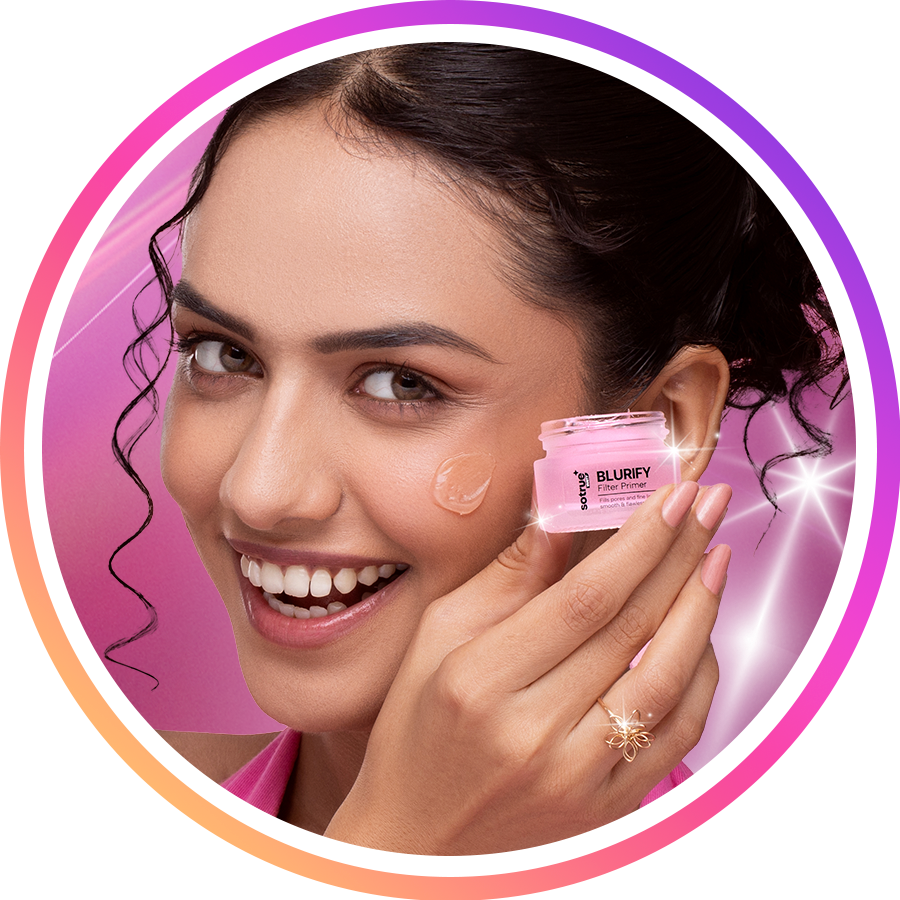
Struggling with beauty products that overlook Indian skin tones, humid climates, and everyday routines? Heavy formulas feel uncomfortable, fade by midday, irritate sensitive skin, and leave your complexion uneven or dull no matter how careful you are. Sotrue offers affordable, vegan, cruelty-free skincare, makeup and haircare thoughtfully crafted for Indian women. From reliable SPF and illuminating strobe creams to inclusive shades, every essential delivers natural radiance and genuine confidence that fits your real life. Shop Sotrue Now!
Why Ingredient Transparency Matters in Modern Beauty Choices
Ingredient awareness has changed the way consumers evaluate beauty products. Instead of focusing only on colour, finish, or immediate results, many shoppers now want to understand what ingredients do and why they are included in a formula.
Ingredients such as niacinamide, hyaluronic acid, ceramides, vitamin C, retinoids, and mineral sunscreen ingredients are frequently discussed because of their recognised roles in supporting different skin concerns. A dermatologist ingredient study involving expert consensus identified a range of skincare ingredients that dermatologists considered useful for common concerns, helping consumers separate evidence-based choices from unsupported claims.
This shift does not mean every trending ingredient is suitable for everyone. Skin type, sensitivity, lifestyle, and product combinations all influence how a cosmetic product performs. A responsible approach involves understanding the purpose of an ingredient and introducing products thoughtfully.
For brands, ingredient transparency creates an opportunity to educate consumers. Clear explanations about formulation choices, product use, and expected benefits can help customers develop realistic expectations and stronger trust in their beauty routines.
The Role of Testing and Quality Standards in Everyday Cosmetics
Cosmetic quality is shaped by more than individual ingredients. The overall formulation process, safety evaluation, and product testing approach influence how suitable a product may be for regular use.
Dermatologist tested makeup products are often associated with products that have undergone additional consideration around skin compatibility. While testing approaches can vary between products and brands, consumers should look for clear information about how a product has been evaluated and whether claims are supported by appropriate testing practices.
Quality standards also encourage brands to think about the complete consumer experience. A product should not only deliver the desired cosmetic effect but also feel comfortable during use. Factors such as texture, application, wearability, and compatibility with different routines all contribute to product satisfaction.
For consumers learning how to choose safe cosmetics, focusing on transparent information can be more useful than relying on broad claims. Reading ingredient lists, understanding product descriptions, and considering personal skin requirements are practical steps toward better decisions.
How Dermatologist Guidance Helps Consumers Build Better Routines
Beauty routines can become complicated when consumers combine multiple products without understanding how ingredients work together. Dermatologist guidance provides a more structured way to approach skincare and cosmetics by focusing on individual needs rather than following every new trend.
Expert recommendations often highlight the importance of simplicity. More products do not always mean better results. A balanced routine that supports skin health, protects the skin barrier, and addresses specific concerns can be more effective than constantly changing products.
A separate review of dermatologist-preferred ingredients found strong agreement among experts on several ingredients commonly used for concerns such as wrinkles, acne, redness, dark spots, and dryness. The findings also emphasised that consumers should avoid assuming that more active ingredients automatically create better outcomes. Dermatologist preferred ingredients can provide useful guidance when selecting products based on individual goals.
This approach is especially relevant for everyday cosmetics because makeup and skincare products are often used together. Understanding how products fit into a broader routine helps consumers avoid unnecessary irritation and make choices that match their skin needs.
What Consumers Should Look for When Choosing Skin-friendly Makeup Products
Selecting skin friendly makeup products involves evaluating more than colour matching or product popularity. Consumers can consider several practical factors before adding a cosmetic item to their routine.
- Ingredient clarity: Products with clearly explained ingredients make it easier to understand formulation choices.
- Skin compatibility: Products should align with individual skin characteristics, including sensitivity, dryness, oiliness, or other concerns.
- Purpose-driven formulas: Consumers benefit from choosing products designed to address a specific need rather than collecting unnecessary items.
- Responsible product claims: Clear and realistic explanations help avoid confusion caused by exaggerated promises.
Cosmetic safety standards are not only about avoiding unwanted reactions. They also involve creating products that consumers can confidently incorporate into their routines. A thoughtful selection process allows beauty enthusiasts to balance personal preferences with practical skin considerations.
The Future of Cosmetic Decisions: Education Over Hype
The beauty industry is moving toward a more informed relationship between brands and consumers. People are increasingly interested in understanding why a product works, how ingredients support their goals, and whether claims are backed by meaningful evaluation.
This change encourages brands to focus on education rather than simply promoting product features. Content that explains ingredients, formulation approaches, and everyday usage can help consumers feel more confident in their choices.
For consumers, this means becoming more selective. Instead of choosing products based only on popularity, they can evaluate whether a product aligns with their personal routine and skin requirements. Learning about ingredients in everyday cosmetics can make shopping decisions clearer and more intentional.
Dermatologist-approved standards provide a useful framework for these decisions. They encourage attention to safety, formulation quality, and realistic expectations, helping consumers move toward beauty routines built on knowledge rather than assumptions.
Making Informed Choices About Everyday Beauty Products
Cosmetics are part of everyday self-expression, but they also interact closely with the skin. Understanding dermatologist-approved standards helps consumers approach beauty products with greater awareness and confidence.
The most reliable choices often come from looking at the complete picture: ingredient transparency, testing practices, product purpose, and individual skin needs. Rather than following every new trend, consumers can create routines based on informed decisions and products that fit their lifestyle.
For beauty brands, supporting this informed approach means creating clearer conversations around product quality and helping consumers understand what makes a cosmetic product suitable for everyday use. When education becomes part of the beauty experience, consumers are better equipped to choose products that support both their appearance and their skin health.
Frequently Asked Questions
What does dermatologist-approved cosmetics mean?
Dermatologist-approved cosmetics generally refer to products developed with attention to skin compatibility, ingredient choices, and safety considerations. The term encourages consumers to look beyond marketing claims and understand how formulations support their individual skin needs.
How can I choose safe cosmetics for my skin type?
To choose safe cosmetics, consumers should review ingredient information, consider their skin characteristics, and select products that match their specific needs. Understanding cosmetic safety standards and avoiding unnecessary product combinations can help create a more suitable beauty routine.
What ingredients should I look for in dermatologist-recommended beauty products?
Dermatologist-recommended beauty products often focus on ingredients that support concerns such as hydration, skin barrier care, and overall skin health. Ingredients like niacinamide, hyaluronic acid, ceramides, vitamin C, retinoids, and mineral sunscreen ingredients are commonly discussed in relation to evidence-based skincare choices.
Disclaimer: The above helpful resources content contains personal opinions and experiences. The information provided is for general knowledge and does not constitute professional advice.
You may also be interested in: How to Use an Ice Roller: A Step-by-step Guide
Struggling with beauty products that overlook Indian skin tones, humid climates, and everyday routines? Heavy formulas feel uncomfortable, fade by midday, irritate sensitive skin, and leave your complexion uneven or dull no matter how careful you are. Sotrue offers affordable, vegan, cruelty-free skincare, makeup and haircare thoughtfully crafted for Indian women. From reliable SPF and illuminating strobe creams to inclusive shades, every essential delivers natural radiance and genuine confidence that fits your real life. Shop Sotrue Now!
Powered by flareAI.co