

Quick Listen:
Choosing the right complexion product often comes down to understanding what your skin needs from makeup. While traditional foundations have long been the go-to option for creating an even base, skin tints have gained attention among people who prefer a lighter, more natural-looking finish. The difference between skin tint and foundation is not simply about coverage; it reflects two different approaches to complexion makeup, from enhancing natural skin to creating a more polished canvas.
For anyone comparing a skin tint vs foundation, the decision depends on factors such as desired coverage, finish, comfort, routine, and the type of look they want to achieve. Both products have their place in a makeup collection, but understanding their purpose can make everyday beauty choices easier.
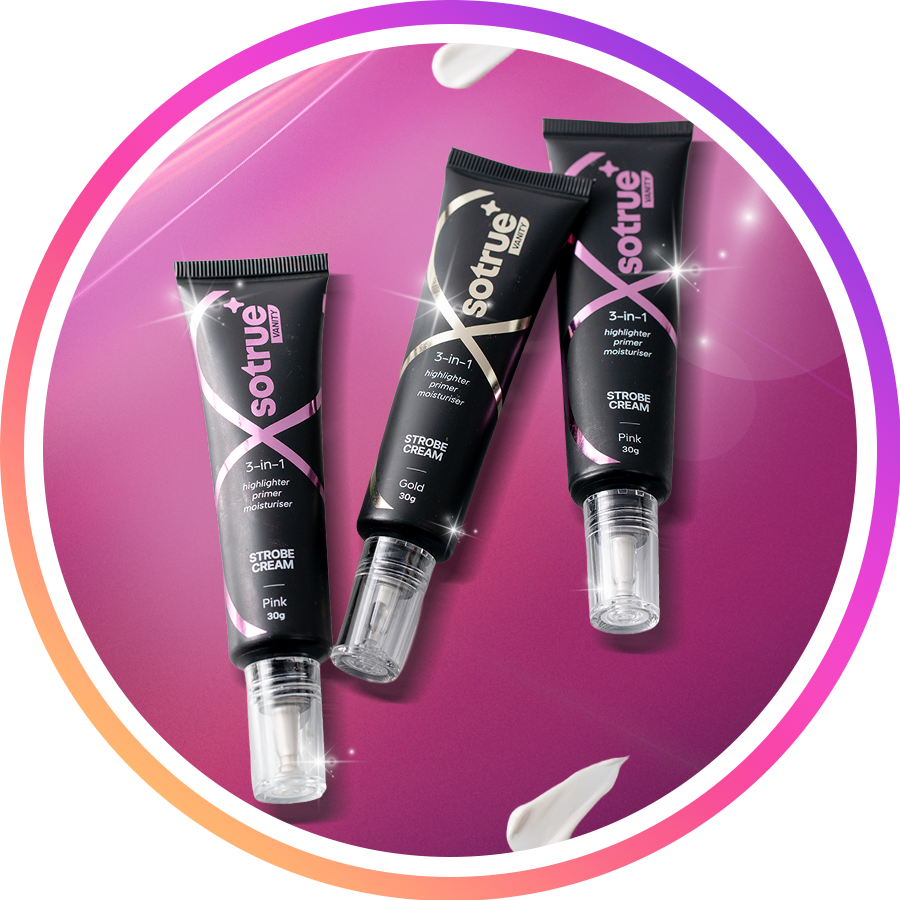
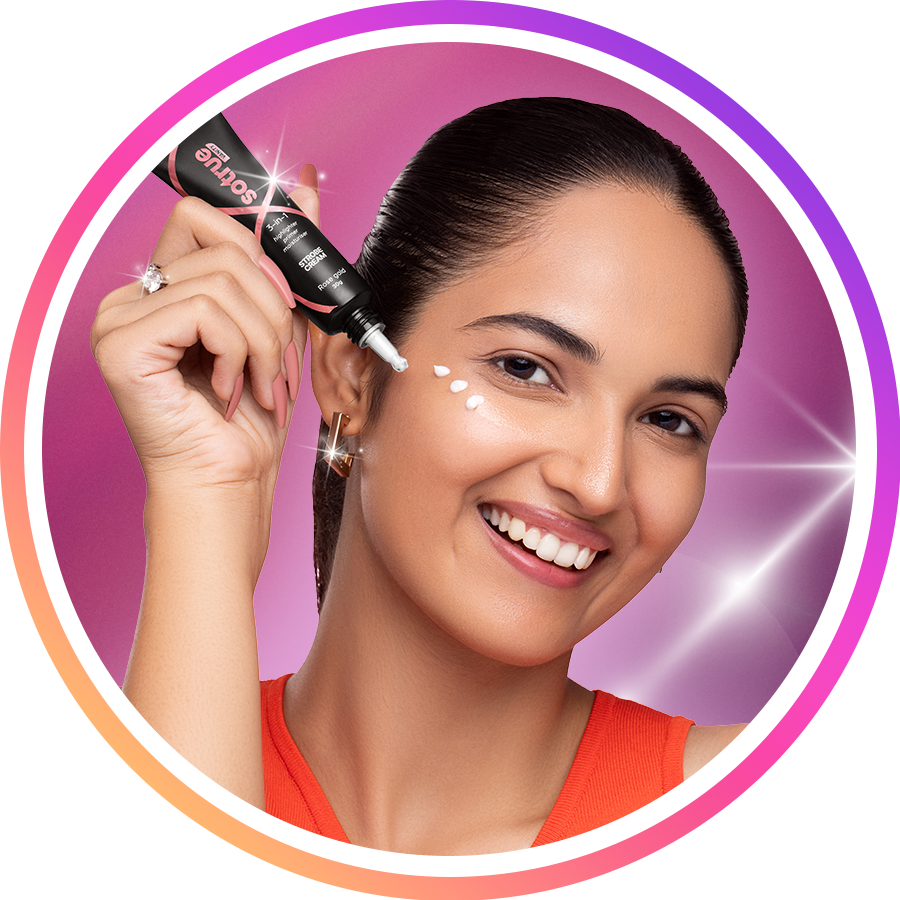
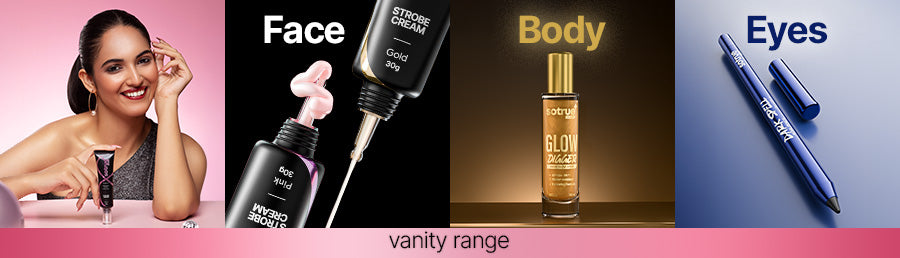
Struggling with beauty products that overlook Indian skin tones, humid climates, and everyday routines? Heavy formulas feel uncomfortable, fade by midday, irritate sensitive skin, and leave your complexion uneven or dull no matter how careful you are. Sotrue offers affordable, vegan, cruelty-free skincare, makeup and haircare thoughtfully crafted for Indian women. From reliable SPF and illuminating strobe creams to inclusive shades, every essential delivers natural radiance and genuine confidence that fits your real life. Shop Sotrue Now!
How Skin Tints and Foundations Serve Different Makeup Goals
Skin tints and traditional foundations are both designed to improve the appearance of the complexion, but they approach the goal differently. A skin tint is generally created to provide a subtle evening effect while allowing natural skin texture to remain visible. It is often chosen by people who want their complexion to look fresh, breathable, and closer to their natural appearance.
Traditional foundation, on the other hand, is designed to offer more noticeable coverage and a more uniform finish. It can help create a refined base when someone wants additional correction, a smoother canvas, or makeup that stays consistent for longer periods.
The growing interest in lighter complexion products reflects a broader shift in beauty preferences. Foundations are no longer limited to heavy, full-coverage formulas, while newer products increasingly focus on enhancing rather than concealing natural skin. This movement toward skin-enhancing makeup has encouraged brands to develop lighter textures, buildable formulas, and products that combine cosmetic benefits with skincare-inspired ingredients. Natural foundation finishes have become an important part of this category evolution.
Understanding Skin Tint Benefits for Everyday Makeup
One of the biggest skin tint benefits is its lightweight feel. Skin tints are designed for those who prefer a minimal makeup routine or want a complexion product that feels comfortable throughout the day. Instead of creating a completely covered appearance, they typically provide a sheer layer that helps balance uneven tone while maintaining a natural finish.
Many people choose a skin tint when their priority is a fresh, effortless look. The product can work well for daily routines where the goal is not to completely transform the skin but to create a healthier-looking appearance. This makes it appealing for casual outings, workdays, and situations where a heavy base may feel unnecessary.
The rise of skin tints is also connected to the growing interest in products that combine makeup and skincare-inspired qualities. Modern complexion products increasingly focus on comfort, hydration, and simplified routines. Industry discussions around the skinification of makeup highlight how consumers are exploring products that support a more balanced approach between beauty and skincare.
For many users, a skin tint can become an everyday makeup base because it allows flexibility. It can be paired with concealer in areas where more coverage is needed, giving users control over how much product they apply instead of relying on a full-face base.
Exploring Foundation Coverage Levels and Finish Options
Foundation remains an important choice for occasions where a more complete complexion look is preferred. Understanding foundation coverage levels helps users select a formula that matches their needs, whether they want light evening, medium coverage, or a fuller finish.
A key difference in the skin tint and foundation comparison is how each product interacts with the skin's natural appearance. Foundations are generally built to provide more coverage and can create finishes ranging from matte to luminous depending on the formula. They are often selected when someone wants their makeup to look more structured and polished.
Traditional foundations have also evolved beyond older expectations of heavier textures. Many modern formulas focus on improved comfort, flexibility, and natural-looking wear. This means choosing foundation does not always mean choosing a heavy appearance. Instead, the right formula can provide the level of coverage and finish that matches the occasion.
When a Foundation May Be the Better Choice
- When more coverage is needed for uneven tone or a polished makeup look
- When makeup needs to maintain a consistent appearance for longer periods
- When a specific finish, such as matte or radiant, is part of the desired look
The best choice depends on personal preference and the role makeup plays in a person's routine. Some users may prefer a foundation for special occasions and a skin tint for everyday wear.
Skin Tint vs Foundation: Choosing Based on Lifestyle and Routine
The difference between skin tint and foundation becomes clearer when considering daily habits. A person who prefers quick application, minimal layering, and a natural appearance may find a skin tint more suitable. Someone who enjoys a more detailed makeup routine or needs stronger coverage may prefer foundation.
Climate, comfort, and lifestyle also influence complexion product choices. A lightweight makeup base can feel appealing for everyday wear because it supports a simpler routine and allows the skin to remain visible. This is especially relevant for people who prefer breathable textures and do not want their makeup to feel restrictive.
Application style can also change the final result. Skin tints are often applied with fingers or light tools for a seamless finish, while foundations may require more blending depending on the formula and desired coverage. The method of application, amount used, and products layered underneath can all influence how the final look appears.
Rather than viewing one product as a replacement for the other, it is more useful to see them as different tools. A skin tint can support an everyday, natural finish makeup routine, while foundation can provide versatility when additional coverage or a more defined appearance is needed.
How Beauty Preferences Are Shaping Modern Complexion Products
Complexion makeup is moving toward greater flexibility. Consumers increasingly want products that adapt to different moments instead of relying on a single approach for every occasion. This has encouraged the development of formulas that balance appearance, comfort, and ease of use.
The popularity of lighter complexion products reflects changing expectations around beauty. Many people are moving toward makeup that enhances individuality rather than completely covering natural features. This does not mean traditional foundations are becoming irrelevant; instead, the category is expanding to include more choices for different preferences.
Skin tints, serum-like bases, and buildable foundations all represent a broader interest in customisable makeup routines. Users are looking for products that allow them to decide how much coverage they want and how their skin should look after application.
For beauty brands, this shift highlights the importance of education. Helping consumers understand product differences allows them to choose formulas based on their needs rather than simply following trends. Clear guidance around texture, coverage, and finish can make complexion products easier to navigate.
Finding the Right Complexion Product for Your Makeup Style
There is no universal answer when choosing between a skin tint and a foundation. The right option depends on the desired outcome, daily routine, and personal comfort. Someone seeking a barely-there base may prefer a skin tint, while someone looking for a more refined finish may choose foundation.
A simple way to approach the decision is to consider three questions: How much coverage do you need? What finish do you prefer? How do you want your makeup to feel throughout the day?
- Choose a skin tint if you prefer lightweight coverage, natural texture, and an easy everyday routine.
- Choose a foundation if you want more coverage, a specific finish, or a more polished complexion.
- Use both strategically if your routine changes between casual days and occasions requiring a stronger base.
Understanding these differences helps make complexion choices more intentional. Instead of searching for a single product that works for every situation, consumers can build routines that match their lifestyle and preferences.
Making an Informed Skin Tint and Foundation Choice
The skin tint vs foundation comparison is ultimately about finding the right balance between coverage, comfort, and personal style. Skin tints offer a lightweight approach focused on enhancing natural skin, while traditional foundations provide more coverage options and a polished finish. Both continue to evolve as beauty preferences shift toward products that feel practical, flexible, and personalised.
By understanding the difference between skin tint and foundation, consumers can choose complexion products with greater confidence. Whether the goal is a simple everyday look or a more defined makeup finish, the best choice is the one that supports individual needs and complements the way someone wants their skin to look and feel.
Frequently Asked Questions
What is the difference between skin tint and foundation?
The main difference between skin tint and foundation is the level of coverage, finish, and overall makeup effect they provide. Skin tints offer lightweight, sheer coverage that enhances natural skin, while traditional foundations provide more coverage and a more polished complexion.
Is a skin tint better than foundation for everyday makeup?
A skin tint can be a better choice for everyday makeup if you prefer a lightweight makeup base, natural finish, and comfortable wear. Foundation may be more suitable when you need higher coverage, longer wear, or a more defined look.
Can I use both skin tint and foundation in my makeup routine?
Yes, skin tint and foundation can be used for different makeup needs and occasions. A skin tint can work well for a fresh daily look, while foundation can be used when you want additional coverage or a more refined finish.
Disclaimer: The above helpful resources content contains personal opinions and experiences. The information provided is for general knowledge and does not constitute professional advice.
You may also be interested in: 4-in-1 Skin Tint | Light to Medium Coverage - Sotrue
Struggling with beauty products that overlook Indian skin tones, humid climates, and everyday routines? Heavy formulas feel uncomfortable, fade by midday, irritate sensitive skin, and leave your complexion uneven or dull no matter how careful you are. Sotrue offers affordable, vegan, cruelty-free skincare, makeup and haircare thoughtfully crafted for Indian women. From reliable SPF and illuminating strobe creams to inclusive shades, every essential delivers natural radiance and genuine confidence that fits your real life. Shop Sotrue Now!
Powered by flareAI.co