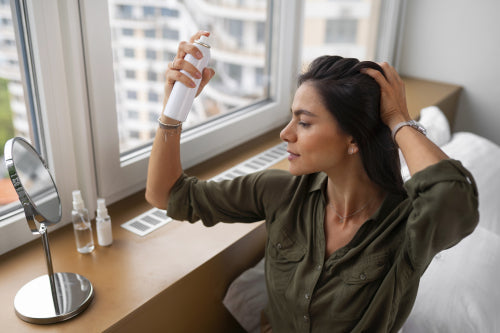


Understanding the Role of Scalp Tools in Supporting Hair Appearance requires looking beyond styling products and focusing on the routines that help people care for their scalp. As beauty habits become more focused on maintenance and personalised self-care, scalp tools are gaining attention as practical additions to everyday grooming. These tools are designed to support steps such as cleansing, massage, and product application, helping users create more intentional routines around scalp care. For consumers exploring ways to improve the look and feel of their hair, understanding how these tools work and where they fit into a routine can help them make more informed choices.
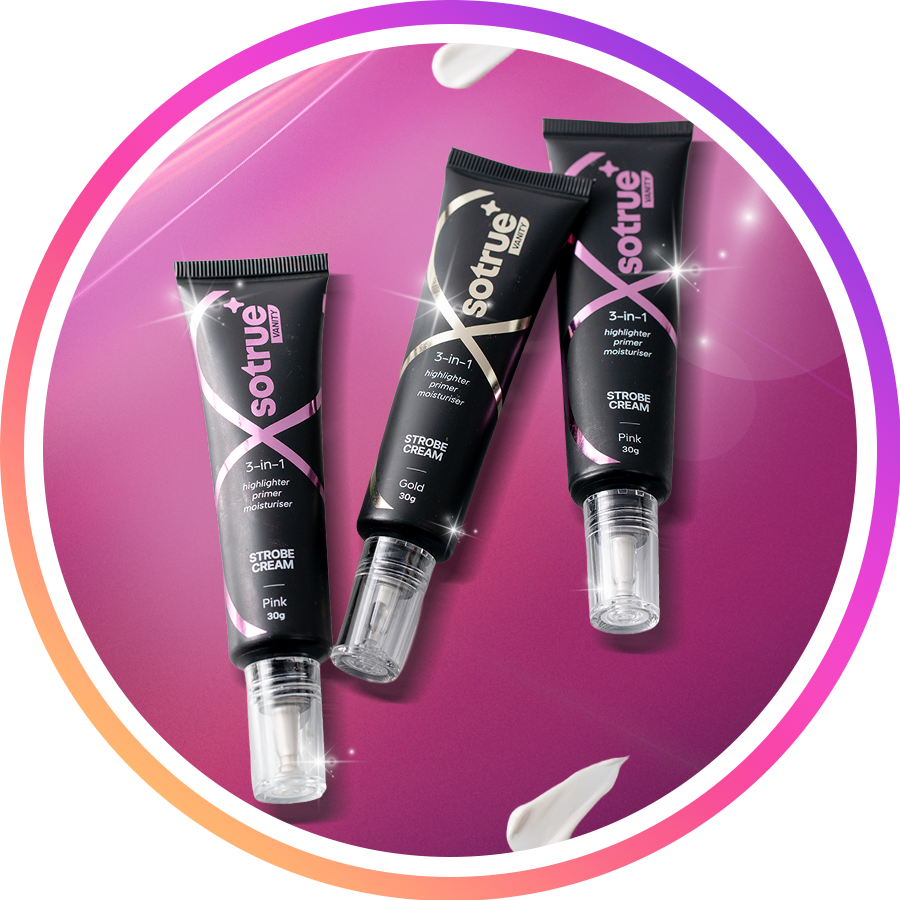
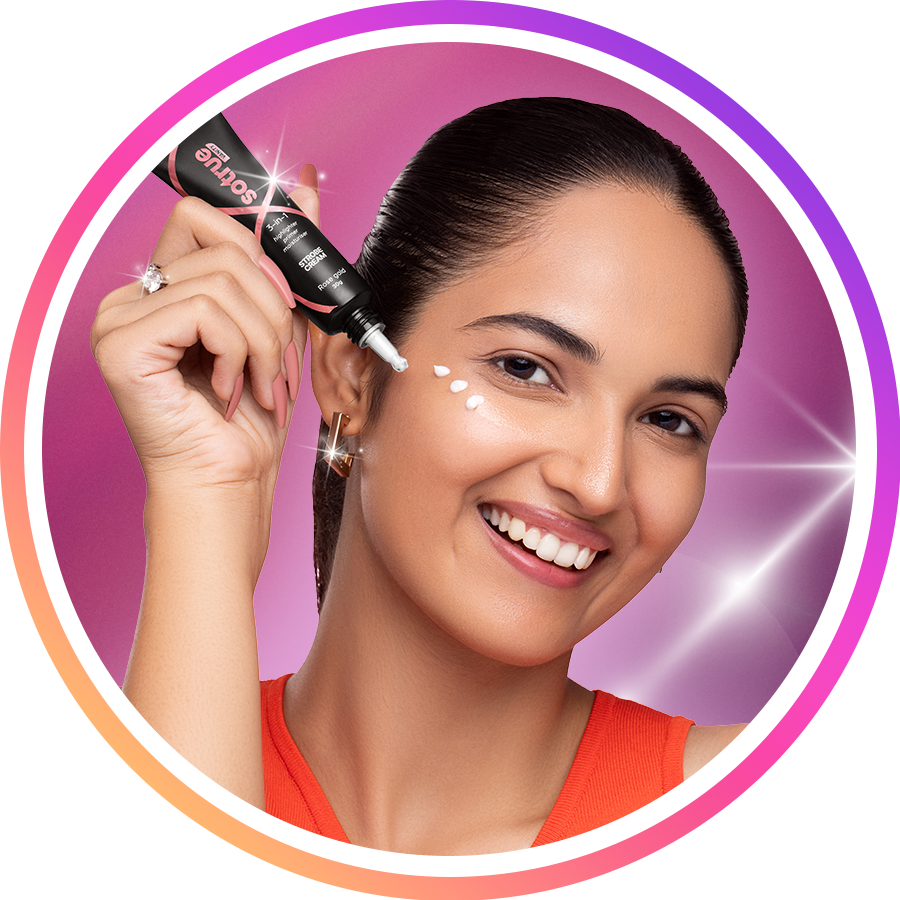
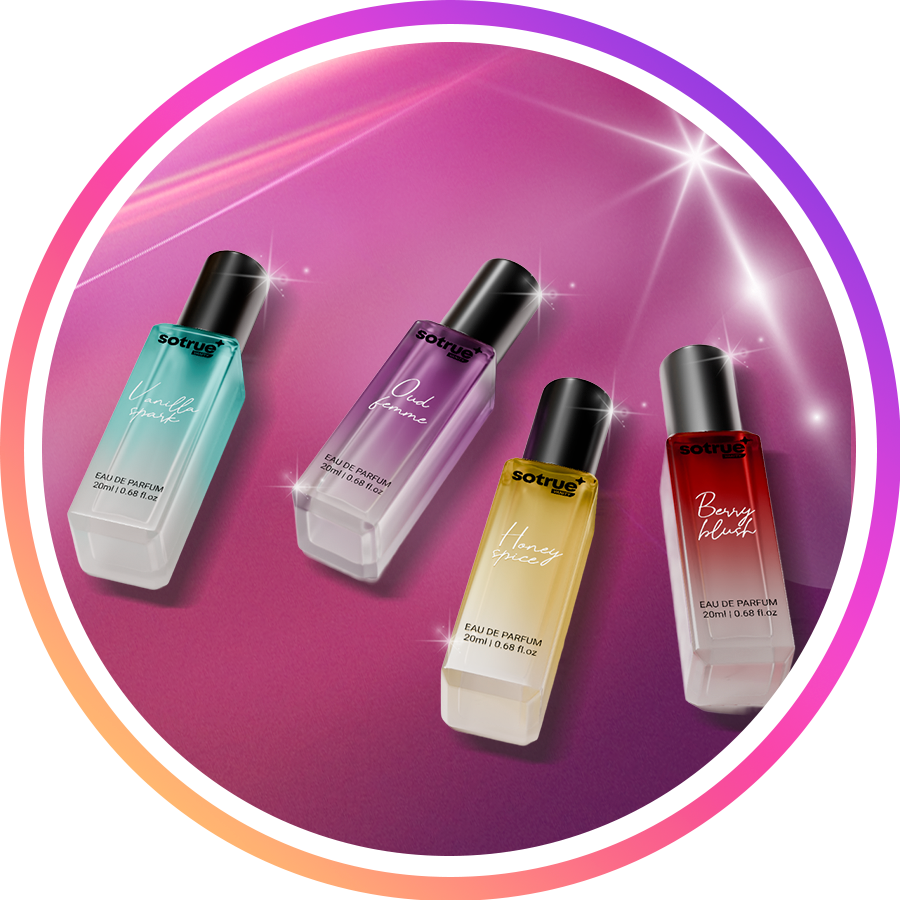
Struggling with beauty products that overlook Indian skin tones, humid climates, and everyday routines? Heavy formulas feel uncomfortable, fade by midday, irritate sensitive skin, and leave your complexion uneven or dull no matter how careful you are. Sotrue offers affordable, vegan, cruelty-free skincare, makeup and haircare thoughtfully crafted for Indian women. From reliable SPF and illuminating strobe creams to inclusive shades, every essential delivers natural radiance and genuine confidence that fits your real life. Shop Sotrue Now!
Why Scalp Care Has Become More Visible in Modern Hair Routines
Hair appearance is influenced by more than styling techniques alone. Many consumers are becoming more interested in the condition of their scalp because it forms the foundation of their overall hair care routine. This shift has encouraged people to explore maintenance practices that focus on regular care rather than only addressing appearance at the final styling stage.
Scalp-focused routines often include cleansing, gentle massage, and careful product application. These practices reflect a broader movement toward treating hair care with the same attention given to skincare routines. Instead of viewing hair as a separate beauty category, consumers are increasingly looking at the relationship between scalp care habits and the way their hair looks and feels.
For brands and beauty educators, this change creates an opportunity to provide clearer guidance around scalp tools, including how they are used, what they can support, and why consistency matters. Scalp tools are not a replacement for a complete hair care routine, but they can become part of a mindful approach to personal grooming.
How Scalp Tools Support Everyday Hair Care Practices
Scalp tools are commonly used to make certain parts of a hair care routine easier and more consistent. Depending on the design, they may help users massage the scalp, distribute products, or create a more relaxing cleansing experience. The value of these tools often comes from encouraging people to spend more time on scalp-focused care rather than concentrating only on styling the hair strands.
Supporting a More Consistent Routine
Many personal care habits depend on regular use. A tool that fits comfortably into an existing routine can make scalp care feel more accessible. For example, someone who already follows a cleansing or conditioning routine may use a scalp tool to add a dedicated massage step or improve how products are applied.
The key consideration is suitability. A scalp tool should be used gently and according to its intended purpose. Excessive pressure or aggressive use may create discomfort, which is why understanding technique is an important part of using any grooming accessory.
Encouraging Mindful Self-care
Beyond practical functions, scalp tools can also contribute to the experience of self-care. Beauty routines are often connected with relaxation and personal wellbeing, and a thoughtful scalp care step can help transform a basic grooming activity into a more intentional ritual.
The Growing Interest in Scalp-focused Beauty Rituals
Professional-inspired scalp treatments have influenced how consumers think about hair maintenance. Head spa routines, for example, have brought more attention to scalp inspections, cleansing techniques, exfoliation, and massage-based approaches. These experiences have encouraged consumers to explore similar concepts within their own routines at home. Growing interest in head spa routines highlights how scalp-focused care is becoming a more visible part of beauty conversations.
Modern scalp rituals also show how beauty categories continue to overlap. Techniques that were traditionally associated with professional treatments are increasingly being adapted into everyday practices. Consumers are looking for manageable routines that combine maintenance, comfort, and appearance-focused care without making hair care unnecessarily complicated.
The popularity of these approaches does not mean every consumer needs an extensive routine. Instead, it reflects a growing interest in understanding personal care choices and selecting methods that match individual preferences. Scalp tools fit within this movement by providing a simple way to add a dedicated scalp care step.
Choosing the Right Scalp Tool for a Personal Routine
With more scalp tools available, selecting the right option depends on personal needs, comfort, and routine goals. Consumers should consider how a tool fits into their existing habits rather than choosing one based only on trends.
- Purpose: Consider whether the tool is intended for massage, cleansing support, or product distribution.
- Comfort: A suitable tool should feel comfortable during use and allow gentle handling.
- Routine compatibility: The best option is one that works naturally with existing hair care practices.
- Ease of maintenance: Tools should be kept clean and cared for according to usage instructions.
Understanding these factors can help consumers approach scalp tools as supportive accessories rather than quick solutions. A thoughtful selection process also helps create realistic expectations about what these tools can contribute to a personal care routine.
Common Mistakes to Avoid When Using Scalp Tools
While scalp tools can support a structured grooming routine, their effectiveness depends on appropriate use. One common mistake is applying too much pressure in an attempt to achieve faster results. Scalp care should focus on gentle, comfortable techniques rather than forceful movements.
Another issue is treating a scalp tool as a replacement for all other hair care practices. Tools work best when combined with suitable cleansing, conditioning, and maintenance habits. They are designed to support specific steps within a routine, not replace the wider approach required for maintaining hair appearance.
Consumers should also be cautious about unrealistic claims. Beauty tools often attract attention because they promise simple improvements, but informed use requires understanding their actual role. Scalp tools can encourage better habits and enhance the experience of hair care, while individual results may vary depending on personal routines and circumstances.
How Scalp Tools Fit Into the Future of Personal Hair Care
The growing interest in scalp tools reflects a broader change in beauty behaviour: consumers are seeking products and practices that support prevention, maintenance, and personalised routines. Hair care is becoming less focused only on immediate styling outcomes and more connected with long-term habits that influence appearance.
cScalp-focused approaches inspired by professional treatments are also shaping expectations around at-home care. Modern routines increasingly combine practical tools, targeted products, and informed techniques. Modern scalp rituals demonstrate how consumers are exploring structured approaches that include assessment, cleansing, exfoliation, hydration, and careful maintenance.
For beauty brands operating in the personal care space, this trend reinforces the importance of education. Consumers want to understand not only what a product or tool does, but also how it fits into their lifestyle. Content that explains usage, benefits, and realistic expectations can help people make better decisions about their routines.
Making Scalp Tools Part of a Balanced Hair Care Approach
Scalp tools are becoming an increasingly recognised part of personal grooming because they address an area that has often received less attention than styling. Their role is not about replacing established hair care practices, but about helping consumers create more complete routines focused on maintenance and appearance.
For individuals exploring scalp massage tools, cleansing accessories, or other hair care tools for healthy looking hair, the most important factors are consistency, comfort, and informed use. A well-chosen tool can support a more mindful approach to self-care while helping users better understand their own hair care needs.
As interest in scalp care continues to develop, educational resources will remain important. Brands in the beauty and personal care sector can support consumers by sharing practical guidance that helps them choose suitable tools, build realistic routines, and approach hair appearance through a more balanced perspective.
Frequently Asked Questions
What are scalp tools used for in a hair care routine?
Scalp tools are used to support practices such as scalp massage, cleansing, and product application within a regular hair care routine. They can help users create more intentional scalp care habits while supporting the overall appearance and feel of their hair.
What are the benefits of scalp tools for hair appearance?
The benefits of scalp tools include encouraging consistent scalp care practices and making certain grooming steps easier to follow. When used correctly, these tools can support a more mindful approach to maintaining healthy-looking hair and improving the overall hair care experience.
How should I use scalp massage tools as part of my scalp care routine?
Scalp massage tools should be used gently and according to their intended purpose to avoid unnecessary discomfort. They can be added to existing routines such as cleansing or conditioning to create a dedicated scalp care step and support better hair maintenance habits.
Disclaimer: The above helpful resources content contains personal opinions and experiences. The information provided is for general knowledge and does not constitute professional advice.
You may also be interested in: Epifine Derma Roller (0.5mm) | Microneedling - Sotrue
Struggling with beauty products that overlook Indian skin tones, humid climates, and everyday routines? Heavy formulas feel uncomfortable, fade by midday, irritate sensitive skin, and leave your complexion uneven or dull no matter how careful you are. Sotrue offers affordable, vegan, cruelty-free skincare, makeup and haircare thoughtfully crafted for Indian women. From reliable SPF and illuminating strobe creams to inclusive shades, every essential delivers natural radiance and genuine confidence that fits your real life. Shop Sotrue Now!
Powered by flareAI.co