






Quick Listen:
Microneedling has moved from professional dermatology clinics into at-home skincare routines, driven by rising interest in advanced beauty tools that promise smoother texture and improved skin appearance. Among these tools, dermarollers and microneedling devices have gained attention on social media and beauty forums, especially among skincare beginners looking for ways to enhance their routine without in-clinic treatments.
Understanding what is microneedling at home is essential before adopting it into a skincare routine. While the concept may sound technical, it is based on a simple principle: creating controlled micro-injuries on the skin's surface to stimulate natural repair processes. However, at-home use requires careful handling, realistic expectations, and a strong focus on safety.
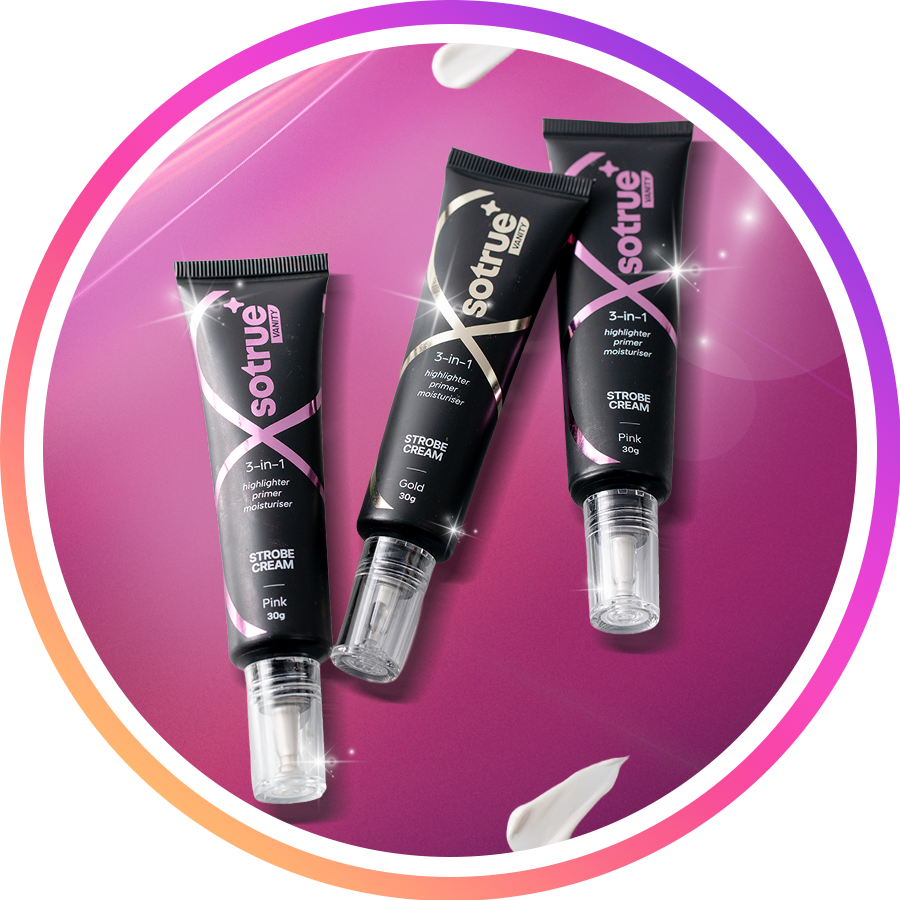
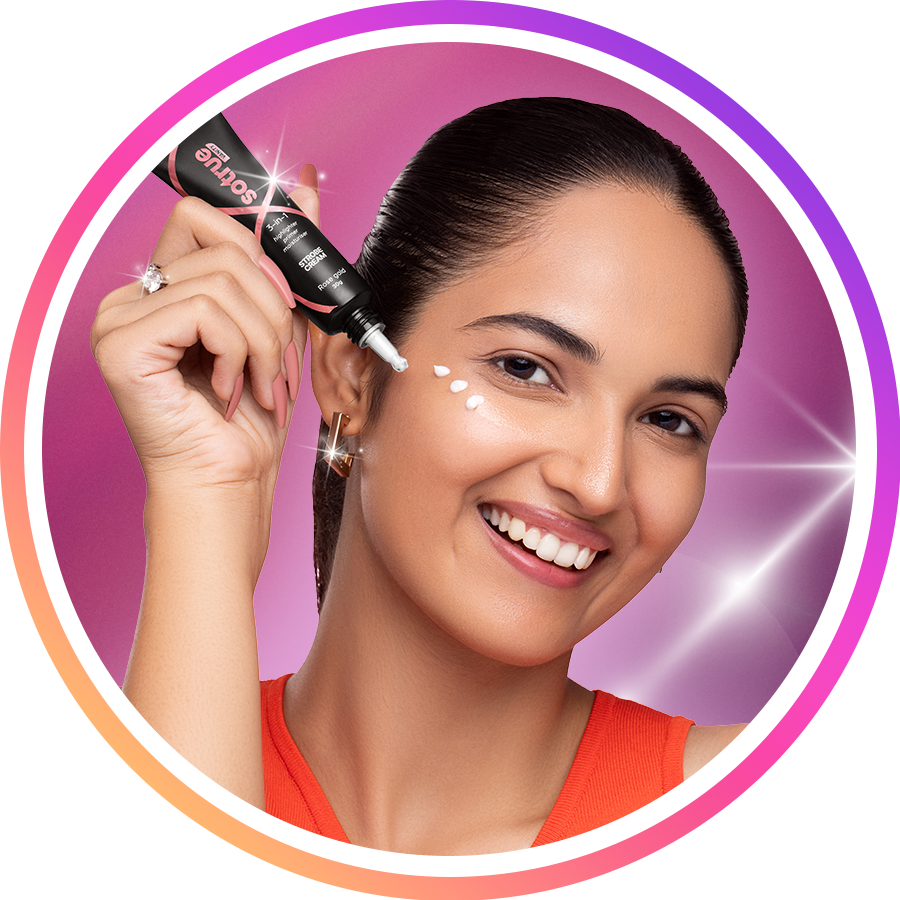
Struggling with beauty products that overlook Indian skin tones, humid climates, and everyday routines? Heavy formulas feel uncomfortable, fade by midday, irritate sensitive skin, and leave your complexion uneven or dull no matter how careful you are. Sotrue offers affordable, vegan, cruelty-free skincare, makeup and haircare thoughtfully crafted for Indian women. From reliable SPF and illuminating strobe creams to inclusive shades, every essential delivers natural radiance and genuine confidence that fits your real life. Shop Sotrue Now!
Understanding What Is Microneedling at Home
At its core, at-home microneedling refers to the use of handheld devices like dermarollers or pen-style tools designed with fine needles that gently puncture the outermost layer of the skin. These micro-channels are intended to encourage the skin's natural regeneration process.
Unlike professional treatments performed in controlled clinical environments, dermaroller microneedling skincare at home is more superficial. The tools available for home use are designed with shorter needles to reduce risk while still offering mild cosmetic benefits.
The growing curiosity around microneedling device for home use comes from its association with improved skin texture, smoother appearance, and a refreshed look over time. However, the effectiveness depends heavily on correct usage, hygiene practices, and skin type suitability.
How Dermarollers Work for Skin Rejuvenation
A dermaroller is a small handheld roller covered with fine, sterile needles. When rolled across the skin, it creates tiny punctures that the body perceives as micro-injuries. This triggers a repair response that includes increased collagen and elastin production two proteins responsible for skin firmness and elasticity.
This process is often referred to as controlled skin renewal. The idea behind collagen boosting skincare through microneedling is not about instant transformation, but gradual improvement in skin quality over time.
The skin's healing response also improves product absorption temporarily, which is why many people use serums after microneedling sessions. Ingredients that may not penetrate deeply under normal circumstances can reach more active layers of the skin following treatment.
While the concept is scientifically grounded, at-home application does not replicate the precision or depth control of clinical microneedling procedures. This makes technique, cleanliness, and moderation especially important.
At-home Microneedling Benefits and Realistic Expectations
Interest in at-home microneedling benefits is largely driven by visible skincare goals such as improving uneven texture, reducing the appearance of minor scars, and achieving a more radiant complexion. However, results are gradual and vary significantly based on consistency and skin condition.
One of the most commonly discussed dermaroller benefits skin users notice is a temporary glow after treatment, followed by longer-term improvements in smoothness when used correctly over time. This is linked to the skin's natural healing response rather than an immediate cosmetic change.
Another perceived benefit is enhanced skincare absorption. After microneedling, the skin barrier becomes more receptive, allowing serums and moisturizers to work more effectively. This is why many skincare enthusiasts integrate dermarolling into nighttime routines.
However, expectations must remain grounded. At-home tools are not designed to treat deep acne scars or severe pigmentation issues. They are best suited for mild texture improvement and maintenance rather than corrective dermatological treatment.
The increasing popularity of home microneedling reflects a broader consumer movement toward treatments that support skin renewal, collagen stimulation, and enhanced skincare absorption without requiring frequent clinic visits. Many users are attracted to the potential benefits associated with smoother texture, brighter-looking skin, and improved appearance of minor imperfections. The appeal lies in combining professional beauty concepts with the flexibility of a home routine.
However, interest in these devices has also encouraged greater discussion around realistic outcomes. Experts generally note that home treatments are intended to be less intensive than professional procedures and therefore may provide more modest results over a longer period. This distinction is important because consumers often encounter highly optimistic claims online that may not accurately represent what home devices can achieve.
Safety Considerations for Skin Rejuvenation at Home
While skin rejuvenation at home is appealing, safety is the most critical factor in determining whether microneedling is suitable for an individual. The skin barrier plays a key role in protecting against bacteria, and improper use of needles can increase the risk of irritation or infection.
Hygiene is essential. Dermarollers must be properly sanitized before and after each use. Reusing unclean devices or sharing tools can introduce harmful microorganisms into the skin, leading to complications.
Another important consideration is needle length. At-home devices are typically designed with shorter needles, but even then, overuse or excessive pressure can damage the skin barrier. Gentle application is always recommended.
People with active acne, eczema, psoriasis, or highly sensitive skin should avoid microneedling without professional guidance. In such cases, the skin is already compromised, and additional stimulation may worsen irritation.
It is also important to avoid combining microneedling with strong active ingredients like retinoids or acids immediately after treatment, as the skin becomes temporarily more sensitive.
How to Use a Dermaroller Safely Step by Step
Learning how to use derma roller safely is essential for minimizing risk and improving outcomes. A structured and gentle approach is always better than aggressive or frequent use.
- Step 1: Clean the skin thoroughly – Start with a gentle cleanser to remove oil, dirt, and makeup. The skin should be completely clean before treatment.
- Step 2: Disinfect the dermaroller – Use an appropriate sanitizing solution to ensure the device is hygienic before contact with skin.
- Step 3: Divide the face into sections – Work in small areas such as cheeks, forehead, and chin to maintain control and even application.
- Step 4: Roll gently in multiple directions – Move horizontally, vertically, and diagonally with light pressure. Avoid dragging or pressing too hard.
- Step 5: Apply soothing skincare – After treatment, use calming, fragrance-free products to support the skin's recovery process.
- Step 6: Clean the device again – Rinse and disinfect the dermaroller after use and store it in a clean, dry case.
Frequency also matters. Overuse can lead to irritation rather than improvement. Allowing adequate recovery time between sessions helps the skin regenerate effectively.
Common Mistakes in At-home Microneedling
Despite growing awareness, several mistakes are common among beginners experimenting with dermarolling. One of the most frequent errors is applying too much pressure, assuming it will accelerate results. In reality, microneedling relies on controlled stimulation, not force.
Another mistake is inconsistent sterilization. Skipping proper cleaning steps can compromise skin health and increase the risk of breakouts or infections. Clean tools are non-negotiable in any at-home skincare practice involving needles.
Some users also overuse the device, expecting faster results. However, skin repair takes time, and excessive rolling can disrupt the barrier instead of supporting it.
Finally, combining microneedling with strong exfoliating products immediately after treatment is a common error. The skin needs time to recover before being exposed to active ingredients.
Who Should Avoid At-home Microneedling and What to Expect
At-home microneedling is not suitable for everyone. Individuals with inflamed acne, open wounds, or chronic skin conditions should avoid using dermarollers without dermatological supervision. Pregnant individuals and those with highly reactive skin should also exercise caution.
For suitable candidates, results are typically gradual. Improvements in texture and brightness may become noticeable after consistent use over several weeks or months. The changes are subtle rather than dramatic, focusing more on refinement than transformation.
It is important to view microneedling as part of a broader skincare routine rather than a standalone solution. Hydration, sun protection, and gentle skincare practices remain foundational to healthy skin outcomes.
Understanding dermaroller microneedling skincare at home in this context helps set realistic expectations and prevents disappointment. The goal is not instant perfection, but steady improvement in skin quality over time.
Final Thoughts on Microneedling in At-home Beauty Care
Microneedling at home represents the intersection of professional skincare concepts and consumer-accessible beauty tools. While it offers potential benefits such as improved texture and enhanced product absorption, its success depends on informed and careful use.
Frequently Asked Questions
What is microneedling at home and how does it work?
At-home microneedling involves using handheld devices like dermarollers small rollers covered in fine, sterile needles to create tiny punctures on the skin's surface. These micro-injuries trigger the body's natural repair response, stimulating collagen and elastin production for gradually firmer, smoother skin. Unlike professional clinic treatments, home devices use shorter needles for a more superficial, safer application. Results are gradual and depend heavily on correct technique, hygiene, and consistency.
What are the real benefits of using a dermaroller at home?
The most commonly noticed at-home microneedling benefits include improved skin texture, a temporary post-treatment glow, and enhanced absorption of serums and moisturizers applied afterward. The micro-channels created during rolling allow skincare ingredients to penetrate more deeply into active skin layers than they would under normal conditions. That said, at-home tools are best suited for mild texture refinement and maintenance they are not designed to treat deep acne scars or severe pigmentation. Visible improvements typically develop gradually over several weeks of consistent use.
Who should avoid at-home microneedling, and is it safe for beginners?
At-home microneedling is not suitable for individuals with active acne, open wounds, eczema, psoriasis, or highly sensitive skin, as the additional stimulation can worsen existing irritation or risk infection. Pregnant individuals and those with reactive skin conditions should also consult a dermatologist before trying any microneedling device for home use. For suitable beginners, safety comes down to proper sterilization of the device before and after each session, using light pressure, and avoiding strong actives like retinoids or acids immediately after treatment. Starting slowly with adequate recovery time between sessions is always recommended over frequent or aggressive use.
Disclaimer: The above helpful resources content contains personal opinions and experiences. The information provided is for general knowledge and does not constitute professional advice.
You may also be interested in: How to Achieve Dewy Look Suitable for Indian Climates
Struggling with beauty products that overlook Indian skin tones, humid climates, and everyday routines? Heavy formulas feel uncomfortable, fade by midday, irritate sensitive skin, and leave your complexion uneven or dull no matter how careful you are. Sotrue offers affordable, vegan, cruelty-free skincare, makeup and haircare thoughtfully crafted for Indian women. From reliable SPF and illuminating strobe creams to inclusive shades, every essential delivers natural radiance and genuine confidence that fits your real life. Shop Sotrue Now!