




Oil, sweat, and humidity can quickly change how makeup behaves throughout the day. A base that looks smooth after application may begin to appear uneven as excess sebum, moisture in the air, and daily activity affect foundation performance. This is where oil-control primers become an important step in many makeup routines. By creating a more balanced surface before foundation application, these primers help address common concerns such as shine, makeup movement, and reduced wear time in challenging weather conditions.
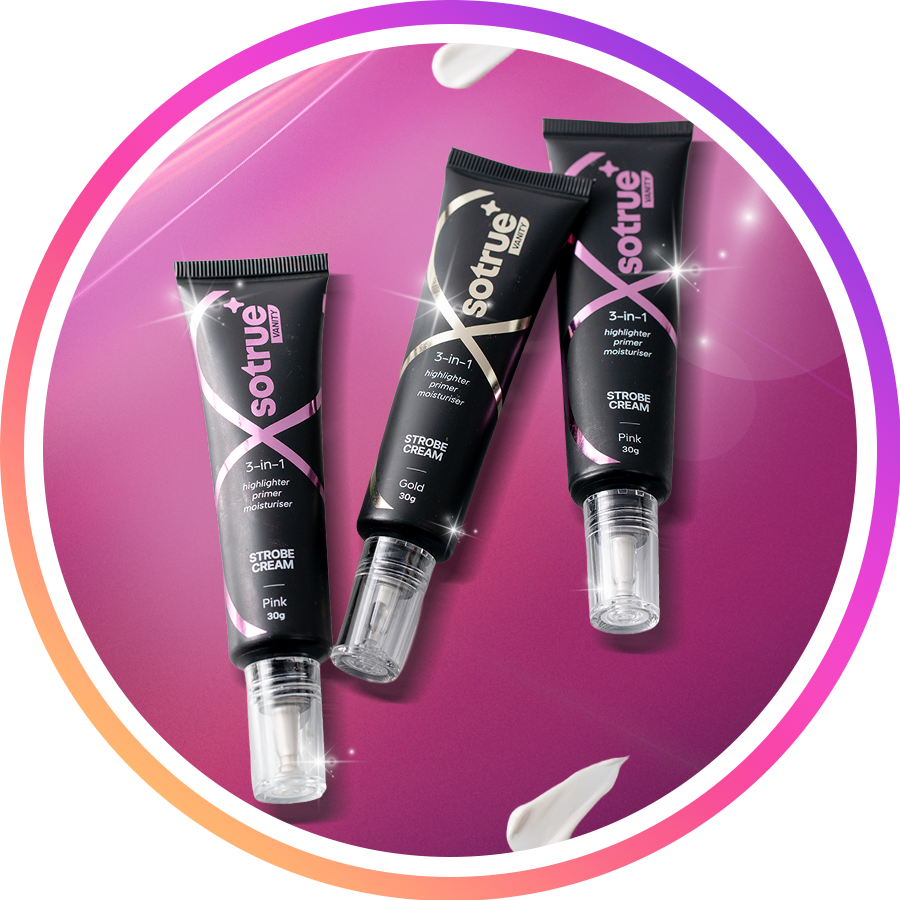
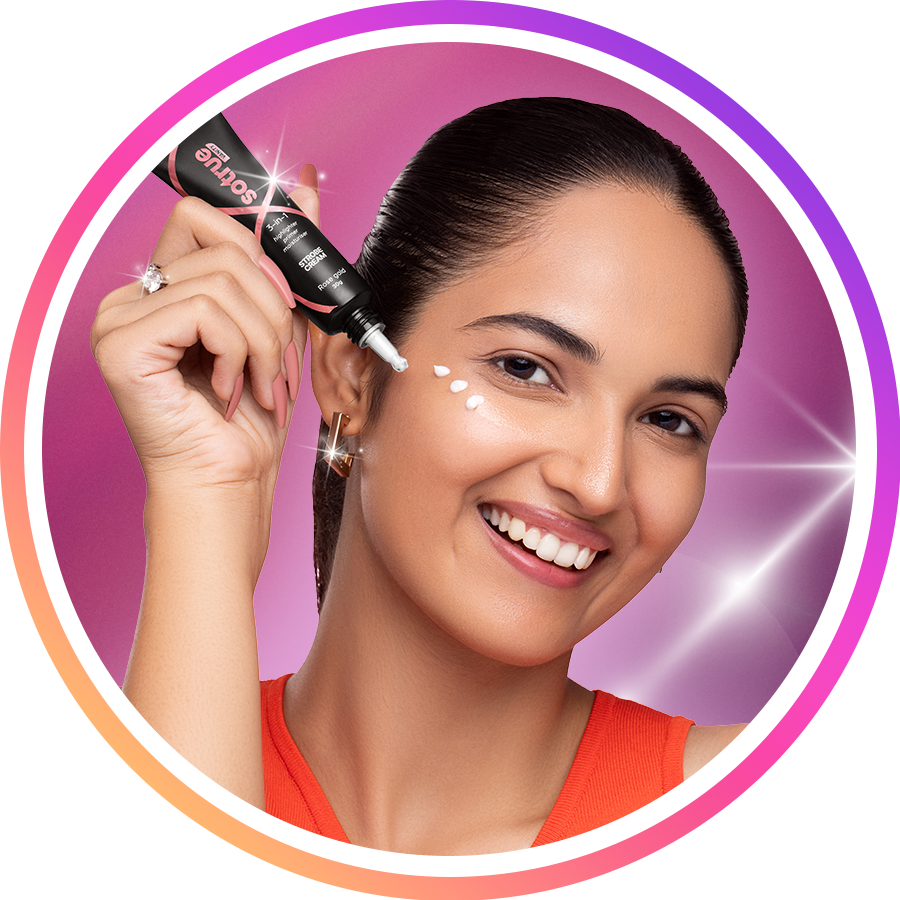
Struggling with beauty products that overlook Indian skin tones, humid climates, and everyday routines? Heavy formulas feel uncomfortable, fade by midday, irritate sensitive skin, and leave your complexion uneven or dull no matter how careful you are. Sotrue offers affordable, vegan, cruelty-free skincare, makeup and haircare thoughtfully crafted for Indian women. From reliable SPF and illuminating strobe creams to inclusive shades, every essential delivers natural radiance and genuine confidence that fits your real life. Shop Sotrue Now!
Why Humidity Creates Challenges for Makeup Wear
Humidity affects makeup because the skin is constantly responding to environmental conditions. Warm, moisture-heavy air can make the skin feel more hydrated on the surface while also increasing the appearance of oil and shine. When sebum mixes with makeup products, the result can be slipping foundation, uneven coverage, or a less polished finish as the day progresses.
For people with oily or combination skin, the challenge is not simply controlling shine. A successful makeup routine needs to maintain comfort while allowing products to sit evenly on the skin. Heavy formulas can sometimes create a thick appearance, while insufficient preparation may leave makeup vulnerable to fading.
An effective primer works as a preparation layer between skincare and makeup. Instead of replacing other steps in a routine, it helps create conditions where foundation and other complexion products can perform more consistently. This makes understanding how oil-control primers work useful for anyone trying to improve makeup longevity in humid conditions.
How Oil-control Primers Work on Oily Skin
Oil-control primers are designed around the idea of managing the relationship between skin oils and makeup products. Many formulas focus on absorbing excess surface oil, reducing visible shine, and creating a smoother texture for makeup application.
The effectiveness of these primers comes from their ability to influence the skin's surface rather than simply adding another cosmetic layer. A well-formulated primer can help create a more stable base, allowing foundation to adhere better instead of interacting immediately with excess oil.
Primers developed for oily skin and humid environments often focus on lightweight textures that provide control without making the skin feel overloaded. According to beauty product analysis from primers for oily skin, ingredients such as bamboo marrow powder, niacinamide, and horsetail extract are commonly associated with formulas designed to support oil management, smoother application, and longer makeup wear.
The goal is not to remove all natural oil from the skin. Healthy skin still requires balance. Instead, oil-control primers aim to reduce the excess shine that can interfere with makeup while maintaining a comfortable finish.
The Role of Oil Absorption and Makeup Grip
Two important features separate oil-control primers from regular base products: oil management and makeup grip. Oil absorption helps minimise the surface conditions that contribute to shine, while grip helps complexion products stay in place for longer periods.
In humid conditions, this combination becomes especially valuable. Moisture in the environment can make makeup feel less stable, and excess sebum can weaken the connection between skin and foundation. A primer designed for these challenges helps create a more reliable foundation layer.
Some humidity-focused primer formulas use ingredients that absorb oil while creating a smoother texture. This approach can reduce the need for frequent touch-ups because the makeup base is better prepared before foundation is applied.
For consumers searching for oil-control primers for humid conditions, the key consideration is not just whether a product creates a matte appearance immediately after application. The more important question is whether it supports comfortable, consistent makeup wear over time.
Choosing the Right Primer for Humid Weather
Selecting a primer depends on individual skin needs, makeup preferences, and the type of finish a person wants to achieve. A product that works well for one person may not provide the same experience for another, especially when skin type and climate conditions vary.
Look for Lightweight, Balanced Formulas
Humid weather often makes heavy products feel uncomfortable. Lightweight primer textures are generally easier to layer with skincare and foundation because they help create a smoother base without adding unnecessary weight.
Consider Oil Control Without Over-drying
Effective oil management is about balance. A primer should help reduce unwanted shine while allowing the skin to remain comfortable. Overly drying products may not provide the smooth makeup application people expect, especially when worn for extended periods.
Match the Primer with Your Makeup Routine
A primer should work alongside other products rather than compete with them. Foundation type, skincare preparation, application technique, and setting products all influence the final result. Understanding how each step interacts can make a bigger difference than relying on one product alone.
For those looking for the best primer for oily skin in humidity, focusing on texture, finish, and compatibility with existing routines can help identify a suitable option.
Application Techniques That Improve Makeup Performance
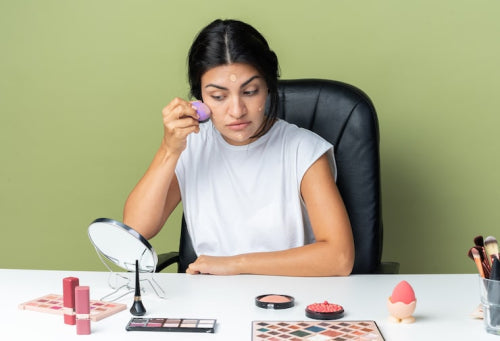
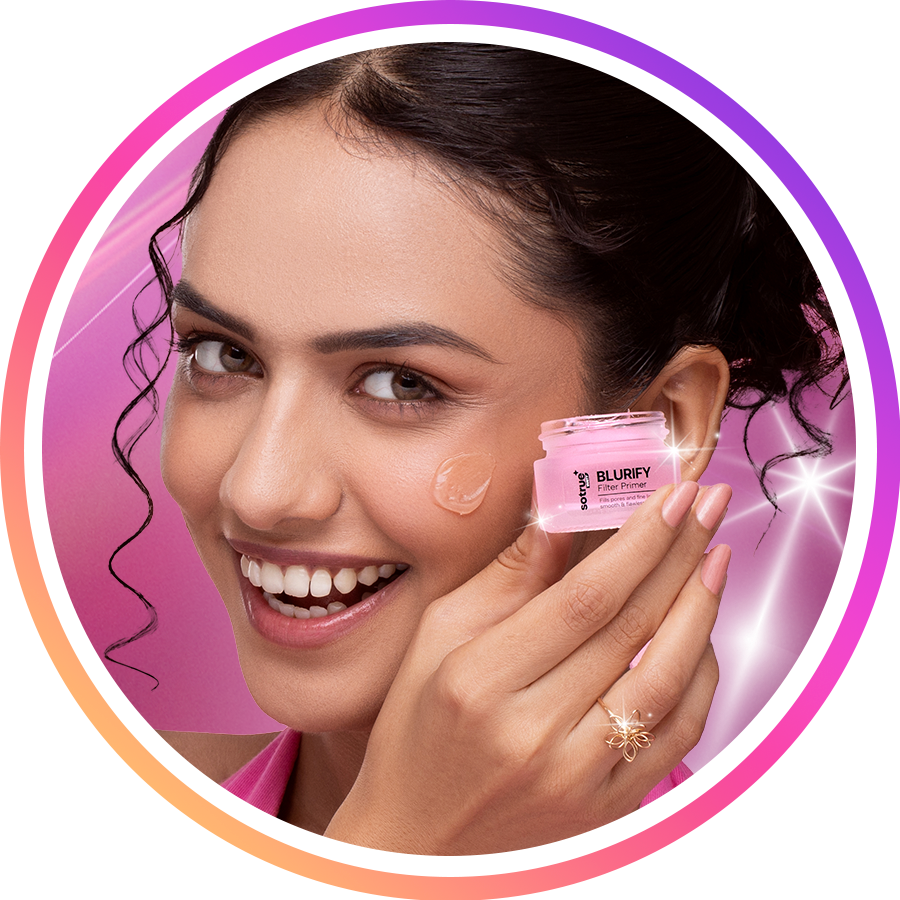
Even a well-designed primer depends on correct application. Applying too much product can create unnecessary buildup, while applying too little may not provide enough coverage across areas where oil appears most often.
- Start with clean, prepared skin: A consistent skincare routine creates a better foundation for makeup application.
- Focus on high-shine areas: The T-zone, including the forehead, nose, and chin, often requires more attention because these areas commonly show oil first.
- Allow the primer to settle: Giving the product time to sit before applying foundation can help create a smoother transition between layers.
- Use compatible makeup products: Pairing the primer with suitable foundation and complexion products can improve overall wear.
Beauty guidance on sweat and humidity-focused primers highlights the importance of applying these products to properly prepared skin and concentrating on areas where oil and moisture create the biggest challenges. Humidity primer techniques can help explain why preparation and placement matter when trying to maintain a more even finish.
Why Primer Knowledge Matters for Modern Beauty Routines
Consumers today are becoming more interested in understanding why products work, not just which products to buy. Makeup decisions increasingly involve questions about ingredients, application methods, skin compatibility, and real-life performance.
This shift creates an opportunity for beauty brands to provide education alongside products. Explaining how a primer supports makeup wear allows consumers to make more informed choices and build routines based on their own concerns.
For beauty enthusiasts dealing with shine and makeup breakdown, educational content about primer for humid weather provides practical guidance. It helps move the conversation beyond simple product selection and towards understanding the role each step plays in a complete makeup routine.
For brands in the beauty and personal care sector, topics like oil control, climate suitability, and application techniques are natural areas for consumer education. Helpful guidance can support customers as they evaluate solutions while building trust through useful information.
The Connection Between Climate, Skin Needs, and Makeup Choices
Makeup performance is closely connected to everyday environments. A routine developed for dry or cool conditions may not deliver the same results in warm and humid settings. This is why climate awareness has become an important part of choosing beauty products.
Humidity does not mean makeup routines need to become complicated. The right preparation steps can simplify the process by helping products work more effectively together. A primer is one part of that preparation, providing a base that supports smoother application and improved wear.
Understanding the science and purpose behind products also helps consumers avoid trial-and-error purchases. Instead of selecting products based only on appearance or trends, they can evaluate whether a formula addresses their specific concerns, such as excess oil, shine, or makeup fading.
Building a More Reliable Makeup Routine in Humid Conditions
Oil-control primers are effective in humid conditions because they address some of the main reasons makeup loses its appearance over time: excess surface oil, reduced product grip, and environmental moisture. By creating a more balanced base, these primers help makeup apply more evenly and support longer-lasting results.
The most effective approach is to choose a primer that matches individual skin needs and use it as part of a complete routine. When consumers understand how oil-control primers function, they can make smarter beauty choices and create makeup routines that feel comfortable, practical, and suited to everyday conditions.
Frequently Asked Questions
How do oil-control primers work in humid conditions?
Oil-control primers help manage excess surface oil, reduce visible shine, and create a smoother base for makeup application. They improve makeup stability by helping foundation adhere better and reducing the impact of humidity and sebum on makeup wear.
What should I look for in a primer for oily skin in humid weather?
A good primer for oily skin in humid weather should have a lightweight texture, support oil control, and work comfortably with other makeup products. Look for formulas that help balance shine without making the skin feel overly dry or heavy.
How can I make my makeup last longer in humid conditions?
To help makeup last longer in humid conditions, start with properly prepared skin and apply an oil-control primer before foundation. Focusing the primer on high-shine areas and using compatible complexion products can improve overall wear and reduce the need for frequent touch-ups.
Disclaimer: The above helpful resources content contains personal opinions and experiences. The information provided is for general knowledge and does not constitute professional advice.
You may also be interested in: Lightweight Strobe Creams Perform in Humid Indian Conditions
Struggling with beauty products that overlook Indian skin tones, humid climates, and everyday routines? Heavy formulas feel uncomfortable, fade by midday, irritate sensitive skin, and leave your complexion uneven or dull no matter how careful you are. Sotrue offers affordable, vegan, cruelty-free skincare, makeup and haircare thoughtfully crafted for Indian women. From reliable SPF and illuminating strobe creams to inclusive shades, every essential delivers natural radiance and genuine confidence that fits your real life. Shop Sotrue Now!
Powered by flareAI.co