





Beauty choices are increasingly shaped by more than appearance, performance, or price. Consumers are paying closer attention to how products are created, where ingredients come from, and whether brands can support the values they communicate. Ethical production practices in beauty have become an important consideration for shoppers who want greater transparency and confidence in the products they bring into their routines.
From ingredient sourcing to manufacturing standards and supply chain responsibility, production decisions influence both the quality of a product and the trust consumers place in a brand. Understanding these practices helps shoppers make more informed decisions while encouraging the beauty industry to move toward clearer accountability and responsible innovation.
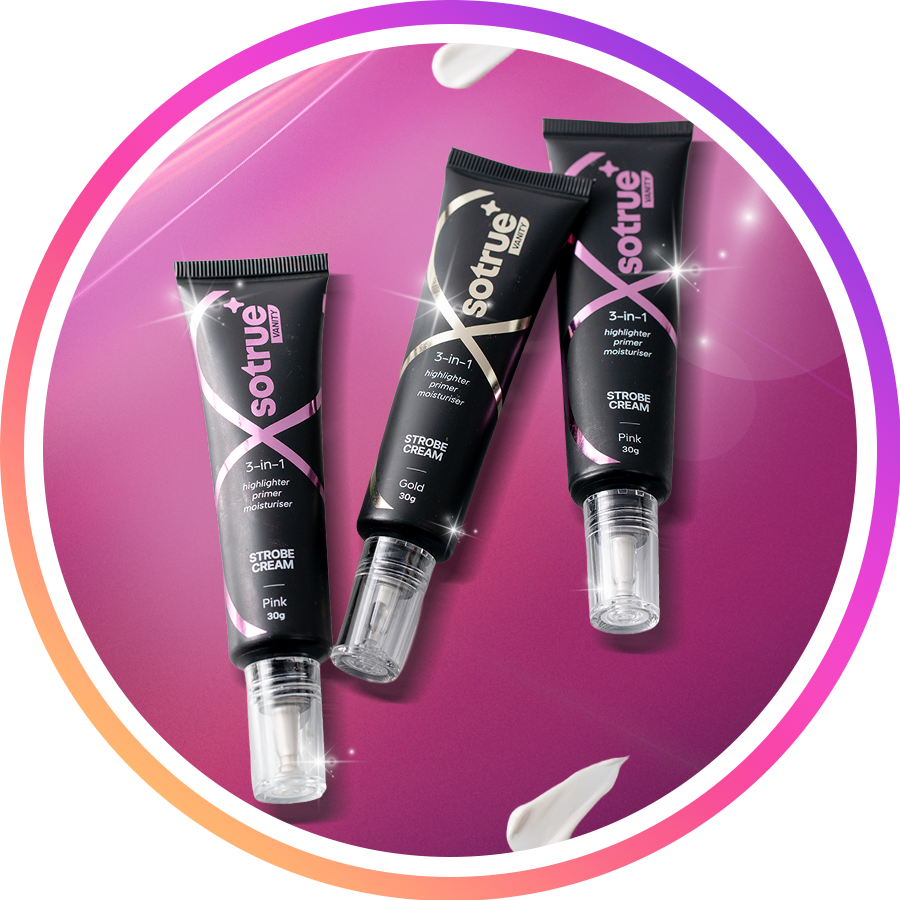
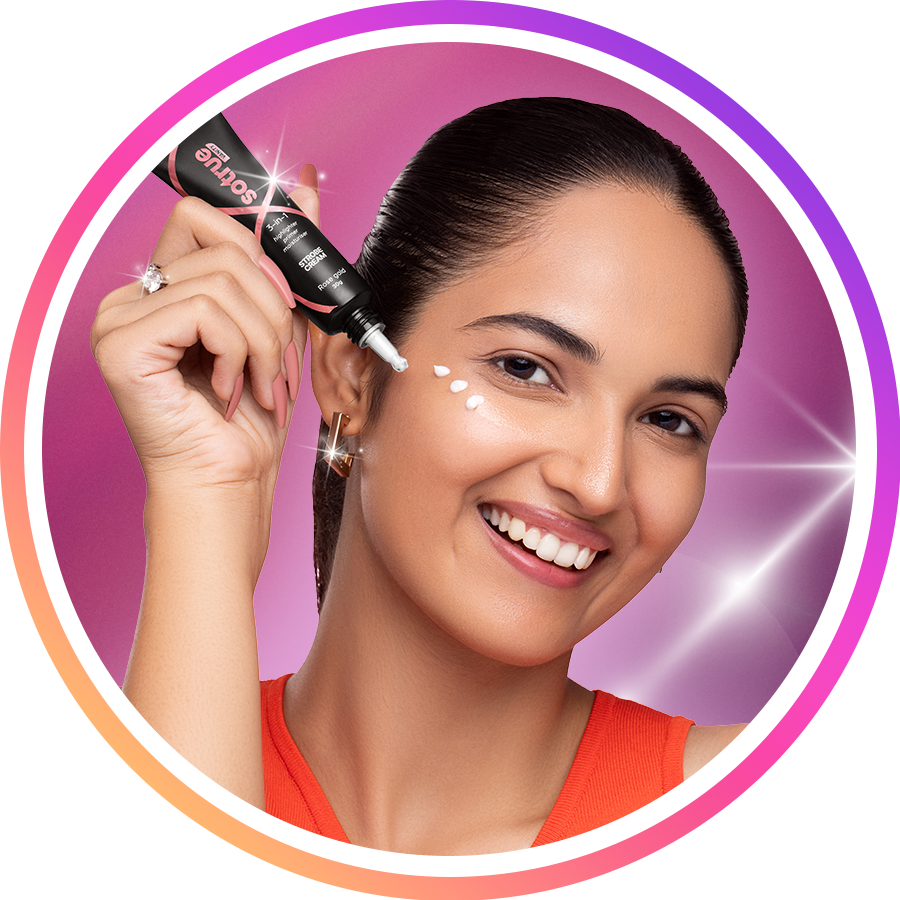
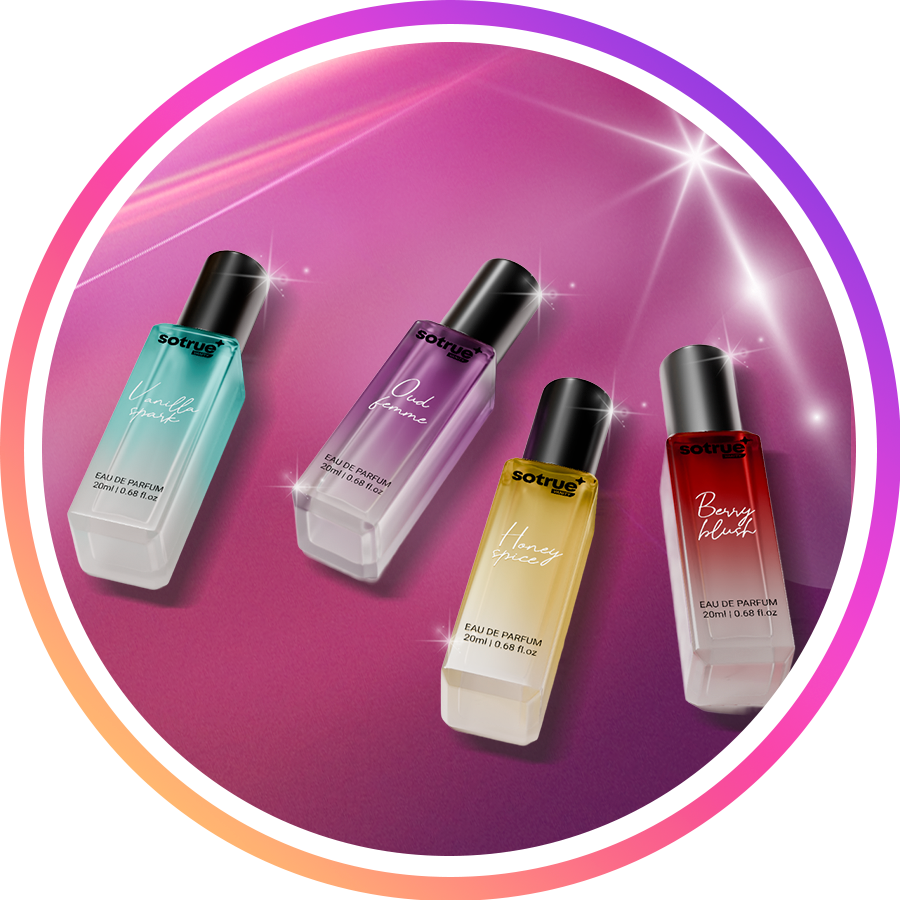
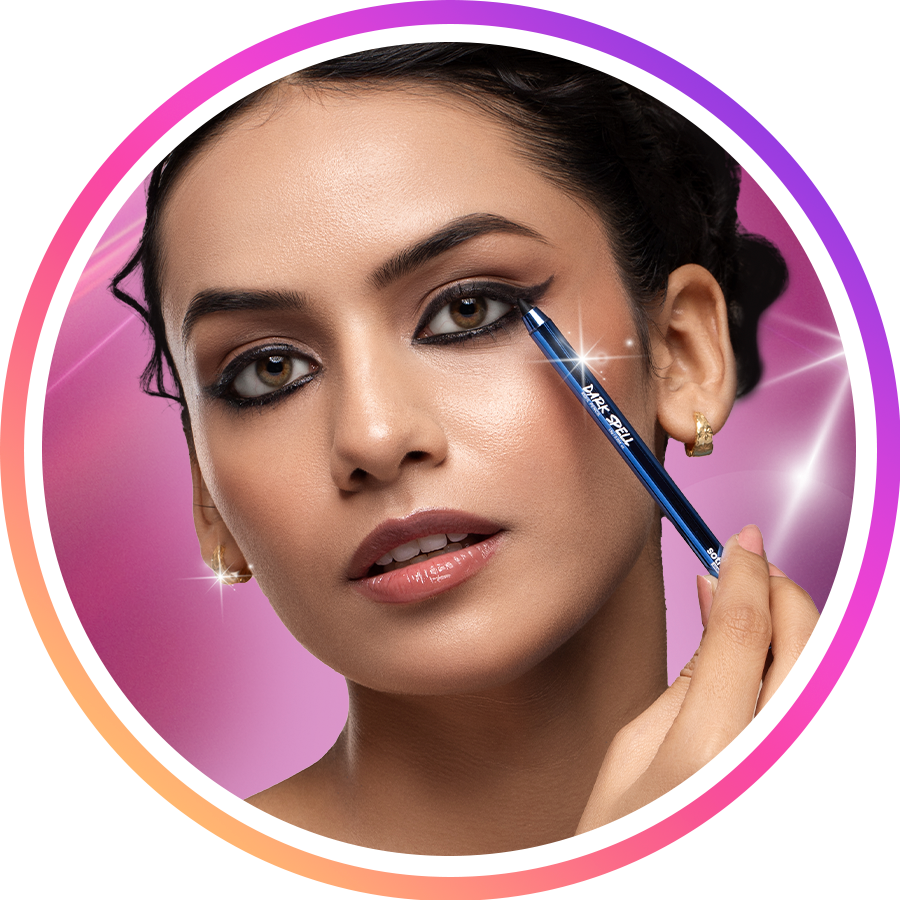
Struggling with beauty products that overlook Indian skin tones, humid climates, and everyday routines? Heavy formulas feel uncomfortable, fade by midday, irritate sensitive skin, and leave your complexion uneven or dull no matter how careful you are. Sotrue offers affordable, vegan, cruelty-free skincare, makeup and haircare thoughtfully crafted for Indian women. From reliable SPF and illuminating strobe creams to inclusive shades, every essential delivers natural radiance and genuine confidence that fits your real life. Shop Sotrue Now!
Why Ethical Production Practices Are Becoming a Key Beauty Consideration
For many consumers, selecting a beauty product is no longer only about finding the right shade, texture, or formula. The process behind the product has become part of the decision-making process. Questions about sourcing, labour practices, animal welfare, environmental responsibility, and manufacturing transparency are becoming central to how people evaluate brands.
This shift reflects a broader change in consumer expectations. Beauty buyers increasingly want to understand whether a product aligns with their personal values, not just whether it delivers a desired result. Ethical beauty brands respond to this demand by providing clearer information about their production choices and demonstrating responsibility beyond marketing messages.
Ethical production does not represent a single action. It involves multiple areas of responsibility, including ingredient selection, supplier relationships, manufacturing processes, packaging decisions, and communication with customers. A brand's approach in each area can influence how consumers perceive its commitment to responsible practices.
The Importance of Transparency in Beauty Manufacturing
Transparency has become one of the most important factors when consumers evaluate beauty products. Shoppers want access to meaningful information about what goes into their products and how those products are made. Clear communication around ingredients, sourcing, and production methods helps consumers distinguish between genuine commitments and unsupported claims.
Beauty sustainability practices continue to face challenges around transparency, including limited disclosure of supply chain information, ingredient details, animal testing certifications, and climate-related reporting. These gaps highlight why consumers increasingly look for evidence rather than relying only on brand messaging.
For beauty companies, transparent manufacturing practices can strengthen relationships with customers. Providing accessible information about sourcing and production allows consumers to better understand the decisions behind a product and creates a foundation for long-term trust.
How Responsible Sourcing Shapes Product Decisions
Responsible sourcing plays an important role in ethical beauty production because ingredients connect a finished product with a wider network of suppliers, communities, and environmental considerations. Consumers are becoming more interested in the origins of ingredients and whether sourcing methods support responsible practices.
Ingredient transparency is not simply about listing components on packaging. It also involves explaining why certain ingredients are selected, how they are obtained, and what standards guide supplier relationships. This approach gives consumers a clearer picture of the values behind a product.
Brands that consider sourcing carefully can create stronger connections between product quality and responsible decision-making. Ethical skincare and makeup choices often begin with understanding the journey of ingredients before they become part of a finished formula.
Moving Beyond Claims: the Role of Verified Ethical Standards
The growth of interest in ethical beauty has also created a need for stronger verification. Consumers may encounter many claims related to sustainability, clean beauty, cruelty-free practices, or responsible manufacturing. Without supporting information, these claims can be difficult to evaluate.
The beauty industry is increasingly moving toward approaches that combine ethical commitments with measurable standards. The science-led clean beauty shift reflects a growing expectation that brands should support their statements with transparency, documented practices, and evidence-based approaches.
This development changes how consumers approach product selection. Instead of viewing ethical considerations as an additional feature, shoppers are beginning to see them as part of overall product quality. A responsible beauty product is not only about what it does but also about how it is created.
Why Cruelty-free and Sustainable Choices Matter
Cruelty-free and sustainable cosmetics represent two areas where consumers often seek clearer guidance. Animal welfare considerations remain an important part of beauty purchasing decisions, while environmental concerns influence how shoppers think about ingredients, packaging, and production methods.
Choosing products from brands that consider these factors allows consumers to support practices that align with their values. However, responsible decision-making requires looking beyond individual labels and understanding the wider approach behind a company's operations.
Sustainability in beauty production involves more than packaging changes or ingredient choices. It can include supplier relationships, manufacturing efficiency, responsible resource use, and ongoing efforts to reduce environmental impact. These combined practices help create a more complete picture of a brand's responsibility.
What Consumers Should Look for When Selecting Beauty Products
Making a responsible beauty selection does not require consumers to become supply chain experts. Instead, shoppers can focus on several practical indicators that help evaluate a brand's approach.
- Clear ingredient information: Look for brands that explain their formulas and ingredient choices openly.
- Evidence behind ethical claims: Consider whether sustainability, cruelty-free, or sourcing statements are supported by transparent information.
- Responsible production practices: Explore whether a brand communicates about manufacturing standards and supplier relationships.
- Consistency between values and actions: Evaluate whether a company's public commitments are reflected throughout its operations.
These considerations help consumers move from simply purchasing products to making informed beauty selections. Ethical buying is not about finding perfection; it is about understanding the choices behind the products and supporting practices that reflect personal priorities.
The Future of Beauty Selection: Trust Through Responsibility
Ethical production practices are becoming a defining factor in how consumers evaluate beauty brands. As expectations for transparency continue to grow, companies have an opportunity to build stronger relationships by communicating honestly about their processes and priorities.
The future of beauty selection will likely depend on a combination of performance, transparency, and responsibility. Consumers want products that meet their needs while also reflecting broader concerns around sustainability, ethical sourcing, and responsible manufacturing.
For brands, this means ethical production is not simply a communication strategy. It is an ongoing approach to creating products that respect customers, communities, and the environment. For consumers, understanding these practices makes it easier to choose beauty products that align with their values.
Ethical production practices in beauty selections provide a clearer path toward informed purchasing decisions. By looking beyond surface-level claims and considering how products are made, consumers can support brands that prioritise transparency, responsibility, and thoughtful innovation.
Frequently Asked Questions
What are ethical production practices in beauty products?
Ethical production practices in beauty involve responsible decisions around ingredient sourcing, manufacturing methods, supply chain management, animal welfare, and environmental impact. These practices help consumers understand how products are made and support more transparent beauty choices.
Why should consumers choose ethical beauty brands?
Consumers choose ethical beauty brands because they want products that align with their values, including transparency, responsible sourcing, and cruelty-free approaches. Looking beyond product claims helps shoppers make more informed decisions about the beauty products they purchase.
How can I identify sustainable beauty production practices?
Consumers can identify sustainable beauty production practices by checking for clear ingredient information, transparent manufacturing details, and evidence supporting environmental or ethical claims. Responsible beauty product selection involves understanding both the product benefits and the processes behind its creation.
Disclaimer: The above helpful resources content contains personal opinions and experiences. The information provided is for general knowledge and does not constitute professional advice.
You may also be interested in: Lightweight Strobe Creams Perform in Humid Indian Conditions
Struggling with beauty products that overlook Indian skin tones, humid climates, and everyday routines? Heavy formulas feel uncomfortable, fade by midday, irritate sensitive skin, and leave your complexion uneven or dull no matter how careful you are. Sotrue offers affordable, vegan, cruelty-free skincare, makeup and haircare thoughtfully crafted for Indian women. From reliable SPF and illuminating strobe creams to inclusive shades, every essential delivers natural radiance and genuine confidence that fits your real life. Shop Sotrue Now!
Powered by flareAI.co


