








Many people in India assume that sunscreen is only necessary when the sun is blazing overhead. Yet on cloudy or overcast days common during the monsoon season or typical grey urban mornings ultraviolet rays continue to reach the skin. Understanding this reality can transform daily skincare routines and help protect against long-term damage, especially for those navigating busy city commutes, college campuses, or outdoor errands in places like Mumbai, Delhi, or Bengaluru.
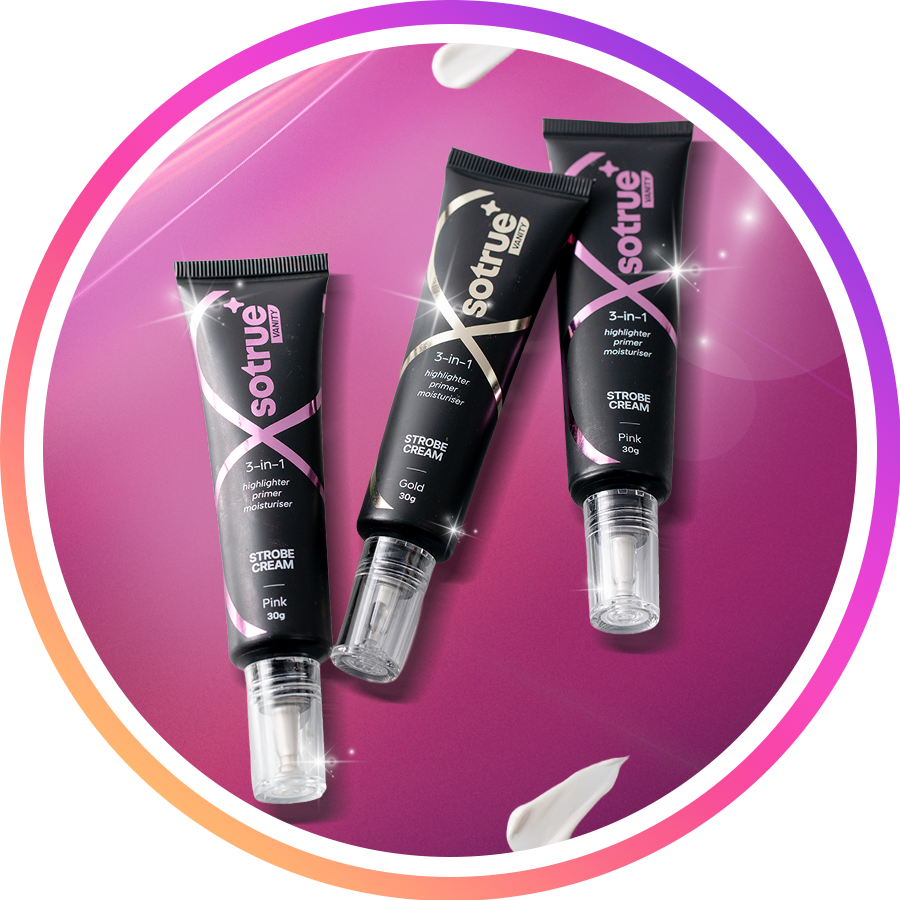
Struggling with beauty products that overlook Indian skin tones, humid climates, and everyday routines? Heavy formulas feel uncomfortable, fade by midday, irritate sensitive skin, and leave your complexion uneven or dull no matter how careful you are. Sotrue offers affordable, vegan, cruelty-free skincare, makeup and haircare thoughtfully crafted for Indian women. From reliable SPF and illuminating strobe creams to inclusive shades, every essential delivers natural radiance and genuine confidence that fits your real life. Shop Sotrue Now!
The Science Behind UV Exposure on Cloudy Days
Cloud cover often creates a false sense of security. While it may block some visible sunlight, a substantial portion of UVA and UVB rays can still penetrate through clouds and fog. This means that skipping sunscreen on overcast days leaves skin vulnerable to cumulative damage over time.
According to expert insights, many people associate sunscreen with bright sunshine, yet ultraviolet exposure continues even when skies are overcast. Cloud cover can reduce visible sunlight without eliminating the ultraviolet radiation responsible for skin damage, premature aging, pigmentation, and long-term skin health concerns. Research and expert commentary show that a significant percentage of UVA and UVB rays can pass through clouds and fog, creating a false sense of protection for people who skip sunscreen on cloudy days. UV rays still penetrate clouds and fog. This is particularly relevant for individuals who spend time commuting, exercising outdoors, driving, or running errands under overcast conditions. Daily exposure accumulates over months and years, contributing to uneven skin tone, fine lines, loss of skin elasticity, and increased skin cancer risk.
UVA rays, which penetrate deeper into the skin, contribute to premature aging, loss of elasticity, and uneven skin tone. UVB rays are primarily responsible for sunburn and play a key role in skin cancer risk. Even when the sky appears grey, these invisible rays accumulate, affecting Indian skin that is often exposed to year-round humidity and pollution.
For young professionals and students rushing between classes or meetings, this hidden exposure adds up during daily walks, scooter rides, or time spent near windows. Consistent protection becomes essential rather than optional.
Common Myths About Sunscreen and Cloudy Weather
One widespread belief is that sunscreen is unnecessary unless the sun feels hot or the day is bright. This misconception leads many to skip application on cloudy mornings, only to experience gradual pigmentation issues or dullness later. In reality, skin responds to ultraviolet radiation, not just visible brightness.
Cloudy weather often creates the impression that the risk of sun damage has disappeared, but skin can still experience meaningful ultraviolet exposure even when the sun is hidden from view. The ability of UV rays to penetrate cloud cover means that sunburn, skin irritation, and long-term photoaging remain possible during overcast conditions. This reality challenges a common misconception that sunscreen is only necessary when temperatures are high or sunlight feels intense. In practice, skin responds to ultraviolet radiation rather than visible brightness, making protection important regardless of how sunny the day appears. Sunburn risk despite cloudy weather. Continuous exposure over time can accelerate the development of wrinkles, uneven pigmentation, and other visible signs of aging.
Another myth suggests that indoor or overcast conditions eliminate the need for broad-spectrum protection. However, UV rays can pass through glass and clouds, making daily use important even for those primarily working from home or spending time in air-conditioned offices. Addressing these sunscreen myths cloudy weather helps build better habits tailored to Indian lifestyles.
Urban consumers often juggle multiple skincare steps influenced by social media trends. Prioritising reliable sun protection cuts through the noise and supports clearer, healthier-looking skin regardless of the forecast.
How Cloudy Days Still Impact Indian Skin
India's diverse climate means frequent overcast conditions, particularly during the rainy season. Yet UV exposure persists, contributing to concerns like dark spots, fine lines, and loss of radiance that many seek to address with serums and treatments.
Daily sunscreen usage benefits extend beyond preventing sunburn. It helps preserve the results of other skincare investments by reducing ongoing environmental stress. For those dealing with combination or oily skin common in humid regions, lightweight, non-comedogenic formulas integrate seamlessly into morning routines without feeling heavy.
Over months and years, consistent protection supports skin elasticity and even tone, complementing cultural emphasis on glowing, healthy skin for personal and professional confidence.
Choosing the Right Sunscreen for Everyday Use
Broad spectrum sunscreen importance cannot be overstated. Look for products offering both UVA and UVB protection with an SPF of 30 or higher. Water-resistant options prove useful during sudden showers or sweaty commutes.
Modern formulations cater to Indian skin tones and textures, with many featuring mattifying agents or added antioxidants to combat pollution. Applying a generous amount roughly a teaspoon for the face and neck ensures adequate coverage. Reapplication every two to three hours remains ideal during extended outdoor time, though even once-daily use offers meaningful benefits on cloudy days.
Integrating sunscreen into a simple routine makes it sustainable. Many find success by applying it after moisturiser but before makeup, turning protection into a seamless step rather than an afterthought.
Practical Tips for Building a Cloudy Day Sunscreen Habit
Start small by keeping sunscreen near your keys or in your bag as a visual reminder. Set a phone alert for morning application, especially on days when the sky looks grey. Pairing it with existing habits like brushing teeth or having morning chai helps make it automatic.
For families, educating children and teenagers about SPF needed on overcast days establishes lifelong practices. Office workers can benefit from desk-friendly sprays or powders for touch-ups. During festivals or outdoor gatherings under cloudy skies, protection ensures enjoyment without post-event skin concerns.
Track improvements over weeks: notice reduced dullness, fewer new dark spots, or better makeup longevity. These tangible results reinforce the habit far more effectively than abstract warnings.
Long-Term Benefits of Year-Round Sun Protection
Consistent sunscreen use supports preventive skincare rather than relying solely on corrective treatments. It helps maintain skin health amid India's intense UV index, pollution, and humidity fluctuations. Users often report improved texture and brightness as daily exposure to hidden UV decreases.
This approach aligns with a broader shift toward mindful self-care. Instead of reacting to pigmentation or aging signs, proactive protection preserves natural glow and boosts confidence in professional and social settings.
By dispelling do you need sunscreen on cloudy days doubts, individuals gain control over one of the most significant environmental factors affecting skin appearance and health.
Overcoming Barriers to Daily Application
Common objections include greasiness, white cast, or forgetting. Fortunately, innovations in texture and finish address these. Many affordable and premium options now suit various budgets and preferences prevalent among urban Indian consumers.
Start with a product you enjoy using. Experiment during weekends to find the right match. Over time, the peace of mind and visible skin improvements outweigh initial adjustments. Sharing experiences with friends or through beauty communities can normalise the practice further.
sunscreen remains a cornerstone of effective skincare even when clouds dominate the sky. By recognising the persistent nature of UV rays and adopting simple protective habits, individuals across India can enjoy healthier, more radiant skin for years to come. Small daily choices compound into significant long-term rewards, making sun protection an empowering part of modern self-care.
Frequently Asked Questions
Do I really need to wear sunscreen on cloudy or overcast days?
Yes, sunscreen is essential even on cloudy days. Cloud cover can reduce visible sunlight but does not block UVA and UVB rays, a significant portion of which still penetrate through clouds and fog. Skipping sunscreen on grey days leads to cumulative UV exposure that contributes to pigmentation, premature aging, and increased skin cancer risk over time.
What SPF should I use for everyday sun protection in India, including during the monsoon season?
Dermatologists recommend a broad-spectrum sunscreen with SPF 30 or higher for daily use, regardless of the weather. Since India experiences frequent overcast conditions during the monsoon season, UV rays remain active year-round, making consistent daily application important. Look for lightweight, non-comedogenic formulas suited to humid climates, and reapply every two to three hours during extended outdoor exposure.
Can UV rays penetrate clouds and cause skin damage even when it's not sunny?
Yes, UV rays especially UVA rays can pass through clouds, fog, and even glass, making sun damage possible without direct sunlight. UVA rays penetrate deep into the skin and are responsible for premature aging, loss of elasticity, and uneven skin tone, while UVB rays contribute to sunburn and skin cancer risk. This means that daily activities like commuting, driving, or sitting near windows on a cloudy day still expose your skin to meaningful UV radiation.
Disclaimer: The above helpful resources content contains personal opinions and experiences. The information provided is for general knowledge and does not constitute professional advice.
You may also be interested in: Strobe Creams Provide Lit-From-Within Look for Indian Skin
Struggling with beauty products that overlook Indian skin tones, humid climates, and everyday routines? Heavy formulas feel uncomfortable, fade by midday, irritate sensitive skin, and leave your complexion uneven or dull no matter how careful you are. Sotrue offers affordable, vegan, cruelty-free skincare, makeup and haircare thoughtfully crafted for Indian women. From reliable SPF and illuminating strobe creams to inclusive shades, every essential delivers natural radiance and genuine confidence that fits your real life. Shop Sotrue Now!
Powered by flareAI.co