


Skin tints have changed the way many consumers approach complexion makeup. Instead of choosing between a barely noticeable tint and a full-coverage foundation, many modern formulas are designed to offer flexibility through buildable coverage. This allows users to adjust their look depending on their preferences, skin concerns, occasion, and desired finish. Understanding the factors that distinguish buildable coverage levels in skin tints can help beauty consumers make more informed choices and create routines that feel comfortable, natural, and personalised.
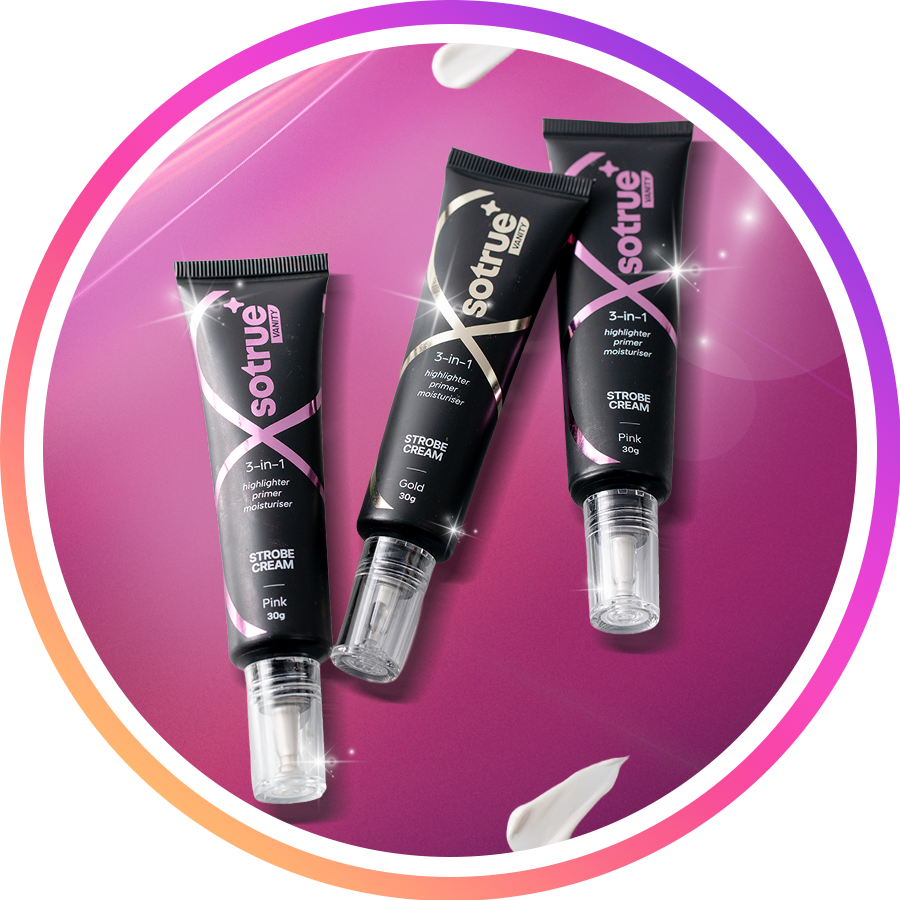
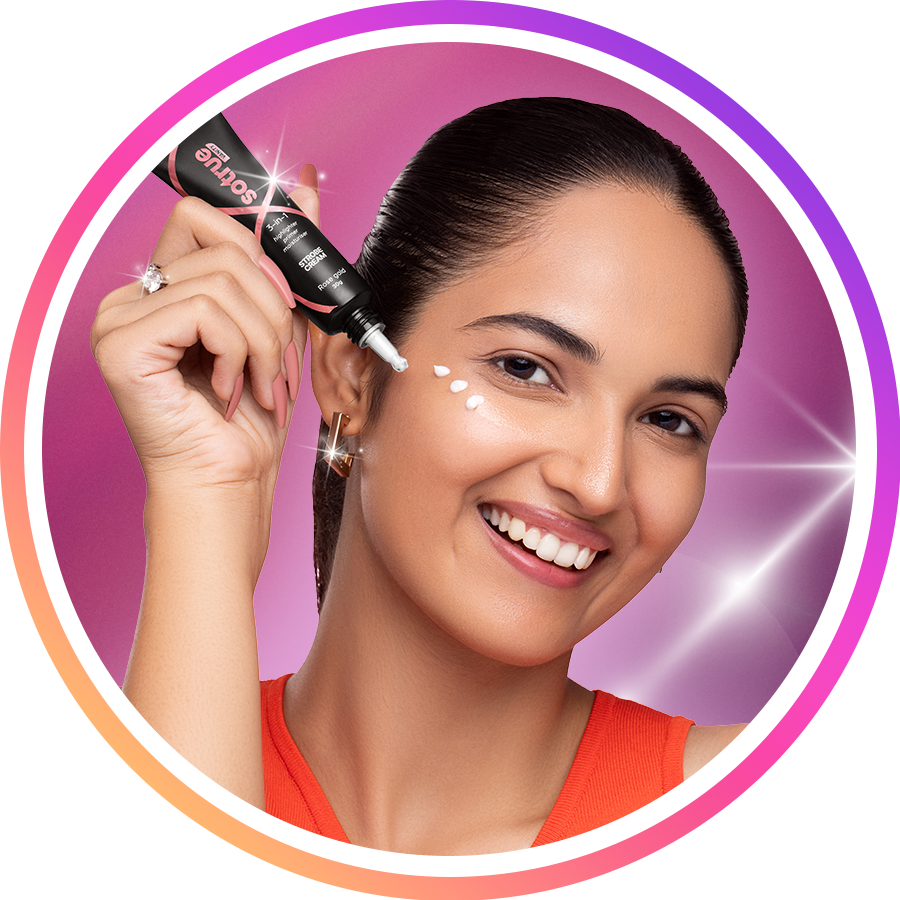
Struggling with beauty products that overlook Indian skin tones, humid climates, and everyday routines? Heavy formulas feel uncomfortable, fade by midday, irritate sensitive skin, and leave your complexion uneven or dull no matter how careful you are. Sotrue offers affordable, vegan, cruelty-free skincare, makeup and haircare thoughtfully crafted for Indian women. From reliable SPF and illuminating strobe creams to inclusive shades, every essential delivers natural radiance and genuine confidence that fits your real life. Shop Sotrue Now!
What Makes Buildable Coverage Different in Skin Tints
Buildable coverage refers to the ability of a complexion product to increase opacity through additional layers without becoming heavy, uneven, or unnatural. In skin tints, this quality is especially important because the category is often associated with lightweight textures and a skin-like appearance.
A sheer first layer may be enough for everyday wear when the goal is to even out tone while maintaining natural skin characteristics. Additional layers can then provide more refinement in areas where users want extra coverage. The difference between a product that simply becomes thicker and one that builds effectively depends on how the formula interacts with the skin during application.
Several elements influence this experience, including pigment distribution, texture, blendability, and how comfortably the formula sits after layering. A well-designed skin tint allows users to customise their coverage rather than forcing them into a single makeup style.
The Role of Formula Texture in Coverage Levels
The texture of a skin tint plays a major role in determining how coverage develops. Lightweight formulas are expected to spread easily, blend quickly, and maintain a natural appearance even when additional product is applied.
When a formula has a fluid texture, pigments can distribute more evenly across the skin. This helps prevent patchiness and allows users to build coverage gradually. A product that blends smoothly can create a balanced finish, whether someone prefers a minimal makeup look or a more polished complexion.
The movement towards natural-looking complexion products reflects a wider consumer preference for makeup that enhances real skin characteristics rather than completely masking them. Coverage options that allow features such as skin texture and natural details to remain visible have influenced the development of lightweight complexion formulas. Natural coverage trends highlight how adjustable coverage has become an important consideration for modern makeup routines.
For consumers evaluating a skin tint, texture can often indicate how versatile the product may be. A formula that feels comfortable in a single layer but remains stable after layering is more likely to support different coverage preferences.
Why Pigment Technology Influences Skin Tint Performance
Pigment concentration is one factor that affects how much coverage a skin tint can provide, but coverage is not determined by pigment alone. The way pigments are dispersed throughout a formula can influence how evenly colour appears and how naturally it blends with the skin.
Effective pigment distribution helps a skin tint maintain a smooth appearance when applied in multiple layers. Without proper formulation, additional product can create visible buildup instead of a seamless increase in coverage.
This is why two products with similar descriptions may perform differently. One may provide a soft, natural finish with adjustable coverage, while another may appear heavier after the same amount of application. The relationship between pigments, texture, and application experience defines how users perceive coverage levels.
Modern complexion products are increasingly designed around flexibility, combining comfortable wear with visible performance. Developments in ingredient selection, pigment technology, and lightweight textures have helped create products that sit between traditional foundation and minimal makeup. Evolving foundation formulas demonstrate how complexion categories are shifting towards adaptable products that support different consumer preferences.
How Application Techniques Change Coverage Results
The same skin tint can create different results depending on how it is applied. Application method, amount of product, and layering technique all influence the final appearance.
Starting with a Light Base
Applying a small amount of product first allows users to understand the natural finish of the formula. This approach is useful for those who prefer lightweight skin tint makeup and want their complexion to look even without appearing overly covered.
A lighter application can also make it easier to identify areas that may need additional attention. Instead of applying a large amount of product across the entire face, users can gradually add coverage where it is needed.
Building Coverage Strategically
Layering skin tint for makeup coverage works best when each layer is allowed to blend before adding more product. This helps maintain a smooth finish and prevents unnecessary product buildup.
Consumers often look for complexion products that can adapt throughout the day and suit different situations. A fresh everyday appearance may require less coverage, while special occasions or photography may call for a more refined finish. This adaptability is one reason buildable formulas have become valuable within modern beauty routines.
Skin Tint Coverage Levels Compared with Foundation
Understanding skin tint vs foundation coverage can help consumers choose products based on their desired outcome rather than simply comparing product categories. Traditional foundations are often associated with higher coverage potential, while skin tints are generally recognised for lightweight application and natural finishes.
However, the distinction is becoming less rigid. Many complexion products now aim to combine the comfort of a tint with the ability to create more coverage when needed. The key difference is not only how much coverage a product provides, but how naturally it can be adjusted.
A buildable skin tint allows users to move between different levels of coverage without changing products. Someone may prefer a sheer finish for daily activities and a more even complexion for occasions where they want additional refinement.
This flexibility reflects changing expectations around makeup. Consumers increasingly value products that fit multiple routines instead of products designed for only one specific look.
Choosing a Skin Tint Based on Finish and Lifestyle Needs
Coverage is only one part of selecting a complexion product. The final result also depends on finish, comfort, routine, and personal preferences.
Those searching for natural coverage complexion products may prioritise formulas that allow the skin to look fresh while providing subtle evening of tone. Others may focus on products that offer more customisation and can be adjusted for different situations.
When considering how much coverage does skin tint provide, consumers should look beyond product descriptions and consider practical factors such as:
- Layering ability: Whether additional applications increase coverage smoothly.
- Blendability: Whether the formula spreads evenly without disrupting the finish.
- Comfort: Whether the product remains lightweight during extended wear.
- Finish: Whether the final appearance matches the desired makeup style.
These considerations make it easier to identify a product that fits an individual routine. A skin tint designed for flexibility can support different preferences without requiring a separate complexion product for every occasion.
The Growing Importance of Customisable Complexion Products
The popularity of buildable coverage reflects a broader shift in beauty routines towards personalisation. Consumers are increasingly looking for products that work with their lifestyle rather than following a single standard for how makeup should appear.
Complexion products are no longer evaluated only by the amount of coverage they provide. Factors such as comfort, adaptability, finish, and ease of application are becoming equally important. This has encouraged brands to focus on formulas that balance performance with a natural appearance.
For beauty consumers, understanding the differences between coverage levels makes it easier to select products that match their expectations. Rather than viewing sheer, medium, and fuller coverage as separate categories, buildable formulas offer a more flexible approach.
For brands in the beauty and personal care sector, educating consumers about these differences can create more meaningful connections. Clear guidance around application, coverage, and product benefits helps shoppers understand how complexion products fit into their everyday routines.
How Buildable Coverage Shapes Modern Makeup Choices
Buildable coverage has become an important feature because it gives consumers greater control over their makeup experience. The ability to start with a lightweight layer and gradually increase coverage supports a range of preferences, from minimal everyday looks to more polished finishes.
Factors such as formula texture, pigment performance, application technique, and finish all contribute to how a skin tint performs. Understanding these elements allows consumers to make better decisions and use complexion products more effectively.
As beauty routines continue to become more personalised, products that offer flexibility are likely to remain valuable. Skin tints with adjustable coverage provide a practical balance between natural appearance and customisable performance, helping users create looks that feel suited to their individual needs.
Frequently Asked Questions
What does buildable coverage mean in a skin tint?
Buildable coverage means a skin tint can be applied in layers to gradually increase the level of coverage without creating a heavy or unnatural finish. It allows users to achieve anything from a lightweight everyday look to a more polished complexion depending on their needs.
How do skin tint coverage levels compare with foundation coverage?
Skin tint coverage levels are typically lighter than traditional foundations, focusing on a natural, skin-like finish. However, buildable skin tints can provide more coverage through layering while maintaining comfort and flexibility.
How can you build coverage with a skin tint for a smoother makeup finish?
To build coverage with a skin tint, start with a thin layer and allow it to blend before applying additional product where needed. Using gradual layering helps maintain an even finish while giving more control over the final makeup look.
Disclaimer: The above helpful resources content contains personal opinions and experiences. The information provided is for general knowledge and does not constitute professional advice.
You may also be interested in: Why SPF 50 Sunscreen Stick is Your Best Bet for Sun Protection
Struggling with beauty products that overlook Indian skin tones, humid climates, and everyday routines? Heavy formulas feel uncomfortable, fade by midday, irritate sensitive skin, and leave your complexion uneven or dull no matter how careful you are. Sotrue offers affordable, vegan, cruelty-free skincare, makeup and haircare thoughtfully crafted for Indian women. From reliable SPF and illuminating strobe creams to inclusive shades, every essential delivers natural radiance and genuine confidence that fits your real life. Shop Sotrue Now!
Powered by flareAI.co


