

Creating a natural-looking makeup base often depends on how well different complexion products work together. While skin tints are valued for their lightweight feel and skin-like finish, the primer underneath can influence how smoothly the product applies, how comfortable it feels throughout the day, and how the final look appears. Understanding the right primer and skin tint combination helps makeup users build a routine that matches their skin type, preferred finish, and everyday needs.
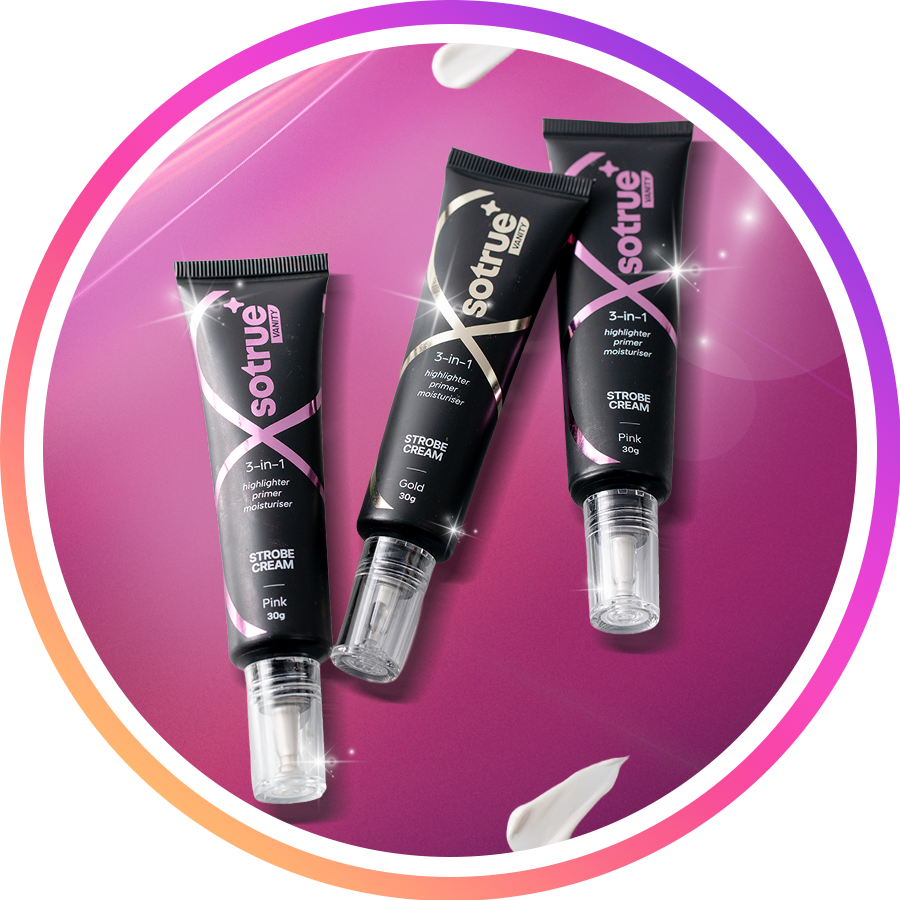
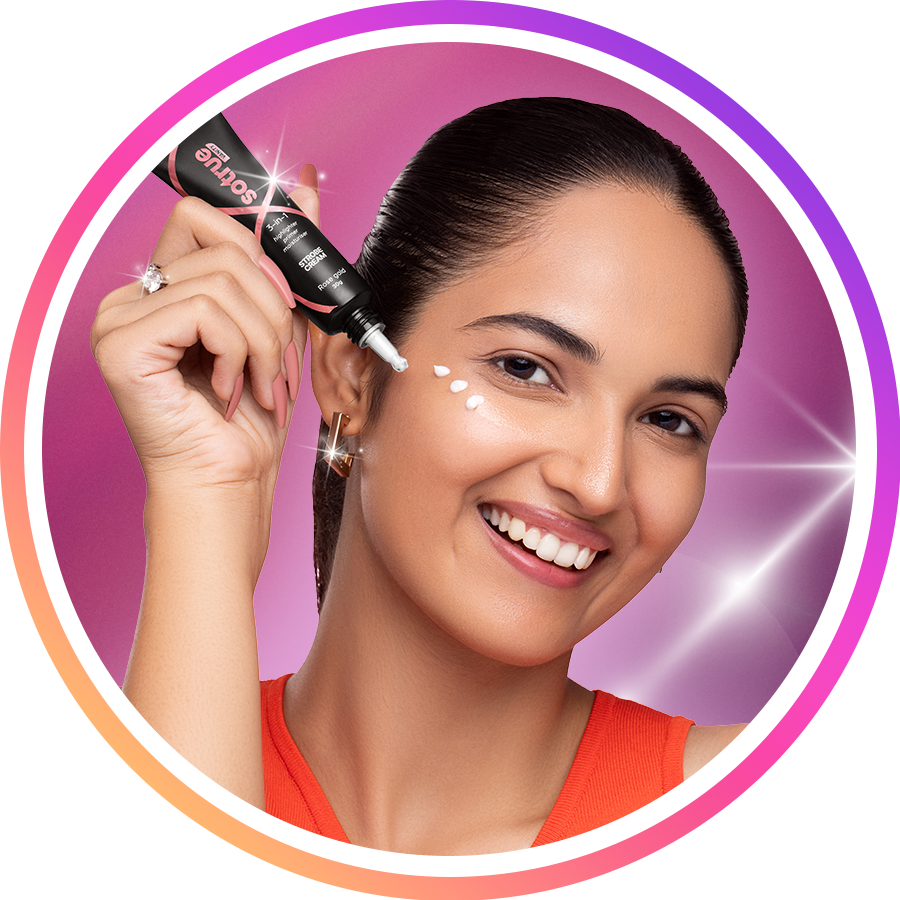
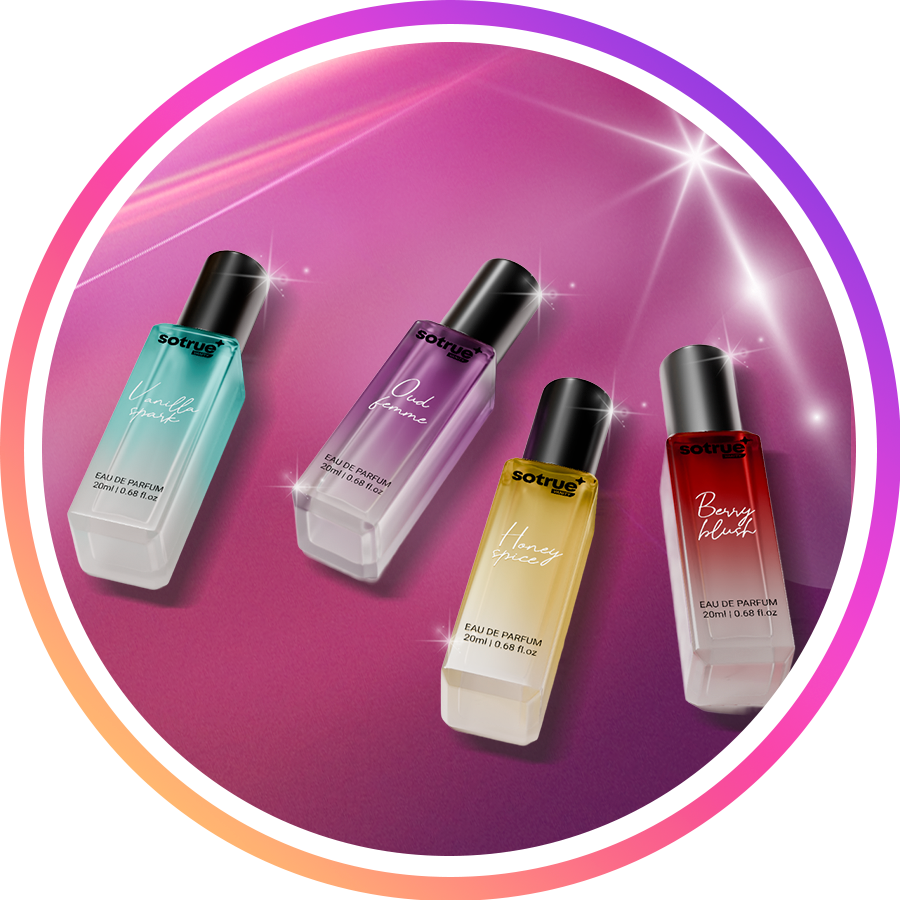
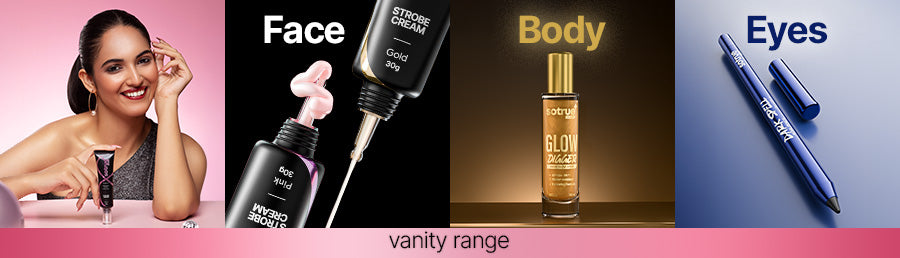
Struggling with beauty products that overlook Indian skin tones, humid climates, and everyday routines? Heavy formulas feel uncomfortable, fade by midday, irritate sensitive skin, and leave your complexion uneven or dull no matter how careful you are. Sotrue offers affordable, vegan, cruelty-free skincare, makeup and haircare thoughtfully crafted for Indian women. From reliable SPF and illuminating strobe creams to inclusive shades, every essential delivers natural radiance and genuine confidence that fits your real life. Shop Sotrue Now!
Why Primer Selection Matters When Using Skin Tints
Skin tints are designed to enhance the appearance of the complexion while maintaining a breathable, natural finish. Unlike heavier base products, they often rely on the skin's texture and preparation to create an even result. This makes primer selection an important step rather than simply an optional layer.
A primer creates the surface where a skin tint will sit, meaning the texture, hydration level, and finish of the primer can influence the overall makeup effect. A primer that supports the skin tint's characteristics can help maintain a fresh appearance, while an incompatible formula may affect blending or change the intended finish.
Recent complexion trends have highlighted the growing preference for lightweight products that enhance natural skin rather than completely covering it. Editorial insights on skin tint complexion trends show how breathable formulas have become an important part of modern makeup routines, making product compatibility a key consideration for consumers.
Match the Primer Finish with the Skin Tint's Desired Look
One of the most important factors when pairing primers with skin tints is understanding the finish you want to achieve. Since skin tints are often chosen for their natural appearance, the primer should complement rather than overpower the final look.
For a Fresh and Radiant Makeup Base
A hydrating or illuminating primer can work well with a skin tint designed to create a healthy glow. This combination can support a fresh complexion by helping the skin appear smoother and more comfortable without creating a heavy makeup layer.
However, adding too many glow-focused products together may create an overly shiny appearance. The goal is balance. A lightweight primer that supports hydration while allowing the skin tint to maintain its natural finish can create a more refined everyday look.
For a Smoother or More Controlled Finish
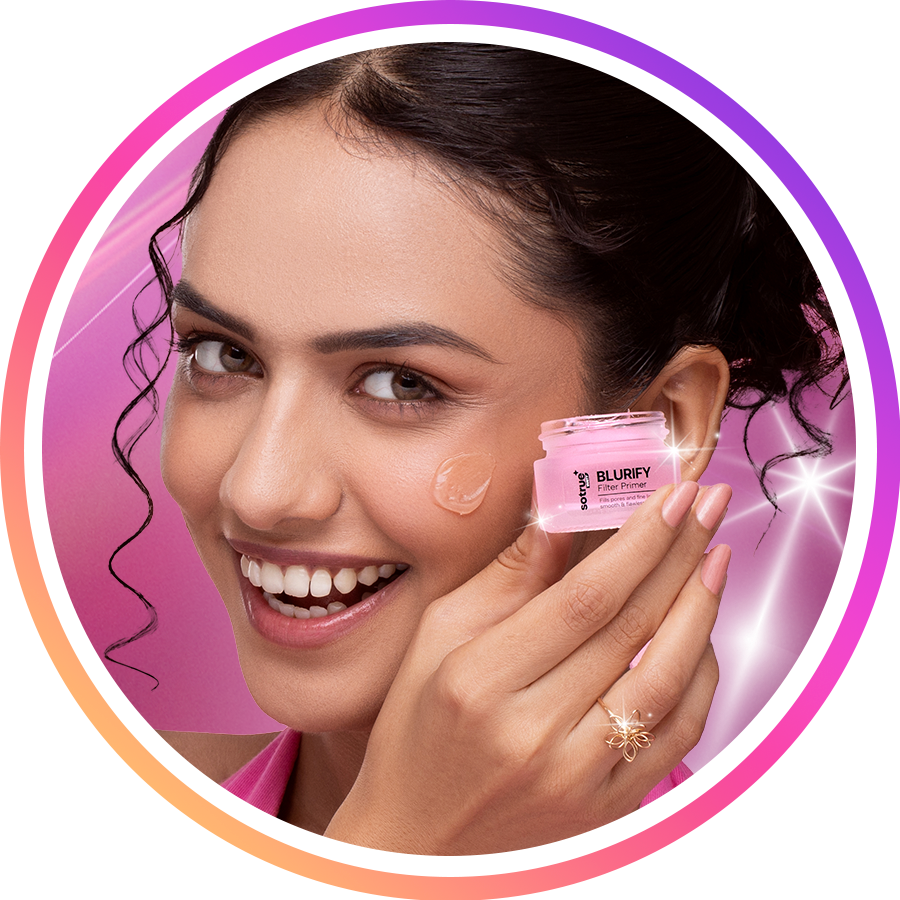
Those who prefer a more polished complexion may look for primers that help create a smoother surface. Smoothing or pore-blurring formulas can be useful when the focus is on improving texture before applying a lightweight tint.
The key is choosing a formula that works with the skin tint rather than creating a separate layer that changes how the product blends. The primer should prepare the complexion while allowing the skin tint to remain flexible and natural-looking.
Consider Skin Type Before Creating a Primer and Skin Tint Combination
Skin type plays an important role in deciding which products work well together. A primer that suits one person's routine may not create the same result for another person because different skin needs affect product performance.
For skin that feels dry or requires additional comfort, a moisturising primer may help create a smoother base for a skin tint. This can support better blending and prevent the complexion product from appearing uneven.
For skin that experiences excess shine, a lightweight mattifying primer may help create a more balanced base. The purpose is not to remove all natural skin texture but to create a surface where the skin tint can perform effectively.
When selecting a primer, factors such as absorption speed, texture, ingredient feel, and the desired finish should be considered. Understanding these details makes it easier to build a personalised routine rather than choosing products based only on popularity or appearance.
How to Layer Primer and Skin Tint for Better Results
Knowing how to layer primer and skin tint correctly can make a noticeable difference in the final application. Even compatible products may not perform well if too many layers are applied or if the products are not given enough time to settle.
- Prepare the skin: Begin with a clean and comfortable base so the primer can apply evenly.
- Apply a suitable primer: Use a thin layer focused on areas where additional smoothing, hydration, or balance is needed.
- Allow the primer to settle: Giving the product a moment to absorb can help prevent unnecessary mixing between layers.
- Apply the skin tint: Use a light application and build coverage gradually based on the desired finish.
A lighter application approach often works well with skin tints because these products are designed to maintain a natural complexion effect. Applying too much primer or tint may reduce the breathable quality that makes this makeup style appealing.
Pay Attention to Texture Compatibility and Ingredients
Texture compatibility is another important consideration when building a skin tint makeup routine. Products with different textures may not always blend seamlessly, especially when one formula feels heavier or creates a different finish from the other.
A primer with a lightweight texture is often easier to combine with a sheer complexion product because both layers can work together without creating excess buildup. Consumers should also consider how ingredients and formulas interact, particularly when combining skincare-inspired makeup products.
The relationship between skincare and makeup has become increasingly connected, with many consumers paying closer attention to how different layers affect comfort and appearance. This shift means product pairing is no longer only about choosing individual products; it is also about understanding how each step contributes to the final result.
Face primer selection has become a more thoughtful part of complexion routines, with consumers considering hydration, oil control, smoothing, and finish preferences before application. Guidance on face primer selection insights highlights the importance of choosing formulas based on individual skin needs and desired outcomes.
Common Mistakes to Avoid When Pairing Primers with Skin Tints
Even when choosing suitable products, certain application habits can affect the final appearance. Understanding common mistakes can help create a smoother and more comfortable makeup routine.
- Using incompatible finishes: Combining products with conflicting finishes may make the complexion appear uneven or change the intended look.
- Applying too much product: Heavy layers can reduce the lightweight effect that makes skin tints appealing.
- Ignoring skin preparation: Primer works best when applied to skin that has been properly prepared for makeup.
- Choosing products without considering skin needs: A primer should support individual concerns rather than simply follow trends.
A successful primer and skin tint combination is less about following a fixed formula and more about understanding how different products interact. Small adjustments based on texture, finish, and skin preferences can create a more personalised result.
Building a Personalised Skin Tint Makeup Routine
A well-designed makeup routine reflects personal preferences rather than a one-size-fits-all approach. Some users may prioritise a radiant finish, while others may prefer a smoother or more balanced appearance. The right primer can help a skin tint deliver the effect the user expects.
Experimenting with different combinations can help identify what works best for daily wear, special occasions, or changing seasonal needs. Factors such as climate, lifestyle, and skin condition can influence how products perform, making flexibility an important part of modern beauty routines.
For those exploring a more minimal makeup style, learning how to use primer with skin tint effectively can simplify the routine while still creating a polished complexion. The focus should remain on enhancing the skin's natural appearance and selecting products that work together comfortably.
Choosing the Right Primer with a Skin Tint
Pairing primers with skin tints requires attention to finish, texture, skin type, and application technique. The primer acts as the foundation for the skin tint, influencing how smoothly it blends and how the overall complexion appears.
By understanding individual skin needs and choosing complementary formulas, makeup users can create a balanced routine that feels comfortable and looks natural. A thoughtful approach to product pairing allows lightweight complexion products to deliver their intended effect while supporting a personalised beauty routine.
Frequently Asked Questions
How do you choose the right primer for a skin tint?
Choosing the right primer for a skin tint depends on your skin type, desired finish, and the texture of both products. A hydrating primer can support a fresh glow, while a smoothing or mattifying primer may work better for creating a balanced makeup base.
How should you layer primer and skin tint for a natural makeup look?
Apply a thin layer of primer first and allow it to settle before applying your skin tint. Using lightweight layers helps the products blend smoothly and maintains the natural, breathable finish that skin tints are known for.
Can any primer be used with a skin tint?
Not every primer works equally well with every skin tint because product texture and finish can affect the final result. For the best primer and skin tint combination, choose formulas that complement each other and match your skin needs, such as hydration, oil control, or smoothing.
Disclaimer: The above helpful resources content contains personal opinions and experiences. The information provided is for general knowledge and does not constitute professional advice.
You may also be interested in: What Makes Multi-tasking Beauty Products Worth Considering
Struggling with beauty products that overlook Indian skin tones, humid climates, and everyday routines? Heavy formulas feel uncomfortable, fade by midday, irritate sensitive skin, and leave your complexion uneven or dull no matter how careful you are. Sotrue offers affordable, vegan, cruelty-free skincare, makeup and haircare thoughtfully crafted for Indian women. From reliable SPF and illuminating strobe creams to inclusive shades, every essential delivers natural radiance and genuine confidence that fits your real life. Shop Sotrue Now!
Powered by flareAI.co