







Skincare routines have evolved from basic cleansing and moisturizing to more advanced at-home practices that promise visible improvements in skin texture and radiance. For many enthusiasts exploring ways to address concerns like acne scars and uneven tone, derma rollers have emerged as an intriguing option. These microneedling tools offer a way to support skin renewal when used thoughtfully within a consistent regimen. Understanding how derma rollers fit into daily and weekly skincare routines can help beginners approach them with confidence and realistic expectations.
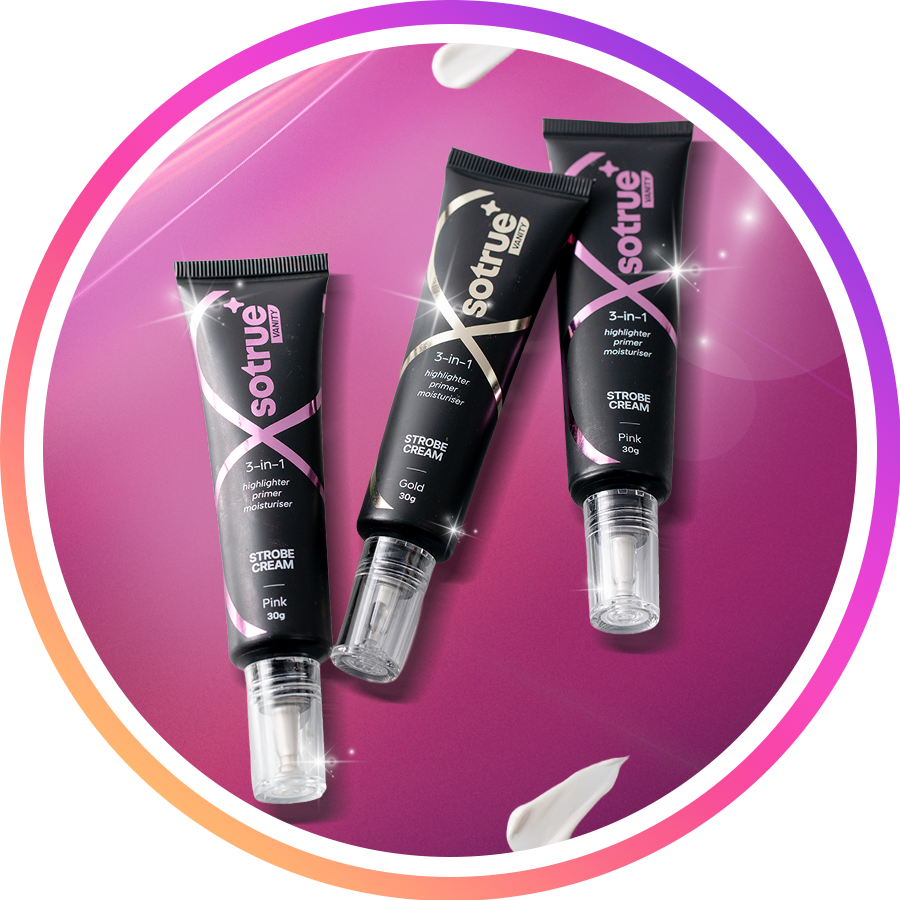
Struggling with beauty products that overlook Indian skin tones, humid climates, and everyday routines? Heavy formulas feel uncomfortable, fade by midday, irritate sensitive skin, and leave your complexion uneven or dull no matter how careful you are. Sotrue offers affordable, vegan, cruelty-free skincare, makeup and haircare thoughtfully crafted for Indian women. From reliable SPF and illuminating strobe creams to inclusive shades, every essential delivers natural radiance and genuine confidence that fits your real life. Shop Sotrue Now!
What Are Derma Rollers and How Do They Work?
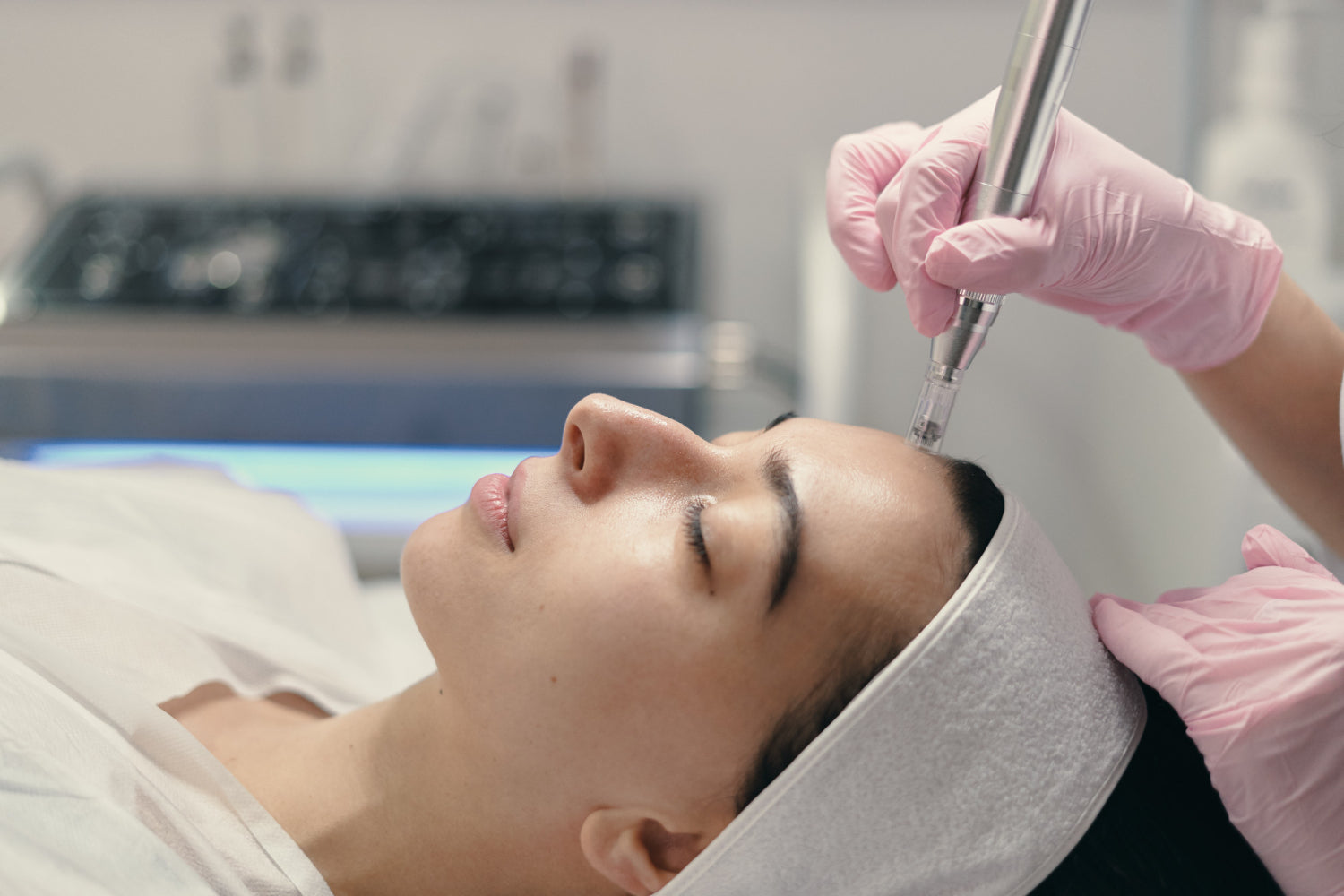
Derma rollers are handheld devices featuring a cylinder covered in tiny needles. When rolled gently across the skin, they create microscopic channels that stimulate the skin's natural healing response. This process, often referred to as collagen induction therapy, encourages the production of collagen and elastin key proteins that contribute to firmer, smoother-looking skin. For those new to the concept, it's helpful to view derma rollers as tools that complement rather than replace professional treatments.
The growing interest in at-home options reflects a broader movement toward treatment-enhanced skincare. Consumers are drawn to methods that may improve product absorption and support overall skin health from the comfort of home. However, it's important to recognize the distinction between professional microneedling procedures and consumer-grade devices. Home-use tools are typically designed for more superficial effects, making them suitable for supporting routines focused on maintenance and gradual improvement.
Key Benefits of Incorporating Derma Rolling
One of the main appeals of derma rollers lies in their potential microneedling and collagen stimulation insights. By triggering the body's repair mechanisms, these tools may help refine skin texture, reduce the appearance of scars, and promote a more even tone over time. Many users also appreciate how the micro-channels created during rolling can enhance the penetration of serums and treatments applied afterward, potentially making active ingredients more effective.
For individuals dealing with acne scars or rough texture, a derma roller skincare routine can become a valuable addition. When used consistently alongside proper recovery care, it supports the skin's natural rejuvenation processes. Results generally appear gradually, rewarding patience and adherence to safe practices rather than promising overnight transformations.
Choosing the Best Derma Roller for Beginners
Selecting the right tool is crucial for a positive experience. Beginners should opt for derma rollers with shorter needle lengths typically 0.25mm to 0.5mm to minimize discomfort and reduce risks. Stainless steel or titanium needles are common choices for their durability and hygiene potential when properly maintained. Look for devices from reputable sources that emphasize quality construction and clear usage instructions.
Consider your specific skin concerns when choosing. Those focusing on acne scars might benefit from slightly longer needles under professional guidance, while general texture improvement and radiance can often be addressed with gentler options. Always prioritize devices designed specifically for at-home microneedling to ensure safety and effectiveness within a skincare routine with derma roller.
How to Use a Derma Roller Safely in Your Routine
Integration starts with preparation. Cleanse your face thoroughly and disinfect the derma roller with alcohol before and after each use. Roll gently in multiple directions horizontal, vertical, and diagonal applying light pressure. Sessions are often recommended once or twice a week, allowing ample recovery time between uses to support the skin barrier.
After rolling, apply hydrating and repairing serums or moisturizers. The micro-channels can facilitate better absorption, so pairing with nourishing formulations maximizes benefits. Avoid harsh actives like retinoids or strong acids immediately after treatment, as the skin may be more sensitive. Sun protection becomes even more essential during the following days.
Proper technique and hygiene are non-negotiable. Sensitive skin conditions, active acne, or compromised barriers warrant extra caution or consultation with a dermatologist before starting. This measured approach helps ensure derma rolling enhances rather than disrupts your existing regimen.
Building a Complete Skincare Routine with Derma Roller
A thoughtful derma roller skincare routine might look like this: Start with gentle cleansing in the evening. On non-rolling days, follow with toners, serums targeting your concerns, and moisturizer. On rolling days, perform the treatment on clean skin, then layer recovery-focused products. Morning routines should emphasize hydration and broad-spectrum SPF to protect the treated skin.
Consistency matters more than intensity. Many see improvements in skin firmness and radiance after several weeks of regular but gentle use. Combining derma rolling with a solid foundation of cleansing, moisturizing, and sun protection creates a comprehensive approach to skin health.
Successful integration also involves listening to your skin. If irritation occurs, pause and allow full recovery. Over time, this practice can become a rewarding part of a holistic routine focused on long-term wellness rather than quick fixes.
Common Concerns and How to Address Them
Many beginners worry about pain or potential damage. With the right needle length and technique, discomfort is usually minimal often described as a tingling sensation. Starting slow and focusing on hygiene addresses most safety concerns.
Another frequent question involves results for acne scars. While individual outcomes vary, derma rollers can support scar improvement as part of a broader strategy that may include other treatments. Setting realistic expectations helps maintain motivation throughout the process.
Professional guidance remains valuable. Dermatologists can offer personalized advice on whether microneedling at home aligns with your skin type and goals, ensuring safe incorporation into your regimen.
Derma Rollers in Modern Skincare
As interest in science-informed beauty practices continues, derma rollers represent one accessible way to engage with advanced skincare concepts. They fit naturally into routines emphasizing prevention, maintenance, and gentle renewal. By focusing on education, proper use, and patience, enthusiasts can explore these tools responsibly while pursuing healthier, more resilient skin.
Ultimately, the most effective routines blend innovation with foundational care. Whether you're just starting to research how to use a derma roller or ready to add one to your collection, approaching the practice with knowledge and care can lead to satisfying results over time.
Frequently Asked Questions
What needle length should beginners use for a derma roller skincare routine?
Beginners should start with needle lengths between 0.25mm and 0.5mm to minimize discomfort and reduce the risk of irritation. These shorter needles are well-suited for general texture improvement and enhanced product absorption without requiring professional oversight. Stainless steel or titanium needles from reputable brands are the safest choices for at-home microneedling routines.
How often should you use a derma roller, and how do you integrate it into your skincare routine?
Derma rollers are typically recommended once or twice a week, allowing adequate recovery time between sessions to support the skin barrier. On rolling days, use the device on freshly cleansed skin, then follow up with hydrating and repair-focused serums to maximize absorption through the micro-channels created. On non-rolling days, continue your regular routine of toner, targeted serums, moisturizer, and broad-spectrum SPF in the morning.
Can a derma roller help with acne scars and uneven skin tone?
Yes, derma rollers can support gradual improvement in acne scars and uneven tone by stimulating the skin's natural collagen and elastin production through a process known as collagen induction therapy. Results vary by individual and typically appear after several weeks of consistent, gentle use rather than immediately. For more stubborn scarring, combining at-home derma rolling with professional guidance or complementary treatments tends to yield the best outcomes.
Disclaimer: The above helpful resources content contains personal opinions and experiences. The information provided is for general knowledge and does not constitute professional advice.
You may also be interested in: Best Practices for Choosing Glow Cream Shades for Indian Skin
Struggling with beauty products that overlook Indian skin tones, humid climates, and everyday routines? Heavy formulas feel uncomfortable, fade by midday, irritate sensitive skin, and leave your complexion uneven or dull no matter how careful you are. Sotrue offers affordable, vegan, cruelty-free skincare, makeup and haircare thoughtfully crafted for Indian women. From reliable SPF and illuminating strobe creams to inclusive shades, every essential delivers natural radiance and genuine confidence that fits your real life. Shop Sotrue Now!
Powered by flareAI.co