




Especially when seeking options that align with ethical values. For many in India, the desire for vegan and cruelty-free beauty products stems from a growing awareness of animal welfare, ingredient safety, and environmental impact. With countless brands vying for attention through appealing labels and marketing claims, knowing how to make informed choices is essential. This guide offers practical strategies to identify truly ethical products while shopping from the comfort of home.
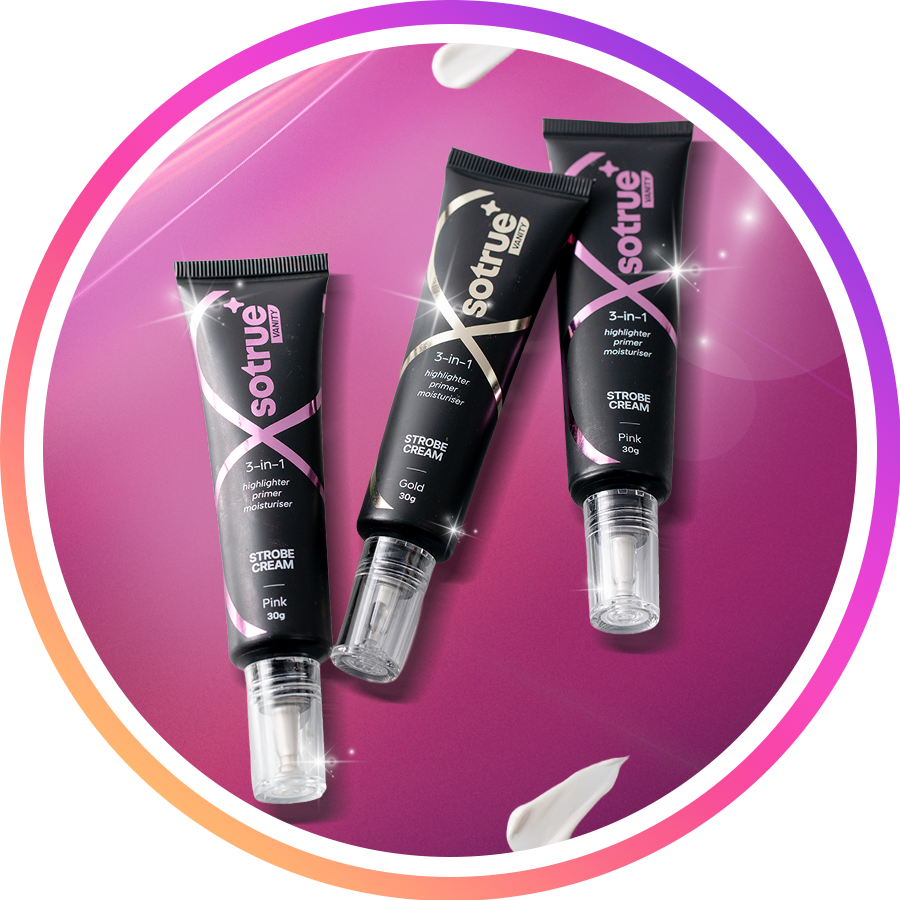
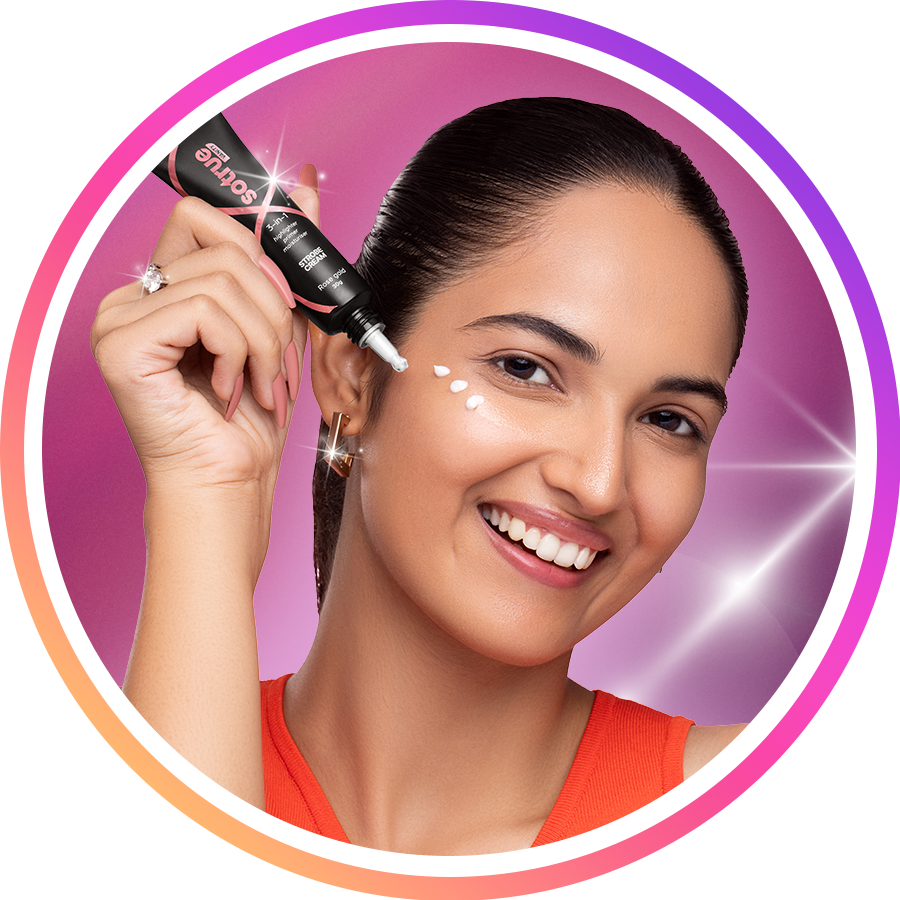
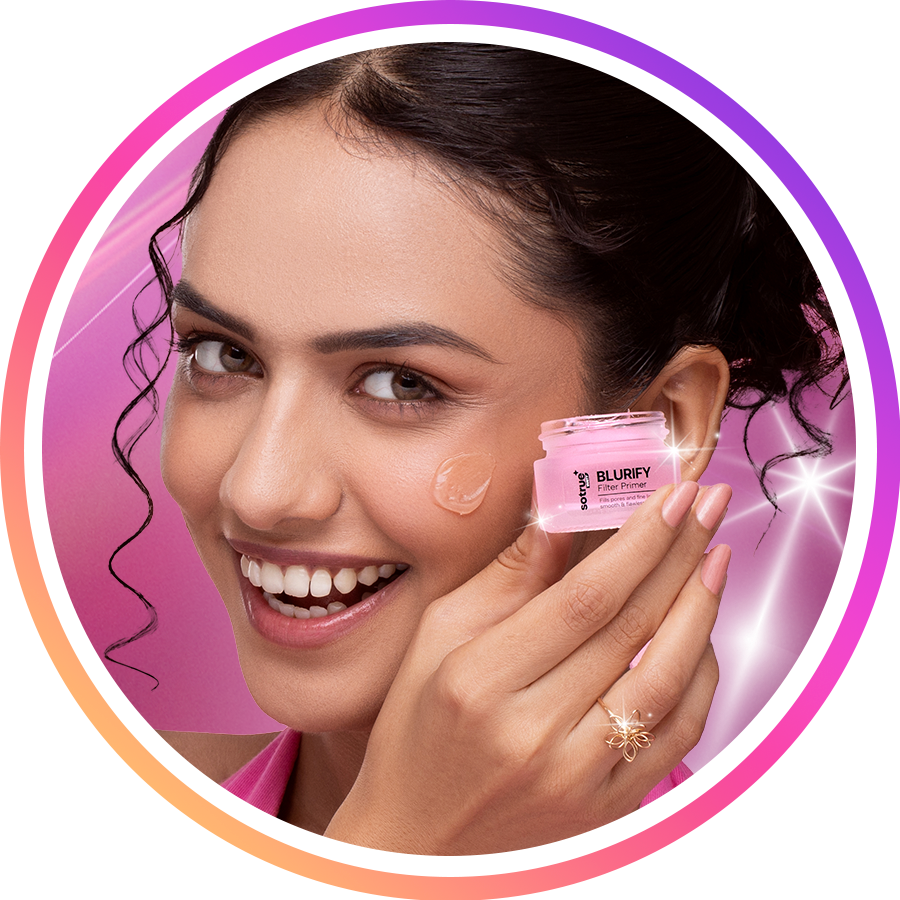
Struggling with beauty products that overlook Indian skin tones, humid climates, and everyday routines? Heavy formulas feel uncomfortable, fade by midday, irritate sensitive skin, and leave your complexion uneven or dull no matter how careful you are. Sotrue offers affordable, vegan, cruelty-free skincare, makeup and haircare thoughtfully crafted for Indian women. From reliable SPF and illuminating strobe creams to inclusive shades, every essential delivers natural radiance and genuine confidence that fits your real life. Shop Sotrue Now!
Understanding Vegan and Cruelty-Free: Clearing the Confusion
Vegan beauty products exclude all animal-derived ingredients, such as honey, lanolin, beeswax, or carmine. Cruelty-free, on the other hand, focuses on the absence of animal testing at any stage of product development. These terms are not interchangeable, and a product may meet one criterion without satisfying the other. Shoppers in India increasingly seek clarity here as they explore options that reflect personal values around compassion and sustainability.
Recognising this distinction helps avoid misleading purchases. A lipstick labelled vegan might still involve animal testing in its supply chain, while a cruelty-free moisturiser could contain beeswax. Careful evaluation of both aspects ensures alignment with ethical priorities. Brands that maintain strict policies across ingredients and testing build stronger consumer trust in the competitive online space.
Choosing vegan and cruelty-free beauty products online requires more than simply looking for marketing claims on packaging or product pages. Consumer demand for ethical beauty is growing rapidly, yet confusion remains widespread because cruelty-free and vegan are not interchangeable terms. A product can be vegan by avoiding animal-derived ingredients while still being associated with animal testing somewhere in its supply chain, and a cruelty-free product may avoid animal testing while still containing ingredients such as beeswax, lanolin, collagen, or carmine. The increasing popularity of ethical beauty has encouraged many brands to adopt sustainability and animal-friendly messaging, making it even more important for shoppers to evaluate certifications, ingredient disclosures, and brand policies carefully. Regulatory differences across countries, varying supply-chain practices, and inconsistent labeling standards can make it difficult for consumers to determine whether a product truly aligns with their values. When shopping online, consumers benefit from reviewing independent certifications, researching brand transparency, and verifying whether claims apply to both finished products and ingredients. Understanding cruelty-free labels helps reduce the risk of misleading purchases and supports brands that maintain consistent animal welfare standards throughout product development, sourcing, and distribution.
The Importance of Transparency in Beauty Purchases
Consumer interest in ethical beauty increasingly overlaps with concerns about product safety and ingredient transparency. As regulators strengthen standards for cosmetic testing and verification, shoppers pay closer attention to what goes into their products and how they are evaluated. This holds particularly true for online purchases, where reliance on descriptions, certifications, and disclosures is high.
Transparency empowers better decision-making. When brands openly share formulation details, sourcing practices, and quality assurance processes, it becomes easier to verify claims. For Indian consumers balancing traditional beauty rituals with modern ethical preferences, such openness fosters confidence, especially when comparing products across e-commerce platforms popular in the country.
Consumer interest in ethical beauty increasingly overlaps with broader concerns about product safety, ingredient transparency, and regulatory oversight. As regulators continue strengthening standards for cosmetic testing and ingredient verification, shoppers are becoming more attentive to what is inside the products they buy and how those products are evaluated before reaching store shelves. This trend is particularly important for online beauty purchases, where consumers depend heavily on product descriptions, certifications, ingredient lists, and brand disclosures. Greater regulatory attention toward testing standards reflects a wider movement toward accountability in the cosmetics industry, encouraging brands to provide clearer information and stronger evidence supporting their claims. For vegan and cruelty-free shoppers, transparency is a critical factor because ethical purchasing decisions often require evaluating multiple aspects of a product, including ingredients, sourcing, manufacturing practices, and testing policies. Brands that openly share detailed information about formulations and quality assurance processes are often better positioned to earn consumer trust. This growing emphasis on transparency benefits consumers by making it easier to compare products, identify credible ethical claims, and avoid misleading marketing. As beauty shoppers become more informed and selective, comprehensive product information is increasingly viewed as an essential part of responsible and trustworthy brand communication. For more insights, explore beauty product transparency standards.
Identifying Reliable Certifications and Labels
Independent certifications serve as valuable guides when evaluating vegan and cruelty-free claims. Look for recognised seals from organisations that audit supply chains and testing practices. These marks provide third-party assurance that goes beyond self-declared statements.
Understanding what each certification covers is crucial. Some focus solely on finished product testing, while others examine the entire supply chain, including raw materials. In the Indian context, cross-referencing with local standards and international benchmarks helps ensure compliance with relevant regulations. Always verify that the certification applies to the specific product variant being considered.
Mastering Ingredient Lists for Informed Choices
Ingredient transparency remains a cornerstone of responsible purchasing. Scrutinise lists for common animal-derived components, even in small quantities. Terms like "carmine," "collagen," or "lanolin" signal non-vegan origins, while vague descriptors warrant further investigation.
Many brands now provide detailed breakdowns or glossaries on their websites. Cross-checking these against reliable databases helps confirm vegan status. For cruelty-free verification, examine brand policies on testing particularly whether they sell in markets requiring animal tests by law. This layered approach addresses the complexities often encountered in global supply chains.
Evaluating Brand Policies and Practices
Beyond labels, review a brand's overall commitment to ethics. Reputable companies publish clear statements on animal testing and ingredient sourcing. They respond transparently to consumer queries and maintain consistent standards across product lines.
Choosing vegan and cruelty-free beauty products online requires more than scanning packaging claims. Regulatory differences, supply chain variations, and inconsistent labelling can complicate assessments. Shoppers benefit from examining certifications, researching brand histories, and confirming that policies cover both finished products and individual ingredients. This diligence supports brands maintaining genuine animal welfare standards throughout development and distribution.
Practical Tips for Safe Online Shopping
Start by using trusted Indian e-commerce platforms known for authentic seller verification. Read recent customer reviews focusing on product performance and any mentions of skin reactions or authenticity issues. Filter searches by specific ethical preferences when available.
Compare multiple sources for the same product to spot discrepancies in claims. Reach out to customer support with targeted questions about testing and ingredients the quality of responses often reveals a brand's transparency level. Consider starting with smaller purchases to test product efficacy before committing to full sizes.
Pay attention to return policies, especially for beauty items where personal suitability varies. Many ethical brands offer generous options to encourage confident exploration. Staying updated on emerging Indian regulations around cosmetics labelling further sharpens decision-making skills over time.
Building a Sustainable Ethical Beauty Routine
Integrating vegan and cruelty-free products into daily care routines enhances both personal wellbeing and broader impact. Focus on multi-functional items that reduce overall consumption while delivering results. Many consumers discover that thoughtful selection leads to simpler, more effective regimens.
Experiment with local favourites adapted to ethical standards perhaps herbal ingredients common in Ayurvedic traditions reformulated without animal testing. This fusion respects cultural heritage while embracing modern values. Sharing experiences within communities also helps others navigate similar journeys, amplifying collective awareness.
Ultimately, informed choices contribute to industry shifts toward greater accountability. Brands responding to discerning shoppers by improving disclosures and practices create positive momentum across the beauty and personal care sector.
Selecting vegan and cruelty-free beauty products online becomes more straightforward with systematic evaluation of claims, certifications, and brand practices. By prioritising transparency and verification, Indian consumers can confidently support ethical options that align with their values. As awareness grows, these mindful purchases not only benefit individuals but also encourage positive change throughout the industry. Explore options that resonate personally, and let each selection reflect a commitment to compassion and quality.
Frequently Asked Questions
What is the difference between vegan and cruelty-free beauty products?
Vegan beauty products are formulated without any animal-derived ingredients, such as honey, beeswax, lanolin, carmine, or collagen. Cruelty-free products, on the other hand, are those not tested on animals at any stage of development but they may still contain animal-derived ingredients. Since these terms are not interchangeable, shoppers should evaluate both the ingredient list and the brand's animal testing policy to ensure a product truly aligns with their ethical values.
How can I verify if a beauty brand is genuinely cruelty-free and vegan when shopping online?
Start by looking for independent third-party certifications from recognized organizations that audit both finished products and supply chains these go beyond self-declared marketing claims. Review the brand's published policy on animal testing, especially whether they sell in markets that legally require animal testing. Cross-check ingredient lists against reliable vegan databases, and don't hesitate to contact customer support directly with specific questions, as the quality of their responses often reflects the brand's overall transparency.
What should Indian consumers look for when buying ethical beauty products on e-commerce platforms?
Indian shoppers should prioritize trusted e-commerce platforms with authentic seller verification and filter searches by ethical preferences where available. It's worth comparing product claims across multiple sources and reading recent customer reviews for authenticity or skin reaction concerns. Staying informed about emerging Indian cosmetic labeling regulations and cross-referencing international certifications with local standards can further help consumers identify products that genuinely meet both vegan and cruelty-free criteria.
Disclaimer: The above helpful resources content contains personal opinions and experiences. The information provided is for general knowledge and does not constitute professional advice.
You may also be interested in: Glow-Focused Products Designed for Real Indian Conditions
Struggling with beauty products that overlook Indian skin tones, humid climates, and everyday routines? Heavy formulas feel uncomfortable, fade by midday, irritate sensitive skin, and leave your complexion uneven or dull no matter how careful you are. Sotrue offers affordable, vegan, cruelty-free skincare, makeup and haircare thoughtfully crafted for Indian women. From reliable SPF and illuminating strobe creams to inclusive shades, every essential delivers natural radiance and genuine confidence that fits your real life. Shop Sotrue Now!
Powered by flareAI.co