







Choosing the right beauty products can transform your skincare routine from a daily chore into a rewarding ritual that delivers visible results. With India's diverse climate from humid coastal regions to dry inland areas understanding your skin type is the foundation for selecting cleansers, moisturizers, serums, and makeup that work in harmony with your skin rather than against it. This knowledge helps prevent common frustrations like breakouts, dryness, or irritation, allowing you to build a personalized approach that enhances your natural glow.
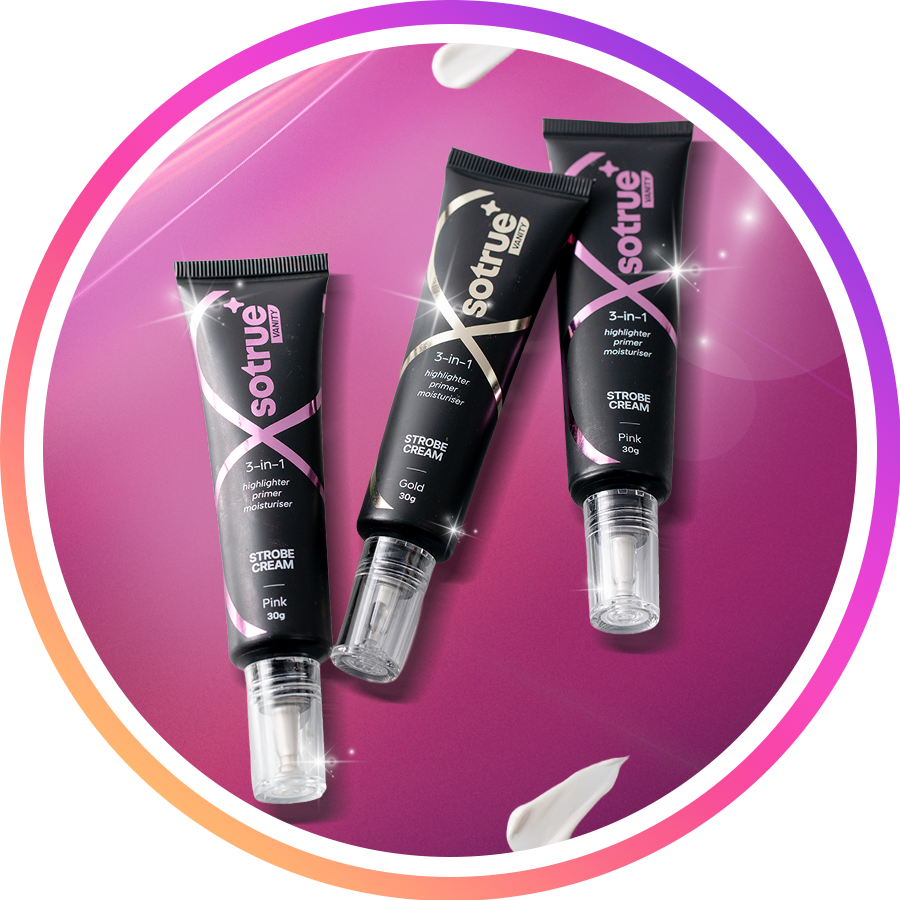
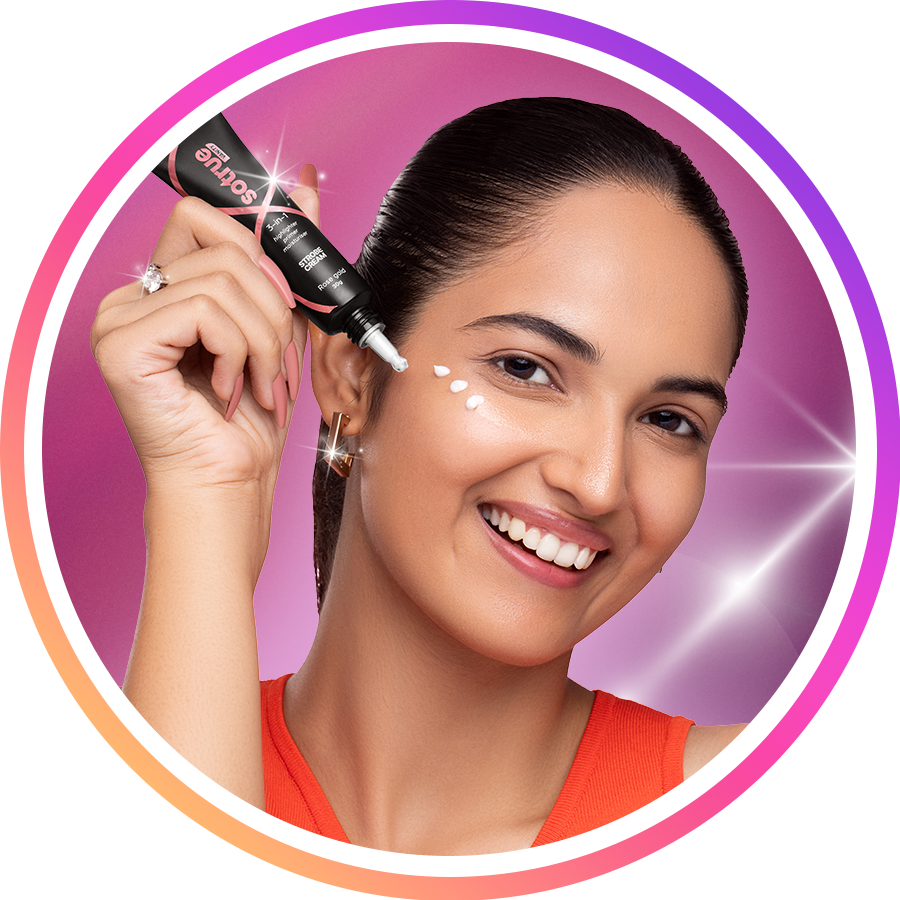
Struggling with beauty products that overlook Indian skin tones, humid climates, and everyday routines? Heavy formulas feel uncomfortable, fade by midday, irritate sensitive skin, and leave your complexion uneven or dull no matter how careful you are. Sotrue offers affordable, vegan, cruelty-free skincare, makeup and haircare thoughtfully crafted for Indian women. From reliable SPF and illuminating strobe creams to inclusive shades, every essential delivers natural radiance and genuine confidence that fits your real life. Shop Sotrue Now!
Understanding the Importance of Skin Type in Beauty Choices
Your skin type influences how products interact with your complexion, from absorption rates to potential reactions. Factors like genetics, hormones, weather, pollution, and lifestyle play key roles in determining whether your skin leans oily, dry, combination, sensitive, or normal. By aligning your beauty regimen with these characteristics, you create balance, strengthen the skin barrier, and achieve better long-term health. Brands like SoTrue focus on formulations that respect individual needs, emphasizing gentle yet effective ingredients suited to real-life Indian routines.
How to Identify Your Skin Type Accurately
A simple at-home method offers reliable insights without expensive tools. Start by cleansing your face with a gentle, fragrance-free cleanser, pat it dry, and wait about thirty minutes without applying any products. Observe how your skin feels and looks across different zones.
Shiny skin across the entire face often signals oily tendencies, while tightness or flakiness points to dryness. An oily T-zone paired with drier cheeks suggests combination skin. Balanced comfort throughout indicates normal skin, and redness or discomfort may highlight sensitivity. Monitoring these observations over a week or two accounts for variations from humidity, stress, or seasonal changes common in India. Dermatologists note that skin type can evolve with age or environment, making periodic checks essential for maintaining an effective routine.
Tailoring Skincare for Oily Skin
Oily skin produces more sebum, which can lead to shine, enlarged pores, and occasional breakouts, especially in humid conditions. The goal is to control excess oil without stripping the skin, which can trigger rebound production.
Opt for foaming or gel-based cleansers that remove impurities effectively. Ingredients like niacinamide and salicylic acid help regulate sebum and unclog pores. Choose lightweight, oil-free moisturizers and mattifying sunscreens to avoid congestion. Serums with antioxidants provide hydration without heaviness, supporting a balanced complexion that feels fresh throughout the day.
Determining skin type accurately empowers better product choices by matching cleansers, moisturizers, and actives to natural oil, moisture, and sensitivity levels, preventing common issues like tightness, breakouts, or irritation that arise from mismatched formulas. The bare-face test offers a straightforward, at-home method: cleanse with a gentle, fragrance-free cleanser, pat dry, and wait thirty minutes without applying anything else, then observe shine, tightness, or comfort across zones. Shiny skin across the face typically indicates oily needs, while tightness and flakiness point to dryness; an oily T-zone with dry cheeks suggests combination skin, balanced features denote normal skin, and redness or discomfort signals sensitivity. This assessment, combined with monitoring over a week or two, accounts for daily variations from weather, hormones, or lifestyle. Practical skin type identification methods confirm that non-comedogenic gels work particularly well for oily skin, preventing pore clogging while delivering targeted care.
Skin type directly influences ingredient selection, as oily skin responds well to salicylic acid or niacinamide for oil control and non-comedogenic gels to avoid pore clogging, whereas dry skin benefits from ceramides, lactic acid, and richer creams that replenish lipids and prevent dehydration. Sensitive skin favors lightweight, soothing textures with ingredients like hyaluronic acid and oatmeal to minimize stinging. Consistency in routine gentle cleansing twice daily, targeted moisturizing, and broad-spectrum sunscreen remains essential regardless of type, but the vehicle (gel for oily, cream for dry) greatly affects comfort and efficacy.
Caring for Dry Skin with Nourishing Formulas
Dry skin often feels tight, rough, or flaky, especially during drier seasons or after exposure to air-conditioned environments. The priority lies in replenishing moisture and reinforcing the skin barrier to restore comfort and smoothness.
Cream-based cleansers preserve natural oils during washing. Hydrating serums featuring hyaluronic acid and glycerin draw in moisture, while richer creams with ceramides lock it in. Avoid harsh exfoliants that could worsen dehydration. Broad-spectrum sunscreens in creamy textures maintain hydration rather than disrupting the barrier. Consistent use of these textures leads to improved texture and reduced sensitivity over time, turning daily care into a soothing experience.
Balancing Combination Skin Effectively
Combination skin features an oily T-zone with drier cheeks, requiring a nuanced approach that addresses both areas without compromising either. Zone-specific application proves most successful.
Use lighter gels or lotions on the T-zone to control shine, while applying richer creams on drier areas. Gentle exfoliation helps manage pores in oily sections, paired with hydrating ingredients across the face. This balanced strategy prevents over-drying sensitive spots or exacerbating oiliness elsewhere. Many find success with multi-tasking products that adapt to these variations, simplifying routines without sacrificing results.
Selecting Products for Sensitive Skin
Sensitive skin reacts easily to ingredients, fragrances, or environmental factors, often showing redness, stinging, or irritation. Prioritizing soothing, minimalist formulations minimizes risks.
Look for hypoallergenic, fragrance-free options with calming ingredients like panthenol or oatmeal. Lightweight textures reduce potential irritation while supporting repair. Patch testing new products remains a practical step before full-face application.
Guidance for Normal Skin Maintenance
Normal skin enjoys natural balance with minimal issues, making maintenance straightforward yet important for preserving this equilibrium.
Gentle cleansers, balanced antioxidants, and appropriate moisturizers keep skin healthy. Light exfoliation and consistent sun protection support long-term vitality. This skin type responds well to preventive care that adapts to seasonal shifts.
Extending Skin Type Wisdom to Makeup and Other Beauty Products
Skin type knowledge extends beyond skincare into makeup selection. Oily skin benefits from powder or liquid foundations with matte finishes and long-wear formulas. Dry skin prefers creamy, hydrating bases that enhance glow without settling into lines.
Combination skin may use hybrid primers for different zones. Sensitive skin requires non-irritating, mineral-based options. Always check labels for comedogenic ingredients and opt for products labeled suitable for your identified type.
Indian beauty consumers often layer products with traditional elements like turmeric or sandalwood-inspired formulas, making compatibility even more crucial for harmonious results.
Building a Sustainable Routine with Confidence
Once you understand your skin type, consistency becomes your greatest ally. Twice-daily gentle cleansing, targeted treatments, moisturizing, and sun protection form the core. Adjust based on seasonal changes lighter textures in monsoon humidity, richer ones in winter dryness.
Frequently Asked Questions
What should you consider before choosing a daily primer for your skin type?
Before choosing a daily primer, consider your skin type, texture concerns, and the finish you want for your makeup look. A primer should complement your skincare routine and address needs such as hydration, oil control, smoothing, or creating a long-lasting base.
How does a daily primer improve makeup application and wear?
A daily primer helps create a smoother surface for makeup by minimizing the appearance of pores, fine lines, and uneven texture. The right formula can help foundation apply more evenly and improve makeup longevity throughout the day.
Which ingredients should you look for in a daily primer?
When selecting a daily primer, look for ingredients that match your skin goals, such as hydrating ingredients for dry skin or oil-balancing ingredients for oily skin. Choosing a primer with suitable ingredients can help support a comfortable feel and a more polished makeup finish.
Disclaimer: The above helpful resources content contains personal opinions and experiences. The information provided is for general knowledge and does not constitute professional advice.
You may also be interested in: Multi-functional Glow Products for College and Daily Wear in India
Struggling with beauty products that overlook Indian skin tones, humid climates, and everyday routines? Heavy formulas feel uncomfortable, fade by midday, irritate sensitive skin, and leave your complexion uneven or dull no matter how careful you are. Sotrue offers affordable, vegan, cruelty-free skincare, makeup and haircare thoughtfully crafted for Indian women. From reliable SPF and illuminating strobe creams to inclusive shades, every essential delivers natural radiance and genuine confidence that fits your real life. Shop Sotrue Now!
Powered by flareAI.co