






In the bustling beauty aisles of India, where shelves overflow with creams, serums, and lotions promising everything from fairness to flawless skin, comparing products solely by packaging or price often leads to disappointment. Savvy consumers are shifting focus to ingredient quality the true indicator of a product's safety, efficacy, and suitability for diverse Indian skin types and climates. Understanding how to evaluate formulations empowers you to choose wisely, avoiding irritants while embracing ingredients that deliver real results.
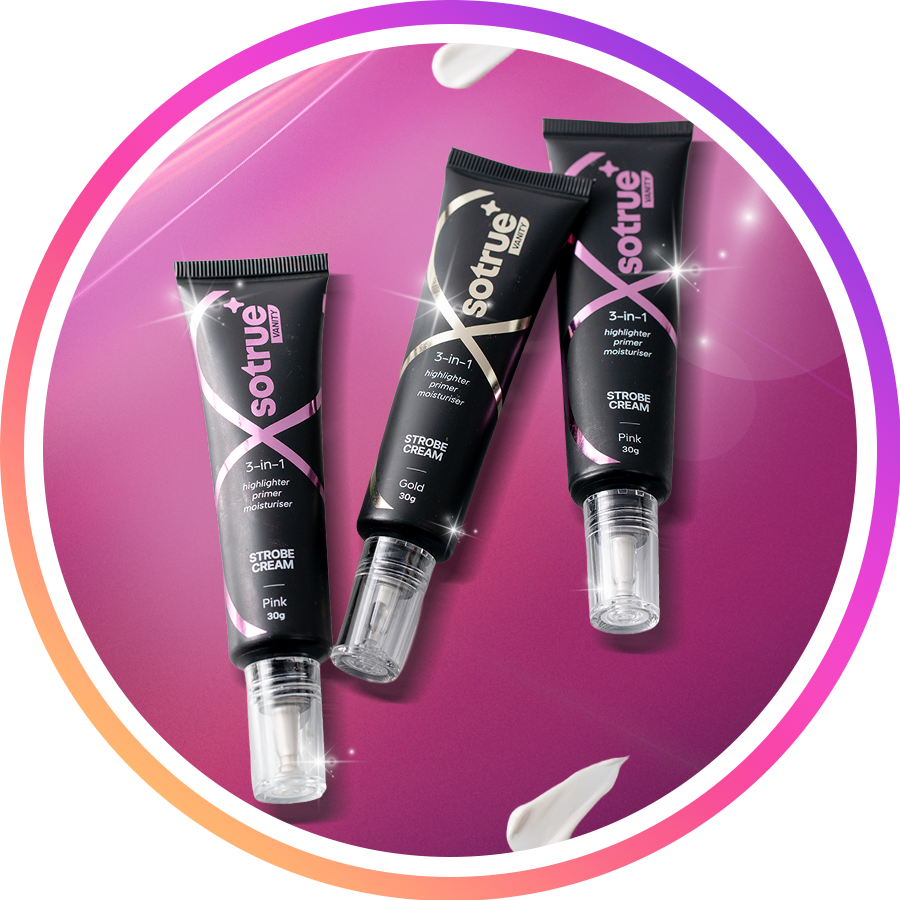
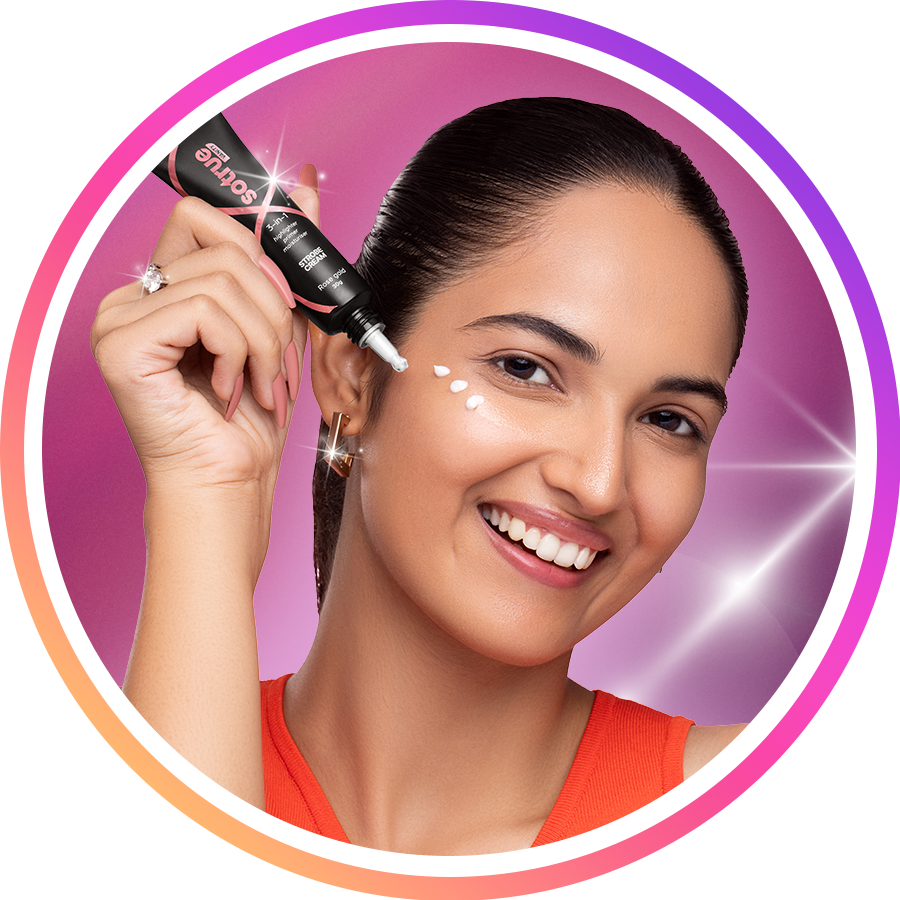
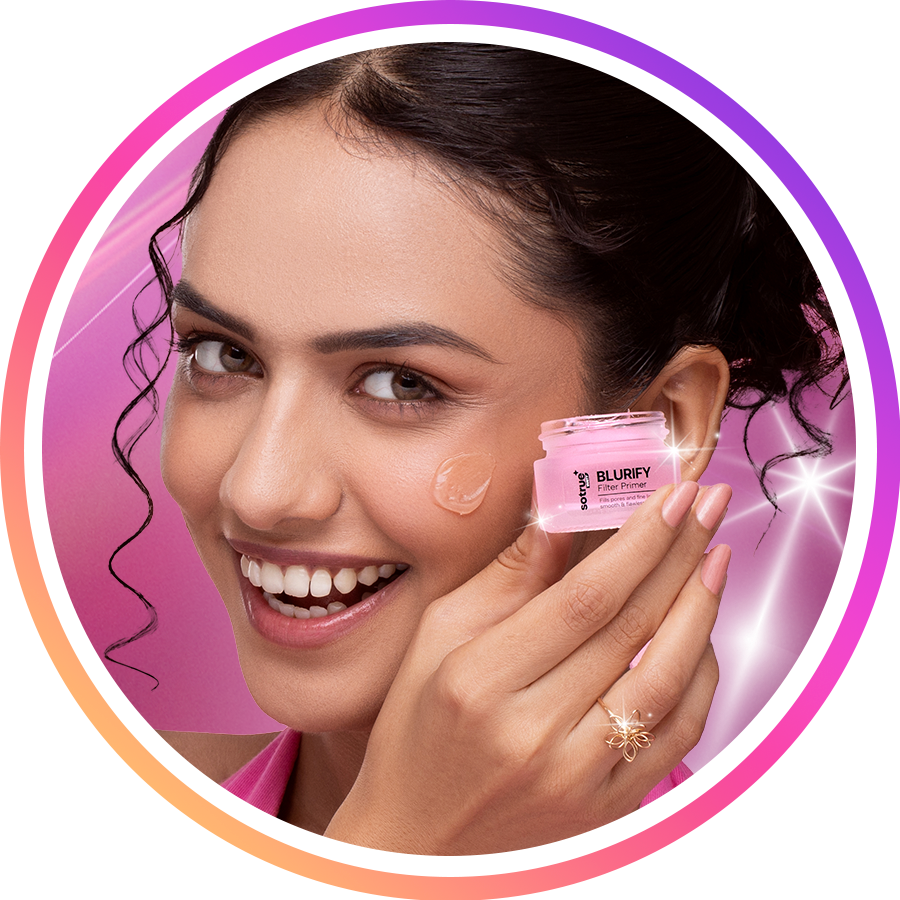
Struggling with beauty products that overlook Indian skin tones, humid climates, and everyday routines? Heavy formulas feel uncomfortable, fade by midday, irritate sensitive skin, and leave your complexion uneven or dull no matter how careful you are. Sotrue offers affordable, vegan, cruelty-free skincare, makeup and haircare thoughtfully crafted for Indian women. From reliable SPF and illuminating strobe creams to inclusive shades, every essential delivers natural radiance and genuine confidence that fits your real life. Shop Sotrue Now!
Why Ingredient Quality Matters More Than Ever
With rising awareness about skin health, Indian consumers are prioritising transparency in beauty products. Harsh weather, pollution in cities like Delhi and Mumbai, and varying skin concerns from oily to dry demand formulations that respect these realities rather than masking them with marketing hype. High-quality ingredients support long-term skin wellness, reduce sensitivity risks, and align with growing preferences for cleaner, more ethical options.
Brands that invest in better ingredients build trust by delivering consistent performance. This shift reflects broader consumer behaviour where individuals seek products that fit their lifestyle whether it's lightweight gels for humid monsoons or nourishing oils for winter dryness without compromising on safety.
Mastering the Art of Reading Ingredient Lists
The ingredient list on any beauty product is your roadmap to its quality. In India, where regulations require listing ingredients in descending order of concentration, start by scanning the first few entries. These dominate the formula and should ideally include beneficial actives rather than fillers or cheap bases.
Look for water (aqua) near the top in creams and lotions, but pay closer attention to what follows. High-quality products feature recognisable plant extracts, vitamins, and gentle surfactants early on. Conversely, if synthetic fragrances or harsh alcohols lead the list after basic carriers, reconsider the choice for daily use on sensitive Indian skin prone to pollution-induced irritation.
Key Sections to Analyse
- Active Ingredients: Seek out niacinamide, hyaluronic acid, or centella asiatica for soothing and hydrating benefits common in effective Indian skincare routines.
- Preservatives and Stabilisers: Opt for milder options over potentially irritating ones.
- Fragrance Components: These often hide undisclosed mixtures; greater transparency here signals commitment to quality.
Essential Certifications That Verify Ingredient Standards
Third-party certifications cut through the noise, offering independent verification of ingredient quality and safety. These seals help consumers in India confidently select products that meet rigorous criteria beyond basic regulatory requirements.
As the natural beauty segment outpaces overall market growth with consumers seeking proven cleaner and more sustainable options third-party certifications have become essential tools for verifying ingredient quality and reducing uncertainty in product choice. These seals cover everything from organic content standards to strict bans on synthetic preservatives and microplastics while guaranteeing environmental responsibility and social practices that build genuine consumer confidence.
Made Safe employs an ecosystem approach screening over 6,500 hazardous substances for carcinogens endocrine disruptors and toxins while mandating manufacturing transparency across soil air and water impacts. Rainforest Alliance and Fair Trade Certified ensure sustainable sourcing for tropical-derived items like oils and butters through fair wages climate-smart farming and biodiversity protection. Vegan Certified and Leaping Bunny programs eliminate animal testing and derivatives for ethical consumers while PETA Animal Test-free adds global verification.
B Corporation certification verifies overall company impact scoring high on stakeholder accountability and public performance reporting. Together these certifications help consumers compare products beyond surface claims by confirming rigorous ingredient standards safety testing and ethical practices that align with quality-driven routines. In a market where natural growth drives innovation retailers and brands benefit from transparent labeling that separates credible options from vague buzzwords ultimately supporting informed choices that prioritize both efficacy and long-term wellness.
Similarly, EWG Verified and Made Safe programmes screen extensively for toxins, providing transparency that matters for daily-use items in India's humid conditions where skin absorbs ingredients more readily.
Identifying Beneficial Vs. Problematic Ingredients
Comparing beauty products effectively involves recognising patterns in formulations. Beneficial ingredients typically include antioxidants like vitamin C or E derivatives, which combat free radicals from urban pollution a common concern across Indian metros.
On the flip side, watch for ingredients that may cause issues for many users. Heavy mineral oils or certain silicones can feel occlusive in tropical climates, potentially leading to breakouts. Fragrance blends warrant particular attention, as they can contain undisclosed components linked to sensitivities.
Major industry shifts toward greater chemical disclosure highlight how transparency directly addresses hidden risks in beauty formulations where fragrances have long hidden complex mixtures containing potential toxins. Unilever's recent pledge to reveal detailed fragrance ingredient information across all its personal care products including Dove Axe and Degree marks a significant step forward breaking long-standing black-box practices and enabling consumers to evaluate safety more accurately. The Environmental Working Group has long advocated for such measures noting that fragrance chemicals end up on skin and in bodies of nearly every user including infants raising concerns about cumulative exposure to endocrine disruptors like phthalates linked to hormone imbalances birth defects and other health issues. By mandating fuller disclosure brands can support informed comparisons that favor lower-risk options and drive the entire sector toward higher standards of ingredient verification. This development aligns with broader calls for supply chain accountability where companies map origins test for contaminants and report verifiable data to close knowledge gaps in safety profiles.
Practical Steps for Side-by-side Product Comparison
Put these principles into action with a systematic approach tailored to Indian shopping contexts:
- Gather Candidates: Select 3-4 products targeting the same concern, such as hydration or brightening, from pharmacies, online platforms, or stores like Nykaa and Reliance Retail.
- Compare Core Ingredients: Note the concentration order and presence of key actives versus fillers.
- Check for Certifications: Look for seals that align with your values natural, vegan, or cruelty-free.
- Consider Your Skin Profile: Factor in climate, lifestyle, and any sensitivities. A lightweight serum with hyaluronic acid might suit humid coastal cities better than rich creams.
- Review Transparency: Brands providing full disclosure on sourcing and testing deserve preference.
This method shifts decisions from impulse buys to informed choices, helping you build an effective routine without trial-and-error waste.
Common Pitfalls to Avoid in Ingredient Evaluation
Many shoppers get swayed by "natural" claims without verification. Vague terms like "organic" require certification to hold meaning, as standards vary. Another trap is ignoring the full list a product with one standout botanical might still contain questionable bases.
In India's diverse market, regional preferences matter. Southern consumers dealing with higher humidity might favour gel-based formulas with lighter oils, while northern winters call for richer emollients. Always cross-reference ingredients against your specific needs rather than following trends blindly.
Leveraging Tools and Resources for Better Decisions
Modern apps and websites allow scanning barcodes for ingredient breakdowns, making comparisons easier even in busy Indian markets. Combine these with knowledge of certifications to streamline selection.
Brands responding to consumer demand by improving formulations set a positive example. As more prioritise clean ingredients and ethical practices, the overall quality of available options rises, benefiting everyone seeking reliable beauty solutions.
Building a Sustainable Skincare Approach
Ultimately, comparing by ingredient quality fosters routines that deliver visible improvements over time. Start small by auditing your current products, then gradually introduce better alternatives. Consistency paired with smart choices yields the best outcomes for skin resilience against India's unique environmental challenges.
Frequently Asked Questions
How can I compare beauty products by ingredient quality?
To compare beauty products by ingredient quality, look at the ingredient list, product formulation, and the purpose of each active ingredient. Focus on beneficial ingredients, ingredient transparency, and how well the formula supports your specific skincare or beauty goals.
What ingredients should I look for when choosing high-quality beauty products?
High-quality beauty products often contain effective ingredients such as antioxidants, hydrating agents, botanical extracts, and skin-supporting compounds. Understanding ingredient benefits and avoiding unnecessary fillers can help you make more informed purchasing decisions.
Why is ingredient quality important when selecting skincare and makeup products?
Ingredient quality plays an important role in how beauty products perform and how they interact with your skin. Choosing formulas with well-researched ingredients can help improve product effectiveness while supporting healthier-looking skin over time.
Disclaimer: The above helpful resources content contains personal opinions and experiences. The information provided is for general knowledge and does not constitute professional advice.
You may also be interested in: Skin Compatibility Remains Central in Product Evaluations in India
Struggling with beauty products that overlook Indian skin tones, humid climates, and everyday routines? Heavy formulas feel uncomfortable, fade by midday, irritate sensitive skin, and leave your complexion uneven or dull no matter how careful you are. Sotrue offers affordable, vegan, cruelty-free skincare, makeup and haircare thoughtfully crafted for Indian women. From reliable SPF and illuminating strobe creams to inclusive shades, every essential delivers natural radiance and genuine confidence that fits your real life. Shop Sotrue Now!
Powered by flareAI.co