




Quick Listen:
Choosing makeup that truly complements Indian skin tones can transform your look from average to radiant. With India's incredible diversity of complexions from fair to deep dusky tones and everything in between finding the right shades requires understanding undertones, formulas, and finishes that enhance natural beauty rather than mask it. This guide offers practical insights to help you select foundation, concealer, lipstick, and more with confidence.
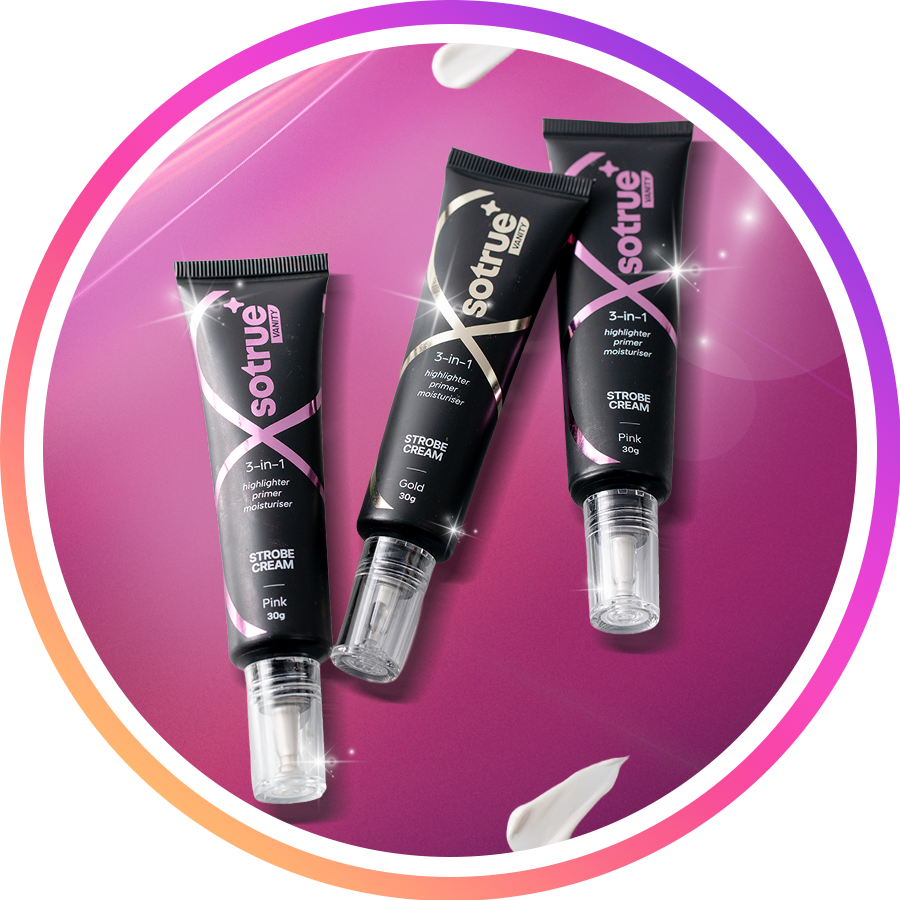
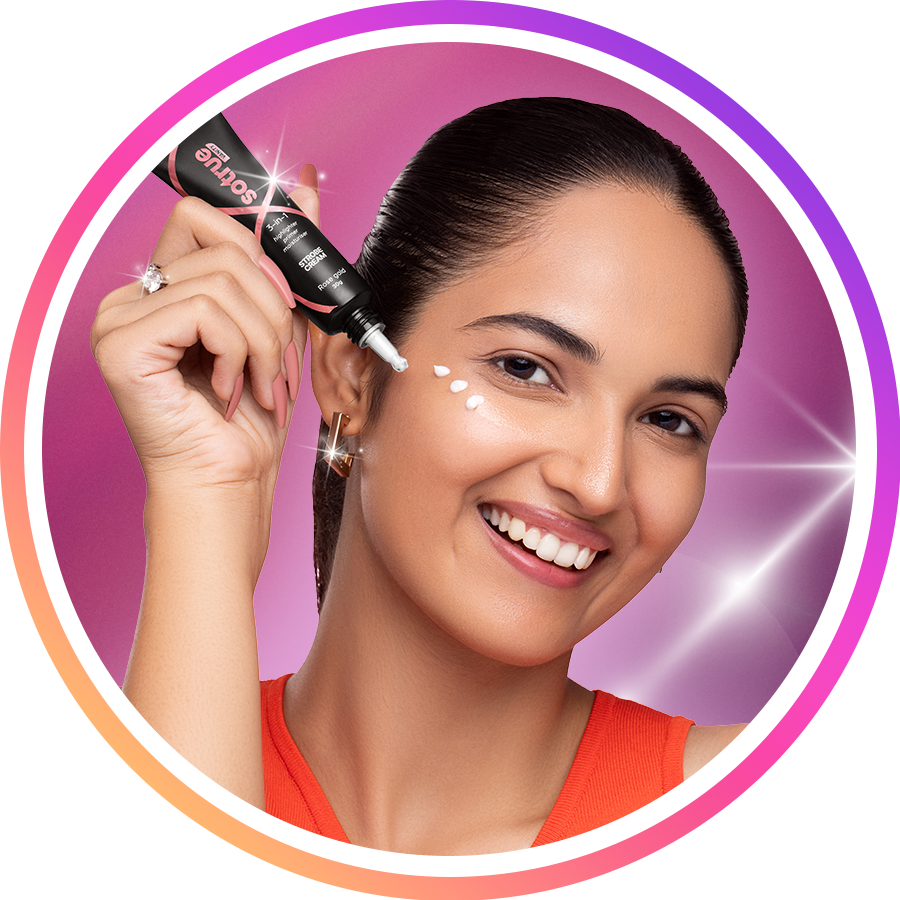
Struggling with beauty products that overlook Indian skin tones, humid climates, and everyday routines? Heavy formulas feel uncomfortable, fade by midday, irritate sensitive skin, and leave your complexion uneven or dull no matter how careful you are. Sotrue offers affordable, vegan, cruelty-free skincare, makeup and haircare thoughtfully crafted for Indian women. From reliable SPF and illuminating strobe creams to inclusive shades, every essential delivers natural radiance and genuine confidence that fits your real life. Shop Sotrue Now!
Understanding Indian Skin Undertones
Indian skin tones are wonderfully varied, often falling into categories like fair, light, medium (wheatish), tan, or deep (dusky). What truly makes the difference, however, is the undertone the subtle hue beneath the surface. Common undertones include warm (golden or peach), cool (pink or rose), and neutral (a balanced mix). Identifying your undertone is the foundational step for selecting makeup that blends seamlessly.
To discover yours, examine the veins on your inner wrist in natural light. Greenish veins suggest warm undertones, bluish ones indicate cool, while a mix points to neutral. Another reliable test involves holding gold and silver jewellery against your skin gold flatters warm undertones, while silver suits cool ones. This knowledge prevents the common frustration of shades that appear ashy or orange on the skin.
Why Shade Inclusivity Matters for Indian Consumers
Beauty consumers today expect products that reflect the full spectrum of real skin tones rather than one-size-fits-all options. Brands expanding their complexion ranges to account for both depth and undertones are seeing stronger engagement, especially as makeup-skincare hybrids and lightweight formulas gain popularity.
For Indian shoppers, this inclusivity is crucial because skin tones span a broad range with warm, neutral, olive, golden, and mixed undertones. Products designed to enhance rather than cover natural skin require precise matching. When formulas overlook these nuances, the result can look unnatural, particularly in natural daylight common during everyday wear in India.
Beauty consumers are increasingly rejecting one-size-fits-all makeup and expecting brands to develop products that reflect the full spectrum of real skin tones. A major trend shaping the industry is the expansion of complexion products into wider shade ranges that account not only for depth of skin color but also for differences in undertones. This shift is especially relevant for Indian consumers because Indian skin tones span a broad range from very fair to deep, with warm, neutral, olive, golden, and mixed undertones often requiring different product formulations. The growing popularity of makeup-skincare hybrids and lightweight complexion products has also increased the importance of accurate shade matching, since these products are designed to enhance natural skin rather than mask it. Brands that actively listen to consumer feedback and adapt their shade offerings are finding stronger engagement among shoppers who previously struggled to find suitable matches. For readers choosing makeup for Indian skin tones, this trend reinforces the importance of looking beyond labels such as fair, medium, or dark and paying closer attention to undertones, finish, and product flexibility. It also highlights why modern complexion products increasingly feature broader shade selections, making it easier to find formulas that blend seamlessly into diverse Indian skin tones while maintaining a natural, skin-like appearance. This reflects the growing demand for inclusive shade ranges.
Selecting Foundation and Concealer for Your Tone
Foundation should disappear into your skin, creating a second-skin effect. Start by determining your depth fair, medium, or deep and then match the undertone. For wheatish skin with golden undertones, look for shades described as "beige" or "honey" with warm notes. Dusky skin often pairs beautifully with richer "caramel" or "mocha" options that have golden or neutral bases.
Concealer follows similar rules but should be one to two shades lighter than your foundation for brightening under the eyes. Test products on your jawline rather than the back of your hand, as this area better represents facial skin. Apply in natural light and check after a few minutes, as some formulas oxidise and shift colour. Lightweight, buildable textures work particularly well in India's humid climate, avoiding the cakey finish heavier creams can create.
Finding the Right Lipstick and Blush Shades
Lip colour choices shine when aligned with your undertone. Warm undertones glow with coral, terracotta, and warm nudes, while cool undertones complement berry, mauve, and rose shades. Neutral undertones enjoy flexibility across both families. Popular choices for Indian skin include brick reds and deep plums for dusky tones, and peachy nudes for fairer complexions.
Blush should mimic a natural flush. Warm undertones suit peachy-coral hues, while cooler skins pair with soft pinks. Cream and liquid blushes often provide a more skin-like finish, blending effortlessly and lasting through the day. Consider multi-use products that serve as both lip and cheek tints for convenient, natural-looking application.
Practical Tips for Testing and Purchasing Makeup
Always test in natural lighting, preferably near a window, to see how the shade truly appears on your skin. Many stores in India now offer shade-matching tools or consultants familiar with local skin tones. Take swatches on your jaw and neck, then step outside to evaluate. Photos in different lighting can also help review later.
Pay attention to finish matte for oilier skin common in humid regions, dewy or satin for drier complexions. Hybrid formulas combining skincare benefits, such as hydration or SPF, address multiple needs while delivering colour. Brands investing in research and consumer feedback create products that perform better across diverse Indian skin tones.
Common Mistakes to Avoid
One frequent error is relying solely on depth without considering undertone, leading to mismatched results. Another is choosing overly matte or heavy formulas unsuitable for India's climate, which can emphasise texture or cause creasing. Avoid testing on mismatched areas like the wrist, and don't ignore how skin changes with seasons many find they need slightly different shades during summer versus winter.
Overlooking the importance of true shade inclusivity can also lead to disappointment. Successful matches depend on both depth and undertone harmony. Brands that listen to feedback and refine formulations build greater trust, encouraging consumers to explore confidently.
The beauty industry continues to learn that shade inclusivity requires more than expanding a product line with additional colors. Consumers increasingly expect brands to develop shades that accurately reflect the complexity of real skin tones, including appropriate undertones and balanced formulations across the entire range. When complexion products fail to address these differences, shoppers often experience difficulty finding natural-looking matches, leading to frustration and reduced trust in the brand. This lesson is particularly important for Indian consumers because India represents one of the world's most diverse complexion markets. Skin tones vary widely across regions, communities, and individuals, making thoughtful shade development essential. A successful makeup match depends on both depth and undertone, and overlooking either factor can result in products appearing unnatural after application. The broader industry conversation demonstrates why consumers should carefully test products whenever possible and pay attention to how formulas look in natural lighting. It also reinforces the value of brands that invest in research, shade testing, and inclusive product development. For anyone choosing makeup that suits Indian skin tones, the discussion serves as a reminder that finding the right product is not about selecting the closest color visually but identifying a formula that harmonizes with the skin's underlying tone. As awareness grows, consumers are becoming more informed and demanding higher standards, encouraging brands to create complexion products that genuinely serve a wider range of skin tones and undertones. This underscores the importance of true shade inclusivity.
Building a Routine That Celebrates Your Skin
Effective makeup begins with healthy skin. A simple routine with gentle cleansing, moisturising, and sun protection creates the perfect canvas. Choose non-comedogenic products to prevent breakouts, especially important in warmer weather. Layering makeup lightly allows your natural beauty to show through, aligning with the current preference for enhanced rather than altered complexions.
Experiment with different brands and formulations to find what resonates with your unique tone. Many Indian beauty enthusiasts share tips online, highlighting products that work beautifully across regional variations. The key lies in understanding your skin first, then selecting items that work with it harmoniously.
Mastering makeup for Indian skin tones is about embracing diversity and making informed choices that enhance your natural features. By focusing on undertones, testing thoughtfully, and selecting suitable formulas, you can achieve looks that feel authentic and beautiful every day. Whether you're a beginner navigating options or refining your approach, these principles empower confident, radiant results tailored to your complexion.
Frequently Asked Questions
How do I find my skin's undertone before choosing makeup for Indian skin tones?
Check the veins on your inner wrist in natural light greenish veins indicate a warm undertone, bluish veins indicate cool, and a mix suggests neutral. You can also try the jewellery test: gold tends to flatter warm undertones, while silver complements cool ones. Identifying your undertone (warm, cool, or neutral) is the foundational step for choosing foundation, concealer, and lip shades that blend seamlessly rather than looking ashy or orange.
What's the best foundation shade for wheatish or dusky Indian skin tones?
For wheatish skin with golden undertones, look for foundations labeled "beige" or "honey" with warm undertones. Dusky skin often suits richer "caramel" or "mocha" shades with golden or neutral bases. Always test on your jawline in natural light, as some formulas oxidise and shift colour after a few minutes and opt for lightweight, buildable textures suited to India's humid climate.
Which lipstick and blush shades work best for different Indian skin undertones?
If you have warm undertones, coral, terracotta, and warm nude lipsticks tend to glow on the skin, while cool undertones pair beautifully with berry, mauve, and rose shades. Neutral undertones offer the most flexibility across both families, with brick reds and deep plums suiting dusky tones and peachy nudes flattering fairer complexions. For blush, warm undertones suit peachy-coral hues and cooler skins look best with soft pinks cream or liquid formulas give a natural, skin-like finish.
Disclaimer: The above helpful resources content contains personal opinions and experiences. The information provided is for general knowledge and does not constitute professional advice.
You may also be interested in: Lightweight Dewy Base Creams Suit Combination Skin in India
Struggling with beauty products that overlook Indian skin tones, humid climates, and everyday routines? Heavy formulas feel uncomfortable, fade by midday, irritate sensitive skin, and leave your complexion uneven or dull no matter how careful you are. Sotrue offers affordable, vegan, cruelty-free skincare, makeup and haircare thoughtfully crafted for Indian women. From reliable SPF and illuminating strobe creams to inclusive shades, every essential delivers natural radiance and genuine confidence that fits your real life. Shop Sotrue Now!
Powered by flareAI.co