







In the bustling streets of Delhi, where the air often hangs heavy with haze, or in Mumbai's humid evenings laced with traffic fumes, residents are noticing changes that go far beyond the usual coughs and irritated eyes. Their skin feels tighter, more reactive, and increasingly prone to breakouts and sensitivity. As pollution levels challenge daily life in India's major cities, dermatologists and everyday consumers alike are embracing a fundamental solution: strengthening the skin barrier. This shift represents a meaningful evolution in urban skincare routines across the country.
Skin barrier support gains importance in pollution-affected Indian cities, moving from a niche concern for sensitive skin types to an essential part of daily defense for millions facing relentless environmental stressors.
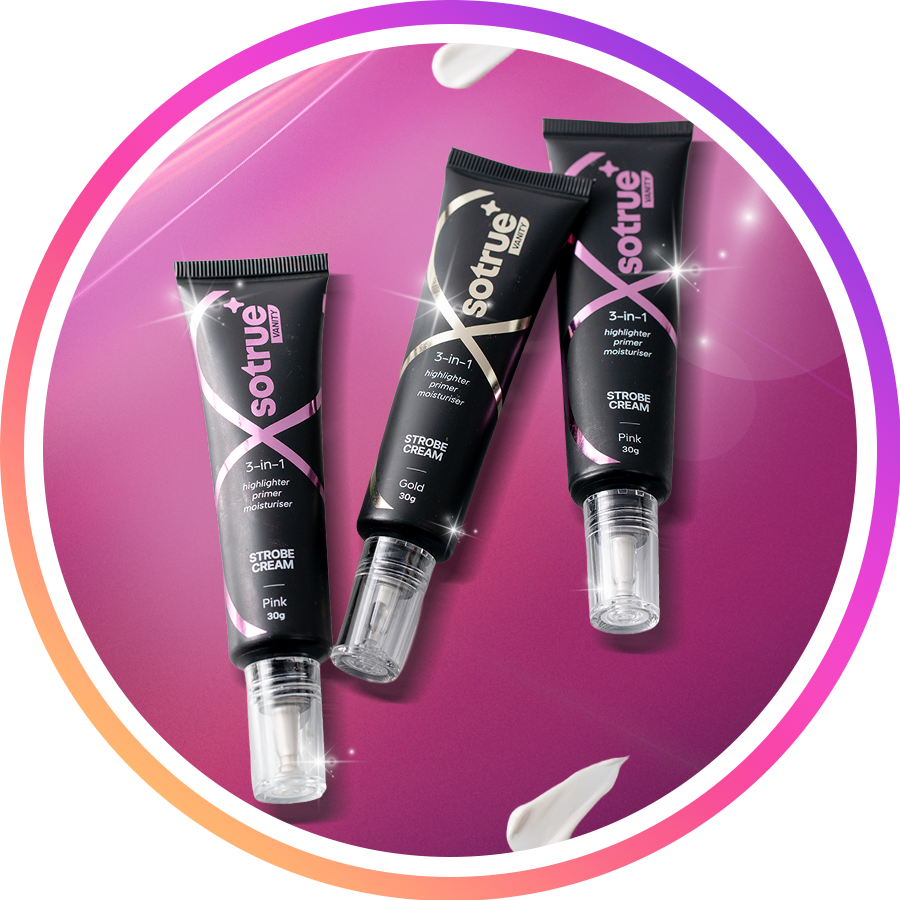
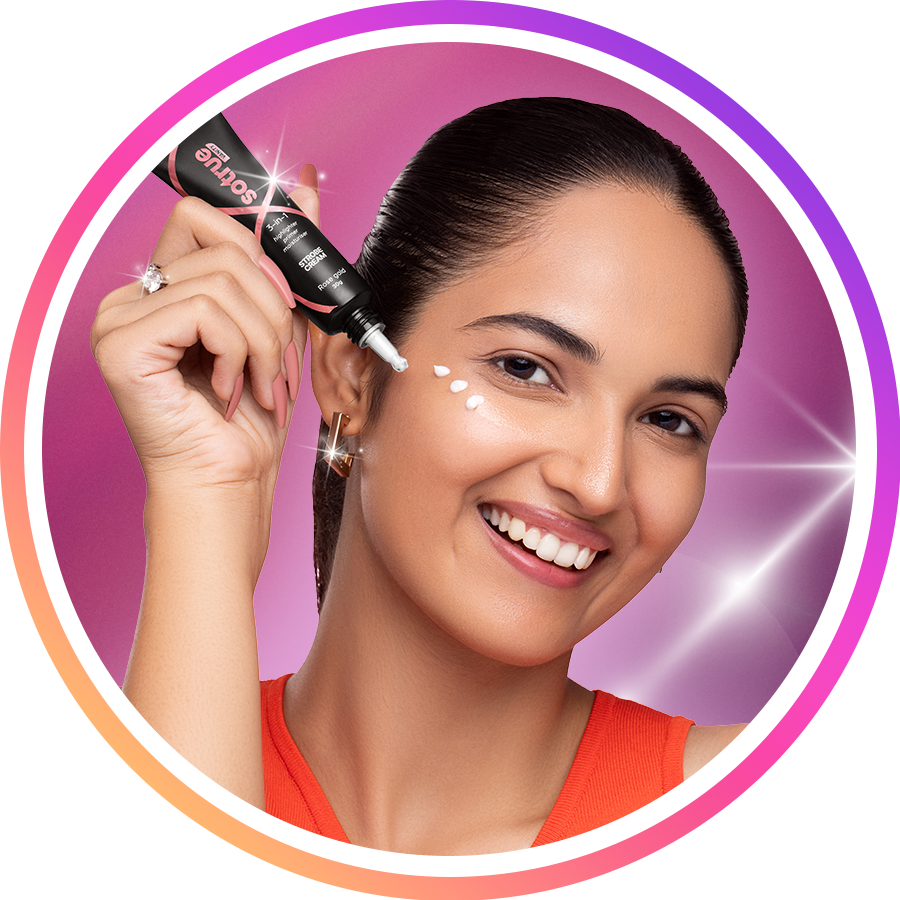
Struggling with beauty products that overlook Indian skin tones, humid climates, and everyday routines? Heavy formulas feel uncomfortable, fade by midday, irritate sensitive skin, and leave your complexion uneven or dull no matter how careful you are. Sotrue offers affordable, vegan, cruelty-free skincare, makeup and haircare thoughtfully crafted for Indian women. From reliable SPF and illuminating strobe creams to inclusive shades, every essential delivers natural radiance and genuine confidence that fits your real life. Shop Sotrue Now!
The Pollution-Skin Connection in Indian Cities
India's urban centers frequently face some of the world's highest pollution levels. Fine particulate matter such as PM2.5 and PM10 can penetrate the skin, disrupting its delicate natural protective layer. This ongoing assault contributes to inflammation, accelerated visible aging, persistent dryness, and heightened sensitivity that many urban dwellers now experience.
Verified public health resources from the World Health Organization highlight sophisticated tools like AirQ+ that enable detailed calculations of air pollution's health effects. These include estimates of impacts such as reduction in life expectancy, alongside interactive maps of global air quality standards and models for predicting indoor exposures. While respiratory and cardiovascular concerns often dominate discussions, the skin our body's largest organ endures constant exposure in cities where air quality standards and enforcement vary significantly.
Dermatologists practicing in Delhi, Bengaluru, and other high-pollution areas report rising cases of compromised skin barriers. Patients present with lingering redness, eczema-like flares, and a dullness that standard brightening products struggle to address. The skin barrier functions like mortar between bricks, composed of lipids, ceramides, and natural moisturizing factors. When pollution weakens this structure, allergens, bacteria, and irritants find easier entry points.
Why Barrier Support Has Become a Priority
In today's pollution-heavy environments, the skin barrier extends well beyond basic hydration. It serves as the primary defense against oxidative stress and the daily invasion of particulates. Supporting it effectively means actively reinforcing what environmental factors work to degrade.
Thoughtful Indian skincare formulations now highlight key ingredients that deliver real results. Ceramides help rebuild the vital lipid matrix, niacinamide calms inflammation while naturally boosting ceramide production, and targeted antioxidants neutralize free radicals generated by PM2.5 exposure. These components are carefully adapted to suit diverse Indian skin types and varying climatic conditions rather than relying on generic international trends.
Consumers in metropolitan areas are shifting from simple moisturizers to specialized barrier creams and serums engineered for consistent urban exposure. A typical morning routine increasingly includes a protective layer before heading out into city air, while evening regimens emphasize repair and restoration after a full day of environmental challenges.
Emerging Trends in Indian Skincare
Local brands have risen to the occasion by developing innovative product lines that thoughtfully blend traditional Ayurvedic wisdom with contemporary scientific understanding. Established names like Forest Essentials integrate protective botanicals, while emerging players focus on ceramide-rich formulas optimized for India's humid coastal climates or dusty inland conditions. Dermatology clinics in heavily polluted cities now experience growing demand for specialized consultations addressing what many call “pollution skin.”
Modern dermatology practices routinely incorporate barrier-focused recommendations alongside practical pollution-mitigation strategies. This often involves gentle cleansing methods that preserve rather than strip the skin's natural oils, followed by carefully layered products that both lock in moisture and create a shield against external aggressors.
Real-World Ingredient Strategies
- Ceramides: Critical for restoring the mortar-like structure between skin cells, particularly valuable after repeated daily particulate exposure.
- Niacinamide: Effectively regulates oil production, reduces inflammation, and strengthens the barrier with minimal risk of irritation making it especially suitable for common combination and oily Indian skin profiles.
- Antioxidants: Sourced from ingredients like green tea and vitamin E, these compounds help combat the oxidative damage that pollution significantly accelerates.
Regular users frequently report decreased skin reactivity, improved tolerance for active ingredients like retinoids, and an overall healthier appearance despite challenging external conditions.
Stories from the Ground
Consider Priya, a marketing professional based in Gurugram, who gradually noticed her skin becoming far more sensitive after years of daily commutes through heavy traffic. “It wasn't simply dryness there was constant tightness and unexpected breakouts,” she recalls. After adopting a ceramide-rich moisturizer paired with a niacinamide serum, her entire routine transformed. Her skin now demonstrates greater resilience even during periods of elevated AQI readings.
Dermatologists across affected regions confirm similar patient journeys. In Delhi, where pollution spikes occur regularly, specialists observe that individuals who consistently prioritize barrier repair tend to experience fewer flare-ups and enjoy better long-term skin health outcomes. Many clinics now provide integrated protocols combining in-office treatments with practical at-home barrier support regimens.
Brands have introduced targeted solutions ranging from lightweight pollution shields ideal for humid Mumbai conditions to richer reparative creams suited to drier northern winters. The emphasis remains on practicality products that integrate seamlessly into busy urban lifestyles without requiring elaborate multi-step processes.
Challenges in Widespread Adoption
Access to advanced barrier-support products remains uneven. While consumers in major metros increasingly embrace these solutions, affordability continues to present obstacles for residents in smaller cities and across various income levels. Additionally, pollution manifests differently across regions coastal humidity impacts skin in distinct ways compared to inland dust and smoke mixtures.
Broader public awareness still requires attention. Many people continue to attribute skin concerns primarily to diet or stress, underestimating the cumulative toll of daily environmental exposure. India's cosmetic regulatory frameworks provide important safety standards, yet proactive education about barrier care needs expanded reach through dermatologists, trusted brands, and public health channels.
Opportunities for Better Skin Health
The growing emphasis on skin barrier support creates promising avenues for meaningful innovation. Domestic skincare brands are well-positioned to develop affordable, climate-appropriate formulas that incorporate locally sourced botanicals known for their barrier-enhancing properties. Dermatology services are expanding to offer specialized pollution-related counseling, fostering more comprehensive care approaches.
Strategic educational initiatives developed in partnership with environmental organizations could powerfully reinforce a key message: protecting your skin barrier deserves the same priority as other daily protective measures on high-pollution days. For businesses, this translates into tailored city-specific marketing strategies highlighting lightweight textures in southern regions and robust repair options in northern markets alongside sustained investment in research and development for resilient formulations.
Building a Resilient Routine
Urban Indians can adopt several practical steps to strengthen their skin barrier:
- Gently cleanse using non-stripping formulas that help preserve the skin's existing lipids.
- Apply niacinamide or ceramide serums to support both repair and daily defense.
- Moisturize thoroughly with barrier-focused creams, adapting texture according to local season and city conditions.
- Use broad-spectrum sunscreen every day, recognizing that pollution effects often compound with UV exposure.
- Incorporate occasional overnight masks or targeted treatments for deeper restoration following days of particularly high environmental exposure.
Consistency proves far more important than perfection. Even modest daily attention to barrier health can produce noticeable improvements within weeks and months of regular practice.
Looking Ahead
As India's cities continue their dynamic growth, discussions connecting pollution with personal wellbeing will undoubtedly deepen. Skin barrier support offers a proactive and empowering approach that realistically acknowledges environmental challenges while concentrating on actionable steps individuals can take.
Health experts stress that while systemic air quality improvements remain essential long-term goals, nurturing the skin's natural defenses delivers tangible benefits today. The World Health Organization's work on quantifying and addressing air pollution's wide-ranging effects, including through advanced modeling tools, reinforces the importance of this personal health strategy.
For millions navigating urban life amid challenging air conditions, strengthening the skin barrier represents smart, essential self-care rather than an optional luxury. Momentum continues to build through innovation, education, and practical application. With ongoing advancements and heightened awareness, healthier and more resilient skin can gradually become the expected standard rather than a welcome exception across India's wonderfully diverse cities.
Frequently Asked Questions
How does air pollution damage the skin barrier in Indian cities like Delhi and Mumbai?
Fine particulate matter such as PM2.5 and PM10, common in India's heavily polluted urban centers, can penetrate the skin and disrupt its natural protective layer a structure made up of lipids, ceramides, and natural moisturizing factors. This ongoing exposure leads to inflammation, accelerated visible aging, persistent dryness, and heightened skin sensitivity. Dermatologists in high-pollution cities like Delhi and Bengaluru report rising cases of compromised skin barriers, with patients presenting symptoms like redness, eczema-like flares, and stubborn dullness. When the barrier weakens, allergens, bacteria, and irritants gain easier entry into the skin.
What are the best skincare ingredients for skin barrier repair due to pollution exposure?
For urban Indians dealing with daily pollution, three key ingredients are especially effective for strengthening the skin barrier. Ceramides help rebuild the lipid matrix between skin cells that particulate matter gradually degrades. Niacinamide reduces inflammation, regulates oil production, and naturally boosts ceramide production making it well-suited to India's common combination and oily skin types. Antioxidants derived from ingredients like green tea and vitamin E neutralize the free radicals that PM2.5 exposure generates. Regular use of these ingredients has been shown to reduce skin reactivity and improve overall resilience even in challenging urban environments.
What is a good daily skincare routine to protect skin from pollution in Indian cities?
Building a pollution-defense routine doesn't need to be complicated. Start by cleansing with a gentle, non-stripping formula that preserves your skin's natural oils, then apply a niacinamide or ceramide serum to reinforce the barrier. Follow with a barrier-focused moisturizer suited to your city's climate lighter textures for humid coastal cities like Mumbai, richer creams for drier northern conditions. Always finish your morning routine with a broad-spectrum sunscreen, as pollution and UV damage compound each other. In the evening, focus on repair with targeted treatments or overnight masks, especially after high-AQI days. Consistency matters more than complexity even small daily efforts can produce visible improvements within weeks.
Disclaimer: The above helpful resources content contains personal opinions and experiences. The information provided is for general knowledge and does not constitute professional advice.
You may also be interested in: Cera-Calm Moisturizer | Dry to Normal Skin - Sotrue
Struggling with beauty products that overlook Indian skin tones, humid climates, and everyday routines? Heavy formulas feel uncomfortable, fade by midday, irritate sensitive skin, and leave your complexion uneven or dull no matter how careful you are. Sotrue offers affordable, vegan, cruelty-free skincare, makeup and haircare thoughtfully crafted for Indian women. From reliable SPF and illuminating strobe creams to inclusive shades, every essential delivers natural radiance and genuine confidence that fits your real life. Shop Sotrue Now!
Powered by flareAI.co