




The short answer: A genuinely vegan, cruelty-free kajal should have no animal-derived ingredients (like beeswax, lanolin, carmine or guanine), an explicit cruelty-free statement, and ideally a named third-party lab or certification body backing the claim rather than just wording on the box. Look for all three before trusting the label. Below is the checklist, and an honest look at where Sotrue's own kajal, the Dark Spell Kohl Kajal Pencil, stands against it.
Table of Contents
- What Does "Vegan" Actually Mean for a Kajal Formula?
- What Does "Cruelty-Free" Actually Mean, and Why the Wording Matters?
- How Do You Tell a Certified Claim From a Brand-Stated Claim?
- A Checklist Before You Buy
- Where Does Sotrue's Dark Spell Kohl Kajal Pencil Fit This Checklist?
- Frequently Asked Questions
What Does "Vegan" Actually Mean for a Kajal Formula?
A vegan kajal contains no animal-derived ingredients anywhere in the formula. In eye cosmetics specifically, the ingredients to watch for are:
- Beeswax, sometimes used as a binder or texturizer in pencil formulas
- Lanolin, derived from sheep's wool, occasionally used for its emollient properties
- Carmine (also listed as cochineal or CI 75470), a red pigment made from crushed insects, more common in lip and blush products but worth checking on any coloured cosmetic
- Guanine, a shimmer additive derived from fish scales
A product being "vegan" is a statement about the formula itself, what is and is not in the ingredient list, independent of how the product was tested.
What Does "Cruelty-Free" Actually Mean, and Why the Wording Matters?
"Cruelty-free" is a claim about testing, not formulation, and this is where the wording on a label needs a closer reading. A statement that a lab's own safety evaluation used non-animal testing methods is narrower than a statement that no animal testing occurred anywhere in that product's supply chain, including ingredient suppliers. Both get marketed under the same word, "cruelty-free," but they are not making the same promise. When a brand's certificate is available to check, reading what it actually covers, rather than assuming the broadest possible meaning, is worth the extra minute.
How Do You Tell a Certified Claim From a Brand-Stated Claim?
This is the single most useful check for any vegan or cruelty-free product, kajal or otherwise:
| Signal | Certified claim | Brand-stated claim |
|---|---|---|
| Named lab or certifying body | Yes, specific and checkable | Usually not named |
| Certificate or reference number | Yes | Usually not present |
| Scope stated | Often specific (certain SKUs, certain batches) | Usually broad ("our products are...") |
| Where it appears | Often on request or in brand documentation | On-pack or on the product listing only |
Neither type of claim is automatically false. A brand-stated claim can be entirely accurate. The difference is that a certified claim can be independently checked against a named lab and a dated certificate, while a brand-stated claim asks you to trust the listing as written.
A Checklist Before You Buy
- Check the ingredient list for beeswax, lanolin, carmine or guanine
- Look for the words "vegan" and "cruelty-free" stated explicitly on the pack or listing, not implied
- Check whether a specific lab, certificate number or date is named anywhere
- If nothing is named, treat the claim as a brand statement rather than a certification, which is still useful information, just a different kind
- If the certification you find covers only specific products or shades, don't assume it extends to the brand's entire range
Where Does Sotrue's Dark Spell Kohl Kajal Pencil Fit This Checklist?
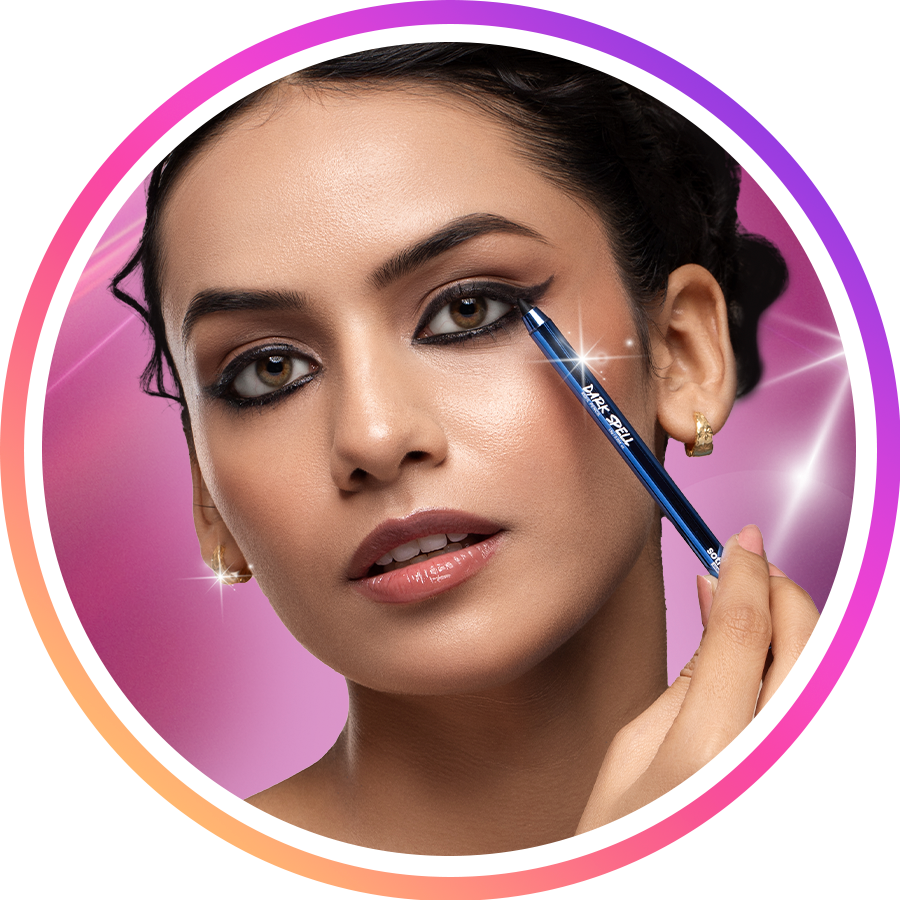
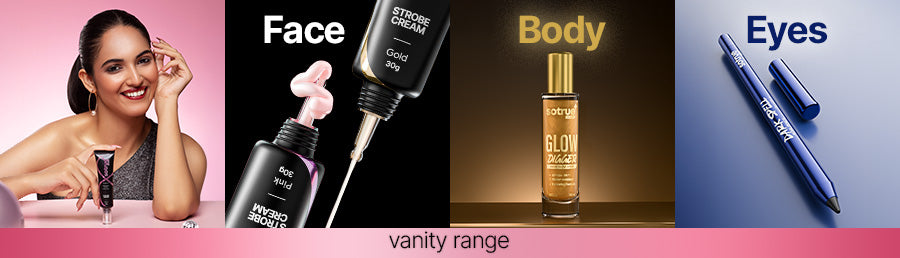
In the interest of being precise rather than promotional: Sotrue's Dark Spell Kohl Kajal Pencil states "vegan, cruelty-free, toxin-free" on its product listing. This is a brand-stated claim; the product listing does not name a specific testing lab or certificate for this SKU.

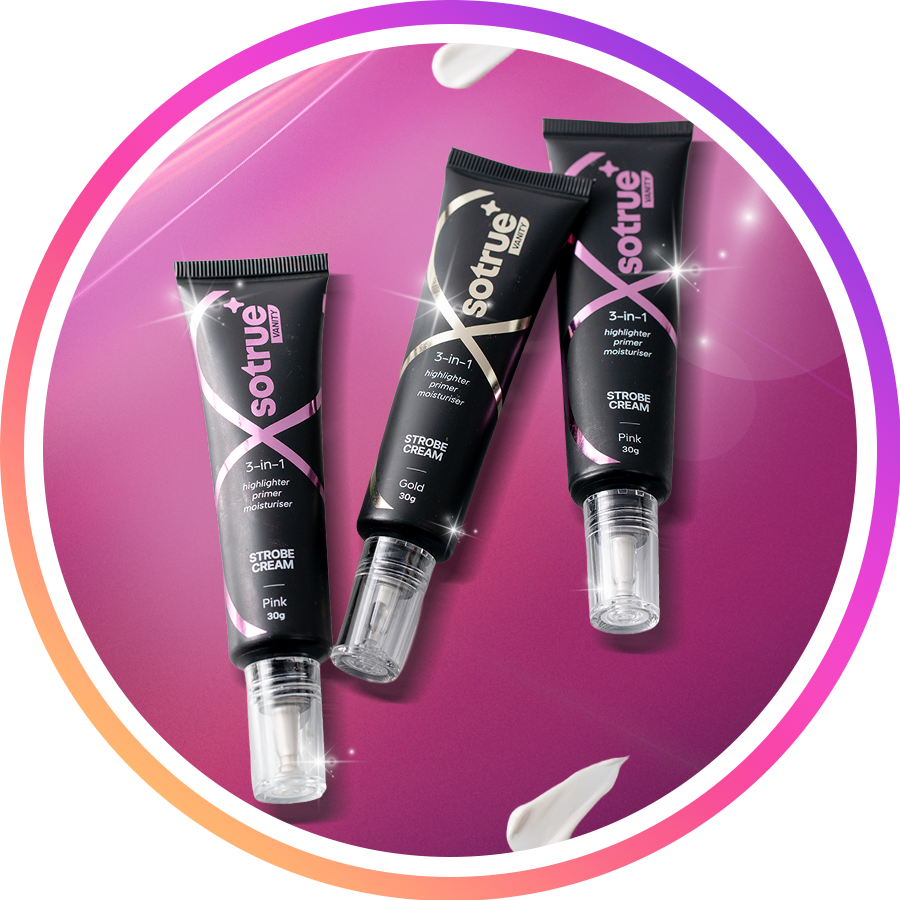
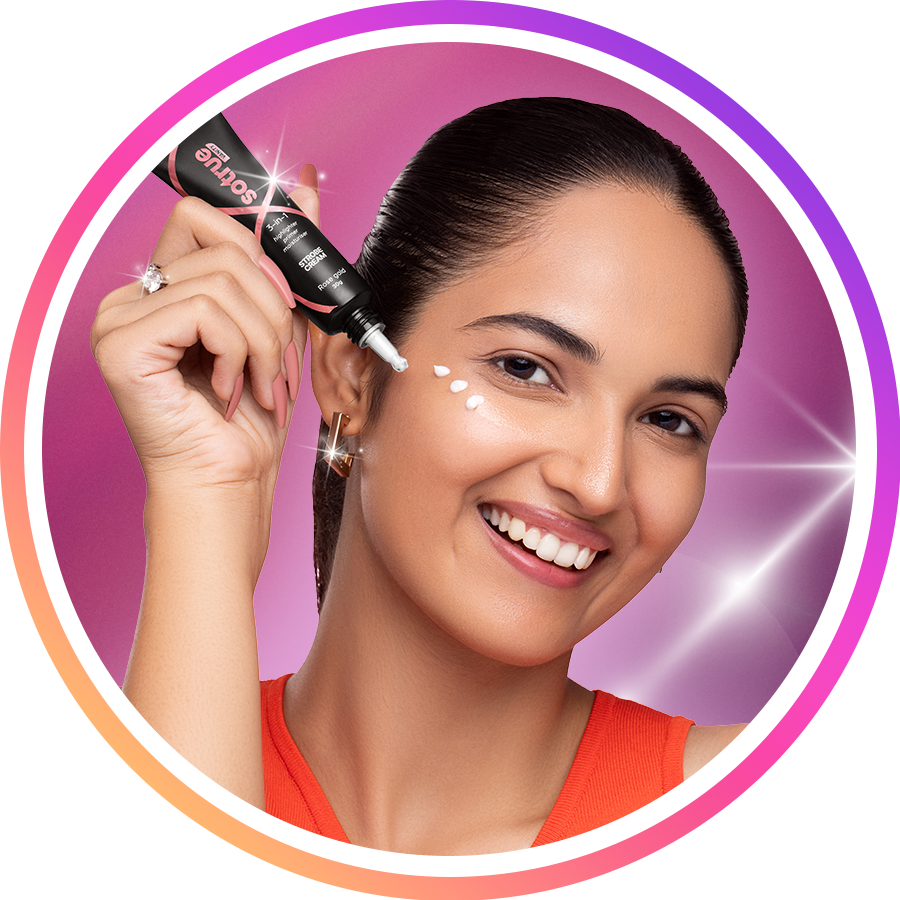
For comparison, Sotrue's 3-in-1 Illuminating Strobe Cream, in the Pink, Gold and Rose Gold shades, does carry a named, dated, batch-specific certification from CCFT Laboratories (Centre for Cruelty-Free Testing, Meerut) for both vegan and cruelty-free claims. That certification is specific to the strobe cream range and does not extend to the kajal or any other product in the catalogue. We think that distinction is worth stating plainly rather than letting one certified product imply a brand-wide guarantee it does not have.
India's vegan cosmetics market is projected to grow at more than 8.64% CAGR between 2026 and 2031, a sign that this level of label-reading is only going to matter more to more shoppers, not less.
Frequently Asked Questions
Is a brand-stated vegan claim less trustworthy than a certified one? Not automatically. It simply cannot be independently verified the same way a named lab certificate can. Both are common in the Indian beauty market; knowing which one you are looking at helps you decide how much weight to put on it.
Why would a brand certify one product but not another? Third-party lab certification typically has to be done, and paid for, per formula or per product line, since two different products can use different suppliers even within the same brand. A brand may certify its highest-priority or newest launch first and expand certification to other products over time.
Does "ophthalmologically tested" mean the same as "cruelty-free"? No. "Ophthalmologically tested" is a claim about eye-area safety testing, typically on human volunteers under supervision, while "cruelty-free" specifically concerns whether animal testing was used. A product can make one claim without the other.
Are vegan cosmetics automatically safer or more effective than non-vegan ones? Not inherently. "Vegan" describes what is excluded from the formula, not the formula's performance or safety profile on its own. A vegan kajal should still be judged on the same criteria as any other kajal: smudge-proof performance, comfort on the waterline, and ophthalmological testing.
How can I ask a brand directly whether a product is independently certified? Most brands list a customer care email or contact form on their site. Asking specifically for the name of the certifying lab and the certificate date is a more useful question than asking "is this vegan," since it gets you a checkable answer rather than a repeated marketing line.
Sources
- India Vegan Cosmetics Market Report, Bonafide Research, India vegan cosmetics market CAGR, 2026 to 2031 forecast.
By Pranavi Aggarwal, NPD, Sotrue | Textile Design (NIFT) and international MBA. Drives product innovation aligned with Sotrue's brand voice. Reviewed by Abhishek Jain, Formulation Expert, Sotrue.


