






Quick Listen:
Derma rollers have become a familiar tool in modern beauty routines, attracting attention from people interested in improving skin appearance and supporting hair care practices. These handheld devices use tiny needles to create controlled stimulation on the skin or scalp, making them part of broader conversations around microneedling-inspired personal care. Understanding how derma rollers work, where they may fit into a routine, and what considerations matter can help consumers make informed choices about their use.
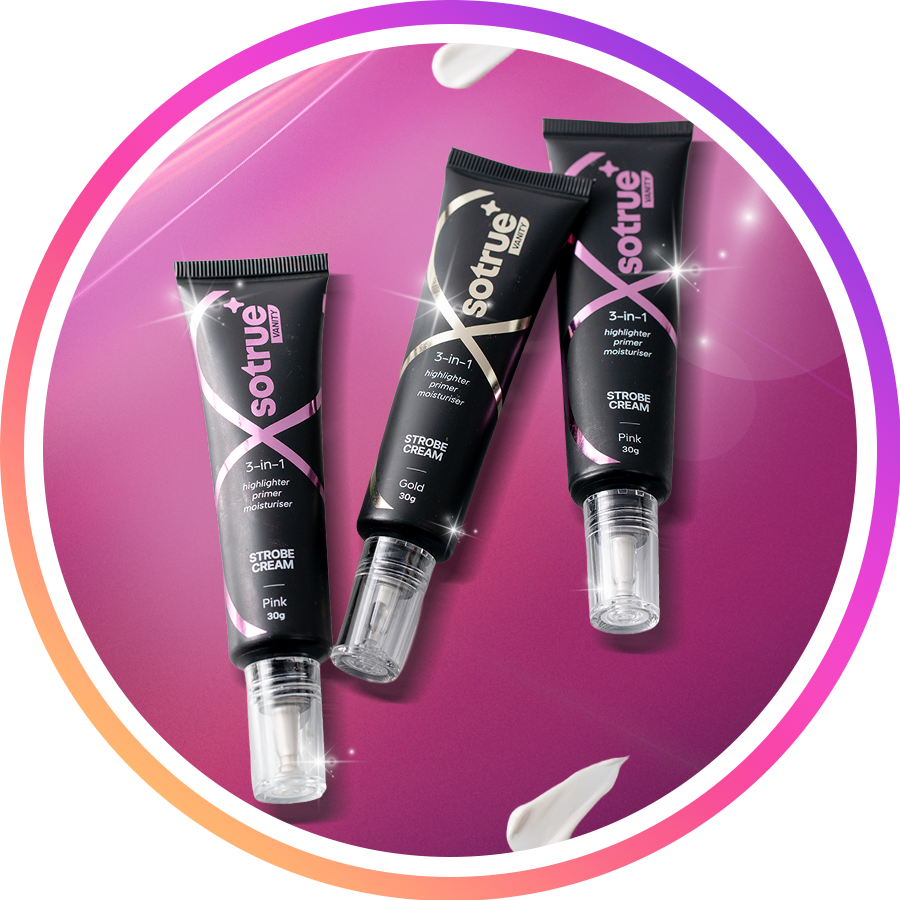
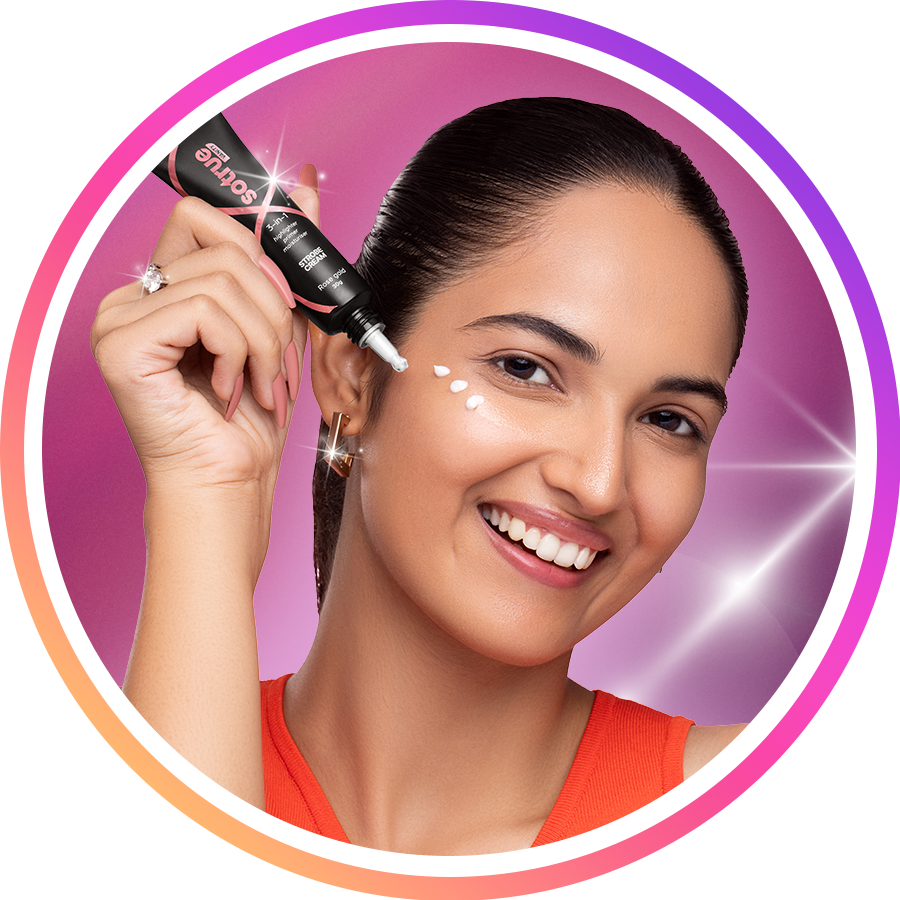
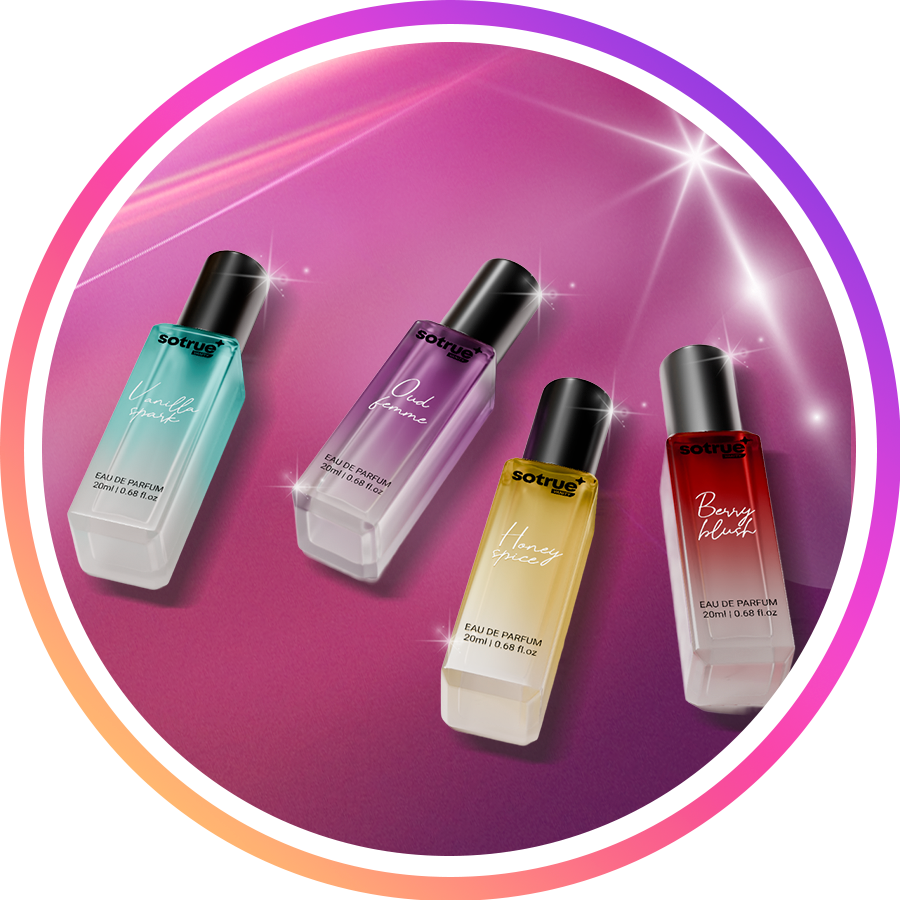
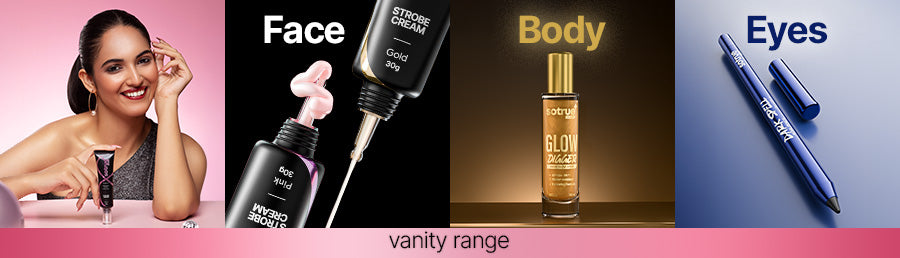
Struggling with beauty products that overlook Indian skin tones, humid climates, and everyday routines? Heavy formulas feel uncomfortable, fade by midday, irritate sensitive skin, and leave your complexion uneven or dull no matter how careful you are. Sotrue offers affordable, vegan, cruelty-free skincare, makeup and haircare thoughtfully crafted for Indian women. From reliable SPF and illuminating strobe creams to inclusive shades, every essential delivers natural radiance and genuine confidence that fits your real life. Shop Sotrue Now!
What Are Derma Rollers and Why Are They Used?
A derma roller is a handheld device covered with very fine needles designed to move across the surface of the skin or scalp. The process is associated with microneedling, a technique that focuses on controlled stimulation of the skin. In personal care routines, these tools are often discussed in relation to improving the look of skin texture, supporting skincare goals, and maintaining scalp-focused care practices.
The growing interest in derma rollers reflects a wider shift in beauty routines. Consumers are increasingly looking beyond basic maintenance and exploring targeted approaches for specific concerns, from uneven skin texture to hair and scalp care. However, understanding the difference between realistic benefits and exaggerated online claims is essential when considering any advanced skincare tool.
Social media has played an important role in introducing consumers to skincare techniques inspired by professional treatments. Dermatologists have highlighted the need to distinguish evidence-based practices from trends that may spread without sufficient context. Dermatologists on skincare trends provides insight into how online beauty conversations influence consumer choices and why informed usage matters.
How Derma Rollers Connect Hair and Skin Care
The appeal of derma rollers comes from their connection to both facial skincare and scalp care. Many consumers view these tools as a way to support personalised routines that focus on particular appearance-related goals rather than using one approach for every concern.
For skin care, derma rollers are commonly associated with microneedling-inspired routines that aim to support smoother-looking skin and improve the overall appearance of texture. The concept behind these tools is based on controlled stimulation, which may encourage natural processes within the skin. Individual experiences can vary depending on factors such as skin type, routine consistency, and how the tool is used.
In hair care, interest in derma rollers has expanded as consumers pay more attention to scalp health as part of maintaining healthy-looking hair. A scalp-focused approach recognises that hair care is not only about the strands themselves but also about the condition of the area where hair grows.
Research discussions around microneedling for hair concerns suggest that controlled stimulation of the scalp is being explored as a supportive approach in certain situations. The technique may influence natural healing responses and is often considered alongside established hair care approaches rather than as a replacement for professional advice. Microneedling for hair growth explains how this approach is being studied and why expectations should remain realistic.
Understanding the Benefits of Derma Rollers
When exploring the benefits of derma rollers, it is important to focus on realistic outcomes rather than expecting immediate transformation. These tools are best understood as one part of a broader personal care routine that includes appropriate products, consistent habits, and attention to individual needs.
Supporting Skin Appearance and Texture
One reason consumers explore derma rollers is their connection with skin texture and appearance. A consistent skincare routine often involves multiple elements, including cleansing, hydration, protection, and targeted treatments. A derma roller may be considered by some individuals as an additional step within that routine.
The popularity of these devices also reflects changing consumer preferences for personalised beauty practices. Instead of following identical routines, many people now look for tools and techniques that address specific concerns and fit their lifestyle.
Exploring Scalp Care Approaches
The discussion around derma rollers for hair growth often focuses on the relationship between scalp care and hair appearance. Consumers interested in hair routines are increasingly considering the scalp as an important part of overall maintenance.
While microneedling-inspired scalp techniques continue to attract attention, results may depend on many personal factors. A thoughtful approach involves understanding how the tool works, following safe practices, and considering professional guidance when addressing specific concerns.
How to Use a Derma Roller Responsibly
Learning how to use a derma roller correctly is an important part of making the tool a safe and practical addition to a personal care routine. Because the device involves direct contact with the skin or scalp, responsible handling should always be a priority.
- Follow hygiene practices: Keeping the device clean and using it appropriately helps reduce unnecessary risks associated with introducing a tool to the skin.
- Understand personal suitability: Different skin types and conditions may respond differently to active treatments and tools.
- Avoid unrealistic expectations: Derma rollers are not a universal solution and should be viewed as part of a wider routine.
- Use informed techniques: Understanding the purpose of the device and following appropriate guidance can support better decisions.
A careful approach is especially important because online beauty trends can sometimes simplify complex skincare practices. A tool that works well for one person may not provide the same experience for another. Education and responsible use remain central to creating effective personal care habits.
Derma Roller Benefits and Risks to Consider
Every skincare tool requires consideration of both potential advantages and possible limitations. The conversation around derma roller benefits and risks should include realistic expectations, individual differences, and the importance of proper technique.
One common challenge with at-home beauty devices is that online content may present simplified claims without explaining the factors that influence outcomes. Consumers may see demonstrations or testimonials that do not reflect the full range of experiences. This makes it important to evaluate information carefully and focus on credible guidance.
Potential concerns can include irritation, discomfort, or unsuitable use, particularly when a person does not understand how the device should fit into their routine. People with specific skin or scalp concerns may benefit from discussing their options with a qualified professional before adding new tools to their care approach.
The role of education is becoming increasingly important as beauty routines incorporate more advanced techniques. Consumers who understand both the possibilities and limitations of a tool are better positioned to make choices that support their individual goals.
The Growing Role of At-home Beauty Tools
Derma rollers represent a broader movement toward at-home beauty tools that combine technology, self-care, and personalised routines. Consumers are increasingly interested in products and devices that allow them to take a more active role in maintaining their skin and hair care practices.
This shift does not mean replacing professional treatments or expert recommendations. Instead, it highlights the importance of combining accessible tools with informed decisions. Beauty routines are becoming more focused on understanding ingredients, techniques, and the reasons behind each step.
For brands in the beauty and personal care sector, educational content around tools such as derma rollers can help consumers better understand how products fit into their routines. Providing clear information about usage, expectations, and responsible practices supports stronger relationships built on trust and transparency.
Making Informed Choices About Derma Rollers
Choosing whether to include a derma roller in a hair or skin care routine requires more than following a trend. Consumers should consider their personal goals, understand the purpose of the device, and approach new techniques with realistic expectations.
A useful approach is to view derma rollers as one element within a complete care strategy. Healthy-looking skin and hair are influenced by many factors, including consistent routines, suitable products, and individual needs. Tools can support these efforts, but they work best when used thoughtfully.
As interest in microneedling-inspired beauty tools continues, informed decision-making will remain important. Understanding how derma rollers work, what they may support, and where limitations exist allows consumers to explore these devices with greater confidence.
Derma rollers have become part of a wider conversation about personalised hair and skin care. Their popularity reflects consumer interest in targeted routines and accessible beauty tools, but knowledge remains the foundation of effective use. By focusing on realistic benefits, responsible practices, and informed choices, consumers can better understand where derma rollers may fit within their personal care journey.
Frequently Asked Questions
What are the benefits of derma rollers for hair and skin care?
Derma rollers are used in hair and skin care routines to support targeted beauty goals, including improving the appearance of skin texture and supporting scalp-focused care. Their potential benefits are linked to controlled stimulation, but results can vary depending on individual factors and proper usage.
How to use a derma roller safely in a skincare routine?
To use a derma roller responsibly, it is important to follow hygiene practices, understand your skin or scalp needs, and use the tool as part of a broader personal care routine. Avoid unrealistic expectations and consider professional guidance if you have specific concerns.
Can a derma roller help with hair growth and scalp care?
Derma rollers are often discussed as a microneedling-inspired tool for scalp care and may support certain hair care approaches. They should be viewed as a complementary practice rather than a guaranteed solution, as outcomes depend on individual conditions and proper care.
Disclaimer: The above helpful resources content contains personal opinions and experiences. The information provided is for general knowledge and does not constitute professional advice.
You may also be interested in: Derma Roller (0.5mm) with Sanitizer | For Hair & Skin - Sotrue
Struggling with beauty products that overlook Indian skin tones, humid climates, and everyday routines? Heavy formulas feel uncomfortable, fade by midday, irritate sensitive skin, and leave your complexion uneven or dull no matter how careful you are. Sotrue offers affordable, vegan, cruelty-free skincare, makeup and haircare thoughtfully crafted for Indian women. From reliable SPF and illuminating strobe creams to inclusive shades, every essential delivers natural radiance and genuine confidence that fits your real life. Shop Sotrue Now!
Powered by flareAI.co


