


Quick Listen:
Inclusive beauty is changing the way people think about skincare, cosmetics, and personal care. The conversation is moving beyond the idea that beauty can be defined by a narrow set of standards and toward a broader understanding of individual needs. Every person's skin has unique characteristics, influenced by tone, texture, concerns, lifestyle, and personal preferences. Celebrating every skin tone and type means recognising those differences as part of what makes beauty personal, rather than treating them as challenges to overcome.
For consumers, inclusive beauty represents a search for products, education, and experiences that feel relevant to their own identity. For brands, it requires a deeper approach to innovation, communication, and product development. Representation is important, but true inclusivity also involves understanding diverse skin needs and creating solutions that support a wider range of people.
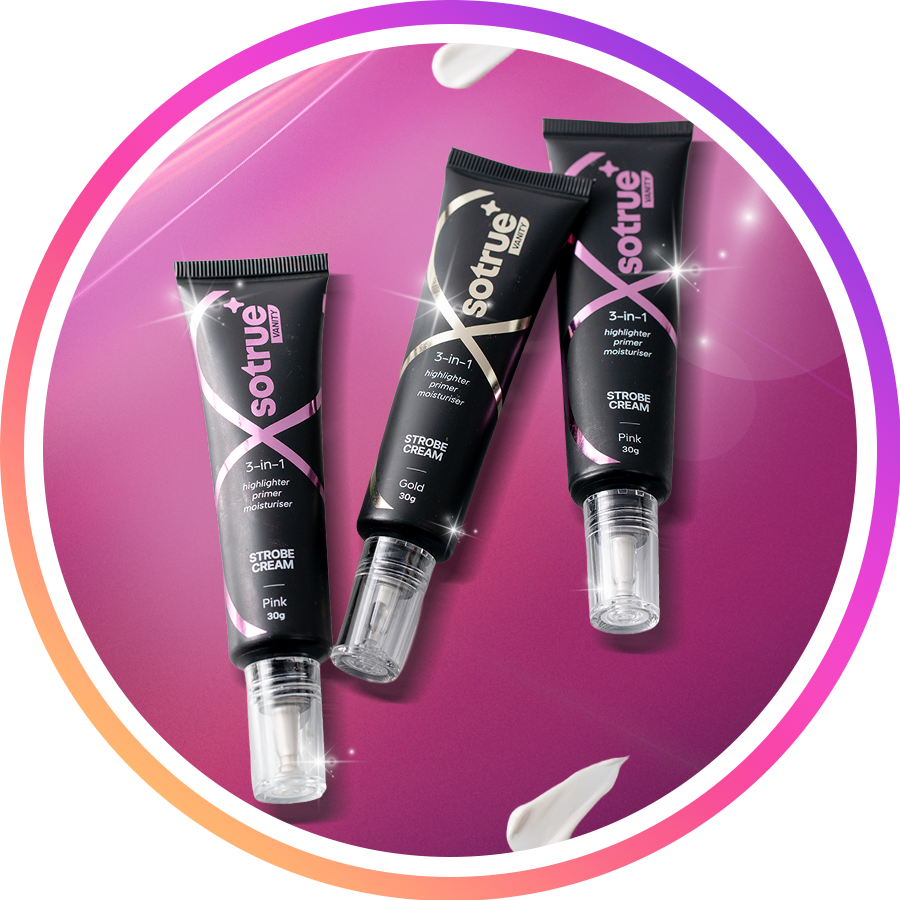
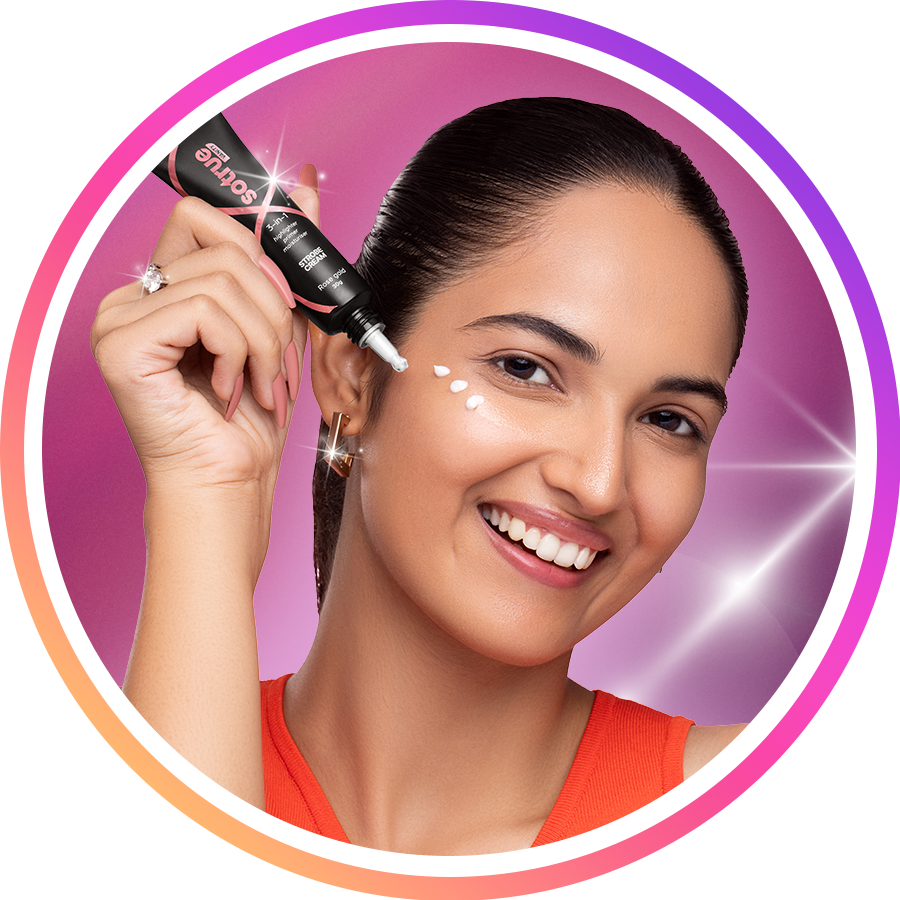
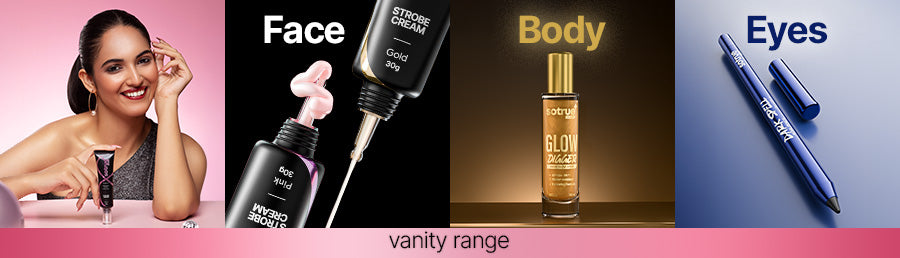
Struggling with beauty products that overlook Indian skin tones, humid climates, and everyday routines? Heavy formulas feel uncomfortable, fade by midday, irritate sensitive skin, and leave your complexion uneven or dull no matter how careful you are. Sotrue offers affordable, vegan, cruelty-free skincare, makeup and haircare thoughtfully crafted for Indian women. From reliable SPF and illuminating strobe creams to inclusive shades, every essential delivers natural radiance and genuine confidence that fits your real life. Shop Sotrue Now!
Why Inclusive Beauty Matters Beyond Representation
Representation has become an important part of beauty conversations, but inclusion extends beyond advertising campaigns or diverse imagery. A genuinely inclusive approach considers how products are developed, tested, communicated, and experienced by different consumers.
Historically, some beauty solutions were created around limited assumptions about skin types and complexions. This created gaps for people whose needs were not fully considered. Inclusive beauty addresses these gaps by encouraging brands to think about diversity from the beginning of the creation process.
The shift toward beauty for every skin tone and type reflects a broader expectation from consumers: products should acknowledge individuality rather than encourage people to fit into a single definition of beauty. This approach supports confidence by helping people find options that feel designed with their experiences in mind.
How Diversity Is Influencing Beauty Innovation
Innovation in beauty increasingly depends on understanding a wider range of consumer needs. Product development is becoming more focused on how different people experience skincare concerns, cosmetic preferences, and personal care routines.
The focus on skin equity highlights the importance of evaluating beauty solutions across diverse skin tones and types. Research and industry discussions around this shift show that inclusive beauty involves more than expanding shade ranges; it also requires attention to product effectiveness, safety, education, and accessibility. Skin equity in beauty has become part of a wider conversation about creating better experiences for consumers with different skin characteristics.
For brands, this means inclusion should be integrated into product thinking rather than added as a marketing message after development. Considering different consumer experiences early can lead to more thoughtful formulations, clearer education, and stronger relationships with audiences.
Understanding the Role of Personalised Beauty Solutions
Consumers are increasingly interested in personalised beauty solutions that reflect their individual needs. Skin type, tone, sensitivity, environmental factors, and lifestyle preferences all influence how people approach their routines.
Personalisation does not mean creating a separate category for every individual. Instead, it means recognising that beauty choices are not one-size-fits-all. A person looking for skincare support may have different priorities from someone selecting cosmetic products, and both deserve information that helps them make confident decisions.
This shift has encouraged beauty brands to rethink how they communicate with consumers. Clear guidance, inclusive language, and education around different skin needs can help people understand how products fit into their routines.
When brands approach beauty through the lens of individuality, they create experiences that feel more relevant. The goal is not simply to offer more options, but to ensure those options reflect the diversity of the people using them.
The Connection Between Inclusion and Consumer Trust
Trust is built when consumers feel recognised and understood. In beauty, this connection depends on more than appearance; it comes from whether brands demonstrate awareness of real consumer experiences.
Consumers often look beyond product features when choosing beauty brands. They consider whether a company understands different concerns, communicates honestly, and acknowledges the variety of people who use its products.
The growth of inclusive beauty conversations reflects changing expectations around authenticity. Consumers are more likely to engage with brands that treat diversity as part of their values and everyday practices rather than as a temporary campaign theme.
Building trust requires consistency. Inclusive messaging should align with product development, educational content, customer experiences, and the overall way a brand communicates. When these elements work together, representation becomes a meaningful part of the consumer relationship.
Moving Beyond Narrow Definitions of Beauty
Beauty standards have often been shaped by limited ideas of what is considered desirable or acceptable. Inclusive beauty challenges those limitations by recognising that confidence can exist across every complexion, feature, and skin characteristic.
This change is not about replacing one standard with another. It is about creating space for different expressions of beauty and allowing consumers to define what works for them.
The conversation around global beauty inclusivity trends shows how consumers are seeking products that combine performance with representation. As beauty movements continue to develop across cultures, brands are being encouraged to understand different preferences, identities, and personal expressions. Global beauty inclusivity reflects a movement toward broader ideas of beauty and more personalised consumer experiences.
For individuals, this shift can create a stronger sense of belonging. Seeing diverse skin tones, textures, and beauty experiences represented helps reinforce the idea that everyone's appearance deserves recognition and care.
What Brands Can Learn From Inclusive Beauty Trends
Inclusive beauty provides important lessons for brands operating in the personal care sector. The most meaningful progress comes from understanding consumers deeply and responding to their needs with thoughtful solutions.
Start with Consumer Understanding
Brands can create stronger connections by listening to the experiences of different audiences. Understanding common concerns, preferences, and expectations helps companies develop content and products that feel more relevant.
Make Inclusion Part of the Process
Inclusion works best when it influences decisions from the beginning. Product development, testing approaches, communication strategies, and customer education should all consider a broad range of consumer experiences.
Create Education That Supports Confidence
Consumers often need guidance as much as they need products. Helpful content about skincare routines, ingredients, and beauty choices can make people feel more informed and empowered.
For beauty brands, the opportunity is not simply to participate in conversations about diversity but to contribute meaningfully to them. Inclusive beauty requires ongoing attention to how people experience products and how brands can better support those experiences.
The Future of Beauty Is Built Around Individuality
Inclusive beauty celebrates every skin tone and type because it recognises a simple reality: beauty is experienced differently by every person. A more inclusive approach allows brands and consumers to move away from limited definitions and toward solutions that respect individuality.
The importance of inclusive beauty lies in creating a relationship between people and products that feels relevant, respectful, and personal. When brands consider diverse needs as a foundation for innovation, they can create experiences that help more people feel represented and confident.
Celebrating diversity in beauty is not only about expanding who is visible. It is about improving how beauty products are imagined, developed, and shared so that every person has the opportunity to find care that reflects their unique identity.
Frequently Asked Questions
What does inclusive beauty mean and why is it important?
Inclusive beauty means recognising and supporting the diverse range of skin tones, skin types, and individual beauty needs that people have. It is important because it encourages brands to create products, education, and experiences that help more consumers feel represented and understood.
How does inclusive beauty support different skin tones and types?
Inclusive beauty supports different skin tones and types by encouraging product development that considers varied skin characteristics and personal preferences. This approach helps consumers find more relevant skincare and personal care solutions while moving beyond one-size-fits-all beauty standards.
Why are personalised beauty solutions becoming more important?
Personalised beauty solutions are becoming more important because consumers want products and guidance that match their unique skin concerns, routines, and lifestyles. By focusing on individuality, beauty brands can create more meaningful experiences and build stronger connections with their audiences.
Disclaimer: The above helpful resources content contains personal opinions and experiences. The information provided is for general knowledge and does not constitute professional advice.
You may also be interested in: Lightweight Strobe Creams Perform in Humid Indian Conditions
Struggling with beauty products that overlook Indian skin tones, humid climates, and everyday routines? Heavy formulas feel uncomfortable, fade by midday, irritate sensitive skin, and leave your complexion uneven or dull no matter how careful you are. Sotrue offers affordable, vegan, cruelty-free skincare, makeup and haircare thoughtfully crafted for Indian women. From reliable SPF and illuminating strobe creams to inclusive shades, every essential delivers natural radiance and genuine confidence that fits your real life. Shop Sotrue Now!
Powered by flareAI.co


